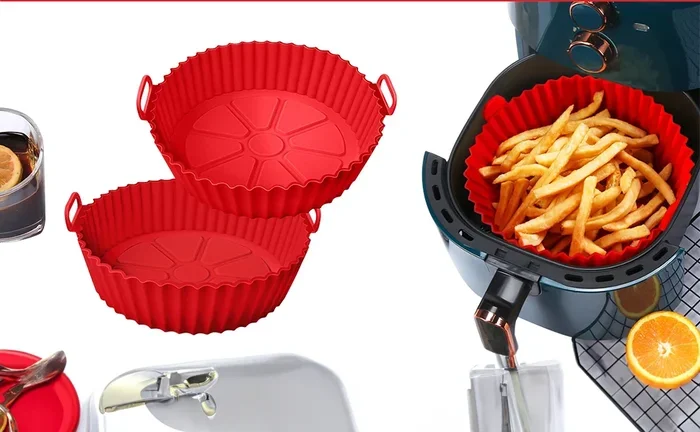
Air Fryer Silicone Liner Everything You Need To Know
An air fryer silicone liner is a reusable, non-stick mat that sits inside your air fryer basket or tray. It makes cleanup a breeze, prevents food from sticking, and helps you cook crispy results without the mess. This guide covers everything from choosing the right liner to using and cleaning it properly.
Let’s be honest. Cleaning an air fryer can be a real pain. You pull out the basket, scrape off stuck-on cheese, scrub baked-on grease, and wonder if it is even worth it. If this sounds familiar, you are not alone. That is exactly why air fryer silicone liners have become so popular. They solve one of the biggest frustrations of air frying: the cleanup.
A silicone liner is a simple but game-changing air fryer accessory. It slides right into your basket or tray and creates a non-stick surface for your food. Whether you are reheating pizza, roasting vegetables, or making crispy chicken, a liner keeps things tidy and makes your life easier. In this guide, we will cover everything you need to know about using a silicone liner for air fryer cooking. From the benefits to the best practices, you will find all the answers here.
## What Is an Air Fryer Silicone Liner?
An air fryer silicone liner is a flexible mat made from food-grade silicone. It fits snugly inside the cooking basket or tray of your air fryer. The material is naturally non-stick, which means food does not cling to it the way it does to bare metal. Most liners are thin, lightweight, and easy to store.
These liners come in different shapes and sizes. Some are round to fit circular baskets. Others are square or rectangular for toaster oven-style air fryers. Many are also cuttable, so you can trim them to fit your specific model. This flexibility is one reason they have become a go-to air fryer accessory for home cooks.
The best part? They are reusable. A single silicone liner can last for hundreds of uses. That means fewer disposable liners going into the trash and more money staying in your pocket.
### Why Silicone Works So Well in Air Fryers
Silicone is a fantastic material for kitchen use. It is heat resistant, flexible, and does not warp under high temperatures. Most air fryer silicone liners can handle temperatures up to 400 to 450 degrees Fahrenheit. This makes them safe for nearly all air frying tasks.
Silicone also has natural non-stick properties. You do not need cooking spray or extra oil to prevent food from sticking. This is a big win for anyone trying to eat healthier or reduce their fat intake. The food releases easily, and the liner stays clean.
## Benefits of Using a Silicone Liner in Your Air Fryer
There are many reasons to add a silicone liner to your air fryer setup. Let us break them down.
### Effortless Cleanup
This is the number one reason people buy silicone liners. Grease, crumbs, and stuck-on food stay on the liner instead of on your basket. When you are done cooking, you simply lift out the liner, rinse it, and you are done. No soaking, no scrubbing, no scraping. It is that simple.
If you have ever tried to clean a greasy Cosori air fryer toaster oven, you know how tedious it can be. A silicone liner cuts that time in half or more. For tips on deep cleaning your air fryer, check out our guide on how to clean your air fryer thoroughly.
### Reusable and Environmentally Friendly
Disposable parchment paper liners create waste every single time you cook. A silicone liner replaces them all. You use it, wash it, and use it again. Over time, this adds up to a lot less trash in the landfill. If you care about reducing your environmental footprint, a reusable liner is a smart choice.
### Better Cooking Results
A silicone liner promotes even airflow around your food. This is important because air fryers rely on hot air circulation to cook food evenly. The liner allows air to move freely while still catching grease and crumbs. The result? Food that is crispy on the outside and tender on the inside, every time.
### Cost Savings Over Time
A quality silicone liner costs around $10 to $15. A box of disposable parchment liners costs about $5 and lasts for a few uses. Over a year, you could spend $30 or more on disposables. A single silicone liner lasts for years. That is a clear win for your wallet.
## How to Choose the Right Air Fryer Silicone Liner
Not all silicone liners are created equal. Here is what to look for before you buy.
### Size and Shape
Measure your air fryer basket or tray before purchasing a liner. Most liners are designed for specific sizes. Round baskets need round liners. Rectangular toaster oven air fryers need rectangular liners. Some brands offer universal sizes that work with multiple models.
If you are unsure about your model, check the product dimensions on the liner listing. Many liners are also cuttable, which gives you more flexibility.
### Heat Resistance Rating
Check the maximum temperature the liner can handle. Most quality liners withstand up to 450 degrees Fahrenheit. This is more than enough for most air frying tasks. If you plan to use your liner for baking or broiling as well, make sure it can handle those temperatures too.
It is worth noting that air fryer and oven temperatures are often the same, so a liner that works in one will likely work in the other. For more on this, read our article on whether air fryer and oven temperatures are the same.
### Food-Grade Quality
Always buy liners made from food-grade silicone. Look for products that are BPA-free, FDA-approved, and free from harmful chemicals. Cheap knockoffs may not meet safety standards. Stick with reputable brands to ensure your liner is safe for cooking.
### Perforations vs. Solid Liners
Many silicone liners come with small holes or perforations. These allow hot air to circulate through the liner and reach your food. This leads to crispier results. Solid liners, on the other hand, trap more grease and may cause steaming instead of crisping. For the best results, choose a liner with perforations.
## How to Use an Air Fryer Silicone Liner
Using a silicone liner is easy. Here is a simple step-by-step guide.
1. Measure your basket. Make sure the liner fits snugly inside your air fryer basket or tray.
2. Place the liner inside. Lay it flat on the bottom of the basket. Smooth out any wrinkles.
3. Add your food. Place your ingredients on top of the liner as usual.
4. Set the temperature and time. Cook as you normally would. The liner will not interfere with the cooking process.
5. Remove and cool. Once cooking is done, carefully pull out the liner. Let it cool before washing.
You can also cut the liner to size if needed. Just use kitchen scissors and trim along the edges of your basket.
### Quick Tips for Best Results
– Do not overlap the liner edges. This can block airflow and cause uneven cooking.
– Do not preheat the liner empty. Always add food before starting the air fryer.
– Use the liner for greasy or saucy foods. It works best when there is something to catch.
– Avoid using sharp utensils on the liner. They can scratch the surface.
## Cleaning and Maintenance Tips
Taking care of your silicone liner is simple. Here is how to keep it in great shape.
### After Each Use
Let the liner cool down completely before washing. Rinse it under warm water to remove loose grease and crumbs. For light residue, warm soapy water and a soft sponge are all you need. Avoid abrasive scrubbers or steel wool, as they can damage the silicone surface.
### For Stubborn Stains
If food has baked on, soak the liner in warm soapy water for 15 to 20 minutes. This softens the residue and makes it easier to wipe away. For tough stains, make a paste with baking soda and water. Gently scrub with a soft cloth. Rinse thoroughly and dry.
If you are dealing with heavy grease buildup, check out our guide on deep cleaning your air fryer for more detailed tips.
### Drying and Storage
Air dry the liner completely before storing it. Storing a damp liner can lead to mold or mildew. Once dry, fold it flat or roll it up and keep it in a drawer or cabinet. It takes up very little space, so storage is never an issue.
### How Long Does a Silicone Liner Last?
With proper care, a silicone liner can last for two to three years or more. Over time, you may notice slight discoloration or a bit of wear. This is normal and does not affect performance. Replace the liner if it becomes sticky, warped, or damaged.
## Silicone Liner vs. Parchment Paper vs. Aluminum Foil
It helps to compare your options. Here is how silicone liners stack up against the most common alternatives.
| Feature | Silicone Liner | Parchment Paper | Aluminum Foil |
|—|—|—|—|
| Reusable | Yes | No | No |
| Non-Stick | Yes | Yes | No |
| Heat Resistant | Up to 450°F | Up to 425°F | Up to 400°F |
| Eco-Friendly | Yes | No | No |
| Catches Grease | Yes | Yes | No |
| Cost Over Time | Low | High | Moderate |
| Easy Cleanup | Rinse and go | Replace each time | Replace each time |
| Airflow | Good (with perforations) | Good | Blocks airflow |
As you can see, the silicone liner wins in almost every category. It is reusable, eco-friendly, and delivers the best long-term value. Parchment paper works fine for quick jobs, but you will go through a lot of it. Aluminum foil does not have non-stick properties and can block airflow, leading to uneven cooking.
For more on air fryer timing and how it compares to traditional ovens, see our article on does an air fryer take less time than an oven.
## Cooking Examples with a Silicone Liner
A silicone liner works well with a wide variety of foods. Here are some practical examples to get you started.
### Crispy Chicken Wings
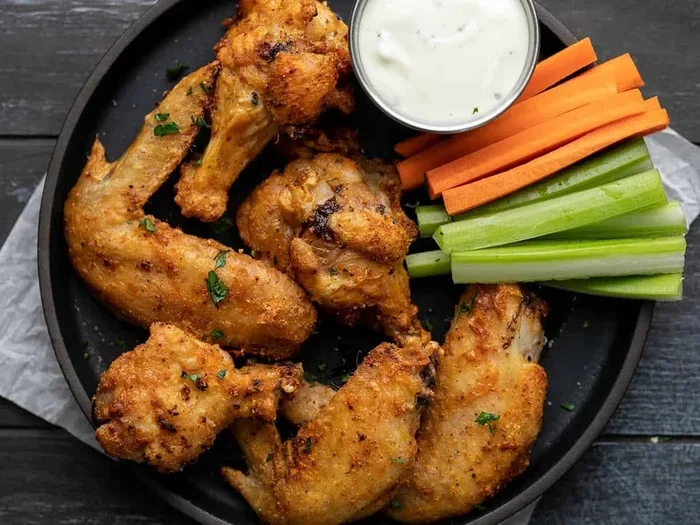
Line your basket with a silicone liner. Place wings on top in a single layer. Cook at 400 degrees Fahrenheit for 25 to 30 minutes. The liner catches all the drippings and makes cleanup effortless. Your wings come out crispy and delicious.
### Roasted Vegetables
Toss vegetables with a little oil and seasoning. Spread them on the liner. Roast at 380 degrees Fahrenheit for 12 to 15 minutes. The liner prevents small pieces from falling through the basket holes.
### Baked Potato
A whole potato cooks beautifully on a silicone liner. Poke a few holes in the potato, rub it with oil and salt, and air fry at 400 degrees Fahrenheit for 45 to 50 minutes. For more details on this classic recipe, check out our guide on how to cook a baked potato in the air fryer.
### Reheating Leftovers
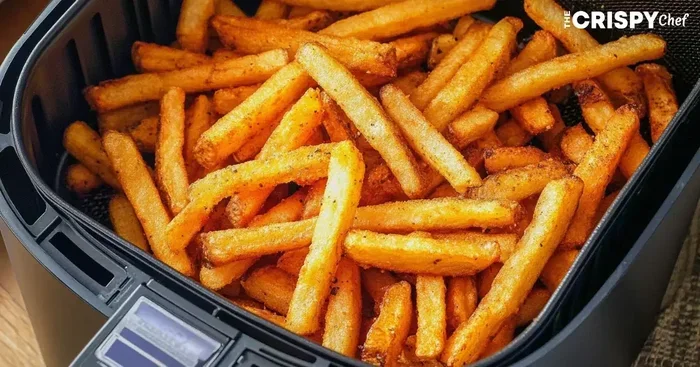
Pizza, fries, and chicken all reheat wonderfully on a silicone liner. The liner prevents cheese and grease from making a mess. Your leftovers come out crispy instead of soggy.
## Common Mistakes to Avoid
Even with a silicone liner, there are a few pitfalls to watch out for.
– Overlapping the liner edges. This blocks airflow and leads to uneven cooking.
– Using a liner that is too small. A loose liner can shift during cooking and cause spills.
– Preheating an empty liner. This can cause the liner to warp or discolor.
– Using sharp knives or utensils on the liner. This can scratch and damage the surface.
– Ignoring the maximum temperature rating. Exceeding the heat limit can damage the liner and release harmful fumes.
Avoiding these simple mistakes will help your liner last longer and perform better.
## Expert Insights
Professional chefs and cooking experts agree that silicone liners are one of the best air fryer accessories available. They appreciate the ease of cleanup and the consistent results. Many chefs recommend using a liner for any food that tends to stick or leave grease behind.
The key is to invest in a quality liner from a reputable brand. Look for FDA-approved, food-grade silicone. A good liner will serve you well for years and make your air fryer experience much more enjoyable.
## Final Thoughts
An air fryer silicone liner is one of the simplest upgrades you can make to your kitchen routine. It saves time, reduces cleanup, and delivers better cooking results. Whether you are a busy parent, a meal prep enthusiast, or someone who loves crispy food without the mess, a silicone liner is a must-have tool.
The liner is reusable, affordable, and safe for nearly all air fryer models. It works with greasy foods, roasted vegetables, baked potatoes, and so much more. With proper care, one liner can replace hundreds of disposable parchment sheets.
If you are ready to make your air fryer experience easier, grab a silicone liner today. Your kitchen and your taste buds will thank you.
Key Takeaways
- Saves Time on Cleanup: A silicone liner catches grease and crumbs so you spend less time scrubbing your air fryer.
- Reusable and Eco-Friendly: Unlike parchment paper, a silicone liner lasts for hundreds of uses, cutting down on waste.
- Heat Resistant and Safe: Most quality liners handle high temperatures, making them safe for air frying, baking, and roasting.
- Improves Food Release: Food slides right off the liner, giving you evenly cooked and crispy results every time.
- Affordable Long-Term Investment: One liner replaces dozens of disposable liners, saving you money over time.
- Fits Most Air Fryer Models: Cut-to-size liners work with many brands and basket sizes.
Frequently Asked Questions
Can silicone go in the air fryer?
Yes, food-grade silicone is safe to use in air fryers. Most silicone liners can withstand temperatures up to 450 degrees Fahrenheit. Always check the manufacturer’s temperature rating before use.
How do I know if a silicone liner fits my air fryer?
Measure the inside dimensions of your air fryer basket or tray. Compare these measurements to the liner size before purchasing. Many liners are also cuttable, giving you extra flexibility.
Can I use a silicone liner for baking in the air fryer?
Absolutely. Silicone liners work great for baking cookies, muffins, and small cakes in an air fryer. They promote even airflow and prevent sticking. For best results, use a liner with perforations.
How do I clean a silicone liner?
Rinse the liner with warm soapy water after each use. For stubborn stains, soak it in warm soapy water for 15 to 20 minutes. Avoid abrasive scrubbers. Air dry completely before storing.
Is a silicone liner better than parchment paper?
Yes, for most users. A silicone liner is reusable, eco-friendly, and lasts for years. Parchment paper is disposable and needs to be replaced after every use. Over time, a silicone liner saves money and reduces waste.
Can I cut a silicone liner to fit my air fryer?
Yes, many silicone liners are designed to be cuttable. Use clean kitchen scissors to trim the liner to match your basket size. Just make sure the liner fits snugly and does not overlap the basket edges.