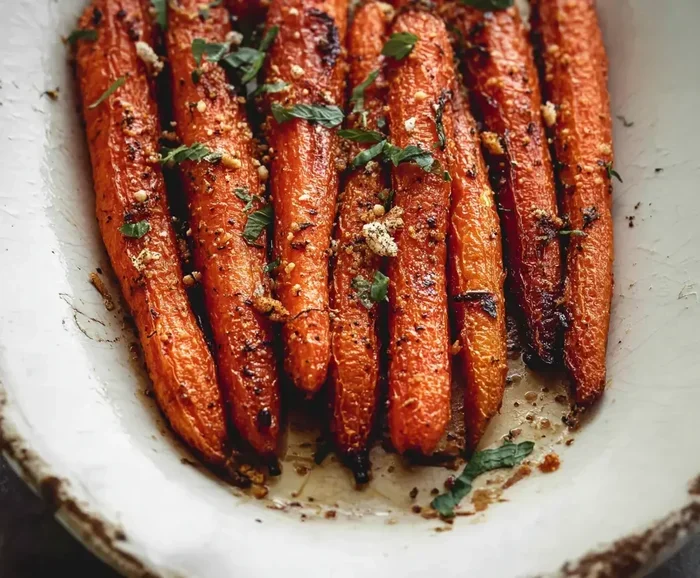
How Long To Roast Carrots In Oven At 350 Perfection
Roasting carrots at 350°F is the easiest way to get sweet, caramelized, and perfectly tender carrots every single time. Most whole or cut carrots take between 25 and 45 minutes depending on size and cut. This guide covers exact times, temperatures, and pro tips so your roasted carrots turn out flawless.
There are few things in the kitchen that feel as rewarding as pulling a tray of roasted carrots out of the oven. The edges are golden brown, the centers are soft, and the whole kitchen smells amazing. If you have been wondering how long to roast carrots in oven at 350, you are in the right place.
This guide covers everything you need to know. We will talk about exact times, temperatures, prep tips, and flavor ideas. Whether you are cooking baby carrots or whole large carrots, this article has you covered. By the end, you will feel confident enough to roast carrots like a pro.
Roasting carrots at 350 degrees Fahrenheit is one of the most popular methods for home cooks. It works beautifully because the lower heat allows the natural sugars in carrots to slowly caramelize. This creates a depth of flavor that boiling or steaming simply cannot match. Let us dive into all the details.
Key Takeaways
- Standard Roast Time: Carrots roast at 350°F in about 25 to 45 minutes depending on size and cut.
- Cut Size Matters: Thicker pieces need more time, while thin slices roast faster and more evenly.
- Don’t Crowd the Pan: Spread carrots in a single layer for even browning and proper caramelization.
- Check for Doneness: A fork should slide in easily when carrots are fully roasted and tender.
- Season Simply: Olive oil, salt, pepper, and honey create classic flavor without extra effort.
- Rest Before Serving: Letting carrots cool for a few minutes enhances flavor and texture.
📑 Table of Contents
- Why 350°F Is the Ideal Oven Temperature for Carrots
- How Long to Roast Carrots in Oven at 350°F
- Step-by-Step Guide to Roasting Carrots at 350°F
- Tips for Perfectly Caramelized and Crispy Roasted Carrots
- Common Mistakes People Make When Roasting Carrots
- Delicious Seasoning Ideas for Roasted Carrots
- Frequently Asked Questions
- Conclusion
Why 350°F Is the Ideal Oven Temperature for Carrots
Temperature plays a huge role in how your oven roasted carrots turn out. Too hot and the outside burns before the inside cooks. Too low and you end up with soft, pale carrots that lack flavor. 350°F hits the sweet spot perfectly.
The Science Behind Roasting at 350°F
When you cook carrots at 350 degrees, the heat slowly breaks down the natural sugars inside the vegetable. This process is called caramelization. It is what gives roasted carrots their deep golden color and rich, sweet flavor.
At higher temperatures like 400°F or 425°F, the outside of the carrot can burn quickly. The inside may still be hard and undercooked. At 350°F, the heat penetrates more evenly. This means every carrot piece cooks at a similar rate.
Another benefit of this moderate oven temperature is that it gives you more control. You are less likely to overcook your carrots. You have a bigger window between perfectly done and overdone. This makes 350°F a forgiving temperature for beginners and experts alike.
How 350°F Compares to Other Temperatures
Let us look at how 350°F stacks up against other common roasting temperatures:
- 300°F: Slower cook, very gentle caramelization. Best for large whole carrots.
- 350°F: Balanced cook time and flavor. The most versatile option.
- 400°F: Faster roast, crispier edges. Great for thin carrot coins.
- 425°F: Quickest roast. Risk of burning if you leave them too long.
For most home cooks, 350°F is the go-to choice. It delivers consistent results with minimal stress. You can walk away from the oven and trust the process.
How Long to Roast Carrots in Oven at 350°F
The roast time for carrots at 350°F depends on several factors. The size of your carrots, how you cut them, and whether they are fresh or frozen all matter. Here is a detailed breakdown.
Whole Carrots
Roasting whole carrots at 350°F takes the longest. Large whole carrots can take anywhere from 35 to 45 minutes. Smaller whole carrots may be done in 25 to 30 minutes.
The key is to check them with a fork. The fork should slide in with very little resistance. If it meets hard resistance in the center, give them a few more minutes. Whole carrots roast more evenly when you trim the ends and peel them first.
Baby Carrots
Baby carrots roast much faster than whole large ones. At 350°F, expect baby carrots to be done in about 20 to 25 minutes. Their small size means heat reaches the center quickly.
One tip: do not use frozen baby carrots without thawing them first. Frozen carrots release extra moisture, which can steam them instead of roasting them. Pat them dry before tossing with oil and seasoning.
Carrot Coins and Thick Slices
If you cut your carrots into coins or thick slices about half an inch thick, the roast time drops to around 20 to 30 minutes. Thinner slices may only need 15 to 20 minutes.
Cutting carrots into uniform sizes is one of the best ways to ensure even cooking. When pieces are different sizes, smaller ones will finish before larger ones. Try to keep your cuts as consistent as possible.
Carrot Sticks and Batons
Cutting carrots into sticks or batons is great for a more elegant presentation. These pieces typically roast in 25 to 35 minutes at 350°F. The roasting time is similar to thick slices because the thickness is comparable.
Sticks also look beautiful on a serving platter. They are perfect for holiday dinners or family gatherings. Their shape allows for more surface area to get crispy and golden.
Step-by-Step Guide to Roasting Carrots at 350°F
Now that you know the times, let us walk through the actual process. Following these steps will give you perfectly roasted carrots every time.
Step 1: Preheat Your Oven
Start by preheating your oven to 350°F. Give it at least 10 to 15 minutes to reach the right temperature. A properly preheated oven is essential for even cooking.
Do not skip this step. Putting carrots into a cold oven throws off your timing and leads to uneven results. Use an oven thermometer if you are unsure whether your oven runs accurately.
Step 2: Prep the Carrots
Wash your carrots thoroughly. If you are using large whole carrots, peel them with a vegetable peeler. Trim off both ends. For baby carrots, just give them a quick rinse and pat them dry.
Cutting carrots into even pieces is crucial. Use a sharp knife and a stable cutting board. Uneven pieces mean some will be overcooked and others undercooked. Take your time with this step.
Step 3: Season Generously
Place your prepared carrots in a large bowl. Add olive oil, salt, and pepper. Toss until every piece is evenly coated.
Here is a quick seasoning guide for one pound of carrots:
- 1 to 2 tablespoons of olive oil
- Half a teaspoon of salt
- Quarter teaspoon of black pepper
- Optional: a pinch of garlic powder or paprika
The oil helps conduct heat evenly and promotes browning. Do not be shy with your seasoning. Carrots need enough salt to bring out their natural sweetness.
Step 4: Arrange on a Sheet Pan
Spread the seasoned carrots in a single layer on a sheet pan or baking sheet. Use parchment paper or a silicone mat for easy cleanup.
This is where many people make a mistake. Overcrowding the pan causes carrots to steam instead of roast. They will turn mushy rather than crispy. If you need more space, use two pans instead of one.
Step 5: Roast and Check
Place the pan in the oven on the middle rack. Set a timer based on the guide above. At the halfway point, open the oven and give the pan a gentle shake or flip the carrots with a spatula.
This simple step ensures all sides brown evenly. It is a small effort that makes a big difference. Your roasted carrots will have a more uniform golden color.
Step 6: Test for Doneness
Poke a carrot with a fork. It should go in smoothly with no resistance. The outside should be golden brown and slightly crispy. The inside should be tender but not mushy.
If the carrots are not done yet, give them another 5 to 10 minutes. Check again. Remember that carrots continue to soften slightly as they cool. Pull them off the oven when they are just slightly below your ideal tenderness.
Step 7: Rest and Serve
Let the carrots sit for 3 to 5 minutes after pulling them from the oven. This brief rest allows the flavors to settle and the texture to firm up slightly.
Serve them warm as a side dish or let them cool for salads and meal prep. Roasted carrots taste great at room temperature too, making them perfect for packed lunches and potlucks.
Tips for Perfectly Caramelized and Crispy Roasted Carrots
Getting that beautiful golden-brown finish on your carrots takes a little know-how. Here are some tried-and-true tips that make a real difference.
Use Enough Oil
One of the most common reasons carrots come out dry is not enough oil. Oil coats each piece and helps heat transfer evenly. It also promotes the Maillard reaction, which is responsible for that delicious golden-brown color.
For every pound of carrots, use at least one tablespoon of olive oil. You can always use a little more if your carrots look dry in the bowl before they go on the pan.
High Sugar Content Means Better Caramelization
Carrots are naturally high in sugars. This is actually a great thing when you are roasting. The sugars caramelize in the oven, creating complex sweet and savory flavors.
Some varieties of carrots are sweeter than others. Heirloom and purple carrots tend to be very sweet and caramelize beautifully. Standard orange carrots work great too, especially when you add a touch of honey or maple syrup.
Do Not Skip the Parchment Paper
Lining your baking sheet with parchment paper or a silicone baking mat prevents sticking. It also promotes airflow underneath the carrots, which helps them crisp up on all sides.
Without parchment paper, carrots can stick and tear when you try to flip them. This ruins their shape and can lead to uneven cooking. It is a small step that saves a lot of frustration.
Flip Halfway Through
We mentioned this earlier, but it deserves its own spotlight. Flipping or shaking the pan halfway through the roast time is a game-changer.
This one simple action ensures both sides of each carrot piece get direct exposure to the heat. Without flipping, the bottom side can over-brown while the top side stays pale. A spatula or tongs makes this easy.
Add Aromatics for Extra Flavor
Toss a few garlic cloves, fresh thyme sprigs, or rosemary into the pan with your carrots. The heat will infuse the carrots with subtle, beautiful flavors.
Just be careful not to add too many aromatics. A few sprigs or cloves are enough for one sheet pan. Too many can burn and turn bitter at 350°F.
Common Mistakes People Make When Roasting Carrots
Even experienced cooks can trip up when roasting carrots. Here are the most common mistakes and how to avoid them.
Overcrowding the Pan
This is the number one mistake. When carrots are packed tightly together, they steam instead of roast. You end up with pale, soft carrots instead of golden, caramelized ones.
Always give each carrot piece space. If your pan is full, use a second pan or roast in two batches. The extra effort is absolutely worth it.
Not Drying the Carrots
Moisture is the enemy of roasting. If your carrots are wet when they hit the pan, they will steam rather than brown. Always pat your carrots dry with a clean towel before seasoning and roasting.
This is especially important with baby carrots, which often come packaged in moisture-rich bags. A quick rinse and thorough drying makes a noticeable difference.
Using the Wrong Pan
Thick, heavy sheet pans work best for roasting. Thin, flimsy pans can cause uneven cooking and hot spots. If your pan warps in the oven, it is time to replace it.
A rimmed baking sheet is the standard choice. The rim keeps oil and carrot pieces from dripping onto your oven floor. It also makes it easier to move the pan in and out of the oven.
Seasoning Too Late
Salt draws moisture out of vegetables. If you salt your carrots too early and let them sit, they can become soggy. Season them right before they go into the oven.
The exception is if you are tossing them with oil and seasoning in a bowl first. That is actually the best approach because the oil helps the salt distribute evenly without creating excess moisture.
Opening the Oven Door Too Often
Every time you open the oven door, you lose heat. This can extend your cooking time and lead to uneven results.
Resist the urge to check too frequently. Use the oven light to peek inside. Only open the door when it is time to flip the carrots or check for doneness. Trust the process and let the oven do its job.
Delicious Seasoning Ideas for Roasted Carrots
One of the best things about roasted carrots is how versatile they are. You can change the flavor profile simply by switching up your seasonings. Here are some delicious combinations to try.
Classic Honey Butter
Toss your carrots with olive oil, salt, pepper, and a drizzle of honey. In the last 5 minutes of roasting, add a small knob of butter that melts over the hot carrots. The result is rich, sweet, and irresistible.
Mediterranean Style
Use olive oil, dried oregano, garlic powder, and a squeeze of lemon juice after roasting. Add a sprinkle of feta cheese for extra tang. This combination pairs beautifully with grilled chicken or fish.
Spicy Roasted Carrots
For those who like a kick, try cumin, smoked paprika, chili powder, and a pinch of cayenne pepper. The heat balances the natural sweetness of the carrots perfectly.
Herb Garden Fresh
Fresh rosemary, thyme, and parsley make roasted carrots taste restaurant-quality. Add the fresh herbs during the last 10 minutes of roasting so they do not burn.
Maple Cinnamon
For a fall-inspired side dish, combine maple syrup, a pinch of cinnamon, and a little nutmeg. This is a crowd-pleaser at holiday dinners and family gatherings.
Frequently Asked Questions
Can I roast carrots at 350°F from frozen?
Yes, you can roast frozen carrots at 350°F, but you will need to increase the cook time by about 10 minutes. Make sure to thaw and pat them dry first. Excess moisture on frozen carrots can lead to steaming instead of roasting, which affects the texture and color.
How do I know when roasted carrots are done?
The best way to check is to poke a carrot piece with a fork. It should slide in smoothly with no resistance. The carrots should also look golden brown on the edges and feel tender when you press them gently with tongs.
Can I roast carrots with the skin on?
Absolutely. Leaving the skin on adds extra fiber and nutrients. Just make sure to wash them thoroughly and scrub off any dirt. The skin will soften during roasting and becomes perfectly edible. Some people actually prefer the texture and flavor of roasted carrots with the skin on.
What is the best way to store leftover roasted carrots?
Let the carrots cool completely, then store them in an airtight container in the refrigerator. They will keep for up to 4 days. Reheat them in the oven at 350°F for about 5 to 8 minutes to maintain their texture. Microwaving can make them soggy, so the oven is always the better choice for reheating.
Can I add other vegetables to roast with the carrots?
Yes, carrots pair wonderfully with many other vegetables. Try adding parsnips, sweet potatoes, beets, or onions to the same pan. Just make sure to cut everything into similar-sized pieces so they cook at the same rate. Adjust your seasonings to complement all the vegetables you are roasting together.
Why are my roasted carrots soft and mushy instead of crispy?
Mushy carrots usually result from overcrowding the pan or not using enough oil. When carrots are too close together, they steam instead of roast. Also, make sure your oven is fully preheated before the carrots go in. A properly heated oven at 350°F ensures the outside caramelizes while the inside stays tender, not mushy.
Conclusion
Roasting carrots in the oven at 350°F is one of the simplest and most satisfying ways to prepare this nutritious vegetable. With the right time, temperature, and a few basic tips, you can create perfectly caramelized carrots that rival any restaurant dish.
Remember that most carrots will be done in 20 to 45 minutes at 350°F depending on their size and how you cut them. Whole carrots take longer, while baby carrots and thin slices cook quickly. Always check for doneness with a fork and pull them when they are just tender.
Avoid common mistakes like overcrowding the pan, skipping the dry step, and opening the oven too often. Use the seasoning ideas in this guide to keep your roasted carrot recipes fresh and exciting every time you make them.
Now that you know exactly how long to roast carrots in oven at 350, it is time to put this knowledge to work. Preheat your oven, grab a sheet pan, and enjoy the wonderful process of transforming simple carrots into a side dish everyone will love. Happy roasting!