Why Is My Oven So Smokey And How To Fix The Problem
Your oven gets smokey because of grease buildup, food spills, or a clogged vent. The good news is that most causes are easy to fix at home with simple cleaning and maintenance. This guide walks you through every reason your oven might smoke and gives you clear, actionable steps to stop it for good.
Have you ever opened your oven and been hit with a wave of smoke that makes your eyes water and your throat burn? It is a frustrating and even a little scary experience. A smokey oven is more than just an annoyance. It can set off your smoke alarm, leave a stubborn smell in your kitchen, and even become a fire risk if you ignore it.
The truth is that most oven smoke problems come from simple, fixable causes. Grease buildup, food spills, and old oven parts are usually to blame. The key is figuring out what is causing the smoke in your specific oven so you can take the right steps to fix it. This article breaks down every common reason your oven might be smoking and gives you clear, practical fixes you can use today.
Whether you have a gas oven or an electric one, a brand-new model or an older unit, the information here will help you understand what is going on and how to make it better. Let us dive in and get your kitchen smoke-free again.
Key Takeaways
- Grease and food residue are the #1 cause of a smokey oven and can be fixed with regular cleaning.
- Overheating or wrong temperature settings can cause smoke, especially in older ovens.
- A damaged oven element or gasket may need professional repair or replacement.
- Using the wrong cookware or overfilling the oven leads to excess smoke.
- Self-cleaning ovens can smoke during the cycle but may need extra care afterward.
- Preventive maintenance like wiping spills right away keeps smoke problems away.
📑 Table of Contents
- Why Is My Oven So Smokey? The Most Common Causes
- How To Fix a Smokey Oven Step by Step
- Preventing Smoke in Your Oven Going Forward
- When Smoke Means Something Serious
- Oven Smoke and Your Kitchen Air Quality
- Comparison: Gas Oven vs Electric Oven Smoke Issues
- Quick Tips to Keep Your Oven Smoke-Free
- Common Mistakes That Cause Oven Smoke
- Expert Insight: What Professional Chefs Do to Avoid Oven Smoke
- Key Takeaways
- Conclusion
Why Is My Oven So Smokey? The Most Common Causes
A smokey oven almost always has a specific reason behind it. Understanding the cause is the first step toward a fix. Here are the most common reasons your oven produces smoke.
Grease and Food Residue Buildup
This is the number one reason ovens smoke. Over time, grease from cooking splatters builds up on the oven walls, floor, and racks. When you turn the oven on, that old grease heats up and starts to smoke. Even a thin layer of residue can produce a surprising amount of smoke.
Food particles that spill and get baked on make the problem worse. A forgotten pizza slice or a bubbling casserole that overflowed can turn into a burnt, smoky mess the next time you use the oven. This is especially true if you use your oven frequently without giving it a deep clean.
Overheating or Wrong Temperature Settings
When your oven runs too hot, it can burn food and grease faster than normal. This creates smoke quickly. Some ovens have a thermostat that is not calibrated correctly, meaning the actual temperature inside is much higher than what the dial shows.
If you set your oven to 400 degrees but it is actually running at 450 or higher, you are asking for smoke and burnt food. This is a common issue with older ovens that have not been serviced in a while.
Faulty or Damaged Oven Element
In electric ovens, the heating element can wear out over time. When an element starts to fail, it may glow unevenly or spark. A damaged element can produce smoke and even a burning smell. In gas ovens, a faulty igniter can cause uneven flames that lead to smoke.
You might notice that one side of the oven is hotter than the other, or that the element glows bright orange in spots and dark in others. These are signs that your oven element needs attention.
Clogged or Blocked Oven Vent
Every oven has a vent that helps circulate heat and let out steam and smoke. When this vent gets blocked by grease, food debris, or even a misplaced oven liner, smoke has nowhere to go. It builds up inside the oven and spills out when you open the door.
Check the back wall of your oven and the floor near the bottom. If you see grease clogging the vent slots, that is likely contributing to your smoke problem.
Using the Wrong Cookware or Overfilling
Not all pans are oven-safe. Pans with plastic handles, non-stick coatings not rated for high heat, or covers left on can all create smoke. Also, if you put too much food in the oven at once, the grease and juices overflow and smoke when they hit the heating elements or the oven floor.
This is a simple mistake but one of the most common reasons for a smokey oven, especially during holiday cooking or big meal prep.
How To Fix a Smokey Oven Step by Step
Now that you know the causes, let us get into the fixes. Most of these are things you can do right at home without calling a technician.
Deep Clean Your Oven Thoroughly
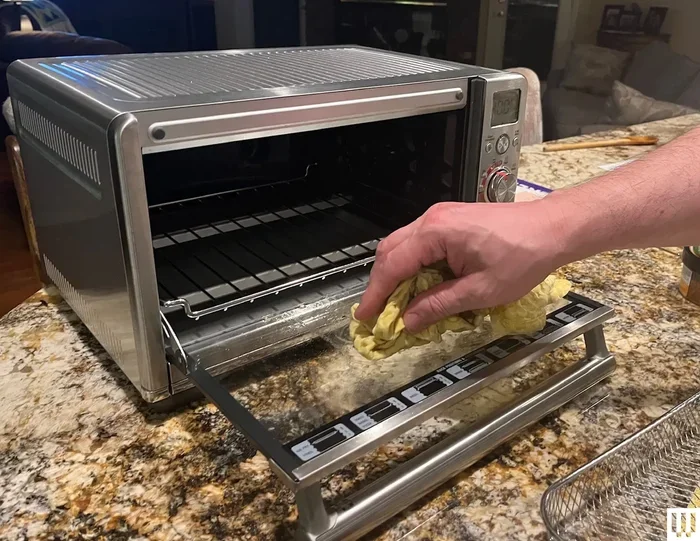
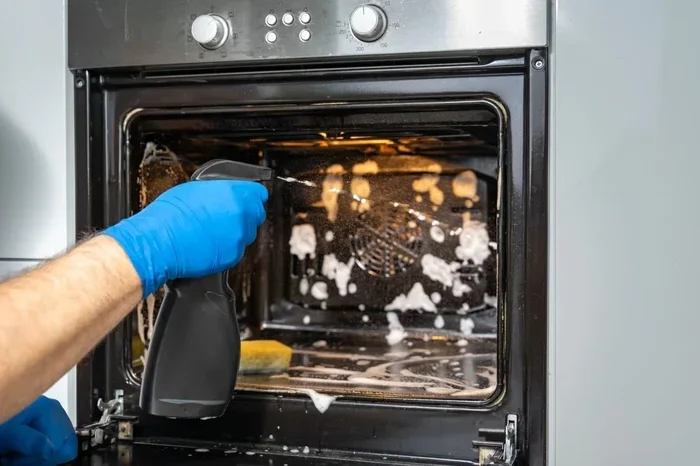
A deep clean is the first and most important step. Here is how to do it safely and effectively:
- Remove the oven racks, trays, and any removable parts.
- Make a paste of baking soda and water. Spread it on the inside walls of the oven, avoiding the heating elements.
- Let it sit for 12 to 24 hours. This gives the paste time to break down the grease and grime.
- Wipe it all out with a damp cloth. Use a spatula to scrape off any stubborn, baked-on spots.
- Spray a vinegar solution (equal parts water and white vinegar) to neutralize any remaining odor.
- Clean the racks and trays separately in hot, soapy water or soak them in the bathtub.
- Wipe down the oven door inside and out, including the edges and seals.
For tough grease, you can use a commercial oven cleaner. Just make sure you follow the instructions and ventilate your kitchen well. A clean oven is a smoke-free oven.
Check and Replace the Oven Element
If you have an electric oven and the heating element looks damaged, it is time for a replacement. A new element is not expensive and usually easy to swap out. Here is what to do:
- Turn off the power to the oven at the circuit breaker.
- Remove the screws holding the old element in place.
- Disconnect the wires carefully and note where they go.
- Connect the new element and secure it with screws.
- Restore power and test the oven at a low temperature first.
If you are not comfortable doing this yourself, a qualified appliance repair tech can handle it quickly and affordably.
Clear the Oven Vent
Find the vent opening, usually at the back wall or near the bottom of the oven. Use a damp cloth or a soft brush to remove any grease or debris blocking it. For stubborn buildup, a toothpick or a small brush works well to get into tight spaces.
Also check the area under the oven if it is a built-in model. Grease can collect in the drawer below and contribute to smoke when the oven is hot.
Use the Right Cookware and Avoid Overfilling
Always use pans that are safe for oven use. Check the bottom of the pan for an oven-safe symbol. Remove plastic handles or use pans that are designed for high-heat cooking.
Do not fill your baking dish more than two-thirds full. This gives liquids room to bubble without overflowing and creating a smoky mess. If you are roasting something greasy, place a drip tray underneath to catch the excess fat.
Preventing Smoke in Your Oven Going Forward
Fixing the problem is great, but preventing it from happening again is even better. A few simple habits can keep your oven clean and smoke-free.
Clean Up Spills Right Away
The best time to clean a spill is as soon as it happens. Wait until the oven cools down, then wipe it out with a damp cloth. Do not let spills sit and bake on. This one habit alone can prevent most smoke issues.
Use an Oven Liner
An oven liner is a simple sheet that sits on the bottom of the oven. It catches drips and spills before they can burn onto the oven floor. Oven liners are easy to remove and wash. They are a small investment that pays off big time in keeping your oven clean.
Run the Self-Cleaning Cycle Carefully
If your oven has a self-cleaning feature, use it regularly. But be aware that this cycle can produce a lot of smoke and even a burning smell at first. Here are some tips:
- Remove all food and racks before starting the cycle.
- Open a window and turn on your range hood to vent the smoke.
- Stay nearby and be ready to stop the cycle if smoke becomes excessive.
- Wipe out the ash after the cycle finishes with a damp cloth.
Schedule Regular Oven Maintenance
Just like your car needs a tune-up, your oven benefits from regular checkups. Once a year, inspect the heating elements, the door seal, and the vents. A professional technician can spot small problems before they turn into big smoke issues.
When Smoke Means Something Serious
Most smoke problems are harmless and easy to fix. But some situations call for professional help. Here is when you should stop using the oven and call a repair service:
- Smoke comes from the oven even after a thorough cleaning. This could mean an electrical problem or a failing component.
- You see sparks or hear popping sounds coming from inside the oven.
- The door seal is damaged or gaps are visible. A broken seal lets heat escape and can cause uneven cooking and smoke.
- The oven smells like burning plastic or electrical insulation. This is a serious warning sign and should never be ignored.
- Smoke or a fire starts and you cannot extinguish it quickly. Get out of the kitchen, close the oven door, and call emergency services.
Your safety always comes first. Do not take chances with smoke that does not go away or smells strange.
Oven Smoke and Your Kitchen Air Quality
Smoke in the oven does not just stay inside the oven. It spreads throughout your kitchen and can settle into your walls, cabinets, and curtains. Over time, this affects your indoor air quality and can cause lingering odors.
Here are a few tips to protect your kitchen air:
- Turn on your range hood every time you cook at high temperatures.
- Open a window to let fresh air in while the oven is running.
- Use an air purifier with a HEPA filter to catch smoke particles.
- Wipe down kitchen surfaces after cooking to remove grease and smoke residue.
Taking care of your kitchen air quality is just as important as fixing the oven itself. A clean oven and a well-ventilated kitchen go hand in hand.
Comparison: Gas Oven vs Electric Oven Smoke Issues
Different oven types have different smoke tendencies. Here is a quick comparison to help you understand where your oven stands.
| Issue | Gas Oven | Electric Oven |
|---|---|---|
| Grease smoke | Common, especially with dirty burners | Common, especially on the oven floor |
| Element problems | N/A (uses burner flames) | Failing elements cause smoke and sparks |
| Ignition issues | Faulty igniter can cause smoky flames | N/A |
| Self-cleaning smoke | Not typically available | Common during self-clean cycle |
| Vent blockage | Can happen near burner area | Usually at back wall or bottom |
| Burning smell | Gas smell mixed with smoke | Burning insulation or grease smell |
Both types of ovens can smoke, but the causes and fixes differ. Knowing which type you have helps you narrow down the problem faster.
Quick Tips to Keep Your Oven Smoke-Free
- Wipe the oven interior once a month with a mild cleaner.
- Place a baking sheet on the lower rack when cooking greasy foods.
- Never use aluminum foil to line the oven floor, as it can block vents and touch heating elements.
- Check the door seal regularly for cracks or gaps.
- Use the correct temperature for each recipe and avoid maxing out the heat unnecessarily.
- Remove oven racks when doing a self-clean cycle.
- Replace old oven parts as soon as you notice wear and tear.
Common Mistakes That Cause Oven Smoke
Some habits we all fall into can make our ovens smoke more than they should. Here are the mistakes to avoid:
Ignoring small spills. A tiny splash of grease today becomes a smoky mess next week. Clean it up immediately.
Using oven cleaner too often. Harsh chemical cleaners can damage oven surfaces over time. Stick to gentle methods like baking soda paste for regular cleaning.
Overcrowding the oven. Packing too many dishes in at once blocks airflow and causes grease to pool and smoke.
Skipping the oven liner. An oven liner is one of the simplest tools for preventing smoke. It saves you from a lot of scrubbing later.
Not reading the manual. Your oven manual has specific care instructions. Taking a few minutes to read it can save you from common mistakes.
Expert Insight: What Professional Chefs Do to Avoid Oven Smoke
Professional chefs know that a clean oven is a non-negotiable part of great cooking. They follow a few key practices that keep smoke at bay:
- They pre-clean the oven before every big cooking session.
- They use drip pans for anything greasy or fatty.
- They never let food burn. If something is smoking in the oven, they pull it out immediately.
- They maintain their equipment on a strict schedule, replacing worn parts before they cause problems.
You do not need to be a professional chef to adopt these habits. They work just as well in a home kitchen and will dramatically cut down on oven smoke.
Key Takeaways
- Grease and food residue are the #1 cause of a smokey oven and can be fixed with regular cleaning.
- Overheating or wrong temperature settings can cause smoke, especially in older ovens.
- A damaged oven element or gasket may need professional repair or replacement.
- Using the wrong cookware or overfilling the oven leads to excess smoke.
- Self-cleaning ovens can smoke during the cycle but may need extra care afterward.
- Preventive maintenance like wiping spills right away keeps smoke problems away.
Conclusion
A smokey oven is almost always a fixable problem. Whether the cause is grease buildup, a damaged element, or simple cooking mistakes, you now have the knowledge and the steps to solve it. The most important thing you can do is stay on top of regular cleaning and maintenance. A clean oven runs better, smells better, and keeps your kitchen safe.
Start with the deep clean method shared in this article. Check your vents, your elements, and your cookware habits. Make a few small changes to your routine and you will notice a big difference. Your oven will run cleaner, your food will taste better, and your kitchen will stay smoke-free. Take action today and enjoy a fresher, safer cooking experience every time you turn on the oven.
Why Is My Oven So Smokey When I First Turn It On?
This usually happens because of dust, grease, or residue burning off the oven walls for the first time after a long period of not using it. A quick wipe-down of the interior should solve this. If the smoke persists beyond a few minutes, check for food spills or a clogged vent.
Is It Normal for a New Oven to Smoke?
Yes, it is fairly normal. New ovens often have manufacturing residue, oils, or protective coatings that burn off during the first few uses. Run the oven empty at a moderate temperature for 30 minutes to burn off these residues. Ventilate your kitchen well during this process.
Can a Smoky Oven Be a Fire Hazard?
Yes, if the smoke is caused by heavy grease buildup or a failing electrical part, it can become a fire risk. Always clean your oven regularly and never ignore persistent smoke or burning smells. If you see flames, turn off the oven and call for help immediately.
How Often Should I Clean My Oven to Prevent Smoke?
A light wipe-down once a month is a great habit. A deep clean every three to six months is ideal for most home cooks. If you use your oven daily or cook a lot of greasy food, you may need to clean it more often.
Does an Oven Liner Really Help Prevent Smoke?
Yes, an oven liner is one of the simplest and most effective tools for smoke prevention. It catches drips and spills before they can burn onto the oven floor. Just make sure the liner does not block any vents or touch the heating elements.
When Should I Call a Professional for a Smoky Oven?
Call a professional if the smoke does not stop after cleaning, if you see sparks or hear popping sounds, or if you smell burning plastic. These are signs of a serious problem that needs expert attention. Do not try to fix electrical issues on your own.
Frequently Asked Questions
What is Why Is My Oven So Smokey?
Why Is My Oven So Smokey is an important topic with many practical applications.