How To Warm Lasagna In The Oven And Keep It Creamy
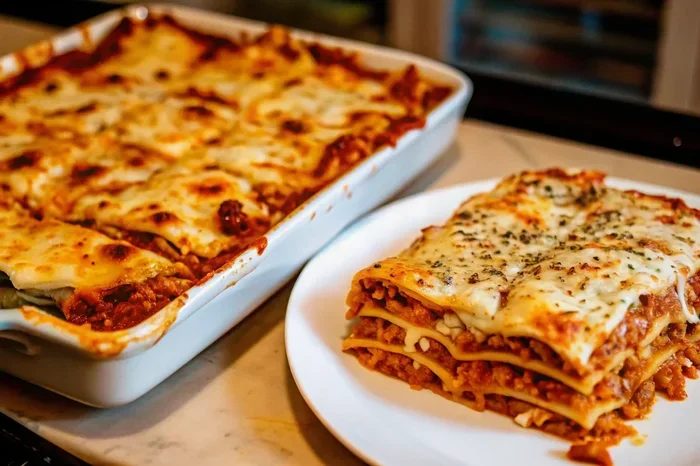
Warming lasagna in the oven is the best way to bring back its original creamy texture and rich flavor. Whether you are reheating leftover lasagna or preparing a freshly assembled dish, the oven delivers even heat that a microwave simply cannot match. This guide covers everything from preheating and temperature settings to keeping your cheese layer perfectly gooey. You will learn the exact steps, timing, and pro tips to avoid dry or burnt lasagna. Follow along and enjoy restaurant-quality results at home.
There is something magical about a warm, bubbly pan of lasagna. The layers of pasta, rich sauce, and melty cheese come together to create a dish that feels like a warm hug. But when you pull leftover lasagna out of the fridge, the challenge is real. You want to reheat it without turning it into a dry, rubbery mess. That is exactly why learning how to warm lasagna in the oven is such a valuable kitchen skill.
The oven method is simple, reliable, and produces results that no microwave ever could. Whether you are warming up a single portion or an entire pan, the right technique makes all the difference. In this guide, we will walk you through every step. You will discover the best temperature, timing, and tricks to keep your lasagna creamy and full of flavor. Let us dive in and make your leftover lasagna taste just as good as the first time.
Key Takeaways
- Use 350°F to 375°F: This temperature range warms lasagna evenly without drying it out or burning the cheese.
- Always cover with foil: Trapping moisture under foil keeps every layer creamy and prevents the top from turning crispy too fast.
- Let it rest after warming: Giving lasagna 10 to 15 minutes to settle helps the layers set and makes slicing much easier.
- Check the internal temperature: Aim for 165°F in the center to ensure your leftover lasagna is safe and fully heated through.
- Add a splash of sauce or milk: This simple trick restores moisture and keeps the cheese layer smooth and rich.
- Avoid the microwave when possible: The oven produces far better texture and flavor for reheated lasagna.
- Use an oven-safe dish: Glass or ceramic baking dishes distribute heat evenly and help maintain the creamy consistency you love.
📑 Table of Contents
- Why Warming Lasagna In The Oven Is The Best Method
- How To Prepare Your Lasagna For Oven Warming
- The Step-By-Step Process To Warm Lasagna In The Oven
- Tips To Keep Your Lasagna Creamy And Delicious
- Common Mistakes To Avoid When Reheating Lasagna
- How To Know When Your Lasagna Is Perfectly Warmed
- Comparison: Oven Vs Microwave For Warming Lasagna
- Expert Tips For Different Types Of Lasagna
- Frequently Asked Questions
- Conclusion
Why Warming Lasagna In The Oven Is The Best Method
You might be tempted to throw your lasagna in the microwave. It is fast and convenient. But if you care about texture and taste, the oven is the clear winner. Here is why learning how to warm lasagna in the oven should be your go-to approach every single time.
Even Heat Distribution
The oven surrounds your dish with gentle, consistent heat. This means every layer warms up at the same rate. The sauce gets hot, the cheese melts beautifully, and the pasta stays tender. A microwave, on the other hand, creates hot spots. You end up with scalding sauce in some spots and ice-cold pasta in others. That uneven heating is the number one reason microwaved lasagna feels disappointing.
Better Texture And Creaminess
One of the biggest advantages of using the oven is moisture retention. When you cover your lasagna with foil, the trapped steam keeps everything moist. The cheese stays creamy instead of turning tough or rubbery. The edges do not dry out. This is especially important for lasagna with béchamel or ricotta layers, which can turn grainy when overheated in a microwave.
Enhanced Flavor
Warming lasagna in the oven actually enhances the flavors. The gentle heat allows the spices and herbs to bloom again. The tomato sauce deepens in richness. The cheese develops a beautiful golden top when you remove the foil during the last few minutes. Every bite tastes fresh and satisfying, not just reheated.
How To Prepare Your Lasagna For Oven Warming
Before you turn on the oven, a little preparation goes a long way. Proper prep ensures your lasagna warms evenly and stays creamy from the first bite to the last.
Choose The Right Dish
Not every dish works well for reheating lasagna in the oven. You want an oven-safe baking dish made of glass or ceramic. These materials distribute heat evenly and resist cracking at high temperatures. Avoid metal pans that are too thin, as they can cause the bottom to burn. If your leftover lasagna is in a foil pan, that works great too. Just make sure it is sturdy enough to hold up in the oven.
Portion Control Matters
If you are warming just one or two slices, use a small oven-safe skillet or baking dish. Smaller portions warm faster and more evenly. If you are reheating an entire pan, make sure the lasagna is no more than about three inches deep. Deeper pans take longer to heat through, which increases the risk of drying out the edges while waiting for the center to warm up.
Bring It To Room Temperature
This is a step many people skip, but it makes a huge difference. Take your lasagna out of the fridge about 15 to 20 minutes before warming it in the oven. Allowing it to sit at room temperature helps it heat more evenly. The cold center does not resist the heat as much, which reduces overall warming time and keeps the texture consistent throughout.
The Step-By-Step Process To Warm Lasagna In The Oven
Now that your lasagna is prepped, it is time to actually warm it up. Follow these steps carefully for the best results every time you reheat leftover lasagna.
Step One: Preheat Your Oven
Set your oven to 350°F. This is the sweet spot for warming lasagna. It is hot enough to heat the dish through but gentle enough to avoid drying it out. Some people prefer 375°F for a slightly faster warm-up, but 350°F is the safest choice for creamy results. Let the oven reach the target temperature before placing the lasagna inside.
Step Two: Cover With Foil
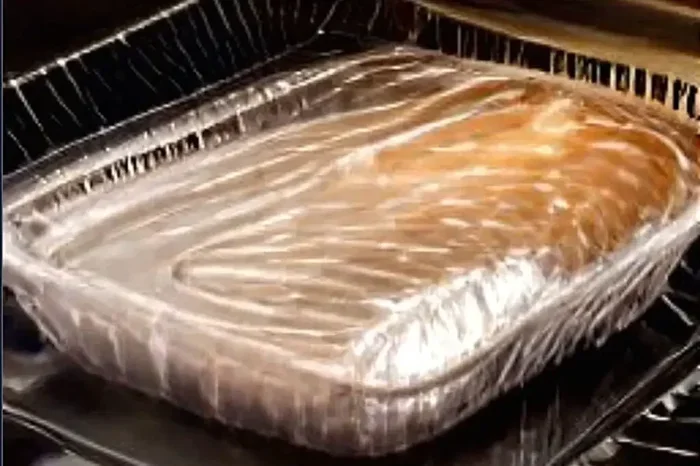
Cover the entire baking dish with aluminum foil. This is the single most important step for keeping your lasagna moist. The foil traps steam and creates a mini oven inside your dish. The moisture stays trapped, which prevents the top layer of cheese from drying out and the edges from becoming hard. Use a loose tent of foil rather than pressing it directly onto the cheese. This prevents the foil from sticking to the melted cheese.
Step Three: Place In The Oven
Put the covered dish on the middle oven rack. The middle position allows heat to circulate evenly around the pan. If you place it too high, the top will brown too quickly. Too low, and the bottom may overheat. A single layer of lasagna slices will take about 20 to 25 minutes. A full pan may need 30 to 40 minutes.
Step Four: Remove Foil And Finish
After the initial warming period, remove the foil. This is when you get that beautiful golden-brown top. Return the dish to the oven for an additional 5 to 10 minutes. Watch it closely during this stage. You want the cheese to bubble slightly and turn golden, not brown or burnt.
Step Five: Let It Rest
Once the lasagna is out of the oven, let it rest for 10 to 15 minutes before cutting. This resting period allows the layers to set. The sauce thickens slightly, and the cheese stabilizes. When you finally slice into it, the layers hold together beautifully instead of collapsing into a soupy mess.
Tips To Keep Your Lasagna Creamy And Delicious
Keeping lasagna creamy during reheating is an art. These practical tips will help you achieve that perfect, melt-in-your-mouth texture every time.
Add A Little Extra Sauce
If your leftover lasagna looks a bit dry, drizzle a small amount of marinara sauce or a splash of milk over the top before warming. This adds moisture back into the layers. Be careful not to overdo it. Just a light drizzle is enough to bring the creaminess back without making the dish soggy.
Use Butter For A Golden Top
Before you remove the foil, brush a thin layer of melted butter over the cheese. This creates a gorgeous golden finish and adds a subtle richness. It is a restaurant trick that works beautifully at home. The butter also helps the cheese melt smoothly instead of clumping up.
Don’t Skip The Resting Time
Patience is key when warming lasagna in the oven. The resting time after removing the dish from the oven is not optional. It allows the heat to distribute evenly through all the layers. The cheese sets, the sauce thickens, and the pasta firms up just enough to hold together when you serve it.
Store Leftover Lasagna Properly
How you store your lasagna affects how well it reheats. Let the lasagna cool completely before wrapping it tightly in plastic wrap and aluminum foil. Store it in the fridge within two hours of cooking. Proper storage prevents moisture loss and keeps the layers intact. Well-stored lasagna reheats much better than lasagna that was left out or wrapped loosely.
Revive Dry Lasagna With Broth
If your leftover lasagna has already dried out in the fridge, do not throw it away. Sprinkle a few tablespoons of chicken broth or vegetable broth over the top before warming. The broth seeps into the pasta and sauce layers, bringing moisture and flavor back. This trick works wonders for lasagna that has been in the fridge for several days.
Common Mistakes To Avoid When Reheating Lasagna
Even with the best intentions, it is easy to make mistakes when warming lasagna in the oven. Here are the most common errors and how to avoid them.
Using Too High A Temperature
Cranking the oven up to 400°F or higher might seem like a shortcut, but it is a recipe for disaster. High heat dries out the edges while the center stays cold. It can also cause the cheese to separate and turn greasy. Stick to 350°F for perfectly even warming every time.
Skipping The Foil
Some people skip the foil to save time or because they want a crispy top. But warming lasagna without foil almost always leads to a dry result. The moisture escapes, the sauce thickens too much, and the cheese turns tough. Always use foil for at least the first half of the warming process.
Cutting Into It Too Soon
We get it. The smell of warm lasagna is irresistible. But cutting into it right away causes the layers to fall apart. The sauce runs out, the cheese stretches in awkward ways, and the presentation suffers. Give it those 10 to 15 minutes of resting time. Your patience will be rewarded with clean, beautiful slices.
Reheating Lasagna Multiple Times
Every time you reheat lasagna, the quality decreases slightly. The pasta absorbs more moisture, the sauce breaks down, and the cheese loses its smooth texture. Try to only reheat what you plan to eat in one sitting. If you have a large leftover pan, consider portioning it out and only reheating individual servings.
Ignoring Food Safety
Food safety matters when reheating any leftover dish. Make sure your lasagna reaches an internal temperature of 165°F in the center. Use a food thermometer to check. If you are reheating from frozen, thaw the lasagna in the fridge overnight first. Never leave lasagna sitting out at room temperature for more than two hours, as bacteria can grow rapidly.
How To Know When Your Lasagna Is Perfectly Warmed
Knowing when your lasagna is ready takes a bit of practice, but there are clear signs to look for. Here is how to tell when your dish is perfectly warmed through.
First, check the edges. When you gently pull the foil back, the edges should be bubbling slightly. This tells you the heat has reached the outer layers. Next, look at the cheese. It should be melted, golden, and slightly bubbly on top. If the cheese still looks pale and unmelted, give it a few more minutes.
Use a food thermometer for the most reliable check. Insert it into the center of the lasagna. You want the internal temperature to read 165°F. If it is below that, cover the dish again and warm for another 5 to 10 minutes. When you press the top gently with a spoon, it should feel warm and slightly soft, not cold or hard.
The aroma is another great indicator. A fully warmed lasagna fills the kitchen with a rich, savory smell. If it smells like it is ready, it probably is. Trust your senses. After a few attempts, you will develop an instinct for the perfect warming time and temperature.
Comparison: Oven Vs Microwave For Warming Lasagna
It is worth comparing the two most popular reheating methods so you can see why the oven wins for lasagna.
| Factor | Oven | Microwave |
|---|---|---|
| Heat Distribution | Even and consistent | Uneven with hot spots |
| Texture | Creamy and moist | Often rubbery or soggy |
| Cheese Quality | Melts smoothly, golden top | Can become tough or greasy |
| Time Required | 25 to 45 minutes | 2 to 5 minutes |
| Moisture Retention | Excellent with foil cover | Tends to dry out edges |
| Flavor | Enhanced and rich | Flat and muted |
| Best For | Full pans and multiple slices | Single slices in a hurry |
As you can see, the oven is the clear winner for quality. The microwave has its place when you need a quick single serving in a hurry. But for the best flavor, texture, and creamy results, nothing beats warming lasagna in the oven.
Expert Tips For Different Types Of Lasagna
Not all lasagna is the same, and different types may need slight adjustments when warming them in the oven.
Vegetable Lasagna
Vegetable lasagna contains more moisture from ingredients like zucchini, spinach, and mushrooms. These vegetables can make the dish slightly wetter than meat lasagna. When reheating vegetable lasagna, use a slightly lower temperature of 325°F and keep the foil on for the full warming period. This prevents the vegetables from releasing even more water and turning the dish soggy.
Meat Lasagna
Meat lasagna has denser layers that take a bit longer to heat through. The ground meat and ricotta hold heat well, but the center can stay cold if you rush the process. Plan for a full 35 to 45 minutes at 350°F. Adding a thin layer of sauce on top before warming helps keep the meat layer moist throughout the reheating process.
White Lasagna (Béchamel Based)
White lasagna with béchamel sauce is more delicate than red sauce varieties. The béchamel can curdle if overheated. Use a lower temperature of 325°F and warm gently. Cover the dish well with foil and check the internal temperature frequently. The goal is to warm it through without letting the sauce break or separate.
Frequently Asked Questions
Can I warm lasagna in the oven from frozen?
Yes, you can warm lasagna in the oven from frozen, but you need to adjust the time and temperature. First, thaw the lasagna in the refrigerator overnight. This ensures even heating and prevents the outer layers from drying out before the center warms up. If you must warm it directly from frozen, cover it tightly with foil and bake at 325°F for about 60 to 90 minutes, checking the internal temperature to make sure it reaches 165°F in the center.
How long does it take to warm lasagna in the oven at 350 degrees?
For a full pan of lasagna, plan on 30 to 40 minutes at 350°F with the foil on for the first 20 to 25 minutes. For individual slices, 15 to 20 minutes is usually enough. Always check that the center reaches 165°F before serving. The exact time depends on the depth of the dish and whether the lasagna was refrigerated or at room temperature before warming.
Can I reuse the original baking dish to warm lasagna in the oven?
Absolutely. If your lasagna was originally baked in a glass or ceramic dish, you can reuse that same dish to warm it in the oven. Just make sure the dish is oven-safe and free of any cracks or chips. Glass dishes like Pyrex work wonderfully because they heat evenly and allow you to see the bottom of the lasagna for easy monitoring. Avoid using plastic containers or dishes with plastic handles, as these are not oven-safe.
Why does my reheated lasagna taste dry even when I use the oven?
The most common reason for dry reheated lasagna is insufficient moisture during the warming process. Make sure you cover the dish with foil for the majority of the warming time. If the lasagna has been in the fridge for more than three days, it may have lost moisture during storage. Adding a splash of marinara sauce, a drizzle of milk, or a few spoonfuls of broth before warming can restore the moisture. Also, make sure you are not using too high a temperature, as this accelerates moisture loss.
Is it safe to warm lasagna in the oven multiple times?
While it is technically safe to reheat lasagna more than once if you store it properly, the quality drops significantly each time. The pasta absorbs more moisture, the sauce can break down, and the cheese loses its smooth texture. For the best results, only reheat what you plan to eat in one sitting. If you have a large leftover pan, portion it out and reheat individual servings instead of the whole pan repeatedly.
What is the best way to store leftover lasagna before reheating it in the oven?
Let the lasagna cool to room temperature within two hours of cooking. Wrap it tightly with plastic wrap, then cover with aluminum foil or place it in an airtight container. Store it in the refrigerator for up to five days. For longer storage, wrap it well and freeze it for up to three months. When you are ready to reheat, thaw frozen lasagna in the fridge overnight before warming it in the oven for the best results.
Conclusion
Warming lasagna in the oven is the simplest and most effective way to enjoy this beloved dish leftovers or meal prep. The process is straightforward, the results are consistently excellent, and the creamy texture you love comes back to life in every layer. By following the steps outlined in this guide, you will never have to settle for dry, disappointing reheated lasagna again.
Remember the key points. Use 350°F as your base temperature. Always cover with foil during the first half of warming. Let the lasagna rest before cutting. And add a little extra sauce or broth if the dish looks dry. These small efforts make a massive difference in the final result.
Whether you are reheating a classic meat lasagna, a vegetable-packed tray, or a creamy white lasagna, the oven method delivers every time. Your kitchen will smell incredible, and your lasagna will taste just as wonderful as the day it was first baked. Now that you know exactly how to warm lasagna in the oven, go ahead and give it a try. Your leftover lasagna deserves a second chance to shine.