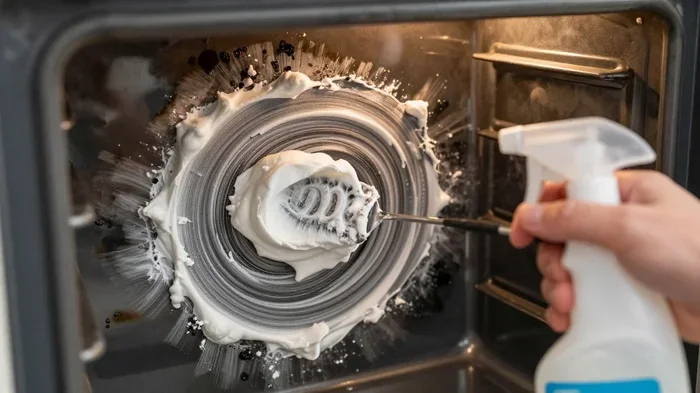
How To Clean Inside Oven With Baking Soda The Natural Way
Cleaning your oven with baking soda is the safest, cheapest, and most effective natural method. This guide walks you through every step to clean inside oven with baking soda easily. You will learn how to remove tough grease, burnt food, and stubborn stains without toxic chemicals. Baking soda cuts through grime while leaving your oven fresh and chemical-free. Follow these simple steps for a sparkling clean oven every time.
Your oven works hard for you. It bakes your favorite meals, roasts Sunday dinners, and warms up leftovers on busy weeknights. But over time, all that cooking leaves behind a messy buildup of grease, food splatters, and stubborn stains inside your oven.
Many people reach for harsh chemical oven cleaners that smell terrible and leave behind residues. These products contain strong fumes that can linger in your kitchen for days. A better option exists, and it is probably already sitting in your pantry.
Baking soda is one of the most effective and natural ways to clean inside oven with baking soda safely. It is affordable, non-toxic, and incredibly powerful against grease and grime. In this complete guide, you will learn exactly how to use baking soda to restore your oven to sparkling condition. Whether you need a quick oven cleaning routine or a deep clean oven session, this method works every time.
We will cover everything from preparing your supplies to tackling the toughest burnt-on messes. You will also discover pro tips for clean oven racks and how to maintain your oven so it stays fresh longer. Let us get started with the natural way to a clean oven.
Key Takeaways
- Baking soda is a powerful, non-toxic cleaner that safely dissolves oven grease and grime.
- A baking soda paste is the secret weapon for deep cleaning your oven interior.
- Cleaning oven racks separately with baking soda saves time and delivers better results.
- Regular oven maintenance prevents buildup and makes future cleaning effortless.
- Homemade oven cleaner recipes save money compared to store-bought chemical products.
- Natural oven cleaning eliminates harsh fumes and keeps your kitchen air fresh.
- Vinegar boosts baking soda’s cleaning power for tackling tough stains and burnt residue.
📑 Table of Contents
- Why Baking Soda Is the Best Oven Cleaner
- What You Need Before You Start
- Step-by-Step Guide to Clean Inside Oven With Baking Soda
- How To Clean Oven Racks With Baking Soda
- Tough Stains and Grease Removal Tips
- Maintaining a Clean Oven After Your Deep Clean
- Why Natural Oven Cleaning Matters
- Final Thoughts on Cleaning Your Oven the Natural Way
Why Baking Soda Is the Best Oven Cleaner
Baking soda is not just for baking. It is a powerhouse cleaning agent that has been used in households for decades. When it comes to oven cleaning tips, baking soda stands out as the top choice for homeowners who want safe and effective results.
How Baking Soda Works on Grease and Grime
Baking soda, also known as sodium bicarbonate, is a mild alkali. This means it naturally breaks down acidic and fatty substances like grease and food oils. When you mix baking soda with water, it creates a paste that clings to surfaces. This paste lifts dirt, loosens burnt particles, and absorbs odors effectively.
Unlike chemical oven cleaners, baking soda does not produce toxic fumes. It is safe to use around food preparation areas. Chemical-free oven cleaner solutions like baking soda protect your family and pets from harmful exposure.
Benefits of Natural Oven Cleaning
- Non-toxic and safe — No harsh chemicals or dangerous fumes.
- Budget-friendly — A box of baking soda costs less than most commercial cleaners.
- Eco-friendly — No harmful runoff or plastic packaging waste.
- Odor neutralizer — Baking soda absorbs smells instead of masking them.
- Gentle on surfaces — It will not scratch or damage your oven interior.
- Easy to find — Available at every grocery store and pharmacy.
Baking Soda vs. Chemical Oven Cleaners
Many people wonder whether homemade oven cleaning hacks really work as well as store-bought products. The answer is yes, and often better. Here is a quick comparison to help you understand the difference.
| Feature | Baking Soda | Chemical Cleaners |
|---|---|---|
| Toxicity | Non-toxic and food-safe | Contains harsh chemicals |
| Fumes | None | Strong, lingering fumes |
| Cost | Very affordable | Moderate to expensive |
| Grease Removal | Excellent with soaking | Good but harsh |
| Odor Removal | Absorbs odors naturally | May leave chemical smell |
| Surface Safety | Gentle and scratch-free | Can damage surfaces |
| Environmental Impact | Eco-friendly | Harmful to environment |
As you can see, baking soda oven cleaner methods win in almost every category. Chemical cleaners may work faster on their own, but the health and safety risks are not worth it.
What You Need Before You Start
Gathering your supplies before you begin makes the entire process smoother and faster. You do not need anything fancy or expensive. Here is your simple shopping list for a successful oven interior cleaning session.
Essential Supplies
- Baking soda — You need about half a cup to one full cup depending on your oven size.
- White vinegar — This activates the baking soda and helps dissolve stubborn residue.
- Warm water — Used to make the cleaning paste and for wiping down surfaces.
- Spray bottle — For applying the vinegar solution easily.
- Soft cloths or sponges — Microfiber cloths work best for wiping without scratching.
- Rubber gloves — Keeps your hands clean and protected during the process.
- Old towel or newspaper — To protect your oven floor during the cleaning process.
- Plastic scraper or spatula — Helps remove loosened grime without damaging the oven.
Optional Supplies for Tough Jobs
If your oven has heavy buildup or burnt-on food that has been there for weeks, you may want a few extra tools:
- Dish soap — A few drops added to the paste boost grease-cutting power.
- Old toothbrush — Perfect for scrubbing corners and hard-to-reach areas.
- Bowl and hot water — For soaking oven racks separately.
Quick Tip
Never use steel wool or abrasive scrubbers inside your oven. These can scratch the interior surface and damage the protective coating. Stick with soft cloths and gentle sponges for the best results.
Step-by-Step Guide to Clean Inside Oven With Baking Soda
Now that you have everything ready, let us walk through the actual cleaning process. This step-by-step method ensures you deep clean oven interiors thoroughly and safely. Follow each step carefully for the best outcome.
Step 1: Remove the Oven Racks
Start by pulling out all oven racks, trays, and any removable parts. This gives you full access to the oven walls, floor, and ceiling. Clean oven racks separately using the same baking soda method for complete results.
Step 2: Make Your Baking Soda Paste
In a small bowl, mix about half a cup of baking soda with a few tablespoons of warm water. Stir it until it forms a thick, spreadable paste. The consistency should be similar to toothpaste. If it is too thick, add a little more water. If it is too thin, add more baking soda.
This baking soda paste is your primary cleaning tool. It will coat the oven interior and break down grease and food residue over time.
Step 3: Apply the Paste to the Oven Interior
Put on your rubber gloves. Using your hands or a sponge, spread the baking soda paste evenly across the inside surfaces of your oven. Focus on areas with heavy grease buildup, burnt spots, and stained surfaces.
Avoid putting paste on the heating elements. Also, try not to coat the glass door seals with paste, as this can make them sticky. Cover the walls, floor, and ceiling of the oven completely but leave the heating elements exposed.
Step 4: Let It Sit Overnight
This is the secret step most people skip. Let the baking soda paste sit inside your oven for at least 8 to 12 hours. The longer it sits, the more grease and grime it breaks down. Overnight is ideal because the paste has plenty of time to penetrate and dissolve tough residue.
Oven grime removal works best when the paste has time to do its job. Do not rush this step if you have heavy buildup.
Step 5: Wipe Away the Paste
The next morning, put on your gloves again. Use a damp cloth or sponge to wipe away the baking soda paste. You will notice the paste has turned dark grey or brown as it absorbed all the dirt and grease.
Use warm water and rinse your cloth frequently. For stubborn spots that did not loosen, apply a bit more paste and let it sit for another 30 minutes before wiping again.
Step 6: Use Vinegar for the Final Rinse
Fill a spray bottle with white vinegar. Spritz the vinegar lightly across the interior surfaces where you still see baking soda residue. The vinegar will react with the remaining baking soda, creating a fizzing action. This reaction helps lift any remaining dirt and leaves the surface clean and fresh.
Wipe down all surfaces with a clean, damp cloth until no residue remains. Your oven interior should now look and feel clean and smooth.
Step 7: Clean the Oven Door
Do not forget the oven door! Apply the same baking soda paste to the inside of the glass door. Let it sit for 15 to 20 minutes, then wipe clean with a damp cloth. For the outside of the door, a simple wipe with a vinegar-water solution works great.
The oven door cleaning process is the same whether your oven is a standard model or a self-cleaning oven alternative that you prefer to maintain manually.
How To Clean Oven Racks With Baking Soda
Oven racks accumulate a lot of grease and food residue over time. Cleaning them separately ensures they come out spotless and odor-free. Here is how to clean oven racks using the same natural method.
The Soaking Method
- Fill your bathtub or a large sink with hot water.
- Add two to three tablespoons of baking soda per gallon of water.
- Submerge the oven racks completely in the solution.
- Let them soak for at least four to six hours, or overnight for heavily soiled racks.
- After soaking, use a non-abrasive sponge to scrub away loosened grime.
- Rinse the racks thoroughly with clean water.
- Dry them completely before placing them back in the oven.
This oven cleaning routine for racks works wonderfully and keeps them looking like new. For extra stubborn spots, make a thicker baking soda paste and apply it directly to the problem areas before soaking.
Expert Insight
Home cleaning experts recommend cleaning oven racks every three to four months to prevent heavy buildup. Regular maintenance makes the soaking process much faster and easier each time you do it.
Tough Stains and Grease Removal Tips
Sometimes, even baking soda needs a little extra help. Very stubborn stains or burnt-on food may require additional treatment. Here are proven tips for handling the toughest oven messes.
For Burnt-On Food Residue
If you have food that has been burnt onto the oven floor, try this method. Make a thick baking soda paste and apply it directly to the burnt spot. Cover it with a damp cloth and let it sit for several hours. The moisture helps soften the burnt residue while the baking soda works on the stain.
After soaking, use a plastic scraper to gently lift the loosened burnt pieces. Wipe the area clean with a damp cloth and repeat if necessary.
For Heavy Grease Buildup
For ovens that have not been cleaned in a long time, grease buildup can be really thick. Add a few drops of dish soap to your baking soda paste. The dish soap adds extra grease-cutting power without introducing harsh chemicals.
Apply the enhanced paste and let it sit for 12 hours. The combination of baking soda and dish soap will dissolve even the heaviest grease layers.
For Lingering Odors
One of the best benefits of using natural cleaning solutions is odor removal. After your cleaning session, place a small open bowl of baking soda inside the oven overnight. This absorbs any remaining cooking smells or chemical traces from previous cleanings.
Common Mistakes to Avoid
- Using too much water in the paste — This makes it too runny and less effective. Keep it thick.
- Skipping the soaking time — Baking soda needs time to break down grease. Do not rush the process.
- Using vinegar before the paste — Always apply the baking soda paste first, then use vinegar at the end.
- Scrubbing too hard — Let the baking soda do the work. Aggressive scrubbing is unnecessary.
- Forgetting to remove racks — Always remove racks before cleaning the oven interior for full access.
Maintaining a Clean Oven After Your Deep Clean
Once you have invested the effort into deep clean oven sessions, you want to keep it that way. Regular oven maintenance prevents heavy buildup and makes future cleaning much faster and easier.
Simple Daily and Weekly Habits
- Wipe spills immediately — When food bubbles over, clean it up as soon as the oven cools down.
- Use oven liners — Place a silicone or aluminum liner on the oven floor to catch drips and spills.
- Cover dishes — Use foil or lids on dishes to prevent food from splattering onto oven walls.
- Quick wipe after each use — A fast wipe with a damp cloth after the oven cools keeps surfaces fresh.
- Schedule monthly spot cleaning — A quick pass with a baking soda paste once a month prevents buildup.
Monthly Deep Cleaning Schedule
Even with good daily habits, plan a thorough oven cleaning routine once a month. This keeps your oven performing at its best and prevents unpleasant odors during cooking. A monthly session takes only 30 minutes if you stay on top of things.
Quick Tip
Set a reminder on your phone for a monthly oven cleaning session. Consistency is the key to keeping your oven sparkling without heavy effort each time.
How Often Should You Deep Clean Your Oven?
Most households benefit from a full deep clean oven session every three to four months. If you use your oven frequently or cook a lot of greasy foods, you may need to clean more often. Listen to your oven — if you notice strong odors or visible grime, it is time for a cleaning session.
Why Natural Oven Cleaning Matters
Choosing natural cleaning solutions over chemical products is better for your health, your family, and the environment. Harsh oven cleaners release volatile organic compounds into your kitchen air. These fumes can irritate your lungs, eyes, and skin.
When you use baking soda oven cleaner methods, you eliminate these risks entirely. Your kitchen stays fresh, your air stays clean, and you do not expose yourself or your loved ones to harmful substances. Non-toxic oven cleaner choices like baking soda make your home safer and more comfortable.
Another advantage is cost savings. A single box of baking soda costs just a few dollars and can clean your oven multiple times. Compare that to the price of commercial oven cleaners, and the savings add up quickly. Homemade oven cleaner recipes are some of the most economical household solutions available.
Clean oven maintenance also extends the life of your appliance. When grease and grime build up, they can affect your oven’s heating efficiency. A clean oven heats more evenly and uses less energy, which can lower your utility bills over time.
Finally, there is the satisfaction of knowing you are using a safe, environmentally friendly method. Chemical-free oven cleaner approaches reduce your household’s environmental footprint. Every time you choose baking soda over harsh chemicals, you make a positive choice for the planet.
With all these benefits, it is easy to see why so many homeowners are switching to natural oven cleaning methods. Oven cleaning hacks using baking soda have been trusted for generations, and for good reason. They work, they are safe, and they are incredibly affordable.
Final Thoughts on Cleaning Your Oven the Natural Way
How to clean inside oven with baking soda is one of the simplest and most satisfying household tasks you can master. The process is straightforward, the supplies are affordable, and the results are impressive. You do not need expensive products or complicated techniques to get a truly clean oven.
Remember to be patient, especially with tough stains. Let the baking soda paste do the heavy lifting, and use vinegar for the final rinse. Clean your oven racks separately, and establish a regular maintenance routine to keep your oven in top shape.
Baking soda is truly a remarkable household staple that goes far beyond the kitchen. It removes grease, eliminates odors, and leaves surfaces clean without any harmful side effects. Once you try this natural method, you will never go back to chemical oven cleaners again.
Start your oven cleaning routine today and enjoy the difference a clean, fresh-smelling oven makes in your kitchen. Your efforts will pay off every time you cook a meal in a sparkling clean oven. Happy cleaning!
Frequently Asked Questions
Can I use baking soda and vinegar together to clean my oven?
Yes, but use them in the right order. Apply the baking soda paste first and let it sit for several hours. Then spray vinegar on the paste to create a fizzing reaction that helps lift dirt. Always wipe away the residue with a damp cloth afterward.
How long should I let the baking soda paste sit in my oven?
For best results, let the baking soda paste sit for at least 8 to 12 hours, or overnight. Heavier grease and grime may need even longer. The longer the paste sits, the easier it is to wipe away the dirt and residue.
Is baking soda safe for all oven types including self-cleaning ovens?
Yes, baking soda is safe for all oven types including standard, convection, and self-cleaning ovens. Many people prefer to use baking soda as a self-cleaning oven alternative to avoid the high heat and strong odors that come with the self-cleaning cycle.
Will baking soda scratch my oven interior?
No, baking soda is a gentle, non-abrasive cleaner. It will not scratch or damage your oven’s interior surfaces. Just avoid using steel wool or rough scrubbers. Stick with soft cloths and sponges for safe, effective cleaning.
How often should I clean my oven with baking soda?
A monthly oven cleaning routine using baking soda is ideal for most households. If you cook frequently or prepare greasy foods, you may want to clean every two weeks. Regular maintenance prevents heavy buildup and makes each cleaning session quick and easy.
Can baking soda remove burnt-on food from my oven?
Yes, baking soda is very effective at removing burnt-on food. Apply a thick paste directly to the burnt spots and let it sit for several hours. The baking soda will soften and break down the burnt residue, making it easy to wipe or scrape away.
=== CONCLUSION ===
Cleaning inside oven with baking soda is the smartest, safest, and most affordable way to keep your oven in top condition. This natural method removes grease, eliminates odors, and leaves your oven sparkling without any harsh chemicals. With just a few simple supplies and a little patience, you can achieve professional-level results at home.
Remember the key steps: make a thick baking soda paste, apply it generously, let it sit overnight, and finish with a vinegar rinse. Clean your racks separately, maintain a regular schedule, and avoid common mistakes like using abrasive tools or skipping the soaking time.
Natural oven cleaning with baking soda is a habit that pays off every day. Your oven will run more efficiently, your kitchen will smell fresh, and your family will be protected from toxic fumes. Start your oven cleaning routine today and enjoy the difference a clean oven makes in every meal you prepare.