Is Cold Brew Stronger Than Coffee Discover The Real Answer
Is cold brew stronger than coffee? The answer depends on what you mean by “stronger.” Cold brew often has a higher caffeine concentration because of the cold water extraction process and the coffee-to-water ratio used. However, when you dilute cold brew with water or milk, the final strength may be similar to hot brewed coffee. This guide covers caffeine content, flavor differences, and brewing methods to help you understand the real truth about cold brew vs hot coffee.
Coffee lovers talk about cold brew all the time. You hear claims that it is stronger, smoother, and better than regular hot coffee. But is cold brew stronger than coffee really? The truth is not as simple as a yes or no answer.
Cold brew and hot coffee differ in many ways. The brewing temperature, steeping time, and coffee-to-water ratio all affect the final cup. Some people love cold brew for its bold flavor and high caffeine kick. Others prefer hot coffee for its rich aroma and familiar taste.
In this article, we will break down everything you need to know. We will compare caffeine levels, explore the extraction process, and clear up common myths. By the end, you will know exactly which brew is stronger and why.
Let us dive into the world of cold brew and hot coffee. Whether you are a casual coffee drinker or a full-on coffee fanatic, this guide has something for you.
Key Takeaways- Cold brew can be stronger: The concentrate form often has more caffeine per ounce than hot coffee.
- Dilution matters a lot: When you add water or milk, the final caffeine level drops significantly.
- Brewing time plays a big role: Cold brew steeps for 12-24 hours, which changes the extraction process.
- Flavor is different: Cold brew tastes smoother and less bitter than hot brewed coffee.
- Acidity is lower: Cold brew is easier on the stomach because it produces fewer acidic compounds.
- You control the strength: Adjusting the coffee ratio and steeping time lets you customize your brew.
📑 Table of Contents
What Is Cold Brew Coffee?
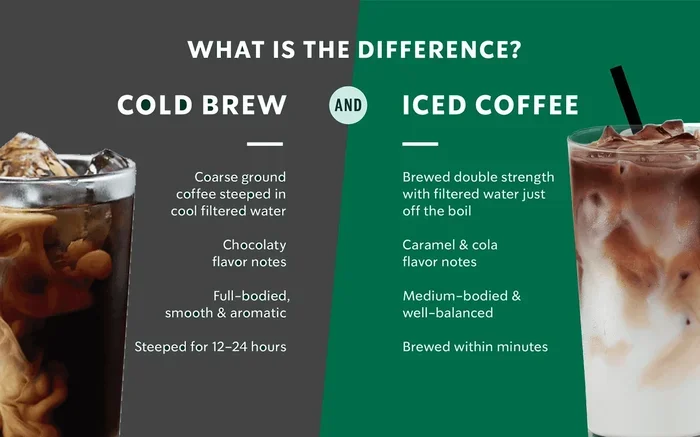
Cold brew is a coffee brewing method that uses cold or room temperature water. Instead of hot water, you steep coarse coffee grounds in cold water for a long time. This slow process extracts flavors and caffeine from the beans differently than hot water does.
How Cold Brew Is Made
Making cold brew is simple but takes patience. Here is the basic process:
- Add coarse coffee grounds to a jar or pitcher.
- Pour cold or room temperature water over the grounds.
- Stir the mixture gently.
- Let it steep in the refrigerator for 12 to 24 hours.
- Strain the mixture through a fine mesh filter or cheesecloth.
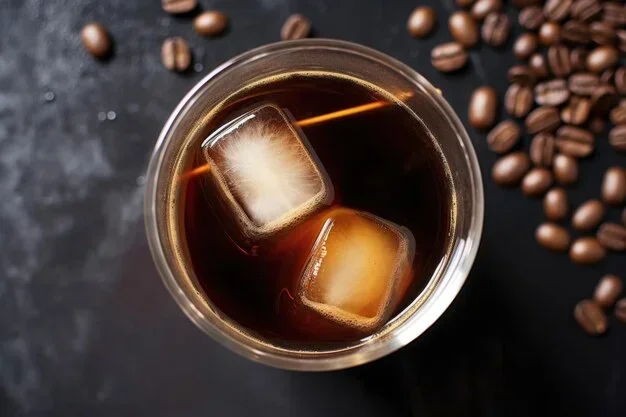
- Serve the cold brew concentrate over ice, diluted with water or milk.
The result is a smooth, concentrated coffee drink. Because the water is cold, the extraction happens much slower. This means different compounds are pulled from the beans compared to hot brewing.
Cold Brew vs Hot Coffee: The Basics
Hot coffee uses heat to extract flavors quickly. A standard drip brew takes only 5 to 10 minutes. Cold brew takes 12 to 24 hours. The long steeping time is what makes cold brew unique.
Heat extracts more oils and acidic compounds from coffee beans. Cold water extracts fewer of these. This is why cold brew often tastes smoother and less bitter. But does that mean it is stronger? Not necessarily, and we will get to that soon.
Is Cold Brew Stronger Than Regular Coffee?
This is the big question. The answer depends on how you define “stronger.” If you mean caffeine content, cold brew can be stronger. If you mean flavor intensity, it depends on how you prepare it.
Caffeine Content Comparison
Cold brew concentrate typically has more caffeine per ounce than hot coffee. A standard serving of hot coffee contains about 80 to 100 milligrams of caffeine. Cold brew concentrate can have 100 to 200 milligrams per serving, depending on the coffee ratio used.
But here is the catch. Most people dilute cold brew before drinking it. You add water, milk, or ice. This reduces the caffeine content per sip. After dilution, a cup of cold brew may have similar caffeine to a cup of hot coffee.
If you drink cold brew concentrate straight, it will hit you much harder. That is why some people feel cold brew is stronger. It really comes down to how you serve it.
Understanding Coffee Extraction
Coffee extraction is the process of pulling flavors and caffeine from ground beans. Hot water is a powerful solvent. It extracts compounds quickly and efficiently. This is why a cup of hot coffee brews in minutes.
Cold water is a much slower solvent. It takes hours to extract the same compounds. But it does not extract everything the same way. Hot water pulls out more oils and acidic flavors. Cold water pulls out more sugars and caffeine.
This difference in extraction is what gives cold brew its unique profile. The cold water extraction process creates a different chemical balance in the final drink.
Now, you might wonder about other brewing methods. For example, does an air fryer take less time than an oven? Absolutely, and the same principle applies to coffee. Hot brewing methods are fast because heat speeds up extraction. Cold brewing is slow because it lacks that heat boost.
Cold Brew vs Hot Coffee: Flavor and Strength
Flavor is where cold brew and hot coffee really diverge. Many coffee drinkers choose cold brew specifically for its taste profile. Let us look at the key differences.
Taste Profile Differences
Cold brew tastes smooth, sweet, and mellow. Because cold water extracts fewer acidic compounds, the final drink is less sharp. Many people describe cold brew as having a chocolatey or nutty flavor.
Hot coffee has a brighter, more complex flavor. The heat brings out floral, fruity, and acidic notes. This is why coffee tasters (called cuppers) evaluate coffee using hot brewing methods.
Neither taste is better than the other. It is all about personal preference. Some mornings you want a bold, smooth cold brew. Other days you want a bright, aromatic hot cup.
Acidity and Bitterness
One of the biggest advantages of cold brew is lower acidity. Studies show that cold brew can be up to 67% less acidic than hot coffee. This makes it easier on your stomach and teeth.
Bitterness is also lower in cold brew. Hot water extracts more chlorogenic acids, which cause bitterness. Cold water extracts fewer of these acids. The result is a cleaner, gentler taste.
If you have a sensitive stomach or acid reflux, cold brew might be a better choice. The lower acidity can make a big difference in how coffee affects you.
How Brewing Time Affects Coffee Strength
Time is the secret ingredient in cold brew. The long steeping period is what sets cold brew apart from every other brewing method. Let us explore how time affects strength.
The Role of Steeping Time
Cold brew needs at least 12 hours to steep properly. Some recipes call for 18 or even 24 hours. The longer the steep, the more caffeine and flavor extracts from the grounds.
Short steeping times (under 12 hours) produce a weaker brew. Long steeping times (over 20 hours) can make the coffee taste over-extracted and slightly harsh. Finding the sweet spot is key.
Here is a simple guide:
- 12 hours: Light, mild cold brew with subtle flavor.
- 16 hours: Balanced cold brew with good caffeine and taste.
- 20 hours: Bold, strong cold brew concentrate.
- 24+ hours: Very strong, potentially bitter concentrate.
The Cold Water Extraction Process
Why does cold water take so long? Because heat is a catalyst for extraction. Hot water molecules move fast and break down coffee compounds quickly. Cold water molecules move slowly. They need more time to penetrate the coffee grounds and pull out flavors.
This slow process is also why cold brew lasts longer in the fridge. A batch of cold brew concentrate stays fresh for up to two weeks. Hot coffee starts to lose its flavor within hours.
Now, you might think about speed in other kitchen contexts too. Why are microwaves faster than ovens? Because microwaves use direct energy to heat food quickly. Similarly, hot coffee brewing is fast because heat accelerates extraction. Cold brew skips the heat, which is why it takes so long.
Remember, the long brewing time does not automatically mean cold brew is stronger. It means the process is different. The final strength depends on your ratio, steeping time, and how you serve it.
Common Myths About Cold Brew Strength
There are many myths floating around about cold brew. Let us clear up the most common ones.
Myth 1: Cold Brew Always Has More Caffeine
This is not true. Cold brew concentrate has more caffeine per ounce. But most people dilute it before drinking. A standard cup of diluted cold brew may have the same caffeine as hot coffee. The caffeine content depends on how much concentrate you use and how much water or milk you add.
Myth 2: Cold Brew Is Just Weak Iced Coffee
Cold brew and iced coffee are not the same thing. Iced coffee is hot coffee that is cooled down and served over ice. Cold brew is never exposed to hot water. The brewing process is completely different, and so is the flavor.
Myth 3: Cold Brew Is Always Stronger in Flavor
Cold brew is smoother, but smoother does not always mean stronger in flavor. Hot coffee can be just as bold and intense, especially if you use a dark roast or a strong brewing method like a French press.
Strength is subjective. It can mean caffeine, flavor intensity, or mouthfeel. Cold brew wins on smoothness and caffeine concentration in its undiluted form. Hot coffee wins on aroma and flavor complexity.
How to Make Cold Brew at Home
Making cold brew at home is easy and affordable. You do not need any special equipment. Here is everything you need to know.
Best Coffee Beans for Cold Brew
You can use any coffee beans for cold brew, but some work better than others. Medium to dark roasts are popular because they produce a smooth, chocolatey flavor. Light roasts also work well if you prefer a brighter taste.
Use fresh, whole beans if possible. Grind them coarse before brewing. A coarse grind prevents over-extraction and makes filtering easier. Fine grounds can make your cold brew gritty and muddy.
Cold Brew Tips and Tricks
Here are some pro tips to get the best cold brew at home:
- Use filtered water. The quality of water affects the taste a lot.
- Keep the ratio at 1:4 or 1:5. This means one part coffee to four or five parts water for a strong concentrate.
- Steep in the refrigerator. Room temperature steeping can lead to over-extraction and off-flavors.
- Strain twice. Use a fine mesh filter followed by a cheesecloth for the cleanest result.
- Store in a sealed container. Cold brew concentrate lasts up to 14 days in the fridge.
If you are using glass jars or ceramic containers, make sure they are safe for cold storage. You do not need to worry about oven safety here since cold brew is never heated. But if you ever use equipment that goes from fridge to heat, always check that it is safe for that purpose.
Which Should You Choose: Cold Brew or Hot Coffee?
Both cold brew and hot coffee have their place. Your choice depends on your taste, schedule, and caffeine needs.
Choose cold brew if you want a smooth, low-acid drink that you can prep ahead. It is perfect for hot summer days and busy mornings. You can make a big batch and drink it all week.
Choose hot coffee if you love the aroma and complex flavors of brewed coffee. It is also faster to make. A hot cup takes only minutes, while cold brew needs a full day of steeping.
Some people do both. They drink hot coffee in the morning and cold brew in the afternoon. There is no rule that says you can only pick one. Experiment and find what works best for you.
In the end, the question is not really about which is stronger. It is about which fits your lifestyle and taste buds better. Both are delicious. Both have their strengths. And both deserve a spot in your daily routine.
Conclusion
So, is cold brew stronger than coffee? The honest answer is: it depends. Cold brew concentrate has more caffeine per ounce than hot coffee. But after dilution, the caffeine levels can be very similar. Cold brew also has a smoother, less acidic flavor that many people prefer.
The real strength of cold brew is its versatility. You can drink it straight, dilute it, add milk, or use it in cocktails and desserts. Hot coffee is faster to make and richer in aroma. Both are great choices for coffee lovers.
Next time someone asks you if cold brew is stronger, you will know the full answer. It is not just about caffeine. It is about flavor, preparation, and personal preference. Now go make yourself a great cup of coffee, however you like it.
Frequently Asked Questions
Is cold brew more caffeinated than hot coffee?
Cold brew concentrate has more caffeine per ounce. However, most people dilute cold brew before drinking, which brings the caffeine level closer to hot coffee. The final caffeine content depends on how much concentrate you use and what you mix it with.
Why does cold brew taste smoother than hot coffee?
Cold brew tastes smoother because cold water extracts fewer acidic and bitter compounds. The long steeping process pulls out more sugars and caffeine while leaving behind many of the harsh flavors found in hot brewed coffee.
Can I make cold brew with regular ground coffee?
Yes, but coarse grounds work best. Regular fine grounds can make cold brew taste muddy and gritty. If you only have fine grounds, strain the brew twice through a fine mesh filter to remove excess sediment.
How long does cold brew concentrate last in the fridge?
Cold brew concentrate stays fresh for up to 14 days when stored in a sealed container in the refrigerator. After that, the flavor starts to degrade. Always use clean utensils when scooping out your cold brew.
Is cold brew less acidic than hot coffee?
Yes, studies show cold brew can be up to 67% less acidic than hot coffee. The cold water extraction process produces fewer acidic compounds, making cold brew a gentler option for people with sensitive stomachs or acid reflux.
Can I heat up cold brew to make hot coffee?
Yes, you can! Some people enjoy hot cold brew by simply adding hot water. The flavor will be different from traditionally brewed hot coffee, but it still makes a smooth and enjoyable cup. Just be careful if you are using glass containers, as sudden temperature changes can cause cracking.