How Long To Cook Homemade Meatballs In Oven Perfectly
How Long To Cook Homemade Meatballs In Oven perfectly requires the right temperature, proper meatball size, and a little patience. Most homemade meatballs bake at 400°F for 20 to 25 minutes until they reach an internal temperature of 165°F. This guide covers everything from meatball prep to oven timing so you get juicy, flavorful results every time.
How Long To Cook Homemade Meatballs In Oven perfectly is something every home cook wants to master. Whether you are making a family dinner or meal prepping for the week, getting the timing right is the key to tender, juicy results. The good news is that oven-baked meatballs are surprisingly easy once you know a few simple rules. In this guide, we will walk you through everything you need to know about how long to cook homemade meatballs in oven, from temperature settings to meatball size and everything in between.
You will learn the exact cooking times for different meatball sizes, the best oven temperature to use, and pro tips that take your homemade meatballs from average to amazing. We also cover common mistakes that ruin your meatballs and how to avoid them. By the end of this article, you will feel confident pulling perfectly baked meatballs out of your oven every single time.
Let us dive into the world of meatball baking and discover how easy it is to get restaurant-quality results at home.
Cooking meatballs at home is one of the most rewarding things you can do in the kitchen. Unlike store-bought options, homemade meatballs let you control every ingredient, from the type of ground meat to the seasonings you love. Plus, baking them in the oven is hands-off and easy to clean up.
Whether you prefer beef, pork, or a mix of both, the principles of cooking meatballs in the oven stay the same. Let us explore everything you need to know to get perfect results.
Key Takeaways
- Cook at 400°F: This oven temperature delivers evenly cooked, golden-brown meatballs every time.
- Plan for 20 to 25 minutes: Standard-sized meatballs need about 20 to 25 minutes at 400°F.
- Use a meat thermometer: The internal temperature should reach 165°F for safe, fully cooked meatballs.
- Don’t overmix the meat: Overmixing leads to tough, dense meatballs instead of tender ones.
- Rest before serving: Letting meatballs rest for 5 minutes keeps them juicy and flavorful.
- Size matters for timing: Larger meatballs need extra cooking time while smaller ones cook faster.
- Line your baking sheet: Parchment paper or a wire rack prevents sticking and promotes even browning.
📑 Table of Contents
- How Long To Cook Homemade Meatballs In Oven
- The Perfect Oven Temperature For Meatballs
- The Best Meatball Recipe For Oven Baking
- Tips For Juicy And Flavorful Baked Meatballs
- Common Mistakes To Avoid When Cooking Meatballs
- How To Tell When Meatballs Are Done
- Final Thoughts On Cooking Homemade Meatballs In The Oven
How Long To Cook Homemade Meatballs In Oven
The meatball cooking time depends on several factors, including oven temperature, meatball size, and whether you are using fresh or frozen meatballs. Understanding these variables helps you nail the timing every time.
Standard Meatball Cooking Time At 400°F
For most standard-sized meatballs, about 1.5 inches in diameter, baked meatballs need 20 to 25 minutes at 400°F. This oven temperature creates a beautiful golden crust while keeping the inside moist and tender. The high heat also helps render any fat from the meat, adding flavor and crispness to the outside.
If you make your meatballs a bit smaller, around 1 inch, they may be done in 15 to 18 minutes. Larger meatballs, 2 inches or more, can take 25 to 30 minutes. Always use a meat thermometer to check the internal temperature rather than relying on time alone.
How Meatball Size Affects Cooking Time
Meatball size is one of the biggest factors in determining how long your meatballs need in the oven. Here is a quick breakdown:
- Small meatballs (1 inch): 15 to 18 minutes at 400°F
- Medium meatballs (1.5 inches): 20 to 25 minutes at 400°F
- Large meatballs (2 inches): 25 to 30 minutes at 400°F
- Jumbo meatballs (3 inches): 30 to 35 minutes at 400°F
These times assume you are cooking meatballs in a single layer with space between them. If you stack or crowd them, the meatball cooking time increases because the heat cannot circulate properly. Always give each meatball enough room on the baking sheet for air to flow around all sides.
Fresh vs Frozen Meatballs Cooking Time
Frozen meatballs need extra time compared to fresh ones. If you are cooking from frozen, add about 5 to 10 minutes to the standard baking time. However, it is better to thaw your meatballs first for more even cooking. Thawing also helps the meatballs hold their shape better during meatball baking.
If you do cook frozen meatballs, place them on a lined baking sheet and bake at 400°F for 30 to 35 minutes. Flip them halfway through for even browning. The internal temperature should still reach 165°F before serving. Never cook frozen meatballs straight from the freezer in a crowded pan, as this traps steam and leads to uneven results.
The Perfect Oven Temperature For Meatballs
Finding the right oven temperature is just as important as getting the timing correct. Too low and your meatballs will be pale and soggy. Too high and the outside burns before the inside is cooked through.
Why 400°F Is The Sweet Spot
400°F is widely considered the best oven temperature for cooking meatballs. At this heat, the outside browns beautifully while the inside cooks through evenly. The high temperature also helps render fat from the meat, which adds flavor and helps create a slightly crispy exterior.
Most oven-baked meatballs recipes call for 400°F because it strikes the perfect balance between speed and quality. You get golden, crispy meatballs on the outside and a juicy, tender interior without drying them out. This temperature also works well whether you are using ground beef, pork, or a combination of meats.
Can You Cook Meatballs At Lower Temperatures?
Yes, you can cook meatballs at 350°F, but the results are different. Lower temperatures mean longer cooking times, usually around 25 to 30 minutes for standard-sized meatballs. The meatball will be less crispy on the outside but can be slightly more tender.
If you prefer a softer crust, 350°F works well. Just remember that the meatball cooking time increases by about 5 to 10 minutes compared to 400°F. Always check the internal temperature to make sure the meatballs are fully cooked through. A lower temperature can be a good choice when you are cooking a large batch and want to avoid over-browning the edges.
What About 375°F?
375°F is a middle-ground option that many home cooks prefer. At this temperature, meatballs bake in about 22 to 27 minutes for standard sizes. You get a nice light brown color without the deep golden crust you get at 400°F. It is a great option if you want evenly cooked baked meatballs with a softer exterior and a more gentle cooking process.
The Best Meatball Recipe For Oven Baking
Having a solid meatball recipe makes all the difference. The right meatball ingredients and proper technique ensure your meatballs turn out tender, flavorful, and perfectly cooked every time.
Essential Meatball Ingredients
Every great meatball recipe starts with quality ingredients. Here is what you need for perfect oven-baked meatballs:
- Ground beef (or a mix of beef and pork for extra flavor)
- Pork meatballs add moisture and a richer taste
- Breadcrumbs (plain or seasoned)
- Eggs (acts as a binder)
- Garlic, minced fresh or powdered
- Fresh parsley or Italian seasoning
- Salt and black pepper to taste
- Grated Parmesan cheese (optional but recommended)
- Olive oil or melted butter for brushing
The ratio of meat to binder matters a lot. Too much breadcrumb and your meatballs will be dry. Too little and they fall apart. A good rule of thumb is about 1 cup of breadcrumbs and 1 egg per pound of meat. For the best homemade meatballs, always use fresh ingredients and avoid pre-packaged seasoning mixes that contain too much sodium.
How To Mix And Shape Your Meatballs
Meatball prep is where many people go wrong. The key is to mix gently and not overwork the meat. Overmixing develops the proteins too much, which makes meatballs tough and dense instead of tender.
Here is the best method for meatball prep:
- Combine all ingredients in a large bowl.
- Use your hands to mix gently until just combined.
- Let the mixture rest in the refrigerator for 15 to 30 minutes.
- Scoop out portions and roll into balls between your palms.
- Place meatballs on a lined baking sheet with space between each one.
For the best meatball tenderness, make sure your meatballs are all roughly the same size. This ensures they cook at the same rate and prevents some from being overcooked while others are underdone. If you find your seasoned meatballs crumbling, add a little more egg or a tablespoon of milk to the mixture.
Tips For Juicy And Flavorful Baked Meatballs
Getting juicy baked meatballs is all about technique and paying attention to small details. These tips will elevate your homemade meatballs from good to great.
Don’t Overmix The Meat
This cannot be stressed enough. Overmixing is the number one mistake that leads to tough, rubbery meatballs. Mix your ingredients just until everything is evenly distributed. If you are using your hands, use a light touch and stop as soon as the mixture comes together.
Think of it like mixing a cake batter. You want to bring everything together without working the protein too much. The lighter you mix, the more tender your seasoned meatballs will be. If you use a stand mixer, use the lowest speed and stop the moment everything is combined.
Let Meatballs Rest Before Baking
Letting your meatball ingredients rest in the refrigerator for at least 15 minutes before baking does two things. First, it helps the meatballs hold their shape better. Second, it allows the flavors to meld together, making your homemade meatballs taste more developed and complex.
You can also prepare your meatballs the night before and refrigerate them overnight. This is a great meatball prep strategy for meal prepping or when you want to save time on cooking day. Cold meatballs straight from the fridge also hold their shape better during meatball baking than warm, soft mixture.
Use A Meat Thermometer For Best Results
A meat thermometer is the single best tool for perfectly cooked meatballs. Insert the probe into the center of the largest meatball. When the internal temperature reaches 165°F, your meatballs are done and safe to eat.
Relying on time alone can lead to overcooked or undercooked meatballs. Every oven is different, and factors like meatball size and starting temperature affect how quickly they cook. A thermometer removes all the guesswork from cooking meatballs in the oven. Invest in a good instant-read thermometer and keep it handy every time you bake.
Brush With Oil Before Baking
A light coating of olive oil or melted butter on the outside of your meatballs helps them brown beautifully and stay moist. This simple step adds flavor and creates that appetizing golden crust that makes oven-baked meatballs look and taste restaurant-quality.
Use a pastry brush or your hands to lightly coat each meatball before placing them on the baking sheet. You do not need much – just a thin layer is enough. This trick also helps the meatball ingredients caramelize slightly, adding depth of flavor to every bite.
Common Mistakes To Avoid When Cooking Meatballs
Even experienced cooks can make errors when cooking meatballs in the oven. Knowing what to avoid saves you from tough, dry, or undercooked results.
Packing The Meatballs Too Tight
When you squeeze and pack the meat mixture too tightly while shaping, the meatballs become dense and hard. This is the fastest way to ruin the tenderness of your homemade meatballs. Instead, gently scoop and roll the mixture with loose, light hands.
The meat should feel soft and slightly loose in the bowl before you shape it. If it feels compact or stiff, add a tiny bit more moisture through an extra egg or a splash of milk. Think of the mixture as loose and fluffy, not compact and heavy.
Skipping The Resting Period
Skipping the rest period for resting meatballs after baking is another common mistake. When meatballs come out of the oven, the juices inside are hot and liquid. If you cut into them immediately, those juices run out and the meatball dries out.
Let your baked meatballs rest for at least 5 minutes before serving or adding them to sauce. This allows the juices to redistribute, resulting in a much more tender and flavorful bite. This is the same principle as letting a steak rest after grilling.
Overcrowding The Baking Sheet
It might be tempting to fit as many meatballs as possible on one sheet, but overcrowding traps steam and prevents proper browning. Your meatballs will steam instead of bake, leading to a soggy exterior instead of that delicious crispy crust.
Give each meatball at least 1 inch of space on the baking sheet. If you need to bake a large batch, use multiple sheets or work in batches. The extra effort makes a huge difference in the final result. Your oven-baked meatballs will thank you with better color and texture.
Using The Wrong Pan
The pan you choose matters more than you might think. A dark, non-stick pan absorbs more heat and can burn the bottoms of your meatballs. A light-colored baking sheet or a wire rack set over a baking sheet promotes even heat circulation and prevents burning.
For the best oven-baked meatballs, line your baking sheet with parchment paper or a silicone mat. This prevents sticking and makes cleanup a breeze. A wire rack is especially useful because it allows air to flow underneath the meatballs, promoting even browning on all sides.
How To Tell When Meatballs Are Done
Knowing when your meatballs are perfectly done is essential for both food safety and the best eating experience. There are several reliable ways to check.
Checking Internal Temperature
The most accurate way to tell if your homemade meatballs are done is by checking the internal temperature. Insert a meat thermometer into the thickest part of the largest meatball. The temperature should read 165°F for fully cooked, safe-to-eat meatballs.
If the temperature is below 165°F, return the meatballs to the oven for another 3 to 5 minutes and check again. It is always better to check early and add time as needed rather than overcooking your baked meatballs. Remember that the meatballs will continue to cook slightly even after you pull them from the oven, a process known as carryover cooking.
Visual And Touch Signs Of Done Meatballs
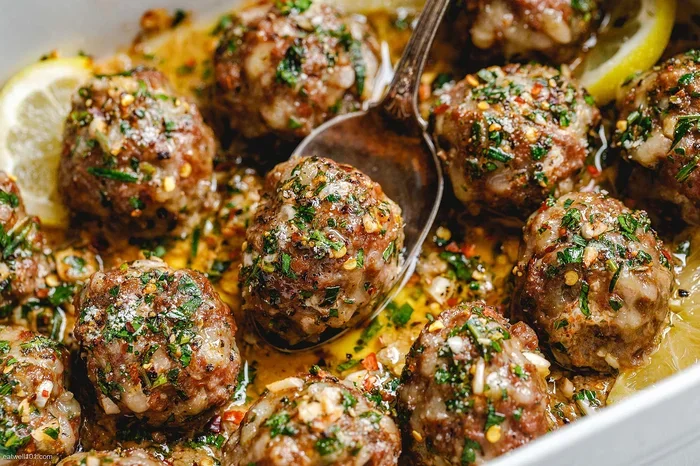
Even without a thermometer, there are visual clues that your meatballs are ready. Fully cooked oven-baked meatballs should have a deep golden-brown color on all sides. They should feel firm to the touch but still have a slight give in the center.
You can also do a quick press test. Gently press the top of a meatball with your finger. If it feels firm and springs back, it is likely done. If it feels soft and squishy, it needs more time in the oven. This simple trick works surprisingly well and takes just a second.
Another trick is to check the juices. When you pierce a meatball with a fork, the juices that run out should be clear, not pink or red. Clear juices are a reliable sign that your seasoned meatballs are fully cooked through. If the juices are still pink, give them a few more minutes.
Final Thoughts On Cooking Homemade Meatballs In The Oven
How Long To Cook Homemade Meatballs In Oven is a question with a straightforward answer once you understand the key factors. The right oven temperature, proper meatball size, and attention to detail make all the difference between average meatballs and truly exceptional ones.
Remember that most standard meatballs bake beautifully at 400°F for 20 to 25 minutes. Use a meat thermometer to confirm the internal temperature reaches 165°F, and always let your meatballs rest before serving. These simple steps ensure juicy, flavorful homemade meatballs every time you cook.
Whether you are making a quick weeknight dinner or preparing a crowd-pleasing meal for guests, oven-baked meatballs are one of the most versatile and satisfying dishes you can make. Now that you have all the tips and timing guidelines, you are ready to create crispy meatballs and tender, juicy centers that everyone will love. Get into the kitchen, try your favorite meatball recipe, and enjoy the process of making something delicious from scratch. Your family and guests will notice the difference, and you will feel proud of every bite.
Frequently Asked Questions
Can I Use A Different Type Of Ground Meat For Homemade Meatballs?
Absolutely. While ground beef is the most popular choice, you can use turkey, chicken, pork, or even a blend of different meats for homemade meatballs. Each type brings a unique flavor and texture. Just make sure the meatball ingredients are balanced properly, especially when using leaner meats like turkey, which may need extra moisture from eggs or breadcrumbs to stay tender.
Can I Cook Homemade Meatballs In A Convection Oven?
Yes, convection ovens work great for meatball baking. Because convection ovens circulate hot air, you can reduce the temperature by about 25°F, so try 375°F instead of 400°F. The meatball cooking time may also be slightly shorter, usually around 18 to 22 minutes for standard-sized meatballs. Always check the internal temperature to confirm doneness and adjust your oven temperature accordingly.
How Do I Reheat Leftover Baked Meatballs?
The best way to reheat oven-baked meatballs is in the oven at 350°F for about 10 to 15 minutes. This keeps the meatball tenderness intact and prevents them from drying out. You can also reheat them in a skillet on the stovetop with a splash of meatball sauce for added moisture and flavor. Avoid microwaving if possible, as it can make the outside rubbery and unevenly heated.
What Is The Difference Between Frying And Baking Meatballs?
Frying vs baking comes down to texture and convenience. Pan-fried meatballs develop a richer, more caramelized crust because of direct contact with hot oil, but they require more attention and add extra fat. Baking is hands-off, healthier, and easier to scale for larger batches. Both methods produce delicious homemade meatballs, so choose based on your preference and how much time you have.
Can I Add Sauce To Meatballs While They Bake?
Yes, you can add meatball sauce during the last 10 minutes of baking. Pour the sauce over the meatballs and return them to the oven to let the flavors meld together. This works beautifully for baked meatballs that will be served over pasta or used in sandwiches. Just be aware that adding sauce may slightly increase the meatball cooking time since the moisture needs to evaporate before the meatballs are fully done.
How Long Do Homemade Meatballs Keep In The Fridge?
Properly stored homemade meatballs last 3 to 4 days in the refrigerator when kept in an airtight container. You can also freeze them for up to 3 months. To reheat frozen meatballs, thaw them overnight in the fridge and bake at 375°F for 15 to 20 minutes. Always ensure the internal temperature reaches 165°F before serving leftovers to keep everyone safe.