How To Make Coffee While Camping In The Great Outdoors
Making great coffee while camping is easier than you think. You do not need fancy equipment or electricity to enjoy a rich, flavorful cup in the great outdoors. This guide covers the best brewing methods, essential gear, and expert tips so you can savor camping coffee at any campsite, from car camping to backcountry trails.
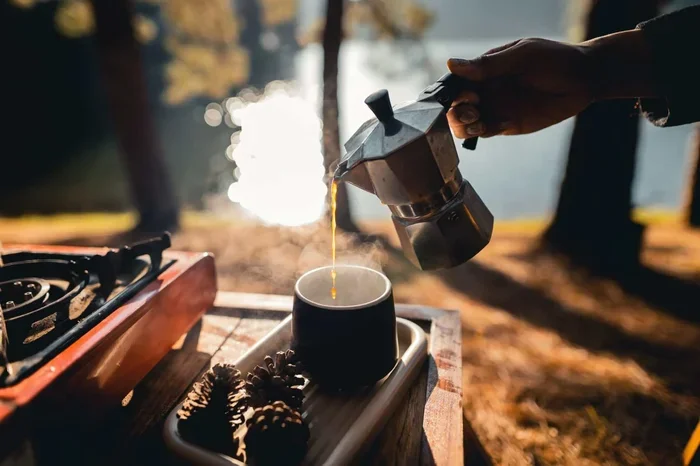
There is something magical about waking up in the wilderness, breathing in fresh pine air, and holding a warm mug of coffee while camping. Whether you are parked at a scenic campsite or deep on a hiking trail, a good cup of coffee can turn an ordinary morning into an unforgettable experience.
Many people think that making great coffee outdoors requires expensive gear or electrical power. That is simply not true. With a few basic tools and the right technique, you can brew a delicious cup of camping coffee almost anywhere. This guide will walk you through every method, every tip, and every mistake to avoid so your morning brew is always on point.
We will cover everything from the simplest instant options to traditional campfire brewing. By the end, you will know exactly which method fits your style, your gear, and your campsite setup. Let us get into it.
Key Takeaways
- Multiple Brewing Methods: Cowboy coffee, French press, pour-over, and instant coffee all work great outdoors without electricity.
- Minimal Gear Needed: A simple kettle, ground coffee, and a heat source are all you need to start.
- Fresh Grounds Matter: Using quality beans and proper water temperature makes a huge difference in taste.
- Campfire Control Is Key: Managing your fire or stove heat prevents bitter, over-extracted coffee.
- Prep Ahead Saves Time: Pre-measuring supplies and packing smart keeps your morning routine fast and enjoyable.
- Clean-Up Is Easy: Proper disposal of grounds and quick rinsing keeps your campsite clean and wildlife-safe.
📑 Table of Contents
- Why Coffee Matters When You Are Camping
- Essential Gear For Making Coffee Outdoors
- Best Coffee Brewing Methods For Camping
- Step-By-Step: Making Coffee Over A Campfire
- Tips For The Perfect Cup Of Camping Coffee
- Common Mistakes To Avoid When Making Coffee While Camping
- Pairing Your Camping Coffee With A Great Breakfast
- Final Thoughts On Making Coffee While Camping
Why Coffee Matters When You Are Camping
A warm cup of coffee does more than just wake you up. It sets the tone for your entire day outdoors. After a cold night sleeping in a tent or a long hike through the woods, there is nothing quite like holding something warm and smelling that rich roasted aroma.
Coffee while camping also becomes a social ritual. Friends gather around the fire pit. Morning conversations flow more easily with a mug in hand. It becomes a small comfort that makes the outdoor experience feel complete.
Beyond the feel-good factor, coffee provides real benefits for outdoor activities. The caffeine boost helps with alertness on hiking trails, keeps you focused during navigation, and fights the grogginess of early morning starts. For many campers, skipping the morning coffee simply feels wrong.
The good news is that preparing coffee in the wild does not have to be complicated. You have several reliable options that range from ultra-simple to more hands-on. Let us explore them.
Essential Gear For Making Coffee Outdoors
Before you try any brewing method, it helps to know what gear you need. The beauty of outdoor coffee brewing is that you can keep things minimal. Here is what to pack.
Basic Camping Coffee Gear
- Heat-resistant kettle or pot: A small titanium or stainless steel kettle works perfectly for boiling water over a fire or camp stove.
- Ground coffee or instant coffee: Choose what suits your taste and convenience level.
- Coffee grinder (optional): A small portable hand grinder lets you crush fresh beans at the campsite for maximum flavor.
- French press or pour-over dripper: These are compact and great for a cleaner, richer cup.
- Mug or camping cup: A durable insulated mug keeps your coffee hot longer.
- Spoon or stirrer: A simple wooden or metal spoon for mixing.
Optional But Nice-To-Have Gear
- Portable camping stove: A reliable stove gives you consistent heat without relying on a campfire.
- Insulated coffee thermos: Great for brewing ahead and keeping coffee hot during a morning hike.
- Coffee filter (pour-over style): Removes sediment for a cleaner taste.
- Measuring spoon: Helps you get the right coffee-to-water ratio every time.
You do not need all of this gear at once. Start with a kettle and your favorite coffee, and build from there. The goal is to make coffee while camping easy and enjoyable, not stressful.
Best Coffee Brewing Methods For Camping
Not all brewing methods work equally well outdoors. Some require electricity, while others thrive in a wilderness setting. Here are the top methods that deliver great results at the campsite.
Cowboy Coffee (The Classic Campfire Method)
Cowboy coffee is the oldest and most traditional way to brew coffee outdoors. It requires almost nothing: hot water, ground coffee, and a pot. This method has been used by cowboys, hikers, and campers for generations.
Here is how to make it:
- Boil water in your kettle or pot over the fire or stove.
- Remove the pot from heat and let it cool for about 30 seconds.
- Add two tablespoons of ground coffee per cup of water.
- Stir gently and let the grounds settle for 3 to 4 minutes.
- Pour slowly into your mug, leaving the grounds at the bottom of the pot.
The result is a bold, full-bodied cup with a slightly heavier mouthfeel. Some people love the rustic charm of cowboy coffee. Others find the sediment off-putting. If that is the case, try using a fine mesh strainer when pouring.
French Press Camping Coffee
A French press is one of the best ways to make rich, smooth coffee at a campsite. It is compact, easy to use, and produces consistent results every time.
Steps for a perfect French press cup outdoors:
- Boil water and let it cool slightly to about 200°F (93°C).
- Add coarsely ground coffee to the French press (use 1 tablespoon per 4 ounces of water).
- Pour hot water over the grounds and stir gently.
- Place the lid on and steep for 4 minutes.
- Press the plunger down slowly and pour immediately.
The French press extracts more oils from the coffee, giving you a fuller flavor compared to drip methods. It also doubles as a container for serving, which makes cleanup simple. Just rinse out the grounds and you are done.
Pour-Over Dripper For Clean Camping Coffee
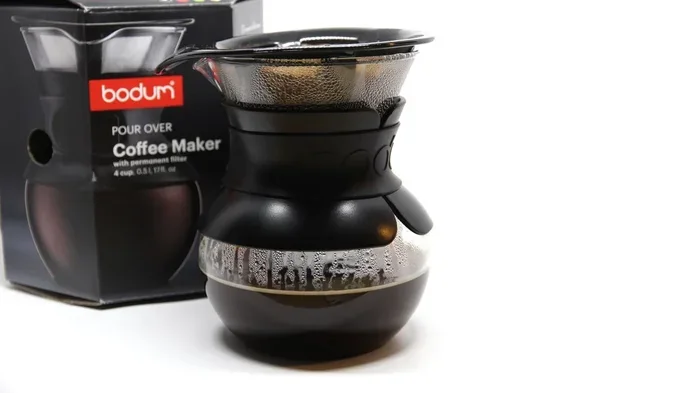
A lightweight pour-over dripper with a paper filter produces one of the cleanest cups of coffee you can make outdoors. It is a favorite among campers who want a lighter, brighter flavor profile.
To use a pour-over dripper while camping:
- Place the dripper on top of your mug or a sturdy cup.
- Add a paper filter and rinse it with hot water (this removes paper taste).
- Add medium-ground coffee (about 2 tablespoons per 6 ounces of water).
- Pour hot water slowly in a circular motion over the grounds.
- Let it drip through and enjoy a clean, sediment-free cup.
Pour-over coffee gives you more control over brewing time and water temperature. It does take a little more patience, but many campers say it is worth the extra effort.
Instant Coffee (The Quick And Easy Option)
Do not underestimate instant coffee when you are in the backcountry. It is lightweight, requires no special equipment, and takes seconds to prepare. Modern instant coffee has come a long way in taste and quality.
Simply boil water, pour it into your mug, stir in a spoonful of instant coffee, and you are done. It is the go-to choice for hikers and ultralight campers who want to minimize pack weight.
If you want to elevate instant coffee outdoors, try adding a small splash of hot milk or a dash of cinnamon. It makes a surprising difference in flavor.
Step-By-Step: Making Coffee Over A Campfire
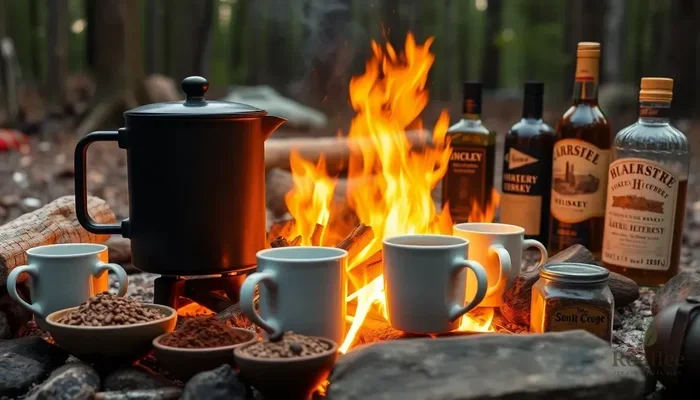
Brewing coffee over a campfire adds a special charm to your outdoor morning. But it also requires a bit of technique to get the water temperature right. Too much heat and your coffee turns bitter. Too little and it under-extracts and tastes weak.
Building The Right Fire
You want a steady bed of hot coals, not a roaring flame. Flames can be uneven and too intense for controlled brewing. Let your fire burn down until you have a solid bed of glowing embers. This provides gentle, consistent heat that is ideal for outdoor coffee brewing.
If you are using a camp stove, simply set the heat to medium. You want the water to reach a boil, then pull it off the heat briefly before adding your coffee grounds.
The Right Water Temperature
Water that is boiling (212°F or 100°C) is too hot for optimal extraction. It can scorch the coffee grounds and create a bitter taste. The ideal temperature for brewing coffee is between 195°F and 205°F (90°C to 96°C).
A simple trick is to let boiling water sit for 30 to 45 seconds before pouring it over your grounds. This brings the temperature into the sweet spot for a smooth, balanced cup.
Timing Your Brew
Brewing time matters just as much as temperature. For cowboy coffee, let the grounds steep for 3 to 4 minutes. For a French press, 4 minutes is the sweet spot. Pour-over methods usually take 2 to 3 minutes from first pour to final drip.
If you brew too long, the coffee becomes over-extracted and bitter. Too short and it tastes sour or weak. Finding the right balance takes a little practice, but once you nail it, you will never go back to bad campsite coffee.
Tips For The Perfect Cup Of Camping Coffee
Making coffee while camping is part art, part science. A few small adjustments can dramatically improve your results. Here are the tips that make the biggest difference.
Use Fresh, Quality Coffee Beans
The quality of your coffee starts with the beans. Pack whole beans and grind them fresh at the campsite if possible. Pre-ground coffee loses flavor faster, especially when exposed to air and moisture outdoors. A small portable grinder takes up minimal space and makes a noticeable taste difference.
Store Coffee Properly
Keep your coffee in an airtight container to protect it from moisture and odors. Coffee can absorb smells from your cooler or food supplies, which affects flavor. A small sealed bag or airtight jar works perfectly.
Experiment With Ratios
Everyone has different taste preferences. Start with a standard ratio of 1 to 2 tablespoons of coffee per 6 ounces of water, then adjust from there. If your coffee tastes too strong, use less grounds. If it tastes weak, add more.
Keep Your Water Clean
Always use clean, filtered water if possible. If you are drawing water from a natural source, boil it first to remove impurities. The cleaner your water, the better your coffee will taste.
Pre-Heat Your Mug
Fill your mug with hot water while you brew the coffee. This keeps the mug warm and prevents your coffee from cooling too fast. It is a small step that makes a big difference in enjoyment.
Pack A Thermos For Later
If you want coffee to last through a morning hike, brew a full pot and pour it into an insulated thermos. A good thermos keeps coffee hot for 6 to 8 hours, giving you a warm cup whenever you need it.
Common Mistakes To Avoid When Making Coffee While Camping
Even experienced campers sometimes make mistakes that ruin their morning coffee. Here are the most common ones and how to avoid them.
Using Water That Is Too Hot
Boiling water poured directly onto grounds creates a harsh, bitter taste. Always let the water cool slightly before brewing. This single adjustment can transform your campsite coffee.
Using The Wrong Grind Size
Different brewing methods need different grind sizes. Cowboy coffee and French press work best with coarse grounds. Pour-over needs a medium grind. Using the wrong size leads to over-extraction or gritty coffee in your cup.
Not Letting Grounds Settle
One of the biggest mistakes with cowboy coffee is pouring too quickly. Give the grounds time to settle at the bottom of the pot. Pour slowly and carefully to avoid stirring them up.
Skipping The Clean-Up
Leaving coffee grounds at your campsite attracts wildlife and harms the environment. Always scatter used grounds widely or pack them out with your trash. Leave your campsite as clean as you found it.
Forgetting To Bring Enough Coffee
Nothing ruins a camping trip faster than running out of coffee on the second morning. Always pack more than you think you will need. It is better to have extra than to face a coffee-less morning in the woods.
Pairing Your Camping Coffee With A Great Breakfast
A perfect camping morning is not complete without a good breakfast. Coffee while camping pairs beautifully with simple, hearty foods that are easy to prepare outdoors. Think warm toast, scrambled eggs cooked on a camp stove, or even a simple breakfast wrap.
If you are interested in cooking more at your campsite, you might enjoy learning how to make bread without oven and yeast for fresh morning toast using just a few ingredients and a campfire heat source.
For those who love outdoor cooking setups, building a solar oven with aluminum foil is a fun project that can expand your outdoor cooking options beyond just coffee. It opens up possibilities for warming meals using nothing but the sun.
These outdoor cooking skills complement your morning coffee routine perfectly. Together, they turn a basic campsite into a mini outdoor kitchen where you can enjoy a full, satisfying breakfast every morning of your trip.
Final Thoughts On Making Coffee While Camping
Making coffee while camping does not have to be complicated or disappointing. With the right method, the right gear, and a little practice, you can enjoy a cup of coffee in the wild that rivals anything you would brew at home.
Whether you prefer the simplicity of cowboy coffee, the richness of a French press, or the speed of instant coffee, there is a method that fits every camping style. The key is to experiment, find what you love, and make it part of your outdoor routine.
Next time you head out on a camping trip, pack your coffee supplies with confidence. You have the knowledge and the skills to start every morning the right way. The wilderness is beautiful, and a great cup of camping coffee makes it even better.
So grab your kettle, measure out your grounds, and take a moment to enjoy the quiet magic of a morning cup in the great outdoors. You have earned it.
Frequently Asked Questions
What Is The Best Method For Making Coffee While Camping?
The best method depends on your gear and preferences. Cowboy coffee is the simplest and requires the least equipment. A French press produces the richest flavor and is very portable. For the cleanest cup, a pour-over dripper with a paper filter is hard to beat. Instant coffee remains the lightest and fastest option for backpackers.
Can You Make Coffee While Camping Without A Campfire?
Absolutely. A portable camping stove, a thermos of hot water from home, or even a solar oven can provide the heat you need. The key is having a reliable heat source and hot water. Many campers use a small propane stove that works in any weather and at any campsite.
How Do You Keep Coffee Hot While Camping?
The best way is to use an insulated thermos or an insulated camping mug. Pre-heat the container with hot water before pouring in your brewed coffee. This keeps your coffee hot for several hours. A French press also retains heat well if you leave the lid on between pours.
What Type Of Coffee Grounds Work Best For Camping?
Medium to coarse grounds work best for most outdoor brewing methods. Coarse grounds are ideal for cowboy coffee and French press because they settle more easily and reduce sediment. Avoid very fine grounds as they can make your coffee gritty and over-extract quickly outdoors.
How Do You Dispose Of Coffee Grounds While Camping?
Scatter used coffee grounds widely at least 200 feet away from water sources and trails. This prevents concentrated waste and discourages wildlife from approaching your campsite. Alternatively, pack the grounds out in a sealed bag to leave no trace.
Can You Use Instant Coffee For Camping And Still Get Good Flavor?
Yes, modern instant coffee has improved significantly in taste and quality. Look for freeze-dried instant coffee rather than traditional spray-dried versions for the best flavor. You can also add a small pinch of salt or a splash of milk to enhance the taste and reduce any bitterness.