Can U Put Toothpicks In The Oven Without Burning It
Yes, you can put toothpicks in the oven, but only under the right conditions. Wooden toothpicks can handle moderate heat when soaked in water first, while metal and bamboo options offer even more durability. Understanding toothpick burning points, oven-safe practices, and common mistakes will keep your baked goods safe and your kitchen fire-free.
Have you ever been halfway through a recipe and suddenly wondered whether those little wooden sticks can survive the heat? Can u put toothpicks in the oven without causing a mess or a fire? It is a question home cooks ask more often than you might expect.
The short answer is yes, but with important caveats. Putting toothpicks in the oven comes with real risks if you do not know what you are doing. Toothpicks in the oven can work perfectly fine when you follow a few simple safety rules. Get it wrong, though, and you could be dealing with smoke, burnt food, or worse.
This guide walks you through everything you need to know about using toothpicks in the oven safely. We will cover what happens when wood meets high heat, which types of toothpicks hold up best, and exactly how to prep them so they do not burn. By the time you finish reading, you will know exactly how to use toothpicks in your next baking project with full confidence.
Key Takeaways
- Soaked wooden toothpicks are generally oven-safe up to about 350°F when properly prepared.
- Unsoaked toothpicks can ignite quickly at high temperatures, creating a fire hazard in your oven.
- Metal toothpicks and bamboo skewers are excellent oven-safe alternatives that can handle much higher heat.
- Always soak wooden toothpicks for at least 20 minutes before placing them in any heated oven.
- Keep toothpicks away from heating elements and never leave them unattended while baking.
- Use toothpicks for short baking intervals rather than leaving them in for the entire cook time.
- Know when to remove toothpicks from baked goods to prevent accidental burning during serving.
📑 Table of Contents
- What Happens When You Put Toothpicks in the Oven
- Can You Put Toothpicks in the Oven Safely?
- How to Prepare Toothpicks for Oven Use
- Types of Toothpicks and Their Oven Safety
- Common Mistakes When Using Toothpicks in the Oven
- Best Practices for Baking With Toothpicks
- Expert Insights on Toothpick Oven Safety
- Toothpick Burning Prevention: A Summary
- Conclusion
What Happens When You Put Toothpicks in the Oven
Understanding the science behind toothpicks and heat helps you make smarter choices in the kitchen. Not all toothpicks behave the same way when exposed to oven temperatures. The outcome depends on several key factors.
The Science Behind Toothpicks and Heat
Most toothpicks are made from dried hardwood or birch wood. When wood heats up, it loses moisture gradually. As the moisture disappears, the material becomes more brittle and flammable. This is the basic reason why toothpick burning happens inside an oven.
At lower temperatures, around 200°F to 250°F, a toothpick will simply dry out further. It may turn slightly brown but usually does not catch fire. However, once temperatures climb above 350°F, the risk increases significantly. The dry wood reaches its toothpick burning point and can start to smolder or ignite.
It is not just the temperature that matters. The length of exposure plays a huge role too. A toothpick that spends five minutes in a 375°F oven behaves very differently from one that sits there for an hour. Moisture content, wood type, and whether the toothpick has been treated also affect the outcome.
At What Temperature Do Toothpicks Burn?
Most untreated wooden toothpicks begin to char at around 300°F to 350°F. They can fully ignite at temperatures above 400°F if left unattended. This is why many baking recipes set at 350°F or lower are generally safe for short toothpick use.
Here is a simple breakdown of what happens at different temperature ranges:
- Below 250°F: Toothpicks dry out but rarely burn. Safe for short periods.
- 250°F to 350°F: Toothpicks may brown and become fragile. Soaking them first is strongly recommended.
- 350°F to 400°F: Unsoaked toothpicks can smolder or catch fire. Soaked toothpicks may still hold up but are at higher risk.
- Above 400°F: Most wooden toothpicks will ignite quickly. Avoid using them at these temperatures entirely.
Knowing these thresholds helps you decide when toothpicks in the oven are safe and when they are not. Always keep an oven thermometer handy to know exactly what temperature your oven is running at.
Can You Put Toothpicks in the Oven Safely?
The good news is that you can use toothpicks in the oven safely if you take the right precautions. Safety comes down to three main factors: preparation, temperature, and timing.
Factors That Affect Toothpick Safety
Not every toothpick situation is the same. Several factors determine whether your toothpicks will survive the heat:
- Toothpick material: Wooden, bamboo, metal, and plastic toothpicks all react differently to heat. Wooden toothpicks are the most common but also the most vulnerable.
- Moisture content: A soaked toothpick is far more heat-resistant than a dry one. Water acts as a natural buffer against high temperatures.
- Oven temperature: Lower temperatures are always safer for wooden toothpicks. High-heat baking demands extra caution.
- Exposure time: Short bursts of heat are much safer than prolonged exposure. A toothpick used to hold a pastry together for 15 minutes is far less risky than one left in for an hour.
- Position in the oven: Toothpicks near the top heating element or close to the oven walls face more direct heat and burn faster.
When you control these factors, can toothpicks go in the oven becomes a much easier question to answer. Preparation is everything.
How Long Can Toothpicks Stay in the Oven?
The safest approach is to limit toothpick exposure to the minimum time needed. For most baking tasks, this means 15 to 30 minutes at moderate temperatures. If you are using toothpicks to hold a stuffed pepper or a rolled pastry together, remove them as soon as the food is done.
Never leave toothpicks in the oven for an entire baking cycle unless you have soaked them thoroughly and the temperature stays below 325°F. Even then, keep a close eye on them. If you see smoke or smell anything burning, open the oven door carefully and remove the toothpicks immediately.
How to Prepare Toothpicks for Oven Use
Preparation is the single most important step when using toothpicks in the oven. A few simple steps can dramatically reduce the risk of burning and make your baking experience much safer.
Soaking Toothpicks in Water
The most effective way to protect wooden toothpicks from heat is to soak them in water before use. Soaking gives the toothpick extra moisture, which helps it resist drying out and igniting inside the oven.
Here is how to do it properly:
- Place your toothpicks in a small bowl of room-temperature water.
- Let them soak for at least 20 minutes. Longer soaking is even better.
- Remove the toothpicks and shake off excess water before inserting them into food.
- Place the food with toothpicks into the oven as planned.
Soaked toothpicks can handle temperatures up to 350°F for short periods much better than dry ones. The water inside the toothpick creates a cooling effect as it slowly evaporates, which helps prevent ignition.
Some experienced bakers even soak toothpicks in flavored liquids like olive oil or fruit juice. This adds a subtle flavor to the dish while still providing heat protection. Just make sure the liquid is not flammable and avoid alcohol-based soaks.
Using Toothpick Shields or Holders
If you want an extra layer of safety, consider using a toothpick shield or holder. These simple tools keep toothpicks elevated away from direct heat sources inside the oven.
You can make a DIY shield using a small piece of aluminum foil. Simply fold it into a loose cradle that holds the food and toothpicks without touching the oven rack directly. This reduces the risk of the toothpicks touching super-hot metal surfaces.
Another option is to use a small oven-safe dish or ramekin to hold the food upright. This keeps the toothpicks positioned in the center of the dish, away from the oven walls and heating elements.
Types of Toothpicks and Their Oven Safety
Not all toothpicks are created equal. The type of toothpick you choose has a big impact on how safe it is to use in the oven. Let us look at the most common options.
Wooden Toothpicks
Wooden toothpicks are the most popular and widely available option. They are inexpensive and work well for many baking tasks. However, they are also the most likely to burn if not prepared correctly.
Wooden toothpicks in the oven are safe when you follow these rules:
- Always soak them in water for at least 20 minutes before use.
- Keep oven temperatures at or below 350°F.
- Limit their time inside the oven to the minimum needed.
- Place them away from direct heat sources.
Even with these precautions, wooden toothpicks are not completely fireproof. They are best suited for short baking tasks and moderate temperatures. If your recipe requires high heat or long cooking times, consider switching to a more oven-safe alternative.
Metal and Metal-Free Alternatives
Metal toothpicks and metal-free alternatives are the safest option for oven use. They can handle much higher temperatures without any risk of burning or ignition.
Common oven-safe alternatives include:
- Metal cocktail picks: These are sturdy, reusable, and completely oven-safe. They can handle temperatures well above 500°F.
- Bamboo skewers: Bamboo is denser than regular wood and can withstand higher heat. Soak them before use for best results.
- Metal lollipop sticks: These work great for larger baked goods and are fully oven-safe.
- Ceramic picks: Some decorative picks are made from heat-resistant ceramic and can go in the oven.
If you frequently bake dishes that require toothpicks, investing in a set of oven-safe cooking sticks is a smart move. They are reusable, durable, and eliminate the guesswork entirely.
Bamboo Skewers vs Toothpicks
Bamboo skewers are often a better choice than standard wooden toothpicks for oven use. They are thicker, which means they hold more moisture and resist drying out faster. A standard bamboo skewer can handle oven temperatures of 375°F to 400°F for moderate cooking times.
That said, bamboo skewers are not indestructible. They can still burn if left in the oven too long or exposed to temperatures above 450°F. Always soak them for at least 30 minutes before using them in the oven, and trim the pointed ends if they could scratch your baking dish.
Common Mistakes When Using Toothpicks in the Oven
Even experienced cooks make mistakes when it comes to toothpick safety. Knowing the most common errors can help you avoid them and keep your kitchen safe.
Using Unsoaked Toothpicks
This is the number one mistake people make. Putting a dry wooden toothpick into a hot oven is asking for trouble. The dry wood heats up quickly, loses its remaining moisture, and becomes highly flammable.
Always soak your toothpicks. It takes just 20 minutes and makes a massive difference. If you are short on time, even a quick 5-minute soak is better than nothing. But 20 minutes is the sweet spot for reliable protection.
Placing Toothpicks Too Close to Heating Elements
Ovens have hot spots, especially near the top and bottom heating elements. Toothpicks placed directly under the top element or against the bottom of the oven are at a much higher risk of burning.
Position your food in the center of the oven rack whenever possible. This keeps toothpicks away from the most intense heat sources and promotes more even baking. If you are using multiple toothpicks, make sure they are not touching each other or the edges of the baking dish.
Leaving Toothpicks in for the Entire Bake Time
Many people leave toothpicks in their dish for the full baking time because it is convenient. But this significantly increases the risk of burning. Toothpicks should be in the oven for as little time as possible.
If you are using toothpicks to hold food together, consider removing them after the first 20 to 30 minutes of baking if the food has had time to set. This reduces exposure time and keeps your toothpicks intact.
Using Toothpicks to Test Doneness and Leaving Them In
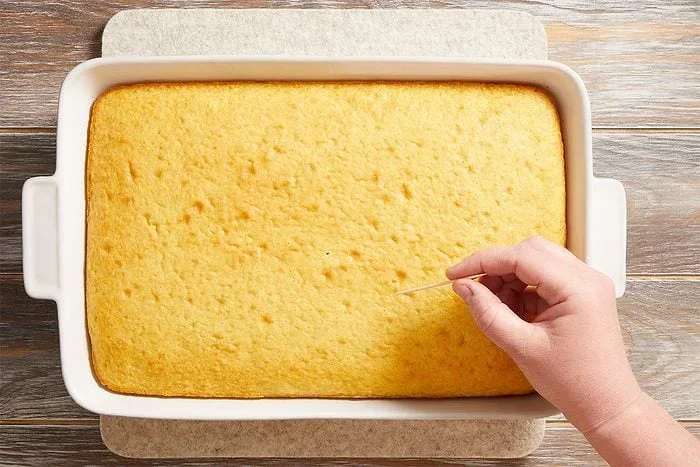
The classic toothpick test for cake doneness is a great technique. But a common mistake is pulling the toothpick out, checking it, and then forgetting to remove it before serving. A toothpick left in a finished baked good can surprise someone at the table.
Always remember to remove every toothpick before serving your dish. Count them out or place them on a separate plate while you bake so you do not lose track.
Best Practices for Baking With Toothpicks
Following a few best practices can make the difference between a smooth baking session and a stressful one. These tips will help you use toothpicks in the oven with confidence every time.
Toothpick Tests for Doneness
The toothpick test is one of the most reliable ways to check if cakes, muffins, and quick breads are done. Here is how to do it right:
- Insert a toothpick into the thickest part of the baked good.
- Wait for 10 to 15 seconds before pulling it out.
- If the toothpick comes out clean or with a few dry crumbs, the baked good is done.
- If wet batter clings to the toothpick, bake for a few more minutes and test again.
Use a fresh toothpick for each test to get accurate results. Reusing a toothpick that has already absorbed batter can give you a false reading.
Oven-Safe Toothpick Alternatives
If you find yourself worried about toothpicks every time you bake, there are several great alternatives to consider:
- Metal cocktail forks: Small and sturdy, these work perfectly for testing doneness and holding food together.
- Bamboo skewers: Thicker and more heat-resistant than wooden toothpicks.
- Pastry brushes: For applying glazes and checking moisture levels without any sticks involved.
- Oven-safe food picks: These are specifically designed for high-heat cooking and come in various materials.
Having a few of these alternatives on hand means you never have to worry about whether your toothpicks will survive the oven. It is a small investment that pays off every time you bake.
Quick Tips for Toothpick Safety
- Always keep a fire extinguisher or baking soda nearby when using toothpicks in the oven.
- Never leave the oven unattended if you have toothpicks inside.
- Use the lowest effective oven temperature for recipes that require toothpicks.
- Label your toothpicks as oven-safe or not to avoid confusion.
- Store soaked toothpicks in a damp towel until you are ready to use them.
- Discard any toothpick that looks charred or damaged before placing it in the oven.
- Teach children about toothpick safety in the kitchen to prevent accidents.
Expert Insights on Toothpick Oven Safety
Professional bakers and culinary experts agree on a few key points when it comes to toothpick use in the oven. Their insights can help you bake more safely and confidently.
Chef Maria Torres, a professional pastry chef with over 15 years of experience, recommends always soaking toothpicks before oven use. She says, “The soaking step takes almost no time, but it makes a huge difference. I have never had a toothpick burn in my oven when I follow this simple step.”
Food safety experts also emphasize the importance of using toothpicks only for their intended purpose. Toothpicks are designed for picking and holding small items, not for supporting heavy food structures at high temperatures. If your recipe requires something to hold a heavy filling in place for an extended bake, consider using a toothpick alternative like a metal skewer or a wooden cocktail stick.
Another expert tip is to trim toothpicks to the appropriate length before inserting them into food. Long toothpicks that stick out far from the food are more likely to catch heat from above and burn. A trimmed toothpick sits closer to the food and is less exposed to direct oven heat.
Experts also recommend keeping a close eye on your oven when toothpicks are inside. Modern ovens with convection settings can create hot spots that are not always visible. Rotating your baking dish halfway through cooking helps distribute heat more evenly and reduces the risk of one side of the dish overheating the toothpicks.
Toothpick Burning Prevention: A Summary
Preventing toothpicks from burning in the oven comes down to a few core principles. Soak them, keep temperatures moderate, limit exposure time, and position them away from direct heat sources. These four steps cover the vast majority of toothpick safety concerns.
If you follow these guidelines every time you use toothpicks in the oven, you will rarely encounter any problems. The key is building these habits into your regular baking routine so they become second nature.
Remember that toothpick safety in the oven is not just about protecting your food. It is also about protecting your kitchen and your family. A small fire caused by an unattended toothpick can escalate quickly. Taking a few extra minutes to prepare properly is always worth it.
Conclusion
So, can u put toothpicks in the oven? Absolutely yes, as long as you do it the right way. Toothpicks in the oven are safe when you soak them properly, keep oven temperatures moderate, and limit their time inside the heat. Understanding toothpick burning points and oven-safe toothpick practices gives you the knowledge to bake with confidence.
Whether you are testing cake doneness, holding a stuffed pepper together, or securing a pastry roll, toothpicks can be a useful kitchen tool. Just remember to soak them, position them carefully, and never leave them unattended. And when in doubt, reach for a metal or bamboo alternative that can handle the heat without any worry.
Use the tips and guidelines in this article every time you bake, and you will keep your kitchen safe while enjoying perfectly baked treats. Toothpick oven safety is easy once you know the rules. Follow them, and you will never have to worry about a burning toothpick again.
Frequently Asked Questions
Can wooden toothpicks catch fire in the oven?
Yes, unsoaked wooden toothpicks can catch fire at temperatures above 400°F. Soaking them in water for at least 20 minutes significantly reduces this risk and makes them safe for use at moderate oven temperatures up to 350°F.
What is the best temperature to use toothpicks in the oven?
The safest temperature for using wooden toothpicks in the oven is below 350°F. At this range, soaked toothpicks can handle the heat without burning. For higher temperatures, switch to metal or bamboo alternatives that are fully oven-safe.
How long can you leave toothpicks in the oven?
Toothpicks should only be in the oven for the minimum time needed, typically 15 to 30 minutes. For best results, remove them as soon as your dish is done. Never leave toothpicks in the oven for an entire extended baking cycle without soaking them thoroughly first.
Are metal toothpicks safer than wooden toothpicks for oven use?
Yes, metal toothpicks are much safer for oven use. They can handle temperatures well above 500°F without any risk of burning or ignition. They are reusable, durable, and eliminate the fire hazard associated with wooden toothpicks.
Can you put toothpicks in a toaster oven?
Yes, but with extra caution. Toaster ovens heat up faster and can reach higher temperatures at the top element. Always soak wooden toothpicks, keep temperatures below 325°F, and position the food in the center of the toaster oven away from the heating elements.
What are some alternatives to toothpicks for testing cake doneness?
Metal cocktail forks, thin bamboo skewers, and oven-safe food picks are all excellent alternatives. They are more heat-resistant than wooden toothpicks and can be reused many times. Some bakers also use a thin knife or cake tester for the same purpose.