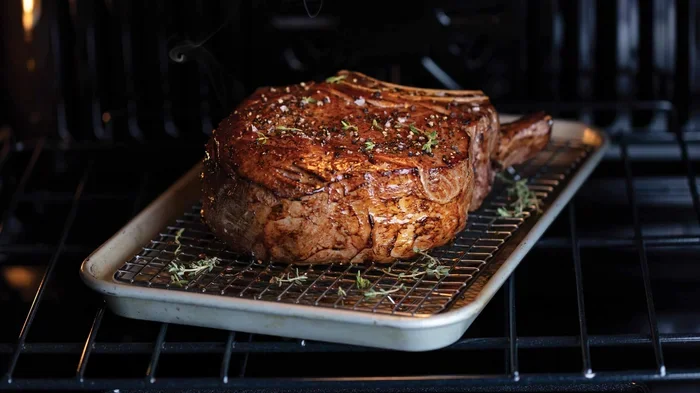
How Long Do You Cook Ribeye Steaks In The Oven Guide
Cooking ribeye steaks in the oven is easier than you think. The right temperature and timing make all the difference between a tough steak and a juicy masterpiece. This guide covers everything from oven-baked steak basics to pro-level techniques. You will learn exact cook times for every thickness and doneness level.
There is nothing quite like a perfectly cooked ribeye steak. The sizzle. The aroma. That first juicy bite that melts on your tongue. Whether you are a beginner cook or someone who grills often, learning how to cook ribeye in the oven opens up a world of possibilities.
Many people think steak belongs only on the grill. But your oven can deliver incredible results too. The beauty of oven-baked steak is the control it gives you. You set the temperature. You watch the time. You decide exactly how done you want it.
This guide answers one simple question in full detail: how long do you cook ribeye steaks in the oven. But we go way beyond just timing. You will learn about temperatures, seasoning, resting, and common mistakes. By the end, you will feel confident cooking ribeye steak in the oven like a pro.
Let us start with the basics and work our way up to advanced techniques. No matter your skill level, there is something here for you.
Key Takeaways
- Oven temperature matters most: 400°F to 450°F is the sweet spot for ribeye steak cooking.
- Thickness determines time: A 1-inch ribeye takes about 10 minutes, while a 2-inch steak needs 15 to 20 minutes.
- Use a meat thermometer: Internal temperature is the only reliable way to check doneness.
- Rest your steak: Letting it sit for 5 to 10 minutes keeps juices locked in.
- Season simply: Salt, pepper, garlic, and butter create incredible flavor without complicating things.
- The reverse sear method works wonders: Low oven heat followed by a hot sear gives perfect edge-to-edge doneness.
📑 Table of Contents
- What Is the Best Oven Temperature for Ribeye Steaks
- How Long to Cook Ribeye Steak in the Oven by Thickness
- Step-by-Step Guide to Cooking Ribeye in the Oven
- The Reverse Sear Method for Oven Ribeye Steaks
- Ribeye Steak Doneness and Internal Temperatures
- Common Mistakes to Avoid When Cooking Ribeye in the Oven
- Seasoning Ideas and Flavor Boosters for Oven Ribeye
- Quick Tips for Perfect Oven Ribeye Every Time
- Conclusion
What Is the Best Oven Temperature for Ribeye Steaks
Temperature is the foundation of every great oven-baked steak. Get this wrong, and even the best cut of ribeye will disappoint. Get it right, and you are halfway to a perfect meal.
Why Temperature Control Matters
Your oven needs to be hot enough to create a beautiful crust on the outside. At the same time, it must cook the inside evenly without drying it out. Too low, and the steak takes forever. Too high, and the outside burns before the inside is done.
The ideal oven temperature for ribeye steak falls between 400°F and 450°F. This range works for most standard thicknesses. It gives you a nice sear effect inside the oven while cooking the meat through gently.
Temperature Based on Steak Thickness
Not all ribeye steaks are the same. Thickness changes everything. Here is a quick breakdown:
- 1-inch thick ribeye: Use 425°F to 450°F for faster cooking.
- 1.5-inch thick ribeye: 400°F to 425°F works perfectly.
- 2-inch thick ribeye: Drop to 375°F to 400°F for even cooking.
- Bone-in ribeye: Add a few extra minutes at any temperature.
These numbers are starting points. Your oven may run hot or cold. Always trust a meat thermometer over the clock.
How Long to Cook Ribeye Steak in the Oven by Thickness
Now let us get to the heart of the matter. The cooking time depends on three things: thickness, desired doneness, and whether you seared first. Here are the numbers you need.
Cooking Times for 1-Inch Ribeye Steaks
A 1-inch ribeye is a quick cook. At 425°F, here is what to expect:
- Rare: 6 to 8 minutes total
- Medium Rare: 8 to 10 minutes total
- Medium: 10 to 12 minutes total
- Well Done: 12 to 14 minutes total
These times assume no prior searing. If you sear the steak first on the stove, reduce oven time by about 2 minutes.
Cooking Times for 1.5-Inch Ribeye Steaks
A thicker steak needs more time. At 400°F:
- Rare: 10 to 12 minutes
- Medium Rare: 12 to 15 minutes
- Medium: 15 to 18 minutes
- Well Done: 18 to 22 minutes
Remember, these are approximate. The only way to know for sure is to check the internal temperature.
Cooking Times for 2-Inch Ribeye Steaks
Thick-cut ribeye steaks need patience. At 375°F to 400°F:
- Rare: 14 to 17 minutes
- Medium Rare: 17 to 20 minutes
- Medium: 20 to 24 minutes
- Well Done: 24 to 28 minutes
For a bone-in 2-inch ribeye, add 3 to 5 minutes to each range. The bone slows heat transfer slightly.
Step-by-Step Guide to Cooking Ribeye in the Oven
Now that you know the times and temperatures, let us walk through the full process. Follow these steps for consistently great results.
Step 1: Take the Steak Out Early
Remove your ribeye from the refrigerator 30 to 45 minutes before cooking. Let it come to room temperature. This simple step ensures the steak cooks evenly. A cold steak going into a hot oven creates uneven results.
Step 2: Season Generously
Keep it simple. Coarse salt and freshly ground black pepper work wonders. Some people add garlic powder or smoked paprika. If you like butter-basted steak, set out some softened butter with minced garlic and fresh herbs.
Do not be shy with the salt. It draws out moisture at first, but that moisture gets reabsorbed. The result is a flavorful crust.
Step 3: Preheat Your Oven
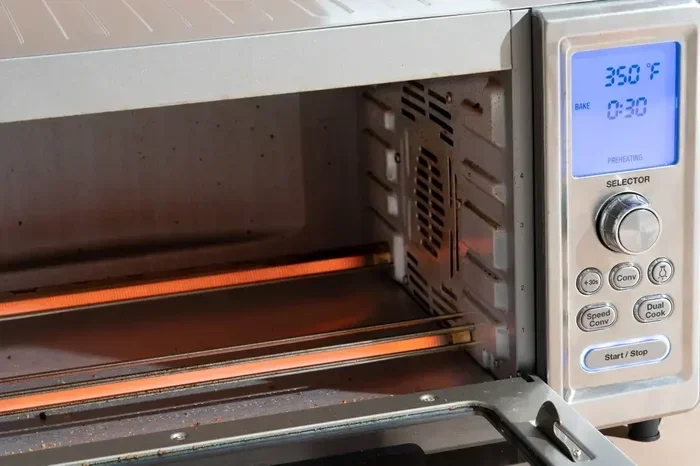
Preheat to your target temperature while the steak rests. Give the oven at least 15 to 20 minutes to reach full heat. A properly preheated oven cooks more evenly.
Step 4: Sear First (Optional but Recommended)
For the best flavor, sear your ribeye on the stove before putting it in the oven. Heat a cast iron skillet over high heat with a little oil. Sear each side for 1 to 2 minutes until a deep brown crust forms.
This step is not mandatory. You can place the steak directly in the oven. But searing adds incredible depth of flavor.
Step 5: Place in the Oven on a Rack
Use a wire rack set over a baking sheet. This allows hot air to circulate around the steak. It prevents the bottom from getting soggy. If you do not have a rack, a metal oven-safe pan works too.
Step 6: Check Temperature and Rest
Pull the steak when it is 5 degrees below your target doneness. The temperature will rise during resting. Let the steak rest for 5 to 10 minutes before cutting. This is one of the most overlooked ribeye steak tips.
Resting allows the juices to redistribute. Skip this step, and your steak will be dry.
The Reverse Sear Method for Oven Ribeye Steaks
The reverse sear method has become a favorite among steak lovers. It works beautifully for thicker cuts of ribeye. Instead of searing first and finishing in the oven, you do the opposite.
How the Reverse Sear Works
You start by cooking the ribeye in a low oven, around 250°F to 275°F. This gently brings the steak up to your target internal temperature. Then you finish with a quick, hot sear on the stove.
The result? Perfect edge-to-edge doneness. No gray band on the outside. No overcooked edges. Just uniform color from crust to center.
Reverse Sear Timing Guide
Here is a rough timeline for the reverse sear method:
- 1-inch ribeye: 15 to 20 minutes in the oven, then 1 to 2 minutes per side on the skillet.
- 1.5-inch ribeye: 25 to 35 minutes in the oven, then 1 to 2 minutes per side.
- 2-inch ribeye: 35 to 45 minutes in the oven, then 1 to 2 minutes per side.
Use a meat thermometer during the low oven phase. Pull the steak when it hits 10 to 15 degrees below your target doneness. The sear will raise it the rest of the way.
Who Should Use the Reverse Sear
This method is ideal for thick-cut ribeye steaks. If your steak is 1.5 inches or thicker, give it a try. It takes more patience, but the results are restaurant-quality. Thin steaks under 1 inch do not work as well with this method.
Ribeye Steak Doneness and Internal Temperatures
Knowing when your steak is done is a skill every home cook needs. The oven timer is a guide, but the meat thermometer is the truth.
Temperature Chart for Ribeye Steak
Here is the complete ribeye steak temperature guide:
- Rare: 120°F to 125°F internal temperature
- Medium Rare: 130°F to 135°F internal temperature
- Medium: 140°F to 145°F internal temperature
- Medium Well: 150°F to 155°F internal temperature
- Well Done: 160°F and above
Most steak lovers prefer medium rare. This is where the ribeye is juiciest with the best flavor. The fat has melted enough to add richness without drying out the meat.
Where to Insert the Thermometer
Insert the probe into the thickest part of the steak. Avoid touching bone or fat. Those areas conduct heat differently and will give false readings. For bone-in ribeye, measure from the side, not through the bone.
Common Mistakes to Avoid When Cooking Ribeye in the Oven
Even experienced cooks make mistakes. Here are the most common ones and how to fix them.
Mistake 1: Starting with a Cold Steak
This is the number one mistake. A cold steak going into a hot oven cooks unevenly. The outside overcooks while the center stays cold. Always let your ribeye rest at room temperature for at least 30 minutes before cooking.
Mistake 2: Skipping the Rest Period
Cutting into a steak right after it comes out of the oven is tempting. Resist that urge. The juices need time to settle. Five to ten minutes of resting makes a huge difference in juiciness.
Mistake 3: Not Using a Meat Thermometer
Oven timers and visual cues are unreliable. Every oven runs differently. Every steak is a different thickness. A simple instant-read meat thermometer removes all guesswork.
Mistake 4: Over-Salting at the Wrong Time
Salt draws moisture to the surface. If you salt too early, the steak gets wet and the crust suffers. For the best sear, salt your ribeye about 40 minutes before cooking or right before it goes in the oven.
Mistake 5: Using the Wrong Pan
Do not use a non-stick pan for searing. It cannot handle the high heat needed. A cast iron skillet or stainless steel pan works best. These retain heat and create that beautiful brown crust.
Seasoning Ideas and Flavor Boosters for Oven Ribeye
While a great ribeye needs little more than salt and pepper, you can elevate it with a few extras.
Classic Steak Seasoning
Coarse kosher salt, cracked black pepper, and a little garlic powder. That is it. This classic combination lets the natural flavor of the ribeye shine through.
Compound Butter Finish
After resting, top your steak with a pat of compound butter. Mix softened butter with minced garlic, fresh thyme, and a pinch of flaky salt. As it melts over the steak, it adds richness and aroma.
Herb-Forward Option
Fresh rosemary and thyme sprigs placed in the pan with the steak infuse a subtle herbal flavor. This works especially well with the reverse sear method.
Quick Tips for Perfect Oven Ribeye Every Time
Here are quick tips you can use right away:
- Use a wire rack: It promotes even air circulation around the steak.
- Preheat your pan: If searing first, make sure the skillet is ripping hot before adding the steak.
- Pat the steak dry: Surface moisture prevents a good sear. Blot with paper towels before seasoning.
- Invest in a good meat thermometer: This single tool will transform your cooking.
- Do not open the oven door too often: Every time you open it, the temperature drops.
- Let the steak rest on a warm plate: This keeps it from getting cold while it rests.
Conclusion
Cooking ribeye steaks in the oven is a skill anyone can learn. The key is understanding temperature, timing, and patience. Whether you prefer a quick 10-minute cook at 425°F or the slow reverse sear method, the principles remain the same.
Start with a good cut of ribeye. Season it simply. Cook it at the right temperature for the right amount of time. Use a meat thermometer to check doneness. And always let it rest before cutting.
Once you master these basics, you can experiment with thickness, seasoning, and cooking methods. The oven gives you control that a grill sometimes cannot. You will find yourself making perfect ribeye steak in the oven more and more often.
Now go fire up that oven. Your perfect steak is waiting.
Frequently Asked Questions
Can I cook ribeye steak in the oven without searing it first?
Absolutely. Searing is optional but recommended for added flavor. If you skip the sear, simply place the seasoned steak directly on a wire rack in the preheated oven and cook for the times listed above. The result will still be delicious, though the crust will be less pronounced.
What is the best oven temperature for a 2-inch thick ribeye?
For a 2-inch thick ribeye, set your oven to 375°F to 400°F. This lower temperature allows the heat to penetrate to the center without overcooking the outside. Expect cooking times of 17 to 24 minutes depending on your desired doneness.
Should I cover my ribeye with foil while cooking in the oven?
No. Covering the steak with foil traps steam and prevents a good crust from forming. Leave the steak uncovered on a wire rack for the best results. The dry heat of the oven creates that desirable brown exterior.
How do I know when my oven-baked ribeye is medium rare?
The most reliable way is to use a meat thermometer. Pull the steak when it reads 130°F to 135°F internally. It will rise a few degrees during resting to reach the perfect medium rare range of 135°F to 140°F.
Can I use the broiler to cook ribeye steak in the oven?
Yes. The broiler function works as a high-heat top-down cooking method. Place the steak on a broiler pan about 4 to 6 inches from the heating element. Broil for 4 to 6 minutes per side for a 1-inch steak. Watch it closely to prevent burning.
How long should I let my ribeye rest after cooking it in the oven?
Let your ribeye rest for 5 to 10 minutes after removing it from the oven. During this time, the internal temperature continues to rise slightly and the juices redistribute throughout the meat. Cutting too early causes those juices to run out, leaving you with a drier steak.