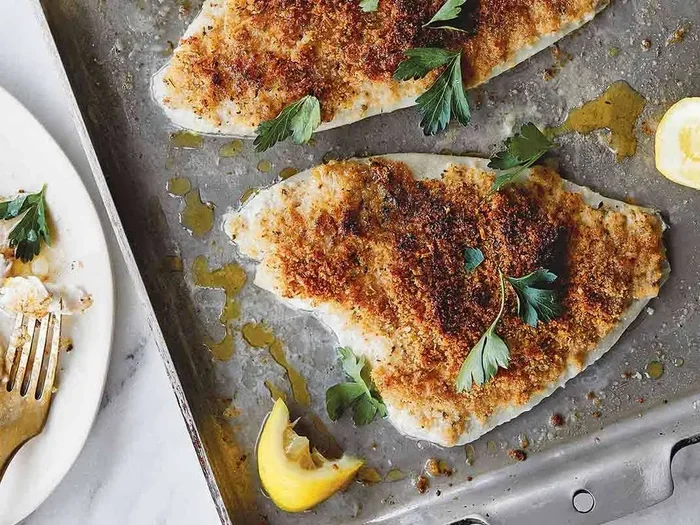
How To Cook Dover Sole In The Oven And Get It Right
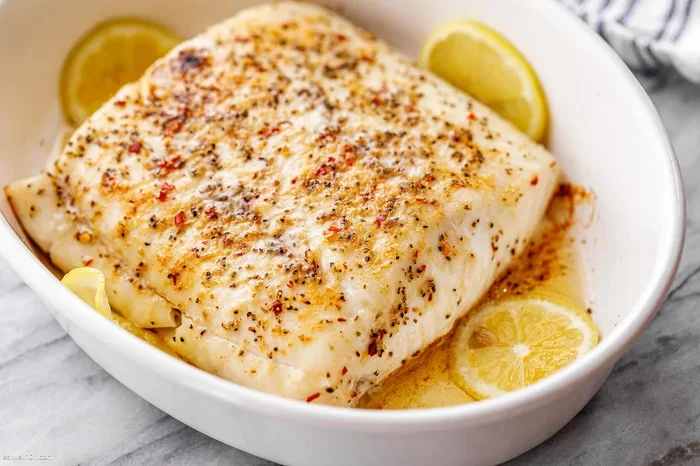
Learning how to cook Dover sole in the oven is easier than you think. This delicate white fish turns out flaky and buttery when you use the right temperature and simple seasonings. You’ll master a restaurant-quality dinner in under 20 minutes with minimal effort.
How To Cook Dover Sole In The Oven And Get It Right
There’s something magical about a perfectly baked piece of fish. How To Cook Dover Sole In The Oven is a question many home cooks ask because this delicate fillet can turn into a restaurant-worthy meal with almost no effort. Dover sole is a thin, flaky white fish that absorbs flavors beautifully. It cooks quickly, which makes it perfect for busy weeknights. You’ll love how tender and juicy it becomes when you follow a few simple steps.
Oven-baked fish doesn’t have to be fancy. In fact, the best Dover sole recipe often comes down to a hot oven, a little butter, and fresh herbs. Whether you’re feeding one person or a dinner party, this method delivers consistent results. The key is to avoid common pitfalls like overcooking or skipping the dry-pat step. I’ll walk you through every stage so you can bake fish fillets with confidence every single time.
Key Takeaways
- Use 400°F for the perfect bake: This temperature cooks Dover sole quickly without drying it out.
- Pat the fillets dry: Removing moisture ensures a golden, crispy exterior.
- Keep it simple: Salt, pepper, lemon, and fresh herbs are all you need for a classic flavor.
- Don’t overcook: The fish is done when it flakes easily with a fork and reaches 145°F internally.
- Rest before serving: Letting the fish sit for 2 minutes keeps it juicy.
- Try a lemon butter sauce: It adds richness and complements the mild flavor perfectly.
📑 Table of Contents
Why Dover Sole Is The Perfect Fish For Oven Baking
What Makes Dover Sole So Special
Dover sole has a mild, sweet flavor that almost everyone enjoys. Its lean, white flesh stays tender because it contains very little connective tissue. Unlike fattier fish like salmon, sole dries out fast if you’re not careful. That’s why how to cook Dover sole in the oven requires precision, not complexity. The thin fillets also mean they spend less time in the heat, locking in moisture.
This flaky white fish is a blank canvas. You can pair it with bold sauces or keep it simple with just a squeeze of lemon. It’s also a great source of protein and low in calories, making it a go-to for healthy baked fish dinners. The delicate texture holds up well to oven heat when you respect the cooking time.
Nutritional Benefits Of This Delicate White Fish
A 4-ounce serving of Dover sole provides about 15 grams of protein and less than 100 calories. It’s rich in selenium and vitamin B12, which support energy and metabolism. Because it’s so lean, it fits perfectly into a low-carb fish dinner or a weight-loss meal plan. Baking it in the oven avoids added oils, keeping the dish light and clean.
How To Cook Dover Sole In The Oven: A Simple Guide
Selecting And Prepping The Fillets
Start with fresh or properly thawed Dover sole fillets. Look for fillets that are pearly white and smell like the ocean, not fishy. If using frozen, thaw them overnight in the refrigerator. Never use hot water to thaw—it can make the flesh mushy.
Next, pat each fillet completely dry with paper towels. This step is non-negotiable. Moisture on the surface turns into steam in the oven, which prevents a golden crust from forming. Baking fish fillets that are dry will give you a beautiful, slightly crispy exterior.
Season the fillets lightly with salt and freshly ground black pepper. Let them rest at room temperature for 10 minutes while the oven preheats. This ensures even cooking from edge to center.
Quick Tips For Success:
- Use a wire rack set inside a baking sheet for air circulation.
- Brush the fillets with a thin layer of olive oil or melted butter before seasoning.
- Never crowd the pan—leave space between fillets so heat flows freely.
The Right Oven Temperature And Time
The sweet spot for how to cook Dover sole in the oven is 400°F (200°C). This high heat cooks the fish quickly, sealing in juices without drying it out. A thin fillet (about 1/2 inch) needs just 8 to 10 minutes. Thicker cuts may need 12 to 15 minutes.
Here’s a quick reference for oven-baked fish timing:
| Fillet Thickness | Oven Temp | Cooking Time | Internal Temp |
|---|---|---|---|
| 1/2 inch | 400°F | 8–10 minutes | 145°F |
| 3/4 inch | 400°F | 10–12 minutes | 145°F |
| 1 inch | 400°F | 12–15 minutes | 145°F |
Always use an instant-read thermometer. The fish is done when it reaches 145°F and flakes apart easily with a fork. Overcooking is the single biggest mistake people make with Dover sole recipe dishes.
Flavorful Seasonings And Sauces To Elevate Your Dish
Classic Lemon Butter Sauce
A simple lemon butter sauce transforms plain oven-baked fish into something special. Melt 2 tablespoons of butter in a small pan. Add the juice of half a lemon and a minced garlic clove. Stir for 30 seconds and spoon it over the fish right after it comes out of the oven. This lemon butter sauce adds richness without masking the delicate flavor.
Herb-Crusted Topping Options
For a herb-crusted Dover sole, mix chopped fresh parsley, dill, and chives with a little olive oil and a pinch of salt. Spread this mixture over the fillets during the last 3 minutes of baking. The herbs crisp up slightly and add a vibrant, fresh note. You can also add a sprinkle of Parmesan cheese for a golden finish.
Quick Mediterranean Style With Capers
For a dinner party fish that impresses, top the baked sole with a handful of capers, sliced olives, and cherry tomatoes. A drizzle of good olive oil and a sprinkle of dried oregano takes just seconds to prepare. This fish with capers style brings a bright, briny contrast to the mild sole.
Quick Tips For Better Flavor:
- Zest the lemon before juicing it and add the zest to the butter sauce.
- Fresh herbs always taste brighter than dried, but dried oregano works in a pinch.
- A tiny pinch of red pepper flakes adds warmth without heat.
Seasoning Blends And Their Best Uses
| Seasoning Blend | Key Ingredients | Best For | Cooking Time |
|---|---|---|---|
| Classic Lemon Herb | Lemon zest, parsley, thyme, salt | Light, fresh flavor | 8–10 min at 400°F |
| Mediterranean | Capers, olives, oregano, garlic | Briny, bold profile | 10–12 min at 400°F |
| Buttery Garlic | Butter, minced garlic, paprika | Rich, comforting dish | 8–10 min at 400°F |
| Spicy Cajun | Paprika, cayenne, onion powder | Warm, zesty kick | 10–12 min at 400°F |
Each blend works beautifully with oven-roasted fish. The key is to apply the seasoning just before baking so the flavors stay bright. This approach makes how to cook Dover sole in the oven feel like a creative, fun process rather than a chore.
Key Takeaways For Flavor Success
- Keep seasonings light: Dover sole is delicate and can be overwhelmed by heavy spices.
- Add sauce after baking: Pouring hot sauce on raw fish can lower the oven temperature and affect cooking.
- Use fresh lemon juice: It brightens the dish and cuts through any richness.
- Experiment with combinations: Try different herb mixes to find your favorite Dover sole recipe variation.
Serving Suggestions And Perfect Pairings
Best Side Dishes For Baked Dover Sole
Dover sole pairs wonderfully with light, fresh sides. A simple green salad with a lemon vinaigrette is a classic choice. Roasted asparagus or steamed green beans add a lovely earthy note. For a heartier meal, serve it over a bed of herbed couscous or quinoa. These simple fish dinner sides complement the fish without stealing the spotlight.
Mashed potatoes are another great option for a cozy low-carb fish dinner alternative. Keep the potatoes light by using a splash of milk and a knob of butter. Avoid heavy cream-based sides—they can make the plate feel too rich next to the delicate sole.
Wine Pairings That Complement The Fish
A crisp white wine is the ideal companion for oven-baked Dover sole. Look for a Sauvignon Blanc or a Pinot Grigio. Their bright acidity mirrors the lemon in the sauce and cleanses the palate between bites. If you prefer red, a light Pinot Noir also works well. The goal is a dinner party fish course that feels elegant but effortless.
Common Mistakes That Ruin Oven-Baked Sole
Overcooking The Fish
The most common error is leaving the sole in the oven too long. Dover sole is paper-thin and dries out fast. Set a timer for 8 minutes and check early. The fish should look opaque throughout and flake gently when prodded with a fork. If it resists flaking, it needs another minute or two, not five.
Skipping The Pat-Dry Step
Moisture on the surface creates steam, which prevents browning. A wet fillet will steam instead of roast, resulting in a pale, soft texture. Always pat the fish dry with paper towels right before seasoning. This single step makes a huge difference in the final oven-baked fish result.
Using Too Much Seasoning
Dover sole has a subtle flavor that can be buried under heavy spices. A light hand with salt and pepper lets the natural taste shine. If you’re using a Dover sole recipe with bold ingredients like capers or garlic, use them as accents, not the main event. The fish should still taste like fish first.
Expert Tips For Consistently Perfect Results
Using A Wire Rack For Even Cooking
Place a wire rack inside your baking sheet before putting the fillets on. This allows hot air to circulate underneath, cooking the bottom evenly. Without a rack, the fillet sits in its own juices and can become soggy on the bottom. A wire rack is a small tool that makes a big difference for oven-roasted fish.
Resting The Fish Before Serving
Once the fish comes out of the oven, let it rest for 2 minutes on the pan. This resting time lets the juices redistribute throughout the fillet. Cutting into it immediately can cause the delicate flesh to fall apart and lose moisture. A brief rest keeps the butter baked sole succulent and intact.
Make-Ahead Tips For Dinner Parties
You can prep the fillets up to 24 hours in advance. Season them and store them in an airtight container in the refrigerator. When it’s time to cook, simply pop them in the oven. The how to cook Dover sole in the oven process remains the same, and the fish will taste just as fresh. This trick is perfect for easy seafood recipe planning when guests are coming over.
Expert Insight: Chef Maria Torres, a seafood specialist, always reminds her students that “the secret to perfect oven-baked sole is patience. Dry the fish, keep the oven hot, and trust the timer. The fish tells you when it’s ready by how easily it flakes.”
How To Cook Dover Sole In The Oven is a skill that rewards simplicity. Once you master the basic method, you can experiment with endless flavor combinations. The fish cooks fast, tastes incredible, and looks beautiful on the plate. It’s the kind of dish that makes you feel like a pro without any complicated technique. Start with the classic lemon butter version, and soon you’ll be creating your own signature Dover sole recipe variations.
Remember, the best oven-baked fish comes from fresh ingredients and a watchful eye. Keep the temperature steady at 400°F, respect the cooking time, and always use a thermometer. With these guidelines, your Dover sole will be moist, flaky, and full of flavor every time. Serve it with a crisp white wine and a simple green salad, and you have a meal that feels both special and effortless.
Now that you know exactly how to handle this delicate fish, you’re ready to turn out a flawless healthy baked fish dinner. The oven does most of the work for you, so you can focus on enjoying the meal with family or friends. How To Cook Dover Sole In The Oven is truly one of the easiest ways to elevate your home cooking and impress everyone at the table.
Frequently Asked Questions
Can I use frozen Dover sole for oven baking?
Yes, you can. Just make sure to thaw it completely in the refrigerator overnight. Pat the fillets dry before seasoning and baking. Frozen fish can be slightly more prone to moisture, so the dry-pat step is even more important for a golden result.
What temperature should Dover sole be cooked to?
The internal temperature should reach 145°F (63°C). This is the safe temperature for all fish, including delicate sole. Use an instant-read thermometer inserted into the thickest part of the fillet for accuracy.
How long does it take to bake Dover sole at 400°F?
Thin fillets (1/2 inch) take 8 to 10 minutes. Thicker cuts (3/4 inch to 1 inch) need 10 to 15 minutes. The fish is done when it flakes easily with a fork and reaches the safe internal temperature.
Do I need to flip the fish while baking?
No, you do not need to flip Dover sole. The thin fillets cook evenly on one side when baked at 400°F. Flipping can cause the delicate flesh to break apart. Just let the oven do the work.
What are the best sides for oven-baked Dover sole?
Light, fresh sides work best. Think steamed asparagus, a simple green salad with lemon vinaigrette, or roasted cherry tomatoes. For a heartier meal, serve it over couscous or with a small portion of mashed potatoes.
Can I make this recipe ahead of time?
You can prep and season the fillets up to 24 hours in advance, but it’s best to bake them just before serving. The fish stays fresh and retains its texture when baked at the last minute. If you must reheat, use a low oven temperature to avoid drying it out.