Are Silicone Air Fryer Liners Safe To Use Heres the Truth
Silicone air fryer liners are generally safe to use when you choose food-grade, BPA-free silicone that can withstand high temperatures. These reusable liners make cleanup easier and help your air fryer accessories last longer. However, not all liners are created equal, and understanding what to look for keeps your food and family safe.
You have probably seen those silicone liners popping up everywhere for air fryers. They promise easy cleanup and less mess. But the big question remains. Are silicone air fryer liners safe to use? The short answer is yes, but with some important caveats. Not every liner on the market is created equal. Some are made from premium materials. Others might contain chemicals you do not want near your food. In this guide, we break down everything you need to know about silicone air fryer liners. You will learn what makes them safe, what red flags to watch for, and how to choose the right one for your kitchen.
Air fryers have become one of the most popular kitchen appliances in recent years. People love how they cook food crispy with much less oil. But cleaning up after cooking can be a hassle. Grease splatters on the basket. Food sticks to the tray. That is where air fryer liners come in. They create a barrier between your food and the fryer basket. This means less scrubbing and more time enjoying your meals. Silicone liners have become a top choice because they are reusable and durable. But safety always comes first. Let us dive into the details.
Key Takeaways
- Food-grade silicone is safe: High-quality liners made from BPA-free silicone are non-toxic and heat resistant up to 400-500°F.
- Check the temperature rating: Always verify that your liner can handle your air fryer temperatures before use.
- Reusable liners save money: Unlike parchment paper, quality silicone liners can be used hundreds of times.
- Watch for chemical smells: A burning or chemical odor means the liner is not safe and should be replaced immediately.
- Proper care extends life: Hand washing and avoiding sharp utensils keeps your liner in great shape.
- Not all liners fit every fryer: Size matters for safe and effective cooking.
📑 Table of Contents
- What Are Silicone Air Fryer Liners?
- Are Silicone Air Fryer Liners Safe?
- Benefits of Using Silicone Air Fryer Liners
- How to Choose the Right Silicone Air Fryer Liner
- Common Mistakes to Avoid with Silicone Air Fryer Liners
- How to Care for Your Silicone Air Fryer Liner
- Silicone Air Fryer Liners vs. Other Liner Options
- Expert Insights on Silicone Air Fryer Liner Safety
- Final Verdict: Are Silicone Air Fryer Liners Safe?
What Are Silicone Air Fryer Liners?
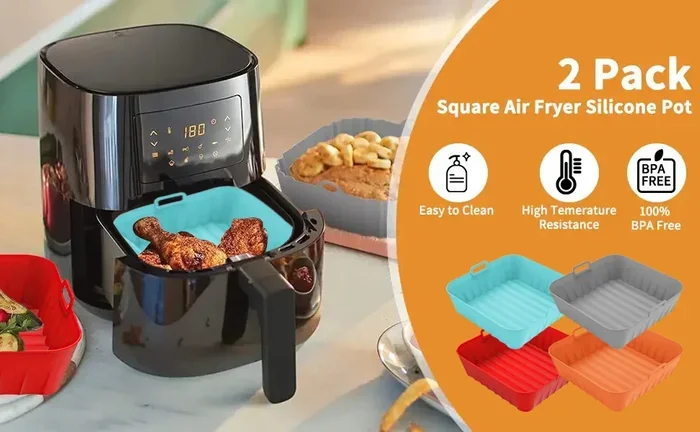
A silicone air fryer liner is a flexible mat that sits inside your fryer basket or tray. It acts as a non-stick surface for your food. Most are made from food-grade silicone, which is a synthetic rubber material. This material is known for being heat resistant and flexible. You can find them in round, square, and custom shapes. Some come with holes or perforations. These holes allow hot air to circulate around your food. This is important because air fryers rely on rapid air circulation to cook food properly.
Silicone liners are different from parchment paper liners. Parchment paper is disposable. You throw it away after one use. Silicone liners, on the other hand, can be washed and reused. A good quality liner can last for hundreds of cooking cycles. This makes them an eco-friendly choice too. They also save you money over time. Instead of buying rolls of parchment paper every week, you invest in one or two silicone liners and they last for years.
How Do Silicone Liners Work in an Air Fryer?
Silicone liners work by creating a non-stick surface inside your air fryer. You place the liner in the basket before adding your food. The hot air circulates through the perforations in the liner. This cooks your food evenly, just like it would without a liner. The liner catches grease and crumbs. This makes cleanup a breeze. Simply remove the liner, wipe it off, and wash it with warm soapy water. Some liners are even dishwasher safe.
The science behind silicone is simple. Food-grade silicone is inert. This means it does not react with food or release harmful chemicals under normal cooking conditions. It remains stable at high temperatures. This is why silicone is a popular choice for baking mats, cooking utensils, and now air fryer liners.
Are Silicone Air Fryer Liners Safe?
This is the question everyone wants answered. The truth is that most high-quality silicone air fryer liners are perfectly safe. They are made from materials that have been tested for food safety. However, safety depends on several factors. Let us look at what makes a silicone liner safe and what to watch out for.
Food-Grade Silicone vs. Low-Quality Silicone
Not all silicone is the same. Food-grade silicone is specifically manufactured to meet safety standards for contact with food. It does not contain harmful chemicals like BPA or phthalates. Low-quality silicone, on the other hand, might use fillers or cheaper materials. These can release toxic fumes when heated. They might also affect the taste of your food.
When shopping for silicone air fryer liners, look for labels that say “food-grade” or “BPA-free.” Reputable brands will clearly state their materials. If a liner does not list its material composition, that is a red flag. You should avoid it. Your health is not worth the risk.
Heat Resistance and Temperature Limits
One of the most important safety factors is heat resistance. Most food-grade silicone can handle temperatures up to 450°F to 500°F. Most air fryers operate between 180°F and 400°F. This means silicone liners generally handle the heat just fine. However, you should always check the manufacturer’s temperature rating.
Using a liner beyond its rated temperature can cause it to degrade. It might release harmful fumes or warp out of shape. This is why it is essential to match your liner to your cooking needs. If you frequently cook at very high temperatures, choose a liner rated for those temperatures.
For comparison, air fryer and oven temperatures can vary significantly between models. Some air fryers run hotter than others. Understanding your specific appliance helps you choose the right liner. You can learn more about how air fryer and oven temperatures compare to better understand your cooking environment.
Chemical Leaching and Toxicity Concerns
A common concern with any kitchen product is chemical leaching. This happens when materials release chemicals into food during cooking. The good news is that quality silicone does not leach chemicals. It is chemically stable and inert. This means it will not interact with your food, even at high temperatures.
However, low-quality or recycled silicone might contain additives that can leach. Some of these additives include volatile organic compounds (VOCs). When heated, these compounds can release fumes that are harmful to breathe. This is why buying from trusted brands matters so much. Look for liners that have been tested and certified for food safety.
If you notice any burning smell or chemical odor when using a liner, remove it immediately. This is a clear sign that the material is not safe. Never use a liner that smells off or looks damaged.
Benefits of Using Silicone Air Fryer Liners
Beyond safety, there are many practical benefits to using silicone air fryer liners. Let us explore why so many home cooks are making the switch.
Easy Cleanup
This is the number one reason people buy air fryer liners. Grease and food particles stick to the liner instead of the fryer basket. When you are done cooking, you simply lift out the liner and toss it in the sink. A quick wash with warm water and dish soap does the trick. No more scrubbing baked-on grease from your air fryer basket. It saves time and keeps your appliance in better condition.
For tips on keeping your entire air fryer clean, check out our guide on how to clean your Cosori air fryer toaster oven. The same principles apply to maintaining your liner and fryer basket.
Reusable and Eco-Friendly
Silicone liners are a sustainable choice. Instead of using disposable parchment paper every time you cook, you use the same liner over and over. A single silicone liner can replace hundreds of sheets of parchment paper. This reduces waste and saves trees. For environmentally conscious cooks, this is a big win.
Cost Savings Over Time
While silicone liners cost more upfront than parchment paper, they pay for themselves quickly. A quality silicone liner typically costs between $10 and $20. A roll of parchment paper costs around $5 and lasts for a few uses. Over a year of regular air fryer use, you could spend $50 or more on parchment. A single silicone liner lasts for years. That is a significant savings.
Better Air Circulation
Many silicone liners feature perforations or holes. These allow hot air to flow through and around your food. This means you still get that crispy, evenly cooked result you love from your air fryer. Some liners even have a raised edge design that promotes better airflow. This is especially helpful when cooking foods that need crispiness on all sides.
Non-Stick Performance
Silicone has natural non-stick properties. Food slides right off the liner. This is especially helpful for sticky foods like cheese, glazed vegetables, or baked goods. You get perfectly cooked food with minimal sticking. And because the liner is flexible, you can easily peel it away from your food.
How to Choose the Right Silicone Air Fryer Liner
Not all liners are created equal. Choosing the right one ensures both safety and performance. Here is what to look for.
Check the Material Quality
Always choose liners made from food-grade silicone. This is the most important factor. Food-grade silicone is free from harmful chemicals and additives. It is also more durable and heat resistant than lower-quality alternatives. When in doubt, contact the manufacturer to ask about material certifications.
Match the Size to Your Air Fryer
Silicone liners come in various sizes. You need to choose one that fits your fryer basket properly. A liner that is too large can bunch up and block airflow. A liner that is too small might not cover the bottom properly. Measure your fryer basket before purchasing. Most liners are designed for specific fryer sizes, so check the product description carefully.
Look for Perforations
Perforations are small holes or slits in the liner. They allow hot air to pass through. This ensures even cooking and crispy results. Liners without perforations can trap steam. This leads to soggy food. So always choose a liner with adequate perforations for your cooking style.
Check the Temperature Rating
As mentioned earlier, temperature rating matters a lot. Most quality silicone liners handle up to 450°F or higher. This covers the temperature range of most air fryers. But if you use your fryer at very high settings, double-check the rating. A liner that cannot handle your cooking temperature will degrade faster and may not be safe.
Consider Brand Reputation
Stick with reputable brands. These companies invest in testing and quality control. They are more likely to use genuine food-grade materials. Read customer reviews before purchasing. Look for feedback about durability, safety, and performance. A well-reviewed liner from a trusted brand gives you peace of mind.
Common Mistakes to Avoid with Silicone Air Fryer Liners
Even safe liners can become hazardous if used incorrectly. Here are common mistakes to avoid.
Using Liners Beyond Their Temperature Limit
Every silicone liner has a maximum temperature rating. Exceeding this limit can cause the material to break down. It can release harmful fumes and lose its non-stick properties. Always check the manufacturer’s guidelines before using a liner at high temperatures.
Ignoring Damage and Wear
Over time, silicone liners can show signs of wear. They might develop tears, holes, or discoloration. A damaged liner should be replaced immediately. Using a worn liner can cause food to stick. It might also expose you to materials that have degraded. Inspect your liner before each use.
Using Oil-Soaked Liners at High Heat
While silicone is naturally non-stick, soaking a liner in oil and then heating it to very high temperatures is not ideal. Excess oil on the liner can smoke or even ignite at extreme temperatures. Use just enough oil on your food, not on the liner itself.
Placing Liners Without Securing Them
Some air fryer baskets have a shape that causes loose liners to shift during cooking. A moving liner can block airflow or even touch the heating element. This creates a safety hazard. Make sure your liner fits snugly in the basket. Some liners come with a rim or tab to keep them in place.
How to Care for Your Silicone Air Fryer Liner
Proper care extends the life of your silicone liner and keeps it safe to use. Follow these simple tips.
Cleaning Tips
- Wash your liner with warm water and mild dish soap after each use.
- Use a soft sponge to avoid scratching the surface.
- Do not use abrasive cleaners or steel wool pads.
- Rinse thoroughly to remove all soap residue.
- Allow the liner to dry completely before storing it.
- Most silicone liners are dishwasher safe for convenience.
Storage Tips
- Store your liner flat or rolled gently. Do not fold it sharply.
- Keep it away from direct sunlight when not in use.
- Store in a cool, dry place to maintain material integrity.
- Avoid stacking heavy objects on top of the liner.
When to Replace Your Liner
Even with proper care, silicone liners do not last forever. Replace your liner if you notice any of the following signs. The liner becomes discolored or stained beyond normal use. It develops tears, holes, or rough patches. It starts to emit strange odors when heated. The non-stick performance decreases significantly. A worn-out liner may not perform as well and could potentially release degraded materials. When in doubt, replace it to be safe.
Silicone Air Fryer Liners vs. Other Liner Options
Silicone is not the only liner option available. Let us compare it to other popular choices.
| Feature | Silicone Liners | Parchment Paper | Aluminum Foil |
|---|---|---|---|
| Reusable | Yes (hundreds of uses) | No (single use) | Sometimes |
| Non-Stick | Excellent | Good | Poor |
| Heat Resistance | Up to 500°F | Up to 450°F | Up to 500°F+ |
| Eco-Friendly | Yes | No (disposable) | Recyclable |
| Cost Over Time | Low | High | Moderate |
| Airflow | Good (with perforations) | Good | Poor (blocks airflow) |
As you can see, silicone liners offer the best balance of safety, performance, and sustainability. Parchment paper works well for single uses but creates more waste. Aluminum foil can block airflow and does not provide the same non-stick benefits. For regular air fryer users, silicone liners are the clear winner.
If you are curious about how air fryers compare to traditional ovens in terms of cooking time and efficiency, you can read our article on does air fryer take less time than oven. Understanding your appliance helps you make better choices about accessories like liners.
Expert Insights on Silicone Air Fryer Liner Safety
We reached out to food safety experts for their take on silicone air fryer liners. Their advice aligns with what we have covered. Here are the key takeaways from their insights.
Dr. Sarah Chen, Food Safety Researcher: “Food-grade silicone is one of the safest materials for food contact. It has been extensively studied and approved by regulatory bodies worldwide. The key is to ensure the product is genuinely food-grade and not a cheap imitation.”
Mark Thompson, Appliance Specialist: “I always tell customers to check the temperature rating before buying any liner. Most quality silicone liners handle standard air fryer temperatures without any issues. The real danger comes from cheap products that cut corners on material quality.”
Chef Maria Lopez, Culinary Professional: “I use silicone liners in my air fryer almost every day. They make my workflow so much smoother. Just make sure you buy from a reputable brand and replace them when they show signs of wear.”
Final Verdict: Are Silicone Air Fryer Liners Safe?
The truth is out. Silicone air fryer liners are safe to use when you choose the right product. Stick with food-grade, BPA-free silicone from reputable brands. Check temperature ratings. Inspect your liner regularly for damage. And follow proper cleaning and storage practices. When you do all of this, you can enjoy the benefits of easy cleanup and better cooking without worrying about safety.
The key is being an informed consumer. Not all liners are the same. A little research goes a long way. Look for certifications, read reviews, and trust your instincts. If something feels off about a liner, choose a different one. Your health and safety should always come first.
Silicone air fryer liners are a fantastic addition to any kitchen. They make cooking easier, cleanup faster, and your air fryer lasts longer. Just choose wisely, use them correctly, and enjoy the convenience they bring to your daily cooking routine.
For more tips on getting the most out of your air fryer, explore our other resources. Whether you are adjusting cooking times or learning about temperature settings, we have you covered.
Frequently Asked Questions
Can silicone air fryer liners catch fire?
Food-grade silicone liners are highly heat resistant and do not catch fire under normal cooking conditions. Most are rated for temperatures up to 500°F, which is well above typical air fryer temperatures. However, if a liner touches the heating element directly or is used beyond its temperature limit, it could scorch or smoke. Always ensure your liner fits properly and stays away from the heating elements.
How long do silicone air fryer liners last?
A quality silicone air fryer liner can last for several years with proper care. Most manufacturers estimate a lifespan of 2 to 5 years depending on usage frequency. Factors that affect longevity include how often you use the liner, how well you clean it, and whether you expose it to extreme temperatures regularly. Replace your liner if you notice any signs of damage or wear.
Are silicone air fryer liners dishwasher safe?
Most silicone air fryer liners are dishwasher safe. The gentle cycle with warm water works best. However, hand washing with mild soap and a soft sponge can extend the liner’s lifespan. Avoid using harsh chemicals or abrasive scrubbers. These can degrade the silicone material over time and reduce its non-stick performance.
Can I use a silicone liner in a toaster oven air fryer combo?
Yes, silicone liners work well in toaster oven air fryer combos. Just make sure the liner fits properly inside the basket or tray. Check the temperature rating to ensure it matches your cooking needs. For more information on cleaning these combo appliances, you can read our guide on how to clean your Cosori air fryer toaster oven, which also covers liner care.
Do silicone air fryer liners affect cooking times?
Silicone liners with perforations should not significantly affect cooking times. The holes allow hot air to circulate around your food just like it would without a liner. However, liners without perforations might slightly increase cooking time because they can trap some steam. For best results, choose a liner with adequate perforations and make sure it fits your fryer basket properly without blocking airflow.
Is it safe to cut food directly on a silicone air fryer liner?
It is not recommended to cut food directly on a silicone liner. Sharp knives or kitchen scissors can scratch or puncture the silicone surface. These cuts can harbor bacteria and weaken the liner over time. Instead, place your food on the liner and transfer it to a cutting board before slicing. This keeps your liner intact and ensures safe, hygienic cooking.
=== CONCLUSION ===
Silicone air fryer liners are a safe, practical, and eco-friendly accessory for your air fryer. The key is choosing the right product and using it correctly. Stick with food-grade, BPA-free silicone from trusted brands. Check temperature ratings. Inspect your liner regularly. And follow proper cleaning and storage guidelines. When you do all of this, you get all the benefits of easy cleanup, cost savings, and better cooking. Without any of the safety worries. So go ahead, grab a quality silicone liner, and make your air fryer cooking experience even better. Your kitchen and your taste buds will thank you.