Is Pork Red Meat The Surprising Truth You Should Know
So, is pork red meat? The short answer is yes, according to the USDA and most international food safety organizations, pork is officially classified as red meat. Despite its lighter color when cooked, pork comes from a mammal and contains higher myoglobin levels than poultry or fish. Understanding the pork classification matters because it affects everything from dietary guidelines to cooking recommendations and health considerations.
When you think about the meat on your plate, you probably have a pretty clear idea of what counts as red meat. Beef? Definitely red. Lamb? Absolutely. But when it comes to is pork red meat, things get a little murky. You have probably heard people call pork white meat, seen it labeled differently at the grocery store, and maybe even wondered if you have been eating it wrong all along.
The truth is, the answer to is pork red meat is not as simple as a yes or no. It depends on who you ask, what standards you follow, and how you define the term. In this article, we are going to break down the pork classification once and for all. You will learn what the official guidelines say, why there is so much confusion, and what it all means for your plate and your health.
Whether you love a juicy pork chop, crispy bacon, or slow-cooked pulled pork in the oven, understanding where pork fits in the meat world matters. Let us dive into the surprising truth behind is pork red meat and clear up the confusion for good.
Key Takeaways
- Pork is officially classified as red meat by the USDA and most global food authorities due to its myoglobin content and mammalian origin.
- The white meat myth persists because pork turns lighter in color when cooked, leading many people to mistakenly believe it is white meat.
- Pork has a rich nutritional profile including high-quality protein, B vitamins, and essential minerals like zinc and selenium.
- Dietary guidelines recommend moderation when consuming pork, similar to other red meats, due to saturated fat and processing concerns.
- Cooking pork safely requires attention to internal temperatures to ensure both food safety and optimal tenderness.
- Not all pork products are equal — fresh pork cuts differ significantly from processed pork like bacon and sausage in terms of health impact.
- Understanding pork muscle fibers and fat content helps you choose the right cuts and cooking methods for the best results.
📑 Table of Contents
What Does It Mean When We Call Something Red Meat?
Before we can answer is pork red meat, we need to understand what red meat actually means. The term is not just about color on your plate. It is a scientific and regulatory classification based on several factors that go deeper than appearance.
The Science Behind Meat Color
Meat color comes down to one key protein: myoglobin. This is the iron-rich protein found in muscle tissue that stores oxygen. The more myoglobin an animal has in its muscles, the darker the meat appears. Red meat refers to meat from mammals that have higher concentrations of myoglobin throughout their muscle fibers.
When you look at raw beef, it is deep red because of the high myoglobin content. Pork, while lighter in color than beef, still contains enough myoglobin to qualify. Compare this to chicken breast, which has very little myoglobin and is classified as white meat. The meat color changes that happen during cooking do not change the underlying classification.
Myoglobin Levels and Classification Standards
Here is where it gets interesting. Myoglobin levels determine the category. Meats with more than a certain threshold of myoglobin are classified as red meat. Pork falls right into this category. In fact, pork vs beef shows that pork has less myoglobin than beef but still significantly more than poultry.
This is why the USDA pork classification firmly places pork in the red meat category. The United States Department of Agriculture uses the mammalian origin and myoglobin content as the deciding factors. Internationally, organizations like the World Health Organization follow similar standards. So when someone asks is pork red meat, the science and the regulators both say yes.
Is Pork Red Meat? The Official Classification
The answer to is pork red meat is a definitive yes from a regulatory standpoint. But the story does not end there. Let us look at exactly how this classification works and why it matters beyond just a label.
USDA and International Standards
The USDA classifies all livestock from mammals as red meat. This includes cattle, sheep, goats, and pigs. Since pigs are mammals, pork automatically falls under the red meat umbrella. This classification is not just American either. The European Food Safety Authority and other global bodies follow the same logic.
Even the culinary world generally accepts pork as red meat. Professional chefs and food scientists refer to it alongside beef and lamb when discussing red meat cooking techniques. The pork classification is consistent across food science, nutrition, and regulatory frameworks.
Why the USDA Stands by This Classification
The USDA has specific criteria for meat classification. It is not just about what you see on the plate. The agency looks at the animal type, the muscle composition, and the biochemical makeup of the meat. Pork meets all the criteria for red meat.
One important point is that meat color changes after cooking. Pork may look pink or even white when fully cooked, but this does not change its classification. The myoglobin is still present in the raw meat, and the muscle structure remains that of a red meat animal. This is a common source of confusion that we will address in the next section.
Why the Confusion Around Pork Exists
If the answer to is pork red meat is so clear, why do so many people think of pork as white meat? The confusion has deep roots in culture, marketing, and appearance. Let us unpack where this misconception comes from.
The White Meat Myth
The idea that pork is white meat has been around for decades. In the 1980s and 1990s, the pork industry launched campaigns to promote pork as “the other white meat.” This marketing strategy was designed to position pork alongside chicken and turkey as a leaner alternative to beef.
While the campaign was clever, it created a lasting misconception. Many consumers still think of pork as white meat because of this branding. The truth is that the pork classification has never changed. It was always red meat, and it remains red meat today regardless of what marketing campaigns say.
Pork Muscle Fibers and Cooking Color
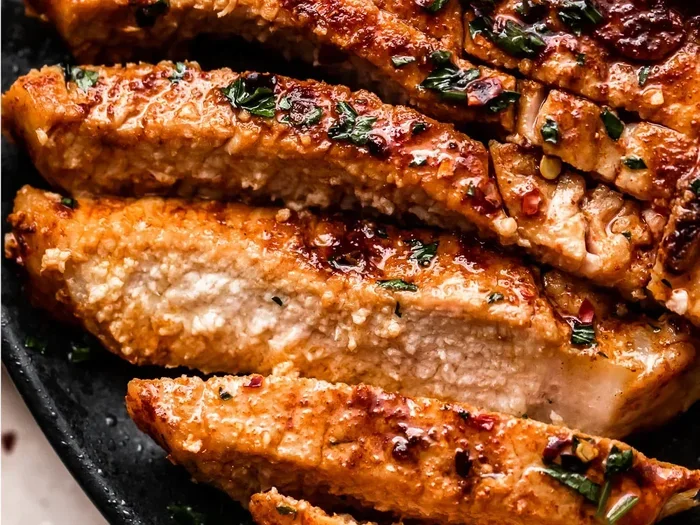
Another reason for the confusion is the way pork looks when cooked. Unlike beef, which stays distinctly red even when cooked medium, pork turns from pink to a lighter shade. When cooked to the recommended internal temperature, pork can appear white or very light pink.
This visual shift tricks our brains into thinking pork is white meat. But the pork muscle fibers and their composition have not changed. The color shift is simply a result of the myoglobin denaturing during cooking. The same thing happens to beef when it is well done, but we do not reclassify beef as white meat.
Cultural and Culinary Perspectives
Different cultures also play a role in the confusion. In some Asian cuisines, pork is treated more like a white meat in terms of flavor pairing and cooking methods. In Western cuisines, pork is often grouped with other red meats for roasting and grilling.
The pork flavor profile is also unique. It is milder than beef but richer than chicken, which makes it versatile. This versatility might contribute to the perception that pork is its own category. But from a biological and regulatory standpoint, is pork red meat — yes, without question.
Nutritional Profile of Pork
Understanding the pork nutritional profile helps you make informed choices about how much pork to include in your diet. Pork is nutrient-dense and offers a range of benefits, but it also comes with considerations you should know about.
Macronutrients in Pork
A typical serving of cooked pork provides a strong nutritional punch. Here is a general breakdown per 3.5-ounce serving of lean pork:
- Protein: About 27 grams of high-quality protein, making pork an excellent source for muscle maintenance and repair.
- Fat: Around 9 grams total fat, with saturated fat making up a portion. The exact amount varies by cut.
- Calories: Approximately 242 calories per serving for lean cuts.
- Carbohydrates: Essentially zero carbs, making pork a great option for low-carb and keto diets.
The pork fat content varies widely depending on the cut. Tenderloin is one of the leanest options, while ribs and shoulder carry more fat. Choosing the right pork cuts can help you manage your fat intake while still getting the protein and nutrients you need.
Vitamins and Minerals in Pork
Pork is particularly rich in B vitamins, especially B1 (thiamine), B6, and B12. These vitamins play crucial roles in energy metabolism, brain function, and red blood cell production. Few other foods match pork’s B1 content, which is one of its standout nutritional benefits.
Minerals like zinc, selenium, and phosphorus are also abundant in pork. Zinc supports immune function, selenium acts as a powerful antioxidant, and phosphorus is essential for bone health. The pork protein content and mineral profile make it a genuinely nutritious food choice when consumed in moderation.
Pork vs Other Meats: A Nutritional Comparison
How does pork stack up against other common meats? Here is a quick comparison of key nutritional factors:
- Pork vs Chicken: Pork generally has more fat and calories than skinless chicken breast but offers higher B vitamin content, especially B1.
- Pork vs Beef: Beef tends to have more iron and B12 per serving, but pork is often leaner in popular cuts like tenderloin.
- Pork vs Lamb: Lamb has a stronger flavor and typically higher fat content than most pork cuts.
Each meat has its strengths. The key is choosing quality cuts and preparing them in ways that align with your health goals. When you compare pork vs chicken, both are excellent protein sources but serve different nutritional roles in a balanced diet.
Health Considerations and Dietary Guidelines
Because is pork red meat is confirmed, it is important to understand what that means for your health. Red meat consumption has been studied extensively, and the findings offer both benefits and cautionary notes.
Benefits of Including Pork in Your Diet
Pork offers several nutritional benefits that deserve attention. The high-quality protein supports muscle growth and recovery, making it a solid choice for active individuals. The B vitamin content, particularly thiamine, helps with energy production and nervous system function.
Pork also provides creatine, which is beneficial for brain function and physical performance. The zinc and selenium content supports immune health and helps fight oxidative stress. When you choose lean cuts and prepare them properly, pork can be a valuable part of a balanced diet.
Risks and Concerns with Red Meat Consumption
However, there are valid concerns associated with red meat consumption, pork included. The World Health Organization has classified processed meat as a Group 1 carcinogen and red meat as a Group 2A carcinogen. This means there is evidence linking high red meat intake to increased health risks.
The risks are primarily associated with processed pork products like bacon, sausages, and deli meats. These products often contain nitrates, excess sodium, and other additives. When it comes to fresh pork cuts, the risks are more moderate and can be managed through portion control and preparation choices.
Moderation is key. Most dietary guidelines suggest limiting red meat intake and balancing it with other protein sources like poultry, fish, legumes, and plant-based options. If you enjoy cooking pork chops in toaster oven for a quick weeknight meal, you are making a fine choice — just keep portions reasonable and pair them with plenty of vegetables.
Processed Pork vs Fresh Pork
This is a critical distinction. Is pork red meat yes, but processed pork products carry additional health considerations. Bacon, ham, sausages, and hot dogs fall into the processed meat category. These products are linked to higher risks of colorectal cancer, heart disease, and other chronic conditions when consumed regularly.
Fresh pork cuts like loin, tenderloin, and shoulder are a different story. They do not contain the same additives and preservatives. When you buy fresh pork and prepare it yourself, you control what goes into it. This is a much healthier approach than relying on pre-packaged processed pork products.
For example, if you love bacon for breakfast, consider enjoying it occasionally rather than daily. And when you need to store leftover bacon, defrosting bacon in the microwave is a safe and convenient method as long as you cook it immediately after thawing.
Cooking Pork Safely and Deliciously
Now that you understand the classification and health aspects, let us talk about cooking. Proper preparation makes all the difference when it comes to pork — both for safety and for flavor.
Internal Temperatures Matter
The USDA recommends cooking whole cuts of pork to an internal temperature of 145 degrees Fahrenheit, followed by a three-minute rest. This is a significant change from the old guideline of cooking pork until it was completely gray. The modern approach produces juicier, more tender results while still being safe.
Using a meat thermometer is the best way to ensure accuracy. Different cuts require different attention. A pork tenderloin cooks quickly and benefits from a precise temperature check. A larger roast like a pork shoulder needs more time and lower heat to break down the connective tissue properly.
Pork Cuts and Cooking Methods
The right cooking method depends on the cut. Lean cuts like loin and tenderloin do well with quick, high-heat methods. They can be grilled, pan-seared, or cooked in a toaster oven. If you are making pork chops in a toaster oven, keep an eye on the internal temperature to avoid drying them out.
Fattier cuts like shoulder and belly benefit from slow, low cooking. This breaks down the collagen and renders the fat, creating tender, flavorful results. Pulled pork in the oven is a perfect example of how slow cooking transforms a tougher cut into something incredible.
For ground pork and sausage, cooking sausage meat in the oven is a hands-off method that produces even browning and renders excess fat. Just make sure you cook sausage to an internal temperature of 160 degrees Fahrenheit for food safety.
Quick Tips for Perfect Pork
- Always rest your pork after cooking to allow the juices to redistribute.
- Use a meat thermometer — do not rely on color alone.
- Marinate pork for at least 30 minutes to enhance tenderness and flavor.
- Let pork come to room temperature before cooking for more even results.
- Store fresh pork in the refrigerator and use within three to five days for optimal pork freshness.
The Bottom Line on Pork Classification
So, is pork red meat? The evidence is clear and consistent across regulatory agencies, scientific research, and culinary standards. Pork is red meat because it comes from a mammal and contains sufficient myoglobin to meet the classification criteria. The lighter color it displays after cooking does not change this fundamental fact.
Understanding where pork fits in the meat world helps you make better choices. You can appreciate pork for its nutritional benefits, enjoy its versatile pork flavor profile in a wide range of dishes, and make informed decisions about how much and how often to include it in your diet.
The key is balance. Fresh, lean pork cuts prepared with care are a wholesome and delicious part of a varied diet. Processed pork products should be enjoyed in moderation. Whether you are grilling a pork chop in the toaster oven, slow-roasting a shoulder for pulled pork in the oven, or cooking up some breakfast sausage, knowing the facts empowers you to cook with confidence.
Next time someone asks you is pork red meat, you can answer with certainty. Pork is red meat — and now you know exactly why. Embrace the versatility of this underrated meat, choose your cuts wisely, and enjoy the rich culinary traditions that pork has inspired around the world.
Frequently Asked Questions
Why is pork considered red meat if it looks white when cooked?
The classification of meat as red or white is based on the animal’s biology and myoglobin content, not the color after cooking. Pork comes from a mammal and contains enough myoglobin to be classified as red meat. The lighter color that pork takes on when cooked is simply a result of the myoglobin denaturing during the cooking process, which does not change its fundamental classification.
Is pork healthier than beef?
Pork and beef each have unique nutritional strengths. Lean pork cuts like tenderloin are often lower in saturated fat than fatty beef cuts, making them a heart-healthier option in some cases. However, beef provides more iron and vitamin B12 per serving in many cases. The health impact depends more on the specific cut, preparation method, and portion size than on whether the meat is pork or beef.
Can eating pork cause health problems?
Like all red meats, excessive consumption of pork has been linked to certain health risks, particularly when it is processed. Processed pork products like bacon, sausages, and deli meats are associated with higher risks of colorectal cancer and heart disease. Fresh pork in moderation, prepared without excessive processing, can be part of a healthy diet. The key is balance and choosing quality cuts over heavily processed options.
What is the difference between pork and other red meats?
The main differences between pork and other red meats like beef or lamb lie in fat content, flavor, and cooking behavior. Pork is generally milder in flavor and can be leaner than lamb or fatty beef cuts. The pork muscle fibers also respond differently to cooking — pork benefits from not being overcooked, as it dries out more quickly than beef or lamb. Nutritionally, pork excels in B vitamins, particularly thiamine.
Is bacon considered red meat?
Yes, bacon is made from pork, which is classified as red meat. However, bacon is also a processed meat, which carries additional health considerations beyond the red meat classification. The World Health Organization classifies processed meats separately due to the additives, curing agents, and preservation methods used. Enjoying bacon occasionally as part of a balanced diet is generally considered acceptable.
How can I tell if pork is fresh and safe to eat?
Fresh pork should have a light pink color with firm, white fat. It should not have a strong or sour odor, and the surface should be moist but not slimy. Check the sell-by date when purchasing and store raw pork in the refrigerator to use within three to five days. If you are storing pork for longer, freezing is a safe option. Proper pork freshness practices ensure both safety and the best flavor in your dishes.