Electric Deep Fryer For Fish crispy results every time
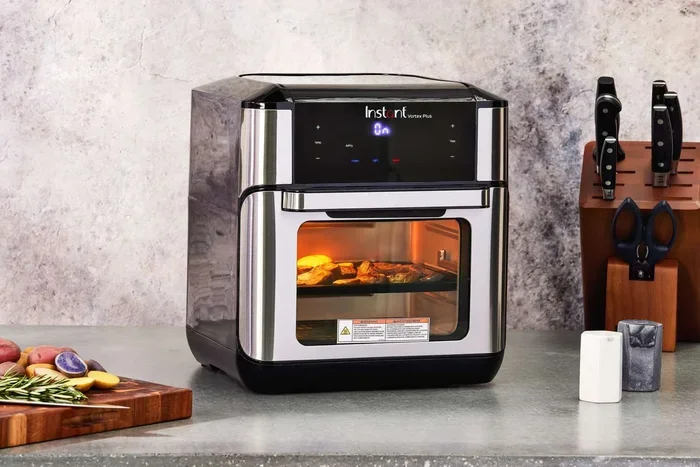
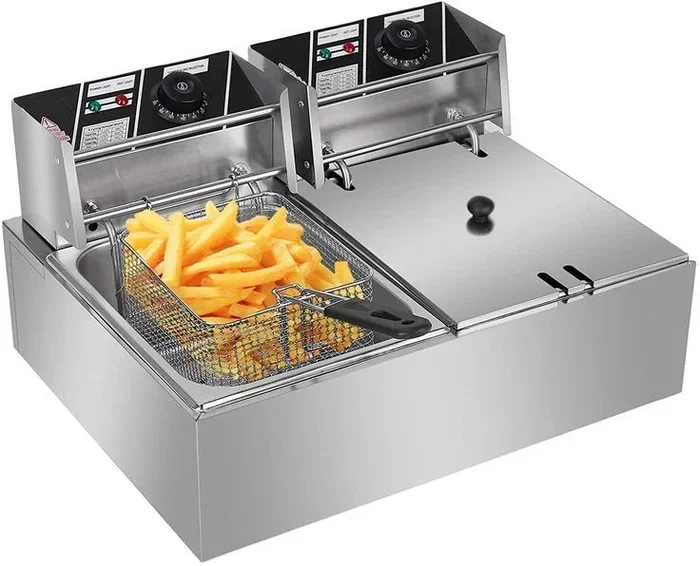
An electric deep fryer for fish delivers perfectly crispy, golden results with minimal effort and mess. Whether you love beer-battered cod or light tempura-style fillets, the right fryer makes all the difference. We cover the top models, best oils, temperatures, and pro tips for flawless fried fish at home.
There is something magical about biting into a piece of crispy fried fish that sounds like it came from a seaside shack. The golden exterior gives way to tender, flaky fish inside, and every bite feels like a small celebration. For years, achieving this level of perfection meant standing over a hot pot of oil, carefully monitoring the temperature, and hoping for the best.
But electric deep fryers have changed the game completely. These countertop appliances bring restaurant-quality frying right into your kitchen with minimal stress. Whether you are cooking for a family dinner or hosting a weekend gathering, a dedicated fryer for fish makes the process simple, consistent, and surprisingly fun.
In this guide, we will walk you through everything you need to know about choosing and using the best electric deep fryer for fish. From the top models on the market to oil selection, temperature settings, and pro tips for that perfect crunch, we have you covered. By the end, you will feel confident enough to fry fish like a seasoned pro.
Key Takeaways
- Electric deep fryers give you consistent heat and crispy fish every time without the mess of stovetop frying.
- Oil temperature between 350°F and 375°F is the sweet spot for perfectly fried fish fillets.
- Basket capacity and size matter — choose a fryer that fits your typical fish portions comfortably.
- Best oils for frying fish include peanut oil, canola oil, and vegetable oil for high smoke points and clean flavor.
- Easy cleanup and maintenance are key features to look for when buying a countertop fryer.
- Air fryers can also produce crispy fish with significantly less oil, offering a healthier alternative.
- Timing is everything — most fish fillets fry perfectly in just 3 to 5 minutes at the right temperature.
📑 Table of Contents
- Why Use an Electric Deep Fryer for Fish?
- How to Choose the Best Electric Deep Fryer for Fish
- Best Oils for Frying Fish in an Electric Deep Fryer
- Step-by-Step: How to Fry Fish Perfectly in an Electric Deep Fryer
- Common Mistakes to Avoid When Frying Fish
- Electric Deep Fryer vs. Air Fryer for Fish
- Cleaning and Maintaining Your Electric Deep Fryer
- Final Thoughts on Using an Electric Deep Fryer for Fish
Why Use an Electric Deep Fryer for Fish?
You might wonder why you need a separate fryer when your stovetop or air fryer can handle the job. The truth is, electric deep fryers offer several advantages that make them worth the investment for anyone who loves fried fish regularly.
Consistent Heat Distribution
One of the biggest challenges with stovetop frying is maintaining a steady temperature. When you drop cold fish into a pot, the oil temperature drops, and you end up with uneven cooking and soggy results. Electric deep fryers have built-in thermostats that keep the oil at a constant temperature throughout the cooking process.
This means every piece of fish comes out evenly golden and crispy. No more guessing or hovering over the stove. The fryer handles the hard work so you can focus on preparing your sides and enjoying the meal.
Less Mess and Fewer Splatters
Let us be honest — stovetop frying can be messy. Oil splatters on the stove, the counter, and sometimes you. An electric countertop fryer contains the oil safely inside a sealed or semi-sealed unit. This keeps your kitchen cleaner and reduces the risk of burns.
Most electric fryers also come with removable oil containers and fish frying baskets that make disposal and cleanup much easier. Some models even have dishwasher-safe parts, which is a huge time-saver.
Perfect for Large Batches
Planning a fish fry party? An electric deep fryer lets you cook multiple fillets at once thanks to generous basket sizes. This is especially helpful when feeding a crowd. Compare this to a small stovetop pot where you can only fry a few pieces at a time.
The fryer basket capacity varies by model, so you can choose one that fits your typical cooking needs. Whether you are frying for two or for ten, there is an electric fryer that will get the job done efficiently.
How to Choose the Best Electric Deep Fryer for Fish
Not all fryers are created equal. When you are shopping for the right one, several factors come into play. Here is what to look for to make sure you get the best results every time.
Oil Capacity and Size
The oil capacity determines how much fish you can fry at once. For a family of four, a fryer with at least 2 to 3 quarts of oil capacity works well. Larger families or frequent entertainers might want a model with 4 to 6 quarts.
Also consider the physical size of the fryer. You want something that fits comfortably on your countertop without taking over the entire kitchen. Measure your available space before you buy.
Temperature Range and Control
Fish frying works best between 350°F and 375°F. Look for a fryer with a precise temperature dial or digital controls that let you set and hold the ideal range. Some budget models have limited temperature ranges, which can make it harder to get consistent results.
A good deep frying temperature control is essential. If the oil is too cool, the fish absorbs excess grease and turns soggy. If it is too hot, the outside burns before the inside cooks through. Digital thermostats give you the most reliable results.
Ease of Cleanup
Let us talk about the part nobody wants to think about — cleanup. After a frying session, you are left with used oil, a greasy basket, and a fryer that needs wiping down. Choose a model with removable, dishwasher-safe parts to make this process painless.
Some electric fryers also come with oil filtration systems that let you reuse the oil for several batches. This saves money and reduces waste. Check for features like drain spouts and non-stick interiors that simplify the cleaning process.
Safety Features
Hot oil and electricity can be a risky combination if the fryer lacks proper safety features. Look for models with automatic shut-off, cool-touch handles, and overheat protection. These features give you peace of mind, especially if you have children or pets in the home.
A sturdy base and stable feet also prevent the fryer from tipping over during use. Safety should never be an afterthought when working with hot oil.
Best Oils for Frying Fish in an Electric Deep Fryer
Choosing the right oil is just as important as choosing the right fryer. The oil you use affects the flavor, texture, and even the healthiness of your fried fish. Here are the top options.
Peanut Oil
Peanut oil is a favorite among professional fryers for good reason. It has a high smoke point of around 450°F, which means it stays stable at the temperatures needed for frying fish. It also has a neutral flavor that does not overpower the natural taste of the fish.
Peanut oil produces incredibly crispy results with minimal grease absorption. The downside is that it can be more expensive than other options, and it is not suitable for those with peanut allergies.
Canola Oil
Canola oil is an affordable and widely available alternative. It has a smoke point of about 400°F, which works perfectly for fish frying. It has a light, neutral flavor and is lower in saturated fat compared to many other cooking oils.
If you are looking for a budget-friendly option that still delivers great results, canola oil is hard to beat. It works well for both battered and breaded fish fillets.
Vegetable Oil
Vegetable oil is another solid all-around choice. It has a high smoke point, neutral taste, and is easy to find at any grocery store. Many home fryers use vegetable oil as their go-to option for frying fish and other seafood.
Vegetable oil is also versatile enough to reuse several times if you strain and store it properly. This makes it an economical choice for regular frying.
Olive Oil (Not Recommended for Deep Frying)
While olive oil is healthy, it has a relatively low smoke point and a strong flavor that can dominate delicate fish. It is better suited for pan-frying or baking. Save the good olive oil for salads and sautéing, and reserve your deep fryer for oils built for high heat.
Step-by-Step: How to Fry Fish Perfectly in an Electric Deep Fryer
Now that you have your fryer and your oil ready, let us walk through the process of frying fish to perfection. Follow these steps for crispy, golden results every single time.
Step 1: Prepare the Fish
Start with fresh or properly thawed fish fillets. Pat them dry with paper towels to remove excess moisture. Wet fish causes oil to splatter and can lead to uneven cooking. If you are using a batter, prepare it ahead of time and keep it chilled.
For a lighter, healthier option, try a simple dredge of seasoned flour or cornmeal. This creates a thin, crispy coating without the heaviness of a full batter. Fish batter recipes with a touch of baking powder help create extra crunch.
Step 2: Preheat the Oil
Fill your electric deep fryer with the recommended amount of oil and set the temperature to 360°F. Allow the oil to preheat fully before adding any fish. This usually takes about 10 to 15 minutes depending on the model.
Use a kitchen thermometer to verify the temperature if your fryer does not have a built-in display. Getting the temperature right from the start is the foundation of perfect fried fish.
Step 3: Fry in Batches
Do not overcrowd the basket. Adding too much fish at once drops the oil temperature and leads to soggy, unevenly cooked fillets. Fry in small batches of two to three pieces at a time.
Gently lower the fish into the basket and submerge it in the hot oil. Avoid dropping the fish from a height, as this causes dangerous splattering. Frying time for fish typically ranges from 3 to 5 minutes, depending on the thickness of the fillet.
Step 4: Drain and Season
Once the fish turns golden brown and floats to the top, remove it from the oil and let it drain on a wire rack or paper towels. Season immediately with salt and any other desired spices while the coating is still hot and sticky.
Serving the fish right away ensures the best texture. Fried fish tends to lose its crispiness as it sits, so plan to fry in small batches and serve immediately.
Common Mistakes to Avoid When Frying Fish
Even experienced home cooks make mistakes when frying fish. Here are the most common ones and how to avoid them.
Overcrowding the Fryer
We mentioned this earlier, but it deserves repeating. Overcrowding drops the oil temperature and causes the fish to steam instead of fry. The result is pale, greasy, and limp fish. Always fry in small batches for the best texture.
Using the Wrong Oil Temperature
Frying at too low a temperature causes the fish to absorb oil and become heavy. Frying at too high a temperature burns the outside before the inside is cooked. Stick to the 350°F to 375°F range and use a thermometer to verify.
Skipping the Dry Step
Moisture is the enemy of crispy fish. If you skip the step of patting the fillets dry, the oil will splatter and the coating will not adhere properly. Take the extra 30 seconds to dry your fish thoroughly before frying.
Not Letting the Oil Recover
After each batch, give the oil a minute or two to come back up to temperature before adding more fish. Rushing this step leads to inconsistent cooking and greasy results. Patience pays off with perfectly fried fish.
Using the Wrong Fish
Thin, delicate fillets like tilapia and cod fry beautifully in an electric deep fryer. Thicker cuts like swordfish steaks may need longer cooking times and careful monitoring. Choose fish that is well-suited to deep frying for the best results.
Electric Deep Fryer vs. Air Fryer for Fish
Many people wonder whether they should use a traditional electric deep fryer or an air fryer for their fish. Both appliances have strengths, and the right choice depends on your priorities.
Deep Fryer: Maximum Crispiness
An electric deep fryer delivers the most authentic, restaurant-style crispiness. The fully submerged cooking method creates an even, golden coating that is hard to replicate with other methods. If you want the real fried fish experience, a dedicated deep fryer is the way to go.
Deep frying also cooks faster than most other methods. A thin fillet can go from raw to perfectly crispy in just a few minutes. This makes it ideal for weeknight dinners when time is limited.
Air Fryer: Healthier Alternative
Air fryers use hot air circulation to achieve a crispy exterior with a fraction of the oil. They are a great option if you want the taste and texture of fried fish with fewer calories and less fat.
According to our comparison of air fryer vs. oven cooking times, air fryers generally cook faster and use less energy than traditional ovens. However, they may not achieve the same level of crunch as a full immersion fryer. For the best air fryer fish results, lightly coat the fillets with oil spray and do not overcrowd the basket.
If you are curious about how air fryer and oven temperatures compare, check out our guide on are air fryer and oven temperatures the same for helpful insights on temperature adjustments.
Quick Comparison Table
| Feature | Electric Deep Fryer | Air Fryer |
|---|---|---|
| Crispiness | Maximum crunch | Good crunch, lighter texture |
| Oil Used | Full immersion | Minimal or spray oil |
| Cooking Time | 3 to 5 minutes | 8 to 12 minutes |
| Batch Size | Larger batches | Smaller batches |
| Health Factor | Higher in calories and fat | Lower in calories and fat |
| Cleanup | More involved | Easier, fewer parts |
| Best For | Authentic fried fish | Health-conscious frying |
If you are looking to save time in the kitchen, our guide on how to adjust oven time to air fryer offers useful tips for converting recipes between cooking methods.
Cleaning and Maintaining Your Electric Deep Fryer
A clean fryer performs better and lasts longer. Taking care of your electric deep fryer after each use ensures consistent results and extends the life of the appliance.
Always let the oil cool completely before handling. Once cooled, drain the oil through a fine mesh strainer into a container for storage or disposal. Never pour used oil down the drain, as it can clog your plumbing.
Remove the fryer basket and wash it with warm soapy water. Most baskets are dishwasher-safe, but hand washing helps preserve the non-stick coating. Wipe down the interior of the fryer with a damp cloth to remove any residue.
For a deeper clean, some models allow you to fill the fryer with warm water and a drop of dish soap and run it on a short cycle. This loosens built-up grease and makes maintenance much easier. Always refer to your fryer’s manual for specific cleaning instructions.
Regular descaling and filter replacement also keep your fryer running efficiently. A well-maintained fryer heats up faster, uses less oil, and produces better-tasting fish over time.
For more cleaning tips specific to kitchen appliances, our article on how to clean Cosori air fryer toaster oven covers useful cleaning techniques that apply to many countertop kitchen devices.
Final Thoughts on Using an Electric Deep Fryer for Fish
Frying fish at home does not have to be intimidating. With the right electric deep fryer for fish, you can achieve crispy, golden results that rival your favorite seafood restaurant. The key is choosing a fryer with good temperature control, using the right oil, and following a few simple steps for preparation and frying.
Remember to keep your oil at 350°F to 375°F, fry in small batches, and always dry your fish before it hits the oil. These small habits make a huge difference in the final result. Whether you prefer a classic beer batter or a light cornmeal coating, your electric fryer will deliver every time.
Cleanup might feel like a chore, but with a fryer that has removable, dishwasher-safe parts, it becomes a quick and painless task. And the reward — a plate of perfectly crispy, tender fried fish — is well worth the effort.
So go ahead, fire up your fryer, and enjoy the satisfying crunch of homemade fried fish. Once you start, you will wonder how you ever cooked fish any other way.
Frequently Asked Questions
What is the best electric deep fryer for frying fish?
The best electric deep fryer for fish depends on your needs, but look for models with precise temperature control, a capacity of 2 to 4 quarts, and a removable fish frying basket. Digital thermostats and dishwasher-safe parts make the experience much easier and more enjoyable.
What temperature should I set my electric deep fryer to for fish?
The ideal temperature for frying fish is between 350°F and 375°F. This range ensures the outside becomes crispy while the inside cooks through without drying out. Always use a thermometer to verify the oil temperature before adding your fish fillets.
Can I use an air fryer instead of an electric deep fryer for fish?
Yes, you can. Air fryers produce a lighter, healthier version of fried fish using hot air circulation and minimal oil. While the crispiness may not be as intense as deep frying, air fryers are a great option for those who want to reduce oil and calorie intake.
How long does it take to fry fish in an electric deep fryer?
Most fish fillets fry perfectly in 3 to 5 minutes at 360°F. Thicker fillets may need up to 6 minutes, while very thin fillets like tilapia can be done in as little as 2 to 3 minutes. Watch for a golden brown color and use a fork to check for flakiness.
What is the best oil for frying fish in an electric deep fryer?
Peanut oil, canola oil, and vegetable oil are the best choices for frying fish. They all have high smoke points and neutral flavors that complement fish without overpowering it. Avoid olive oil for deep frying, as its low smoke point and strong flavor are not ideal for this cooking method.
How do I keep my fried fish crispy after taking it out of the fryer?
Place fried fish on a wire rack instead of paper towels. This allows air to circulate around the fish and prevents steam from making the coating soggy. Serve immediately for the best texture, and avoid covering the fish while it cools.