Best Oil For Electric Deep Fryer for Crispy Perfect Results
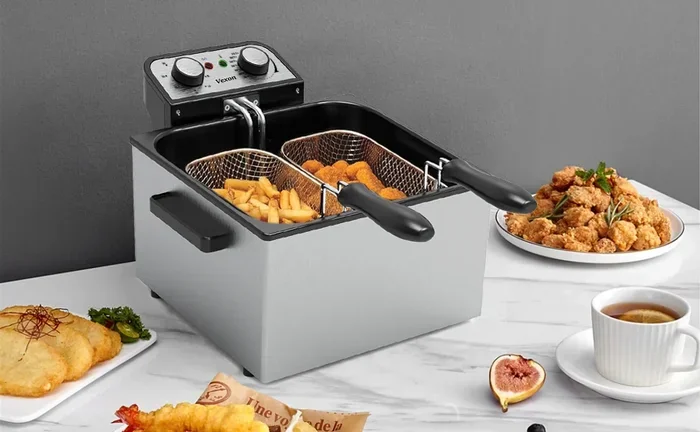
Choosing the best oil for electric deep fryer is the secret to perfectly crispy, golden fried foods at home. The right oil handles high heat, adds great flavor, and keeps your meals healthy. In this guide, we break down the top oils, smoke points, and pro tips for amazing results.
This is a comprehensive guide about Oil For Electric Deep Fryer.
Key Takeaways
- Smoke point matters most: Always pick an oil with a smoke point above 400°F for safe, effective deep frying.
- Peanut oil is a top pick: It offers a high smoke point, neutral flavor, and excellent crispiness for most fried foods.
- Avocado oil is the healthiest choice: Rich in monounsaturated fats, it withstands high temperatures and promotes heart health.
- Oil temperature control is critical: Maintaining 350-375°F ensures crispy results without burning or greasiness.
- Replace oil regularly: Used oil loses quality over time. Change it after 8-10 uses or when it darkens significantly.
- Avoid olive oil for deep frying: Extra virgin olive oil has a low smoke point and can produce harmful compounds at high heat.
- Proper storage extends oil life: Strain and store used oil in a cool, dark place to maximize its reuse.
[FEATURED_IMAGE_PLACEHOLDER]
Best Oil For Electric Deep Fryer for Crispy Perfect Results
Fried food tastes amazing. That crunch, that golden color, that satisfying bite — it is no wonder deep frying is a favorite cooking method. But here is the thing most people overlook. The secret behind perfectly crispy fried food is not just the recipe. It is the best oil for electric deep fryer.
Using the wrong oil can mean soggy results, burnt flavors, or even unhealthy meals. On the other hand, the right frying oil gives you that satisfying crunch every single time. It also keeps your food tasting clean and fresh. Whether you are making French fries, chicken wings, or tempura, the oil you choose makes all the difference.
This guide covers everything you need to know. We will look at the best oils for deep frying, what smoke point means, and how to keep your fryer running smoothly. By the end, you will know exactly which oil to pick and why. Let us get into it.
Why Choosing the Right Oil Matters
Not all cooking oils are created equal. Some handle high heat beautifully. Others break down quickly and leave your food tasting off. Here is why picking the right oil for your electric deep fryer is so important.
Smoke Point and Deep Frying
The smoke point is the temperature at which oil starts to smoke and break down. When oil exceeds its smoke point, it releases harmful compounds and gives your food a burnt, bitter taste. For deep frying, you need an oil with a smoke point above 400°F. Most deep frying happens between 350°F and 375°F, so your oil needs a comfortable margin above that range.
Using oil below its smoke point also creates extra grease. This means your food absorbs more oil and becomes heavy instead of crispy. Nobody wants that.
Flavor Impact on Fried Foods
Every oil carries its own flavor profile. Some are completely neutral. Others add a distinct taste. For deep frying, most people prefer a neutral-flavored oil. This way, the natural taste of the food shines through. However, some cooks enjoy the subtle nuttiness that peanut oil or avocado oil brings to the table.
Health Considerations
Frying already involves oil, so you want to make healthier choices where you can. Oils high in monounsaturated fats or polyunsaturated fats are better options. They are more stable at high temperatures and support heart health. Avoid oils with lots of saturated fat when possible. Your fried food should taste great without compromising your well-being.
Best Oils for Electric Deep Fryers Compared
Not sure which oil to buy? Here is a breakdown of the top options for deep frying. Each one brings something different to the table, so you can choose based on your priorities.
| Oil Type | Smoke Point | Flavor | Best For |
|---|---|---|---|
| Peanut Oil | 450°F | Neutral, slight nuttiness | General deep frying, French fries, chicken |
| Canola Oil | 400°F | Neutral | Budget-friendly frying, breaded foods |
| Avocado Oil | 520°F | Mild, buttery | High-heat frying, health-conscious cooks |
| Vegetable Oil | 400-450°F | Neutral | Everyday frying, versatile use |
| Sunflower Oil | 440°F | Mild, slightly nutty | Crispy coating, tempura |
| Corn Oil | 450°F | Mild, slightly sweet | Cornbread, fried chicken, chips |
Peanut Oil: The Deep Frying Champion
Peanut oil is widely considered the gold standard for electric deep fryers. It has a very high smoke point of around 450°F, which gives you plenty of room for temperature control. The flavor is mostly neutral, so it does not overpower your food. Some people notice a light nutty taste, which actually adds a pleasant depth to fried chicken and seafood.
Peanut oil also heats up quickly and maintains a steady temperature. This consistency is key for achieving crispy results every batch. Many commercial kitchens rely on peanut oil for a reason. It is affordable, readily available, and performs beautifully.
Canola Oil: The Budget-Friendly Pick
If you want a solid oil without breaking the bank, canola oil is a great choice. It has a smoke point around 400°F, which is enough for most deep frying tasks. The flavor is very neutral, making it suitable for almost any dish. Canola oil is also low in saturated fat, which is a nice health bonus.
One thing to keep in mind is that canola oil may not deliver the same level of crispiness as peanut or avocado oil. It works best for breaded foods where the coating does most of the talking. Think chicken tenders, fish fillets, or onion rings.
Avocado Oil: The Health-Conscious Winner
Avocado oil has the highest smoke point on this list, reaching up to 520°F in its refined form. This makes it incredibly forgiving at high temperatures. It is rich in heart-healthy monounsaturated fats and contains vitamin E. The flavor is mild and slightly buttery, adding a subtle richness to fried foods.
The downside? Avocado oil tends to cost more than other options. If you fry frequently or want the healthiest possible oil, it is worth the investment. For occasional frying, a more affordable option may work just as well.
Vegetable Oil: The All-Purpose Option
Vegetable oil is a blend of different oils, usually including soybean, corn, and canola. It offers a high smoke point and a completely neutral taste. Most home cooks already have a bottle in their kitchen. It handles general frying tasks well and is very affordable.
The trade-off is that you do not get any special benefits. No standout flavor, no health edge, and no superior crispiness. But for everyday use, it gets the job done reliably.
Sunflower Oil: Great for Crispy Coatings
Sunflower oil stands out for its ability to create ultra-crispy coatings. It has a high smoke point around 440°F and a light, slightly nutty flavor. The oil absorbs less into food compared to some alternatives, which means lighter, crunchier results.
It works especially well for tempura, fried pickles, and anything with a thin batter. If you love that shatteringly crispy texture, sunflower oil deserves a spot in your kitchen.
Understanding Oil Temperature for Deep Frying
Even the best oil for electric deep fryer will not deliver great results if the temperature is off. Temperature control is one of the most important skills for successful deep frying at home.
The Ideal Temperature Range
Most deep frying happens between 350°F and 375°F. This range is hot enough to cook food quickly and create a crispy exterior while keeping the inside moist. Here is a quick guide for different foods:
- French fries: 375°F — high heat for maximum crispiness
- Chicken pieces: 350-375°F — ensures cooked through with golden skin
- Tempura: 340-360°F — lower heat prevents burning on delicate batter
- Donuts: 350-360°F — gentle heat for even cooking
- Seafood: 350-375°F — quick cooking to retain moisture
How to Monitor Temperature
Most electric deep fryers come with a built-in thermostat. If yours does not, invest in a deep-fry thermometer. It clips to the side of the pot and gives you real-time readings. This small tool makes a huge difference in your results.
Drop a small piece of food into the oil as a test. If it sinks and slowly rises with steady bubbles, the temperature is about right. If it sizzles immediately and browns too fast, the oil is too hot. If it just sits there without bubbling, it is not hot enough.
Temperature and Your Electric Appliance
Many home cooks also use an air fryer alongside their deep fryer. If you are exploring both methods, understanding how temperatures compare helps. For example, learning whether air fryer and oven temperatures are the same can help you adjust your cooking approach. Air fryers typically run at similar temperatures to deep fryers but use circulating hot air instead of oil immersion. You can also learn how to adjust oven time to air fryer settings for even better results across all your kitchen appliances.
How to Maintain Your Electric Deep Fryer Oil
Taking care of your frying oil extends its life and keeps your food tasting great. Proper maintenance also ensures food safety. Here is how to get the most out of every bottle of oil.
Straining Oil After Each Use
After frying, let the oil cool down before straining it. Use a fine-mesh strainer or cheesecloth to remove food particles. These bits burn during the next use and create off-flavors. Straining takes just a few minutes but makes a big difference in oil quality.
When to Replace Your Oil
Oil does not last forever. Watch for these signs that it is time for a replacement:
- The oil turns dark brown or black
- It develops a sour or rancid smell
- Smoke appears at lower temperatures than usual
- The surface becomes foamy or bubbly
- Food tastes greasy or off-flavor after frying
As a general rule, replace your oil after 8 to 10 uses. If you fry frequently, you may need to change it more often. Keeping track of uses helps you stay ahead of degradation.
Proper Oil Storage Tips
When storing used oil, follow these steps:
- Let the oil cool completely before storing.
- Pour it through a strainer into a clean, airtight container.
- Store in a cool, dark place away from heat sources.
- Label the container with the date and type of food fried.
- Avoid storing oil near the stove where it can be exposed to heat and light.
Properly stored oil can last for several weeks. However, always smell and inspect it before reusing. Trust your senses — they are your best tools for detecting spoiled oil.
Common Mistakes When Using Oil in Electric Deep Fryers
Even experienced home cooks make mistakes with frying oil. Here are the most common ones to avoid.
Using the Wrong Oil Type
Some oils simply cannot handle deep frying temperatures. Extra virgin olive oil, for example, has a low smoke point around 325-375°F. It is perfect for salad dressings but terrible for deep frying. Using it at high heat creates harmful compounds and ruins the flavor of your food.
Similarly, unrefined coconut oil has a smoke point around 350°F. It is fine for baking but struggles under deep frying conditions. Stick to oils specifically designed for high-heat cooking.
Overfilling the Fryer
It is tempting to load up the basket for maximum output. However, overfilling causes several problems. The food absorbs more oil, the temperature drops significantly, and cooking becomes uneven. You also risk oil overflowing, which creates a serious safety hazard. Fill the basket no more than halfway for best results.
Ignoring Temperature Recovery
When you add food to hot oil, the temperature drops. This is normal. The problem starts when you add too much food at once or do not wait for the oil to recover. Give the oil 30-60 seconds to bounce back before adding another batch. Patience here directly affects crispiness.
Reusing Oil Too Many Times
Reusing oil is fine to a point. But pushing it past its limits leads to poor taste and unhealthy compounds. Old oil absorbs flavors from previous batches and accumulates harmful free radicals. Know when to let go and start fresh. Your taste buds will thank you.
Pro Tips for Maximum Crispiness with Your Deep Fryer Oil
Ready to take your fried food to the next level? These expert tips will help you squeeze every bit of performance from your oil.
Preheat Properly
Never add food to cold oil. Preheat your electric deep fryer to the target temperature before loading the basket. This ensures immediate cooking upon contact, which locks in moisture and creates that signature crispy crust. Preheating typically takes 3-5 minutes depending on your model.
Use a Batter or Breadcrumb Coating
The right coating amplifies crispiness regardless of the oil you use. A thin batter made from ice-cold sparkling water creates airy, light crunch. For breaded foods, press the breadcrumbs firmly onto the surface. This creates a sealed layer that protects the food from absorbing excess oil.
Keep Food Dry Before Frying
Moisture is the enemy of crispiness. Pat your food completely dry with paper towels before coating and frying. Excess water creates steam, which makes the coating soggy. Dry food plus hot oil equals maximum crunch.
Fry in Small Batches
Smaller batches maintain oil temperature more effectively. Each piece of food has enough space for even cooking and proper heat circulation. Crowded baskets trap steam and lead to uneven, soggy results. Quality over quantity always wins here.
Drain Immediately After Frying
Use a wire rack or paper towels to drain fried food right after removing it from the oil. Leaving food sitting in its own grease softens the crust quickly. A wire rack is especially effective because air circulates underneath, keeping the bottom crispy.
Quick Tips Summary
- Always heat oil to the correct temperature before adding food.
- Choose an oil with a smoke point above 400°F.
- Strain oil after every use to remove food debris.
- Keep food dry and coated properly for maximum crunch.
- Fry in small batches to maintain steady oil temperature.
- Replace oil after 8-10 uses or when it shows signs of wear.
- Store used oil properly to extend its life.
Expert Insights on Deep Frying Oil
Professional chefs know that oil is not just a cooking medium — it is an ingredient. Here are some insights that home cooks can apply.
Chef and food scientist Harold McGee notes in On Food and Cooking that oil temperature directly affects how much fat food absorbs. Lower temperatures mean more absorption and greasier results. Keeping the oil at the right temperature actually makes your food less greasy, not more. This is why temperature control deserves your full attention.
Many professional kitchens also rotate between different oils based on the dish. Peanut oil is the go-to for general frying. Avocado oil gets reserved for high-heat searing or delicate dishes where flavor matters. Understanding these nuances helps you replicate restaurant-quality results at home.
One final thought from culinary experts: never rush the process. Deep frying rewards patience. Let the oil heat, let the food cook through, and let it drain properly. These small acts of patience compound into noticeably better meals.
Conclusion
Finding the best oil for electric deep fryer does not have to be complicated. Focus on high smoke points, neutral or complementary flavors, and healthy fat profiles. Peanut oil remains a top choice for its balance of performance and price. Avocado oil is ideal for health-focused cooks. Canola and vegetable oil serve well for everyday, budget-friendly frying. Whatever your preference, the right oil transforms your fried food from good to outstanding.
Remember to maintain proper oil temperature, practice good fryer hygiene, and replace your oil on schedule. These habits, combined with the correct oil, guarantee crispy, golden results every time you fire up your electric deep fryer. Now you have the knowledge to make confident choices. Go ahead, fire up that fryer, and enjoy perfectly crispy fried food at home.
What is the best oil for an electric deep fryer?
Peanut oil is widely regarded as the best all-around oil for electric deep fryers. It has a high smoke point of around 450°F, a neutral flavor, and excellent heat stability. It delivers superior crispiness and works well for a wide range of fried foods. For health-conscious cooks, avocado oil is also an excellent option due to its very high smoke point and heart-healthy fats.
How often should I change the oil in my electric deep fryer?
Change your deep fryer oil after 8 to 10 uses on average. You should also replace it sooner if the oil turns dark, develops a rancid smell, or starts smoking at lower temperatures than before. Regular oil changes ensure better-tasting food and maintain food safety standards.
Can I reuse oil from my electric deep fryer?
Yes, you can reuse deep fryer oil, but only up to a point. Strain it thoroughly after each use to remove food particles. Store it in an airtight container in a cool, dark place. Reuse it no more than 3 to 4 times before replacing it. Always inspect the oil for signs of degradation before reusing.
Is it safe to use vegetable oil for deep frying?
Absolutely. Vegetable oil is safe and effective for deep frying. It has a high smoke point between 400 and 450°F and a neutral flavor that does not interfere with your food. It is also widely available and affordable. While it may not deliver the same level of crispiness as peanut oil, it is a reliable all-purpose option.
What temperature should my electric deep fryer be set to?
The ideal temperature depends on what you are frying. Most foods cook best between 350°F and 375°F. French fries and chicken do well at 375°F for extra crispiness. Delicate items like tempura and donuts do better at 340-360°F. Always use a thermometer to verify the temperature before adding food.
Why does my fried food come out soggy instead of crispy?
Soggy fried food usually results from one or more of these issues: oil temperature is too low, food was overcrowded in the basket, food was not dried properly before frying, or the oil is old and degraded. Fix these issues by maintaining proper temperature, frying in small batches, patting food dry, and replacing your oil regularly.
Frequently Asked Questions
What is Oil For Electric Deep Fryer?
Oil For Electric Deep Fryer is an important topic with many practical applications.