How To Make Black Ivory Coffee From Scratch At Home
Black ivory coffee is one of the world’s rarest and most expensive coffees, made from coffee cherries fermented by elephants. In this guide, you will learn how to make black ivory coffee from scratch at home, including sourcing beans, the fermentation process, and the best brewing methods. This elephant coffee recipe brings a smooth, chocolatey cup to your kitchen without the luxury price tag.
Black ivory coffee has earned a reputation as one of the most exclusive and expensive coffees on the planet. Originally from Thailand, this elephant coffee gets its name from the unique way it is made. Coffee cherries pass through the digestive system of elephants, undergoing a natural fermentation process that transforms the flavor of the beans. The result is a cup of coffee that is remarkably smooth, low in bitterness, and rich with chocolatey and fruity notes.
Making black ivory coffee at home might sound intimidating, but it is more accessible than you think. While you cannot perfectly replicate the exact conditions of the elephant digestive tract, you can follow a similar fermentation and processing method that captures the essence of this rare brew. This guide walks you through every step, from selecting the right beans to brewing the perfect cup.
If you are a coffee lover looking to explore specialty coffee at a whole new level, this is the article for you. Let us dive into how to make black ivory coffee from scratch in your own kitchen.
Key Takeaways
- Black ivory coffee gets its unique flavor from elephant digestion and fermentation of coffee cherries.
- You can replicate the process at home using high-quality green coffee beans and controlled fermentation.
- The secret lies in the beans — selecting the right coffee bean variety is critical for authentic results.
- Brewing method matters — pour-over and French press bring out the best in black ivory coffee.
- Patience is essential — the fermentation and drying process takes time but delivers unmatched flavor.
📑 Table of Contents
- What Is Black Ivory Coffee and Why Is It So Special?
- How to Source the Right Beans for Homemade Black Ivory Coffee
- The Fermentation Process: Replicating the Elephant Method at Home
- How to Roast Your Homemade Black Ivory Beans
- Brewing the Perfect Cup of Black Ivory Coffee
- Common Mistakes to Avoid When Making Black Ivory Coffee
- Expert Tips for the Best Results
- Conclusion
What Is Black Ivory Coffee and Why Is It So Special?
Black ivory coffee is a type of rare coffee beans that originates from the Golden Triangle Elephant Foundation in Thailand. The process begins with hand-selected Arabica coffee cherries. These cherries are fed to elephants, and the beans pass through their digestive system over the course of about 12 to 72 hours.
During this journey, natural enzymes and gastric juices break down the proteins in the coffee cherry. This coffee cherry fermentation removes much of the acidity and bitterness found in regular coffee. The beans are then collected from the dung, washed thoroughly, sun-dried, and roasted.
The flavor profile of black ivory coffee is what sets it apart. Tasters describe it as having a smooth coffee flavor with hints of chocolate, caramel, tobacco, and tropical fruit. There is almost no bitterness, and the body is incredibly clean and silky. A single cup can cost anywhere from $50 to $100 in specialty coffee shops, making it one of the most expensive coffee beans in the world.
The Thai elephant coffee process is not just a novelty. It is rooted in the science of flavor extraction through enzymatic breakdown. The same principles can be applied at home, which is exactly what we will explore next.
How to Source the Right Beans for Homemade Black Ivory Coffee
The foundation of great black ivory coffee starts with the beans. You need high-quality green Arabica coffee beans to get anywhere close to the authentic flavor. Here is what to look for when sourcing your beans.
Choosing the Right Coffee Bean Variety
Not all coffee beans are created equal. For the closest approximation of black ivory coffee, you want Arabica beans from high-altitude regions. These beans have a naturally sweeter and more complex flavor profile that responds well to fermentation.
- Ethiopian Arabica: Known for its fruity and floral notes, Ethiopian beans are an excellent starting point.
- Colombian Arabica: Offers a balanced sweetness with nutty undertones that mimic the chocolatey profile of authentic black ivory coffee.
- Costa Rican Arabica: Clean and bright, these beans hold up well during the fermentation process.
Buy green coffee beans rather than roasted ones. Green beans allow you to control the entire process from fermentation to roasting. You can find green Arabica beans online or at specialty coffee suppliers. Look for beans that are fresh, uniformly sized, and free from defects.
Understanding Bean Freshness
Freshness matters more than you might think. Beans that have been sitting on a shelf for months will not ferment as predictably. Try to use beans that were harvested within the last few months. If you buy in bulk, store them in an airtight container in a cool, dark place. The coffee bean storage conditions before fermentation directly affect the final flavor.
Also, keep in mind that the coffee bean grind size you choose later will depend on your brewing method. For now, focus on getting the freshest green beans you can find.
The Fermentation Process: Replicating the Elephant Method at Home
This is the heart of how to make black ivory coffee at home. While you cannot use an actual elephant, you can mimic the natural fermentation that happens during digestion. The goal is to use enzymes and controlled conditions to break down the proteins and mucilage on the coffee beans, just like the elephant’s stomach does.
Step-by-Step Fermentation Guide
- Start with freshly washed green beans. Rinse your green Arabica beans thoroughly to remove any remaining fruit pulp or mucilage. Pat them dry with a clean cloth.
- Prepare a fermentation solution. You will need a natural enzyme source. Pineapple juice works wonderfully because it contains bromelain, a natural enzyme that breaks down proteins. Mix one part pineapple juice with three parts water in a large glass jar.
- Submerge the beans. Place the washed green beans into the pineapple juice solution. Make sure all beans are fully submerged. Cover the jar with a loose lid to allow gases to escape.
- Ferment at room temperature. Let the beans sit in the solution for 24 to 48 hours at room temperature, ideally between 70 and 80 degrees Fahrenheit. Stir the beans gently every 6 to 8 hours.
- Rinse and dry the beans. After fermentation, drain the beans and rinse them thoroughly under clean water. Spread them out on a clean drying rack or parchment paper. Let them air-dry for 3 to 5 days until the moisture content drops to around 11%.
- Roast the dried beans. Once fully dried, you can roast the beans using a popcorn popper, a cast iron skillet, or a dedicated coffee roaster. Roast at 400 to 450 degrees Fahrenheit for 10 to 15 minutes until you reach a medium to dark roast.
Tips for Successful Fermentation
- Keep it clean. Sanitize all your equipment before starting. Any unwanted bacteria can ruin the fermentation.
- Monitor the temperature. Too hot and the beans will spoil. Too cold and fermentation will stall.
- Smell test. During fermentation, the beans should smell slightly sweet and fruity. If they smell rotten or putrid, discard them and start over.
- Take notes. Write down the time, temperature, and any observations. This helps you refine the process over time.
The fermentation process is the most critical step in learning how to make black ivory coffee. It is what transforms ordinary green beans into something extraordinary. Do not rush it. Give the beans the time they need to develop that signature smooth, low-acid flavor.
How to Roast Your Homemade Black Ivory Beans
Roasting is where the magic really happens. After fermentation, the beans need to be roasted to develop their final flavor profile. The roasting method you choose will significantly impact the taste of your homemade black ivory coffee.
Roasting Methods
There are three main ways to roast your fermented beans at home:
- Cast iron skillet: Heat a dry skillet over medium-high heat. Add the dried beans and stir constantly for 10 to 15 minutes. This method gives you the most control over the roast level.
- Popcorn popper: A hot-air popcorn popper works well for small batches. Add the beans, set the temperature to medium, and roast for 8 to 12 minutes while the popper tumbles the beans.
- Oven roasting: Spread the beans on a baking sheet in a single layer. Roast at 425 degrees Fahrenheit for 12 to 15 minutes, shaking the pan every few minutes for even roasting.
Roast Levels and Flavor
The roast level you choose will shape the flavor of your black ivory coffee.
- Light roast: Preserves more of the fruity and floral notes from the fermentation. The cup will be bright and complex.
- Medium roast: Balances sweetness and acidity. This is the recommended level for black ivory coffee because it brings out the chocolate and caramel notes.
- Dark roast: Creates a bold, smoky flavor with reduced acidity. However, be careful not to over-roast, as the delicate fermented flavors can be lost.
After roasting, let the beans cool completely before grinding. Store them in an airtight container away from light and heat. For the best flavor, grind the beans just before brewing. This is where the coffee beans after grinding freshness really makes a difference in the final cup.
Brewing the Perfect Cup of Black Ivory Coffee
Now that you have your homemade fermented and roasted beans, it is time to brew. The brewing method you choose can either highlight or mask the unique flavors of black ivory coffee. Here are the best methods to bring out the full potential of your beans.
Best Brewing Methods for Black Ivory Coffee
- Pour-over: This method gives you the most control over water temperature and extraction time. Use a medium grind and water heated to 195 to 205 degrees Fahrenheit. Pour slowly in circular motions for a clean, flavorful cup.
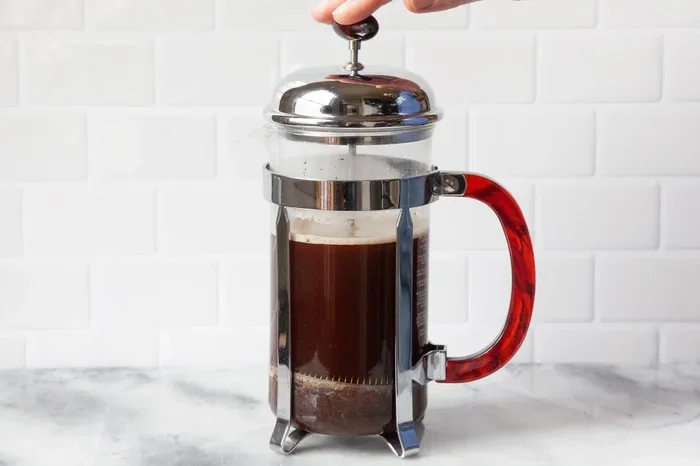
- French press: A French press brings out the full body and richness of black ivory coffee. Use a coarse grind, steep for 4 minutes, and press slowly. The result is a bold, smooth cup with a velvety texture.
- AeroPress: Great for highlighting the delicate fermented flavors. Use a fine to medium grind, water at 200 degrees Fahrenheit, and brew for 1 to 2 minutes.
Water Temperature and Ratio
The water temperature for coffee is crucial. Too hot and you will over-extract, bringing out bitterness. Too cool and you will under-extract, leaving the coffee weak and sour. Aim for 195 to 205 degrees Fahrenheit for optimal extraction.
Use a ratio of 1 to 2 tablespoons of ground coffee per 6 ounces of water. Adjust to your taste preference. Black ivory coffee is naturally smooth, so you may find that you need less coffee than usual to avoid over-concentrating the flavors.
If you are new to coffee brewing methods, start with a pour-over. It is the most forgiving method and allows you to taste the subtle nuances of your homemade black ivory beans clearly.
Common Mistakes to Avoid When Making Black Ivory Coffee
Even with the best intentions, mistakes can happen. Here are the most common pitfalls to watch out for when making black ivory coffee at home.
Using the Wrong Beans
This is the number one mistake. Robusta beans or low-quality Arabica beans will not produce the smooth, complex flavor you are looking for. Always start with high-quality green Arabica beans from a reputable source.
Skipping the Fermentation Step
Some people try to shortcut the process by simply buying regular coffee and adding flavorings. This does not work. The fermentation is what creates the unique flavor profile of black ivory coffee. Without it, you are just drinking flavored coffee, not the real thing.
Over-Roasting the Beans
Dark roasting may seem appealing, but it destroys the delicate fermented flavors. Stick to a medium roast to preserve the chocolatey, fruity, and smooth characteristics that make black ivory coffee special.
Not Drying the Beans Properly
If the beans still have too much moisture after fermentation, they can mold during storage. Make sure they are completely dry before roasting. A moisture meter can help you verify the moisture level is around 11%.
Using Stale Water
Do not overlook the water you use to brew. Filtered water with no strong odors or chlorine taste will produce the cleanest and most accurate representation of your black ivory coffee’s flavor.
Expert Tips for the Best Results
Here are some insider tips from coffee professionals to help you get the most out of your homemade black ivory coffee.
- Double-ferment for extra smoothness. Some producers ferment the beans twice for an even smoother flavor. You can try this by repeating the fermentation process with fresh pineapple juice solution after the first round.
- Cold brew for a twist. Black ivory coffee cold brew is incredibly smooth and refreshing. Grind your roasted beans coarsely, add cold water, and steep in the refrigerator for 18 to 24 hours.
- Pair it with dark chocolate. The chocolatey notes in black ivory coffee pair beautifully with dark chocolate. Try a small piece alongside your cup for a luxurious tasting experience.
- Share the experience. This is a fun project to do with friends or fellow coffee enthusiasts. The process itself is fascinating, and sharing the results makes it even more rewarding.
Making black ivory coffee at home is not just about the end result. It is about the journey. From selecting the beans to the fermentation, roasting, and finally brewing, every step connects you to one of the most unique coffee processes in the world.
Conclusion
Learning how to make black ivory coffee from scratch at home is a rewarding experience for any coffee enthusiast. It requires patience, attention to detail, and a willingness to experiment, but the results are well worth the effort. You get to create a cup of coffee that is remarkably smooth, low in acidity, and packed with complex flavors that rival the most expensive coffees in the world.
Start with quality green Arabica beans, follow the fermentation process carefully, roast to a medium level, and brew using your preferred method. Each step is a chance to refine your technique and develop your own signature version of this rare and luxurious coffee.
Whether you are doing it for the love of coffee or just out of curiosity, making black ivory coffee at home opens a door to a world of flavor that most coffee drinkers never get to experience. So gather your beans, set aside some time, and start your journey into the world of elephant coffee today. Your taste buds will thank you.
Frequently Asked Questions
Can I make black ivory coffee without pineapple juice?
Yes, you can use other natural enzyme sources like papaya juice or kiwi juice. The key is to use a fruit juice that contains proteolytic enzymes. Pineapple juice is the most accessible and effective option, but alternatives will still produce a similar fermentation effect on the beans.
How long does the fermentation process take?
The fermentation process takes 24 to 48 hours at room temperature. The exact time depends on the temperature and the enzyme concentration in your solution. Longer fermentation does not always mean better results, so stick to the recommended range and monitor the smell and taste of the beans.
Is homemade black ivory coffee safe to drink?
Yes, as long as you follow proper hygiene and fermentation practices. The beans are thoroughly washed after collection, and the fermentation process actually reduces harmful bacteria. Make sure to use clean equipment and drink the coffee within a reasonable time after brewing.
Can I use pre-ground coffee for this process?
No. You must start with whole green coffee beans. Pre-ground coffee has already been roasted and ground, which means the fermentation process will not work the same way. The green bean stage is essential for the enzymes to penetrate and transform the beans.
How does black ivory coffee taste compared to regular coffee?
Black ivory coffee is significantly smoother and less bitter than regular coffee. It has a clean, silky body with notes of chocolate, caramel, and tropical fruit. The acidity is much lower, making it an excellent choice for people who find regular coffee too harsh or acidic.
Where can I buy green Arabica beans for this project?
Green Arabica beans are available online from specialty coffee retailers, Amazon, and dedicated coffee roasters. Look for beans that are freshly harvested and stored properly. If you are also interested in how long coffee beans last after grinding, make sure to buy whole green beans and only grind them right before brewing for the best results.