Are Chive Flowers Edible Here Is What You Need To Know
Yes, chive flowers are edible and pack a mild garlic flavor that elevates salads, soups, and more. These vibrant purple blooms from the allium family are safe to eat and loaded with nutrients. Whether you grow them in your herb garden or spot them at a farmers market, chive flowers edible is a topic every home cook should explore. Below, you will find everything you need to know about using, preparing, and enjoying these beautiful kitchen herbs.
Have you ever walked through your herb garden and noticed the delicate purple blooms on your chive plants? You might have wondered, are chive flowers edible? The short answer is yes. These beautiful blossoms are not only safe to eat but also bring a gentle garlic flavor and a pop of color to your meals.
Many home cooks overlook chive blossoms, focusing only on the green stems. But the flowers are just as useful in the kitchen. They make gorgeous garnishes, add depth to salads, and even work well in infused oils and vinegars. If you have been throwing away your chive flowers, it is time to start using them.
In this guide, we will cover everything you need to know about chive flowers edible uses, their health benefits, how to harvest and store them, and simple recipes to try at home. Whether you are a seasoned gardener or a beginner cook, this article will give you all the confidence you need to start eating chive blossoms today.
Key Takeaways
- Chive flowers are fully edible: Both the petals and buds are safe to eat and add a mild garlic flavor to dishes.
- Rich in nutrients: Chive blossoms contain vitamins A and C, antioxidants, and beneficial minerals.
- Easy to prepare: You can eat them raw, dry them, or infuse them into oils and vinegars.
- Great for garnishing: Their vibrant purple color makes them a stunning floral garnish for salads and cocktails.
- Grow them yourself: Chives are low-maintenance perennial herbs that bloom abundantly in spring and summer.
- Versatile in cooking: Use chive flowers in salads, soups, butter, cheese, and even desserts.
- Avoid pesticides: Always source organically grown chive flowers or grow them yourself for safe consumption.
📑 Table of Contents
- What Are Chive Flowers?
- Are Chive Flowers Edible? The Full Answer
- Health Benefits of Chive Flowers
- How to Harvest and Prepare Chive Flowers
- Delicious Ways to Use Chive Flowers in Cooking
- Growing Your Own Chives for Flowers
- Common Mistakes to Avoid When Using Chive Flowers
- Quick Tips for Using Chive Flowers
- Expert Insights on Edible Flowers in the Kitchen
- Conclusion
What Are Chive Flowers?
Chive flowers come from the chive plant, scientifically known as allium schoenoprasum. This plant belongs to the allium family, which includes garlic, onions, and leeks. Chives are perennial herbs, meaning they grow back year after year without replanting.
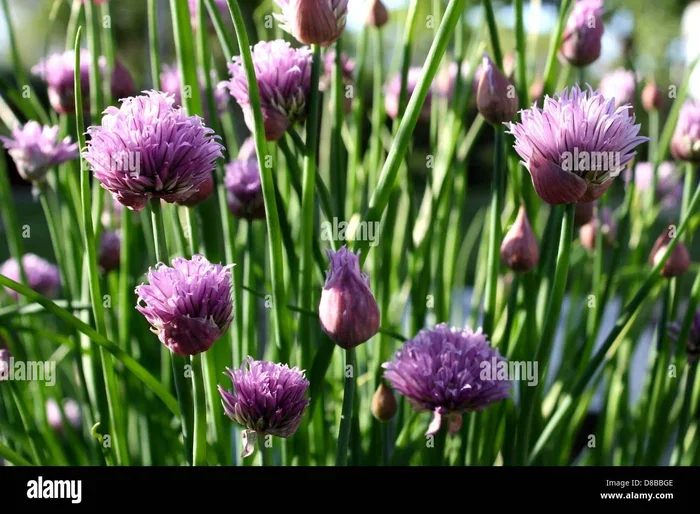
The flowers typically appear in late spring or early summer. They form round, globe-shaped clusters of small purple petals. Each tiny petal carries a mild garlic-onion flavor that is much softer than the stems. The blossoms also have a subtle sweetness that makes them perfect for salads and light dishes.
Types of Chive Flowers
Not all chive plants produce the same type of flower. Here are the most common varieties you might encounter:
- Common Chives (Allium schoenoprasum): These produce classic purple globe-shaped flowers with a mild garlic taste.
- Garlic Chives (Allium tuberosum): Also known as Chinese chives, they produce white star-shaped flowers with a stronger garlic flavor.
- Society Garlic (Tulbaghia violacea): This related plant produces purple flowers and tastes similar to garlic chives.
All of these varieties are chive flowers edible and safe to consume. The flavor may vary slightly, but they all bring a lovely allium kick to your plate.
Are Chive Flowers Edible? The Full Answer
If you have been asking yourself, are chive flowers edible, the answer is a resounding yes. Every part of the chive plant is edible, including the flowers, stems, and even the roots. The flowers are particularly prized in the kitchen for their visual appeal and delicate flavor.
Chive blossoms have been used in cooking for centuries. In fact, many culinary herbs from the allium family have a long history in both European and Asian cuisines. The French, Italians, and Chinese have all incorporated chive flowers into their traditional dishes for generations.
When you eat chive flowers, you get a milder flavor compared to the stems. The petals taste like a gentle blend of garlic and onion with a slightly sweet finish. This makes them incredibly versatile. You can toss them into a fresh green salad, scatter them over a bowl of soup, or use them to decorate a fancy appetizer.
One important thing to keep in mind is to always source your chive flowers safely. If you grow them yourself, you know exactly what goes into them. If you buy them from a market, make sure they are organic and have not been treated with pesticides or chemicals.
How Chive Flowers Compare to Chive Stems
While both the flowers and stems are edible, they serve different purposes in cooking. Here is a quick comparison:
- Chive Stems: Stronger garlic flavor, best used as a seasoning, chopped into dishes, or as a finishing garnish.
- Chive Flowers: Milder, slightly sweet flavor, best used whole as a garnish or infused into oils and vinegars.
Many cooks prefer to use both together. The stems add bold flavor to the dish, while the flowers add a beautiful visual element and a subtle taste boost.
Health Benefits of Chive Flowers
Beyond their culinary appeal, chive blossoms offer several health benefits. These tiny flowers are more nutritious than most people realize.
Rich in Vitamins and Minerals
Chive flowers contain vitamins A and C, which support immune function and skin health. They also provide small amounts of calcium, iron, and potassium. While you would not eat enough flowers to meet your daily nutritional needs, every little bit adds up, especially when you use them regularly in cooking.
Packed with Antioxidants
Like many edible flowers, chive blossoms are rich in antioxidants. These compounds help fight free radicals in your body, which can reduce inflammation and lower the risk of chronic diseases. The vibrant purple color of the petals comes from anthocyanins, a powerful group of antioxidants also found in blueberries and red cabbage.
Support Digestive Health
Chives have been used in traditional medicine to support digestion. The mild compounds in chive flowers can help stimulate appetite and support healthy gut function. Adding them to your meals is an easy and natural way to support your digestive system.
Low in Calories
If you are watching your calorie intake, chive flowers are a guilt-free addition to your meals. They add flavor, color, and nutrition without adding significant calories. This makes them perfect for health-conscious cooks who want to elevate their dishes without extra负担.
How to Harvest and Prepare Chive Flowers
Harvesting chive flowers is simple and rewarding. The best time to pick them is in the morning, after the dew has dried but before the sun gets too hot. At this point, the petals are fresh and full of flavor.
When to Harvest
Chive flowers typically bloom from late spring through midsummer. You want to pick them when they are fully open but still firm. If the flowers start to wilt or turn brown, they have passed their prime. Here are some quick tips:
- Pick flowers on a dry day to avoid moisture damage.
- Choose blooms that are vibrant in color and fully opened.
- Harvest in the morning for the best flavor and freshness.
- Leave some flowers on the plant to attract pollinators like bees and butterflies.
How to Prepare Chive Flowers for Eating
Preparing chive flowers for the kitchen is straightforward. Follow these simple steps:
- Rinse gently: Place the flowers in a bowl of cool water and swish them gently. Pat them dry with a paper towel.
- Remove the stems: Snap off the small green base of each flower cluster. The petals are what you want to use.
- Check for insects: Since chive flowers attract pollinators, inspect each bloom carefully for any tiny bugs. Shake them gently or rinse again if needed.
- Separate the petals: For salads and garnishes, pull the individual petals from the flower head. For infusions, you can use the whole flower head.
Once prepared, you can use the petals immediately or store them for later use. They keep best in the refrigerator for one to two days when stored in an airtight container lined with a damp paper towel.
Drying Chive Flowers
If you want to preserve your chive blossoms for longer, drying is a great option. Spread the petals on a parchment-lined tray and let them air dry in a cool, dark place for a few days. You can also use a food dehydrator on low heat. Once completely dry, store them in an airtight jar away from sunlight. Dried chive flowers work well in teas and seasoning blends.
Delicious Ways to Use Chive Flowers in Cooking
The real fun with chive flowers is finding creative ways to use them in the kitchen. Their mild garlic flavor and stunning purple color make them a favorite among chefs and home cooks alike.
As a Salad Garnish
The simplest and most popular way to use chive flowers is as a salad garnish. Toss a handful of petals over your favorite green salad for an instant burst of color and flavor. They pair beautifully with mixed greens, goat cheese, and a light vinaigrette. The flowers add a subtle garlic note that complements the tangy cheese perfectly.
In Soups and Stews
Sprinkle chive flower petals into soups and stews just before serving. The heat will slightly wilt the petals, releasing their flavor without cooking away their vibrant color. This works especially well in potato soup, lentil soup, and creamy bisques.
Infused Oils and Vinegars
Making infused oils with chive flowers is a fantastic way to capture their flavor. Simply place the flower heads in a bottle of olive oil or vinegar and let them sit for one to two weeks. Strain and use the infused liquid to dress salads, drizzle over roasted vegetables, or finish a dish of pasta. This is a wonderful way to preserve the essence of your garden herbs.
In Butter and Cheese
Fold chive flower petals into softened butter or cream cheese for a flavorful spread. This works beautifully on toast, crackers, or as a dip for fresh vegetables. The garlic flavor of the flowers blends naturally with dairy, creating a rich and savory combination.
In Cocktails and Beverages
Edible flowers have become a popular trend in cocktails, and chive blossoms are no exception. Float a few petals on top of a gin and tonic or a refreshing lemonade. They add an elegant visual touch and a subtle herbal flavor. You can also brew chive flower tea by steeping the petals in hot water for five to ten minutes.
In Egg Dishes
Chive flowers and eggs are a natural pairing. Scatter the petals over scrambled eggs, omelets, or frittatas. The mild garlic flavor enhances the richness of the eggs without overpowering them. This is one of the easiest ways to incorporate chive flowers edible into your breakfast routine.
In Pasta and Rice Dishes
Add chive flower petals to pasta salads, grain bowls, or stuffed peppers for a pop of color and flavor. They work especially well in dishes that already include garlic or onion, as the flavors complement each other naturally.
Growing Your Own Chives for Flowers
If you do not already grow chives, now is the perfect time to start. Chives are one of the easiest herb gardens plants to grow, and they produce beautiful flowers year after year.
Getting Started
Chives grow well in both garden beds and containers. They prefer full sun and well-drained soil. Here is what you need to know:
- Planting: You can start chives from seeds or divide existing clumps in early spring.
- Watering: Keep the soil consistently moist but not waterlogged. Chives are fairly drought-tolerant once established.
- Harvesting stems: Cut the green stems down to about two inches above the soil. They will regrow quickly.
- Letting them flower: To encourage blooms, stop harvesting the stems in early spring and let the plants grow freely.
One of the best things about growing chives is that they are perennial. This means they come back every year without replanting. Over time, your chive plants will expand and produce even more flowers. They also attract pollinators like bees and butterflies, making them a valuable addition to any pollinator garden.
Companion Planting with Chives
Chives make excellent companion plants in the vegetable garden. They help repel pests like aphids and Japanese beetles. Plant them near tomatoes, peppers, and carrots to naturally protect your crops. Plus, the flowers attract beneficial insects like bees, which help pollinate your other plants.
Common Mistakes to Avoid When Using Chive Flowers
While chive flowers are wonderful, there are a few common mistakes that can ruin your experience. Here is what to watch out for:
- Using flowers that have been sprayed with pesticides: Always choose organic or homegrown chive flowers. Non-organic flowers may contain harmful chemicals that are not safe to eat.
- Cooking the flowers too long: Chive flowers are best used raw or added at the end of cooking. Prolonged heat turns the petals mushy and dulls their color.
- Not washing them properly: Flowers attract insects and can carry pollen or dirt. Always rinse them gently before using.
- Using flowers that are past their prime: Wilting or brown flowers taste bitter and look unappealing. Only use fresh, vibrant blooms.
- Overharvesting: Leave some flowers on the plant to support pollinators and ensure future blooms. A good rule of thumb is to harvest no more than one-third of the flowers at a time.
Quick Tips for Using Chive Flowers
Here are some fast, practical tips to get the most out of your chive blossoms:
- Add petals to dishes right before serving for the best flavor and appearance.
- Use chive flowers to color and flavor homemade salts and seasoning blends.
- Freeze petals in ice cubes for beautiful, flavorful additions to summer drinks.
- Pair chive flowers with creamy foods like butter, cheese, and yogurt for balanced flavor.
- Store fresh flowers in the refrigerator wrapped in a damp paper towel for up to two days.
- Use chive flowers as a natural food coloring agent in homemade pasta or frosting.
- Try them in pickled form for a tangy, colorful addition to charcuterie boards.
Expert Insights on Edible Flowers in the Kitchen
Culinary experts have long recognized the value of edible flowers in cooking. Chefs like to use them not just for flavor but for the visual drama they bring to a plate. Chive flowers sit in a sweet spot between being practical and ornamental. They are easy to grow, simple to prepare, and versatile enough to use in both casual weeknight meals and dinner party presentations.
The trend of using edible flowers in cooking has grown significantly in recent years. Home cooks are increasingly looking for ways to make their meals more visually stunning and naturally flavorful. Chive flowers check both boxes perfectly. They bring a gourmet touch to everyday dishes without requiring any special skills or expensive ingredients.
Whether you are a seasoned cook or just starting out, adding chive flowers to your kitchen repertoire is a small change that makes a big difference. Start with simple uses like garnishing a salad or stirring petals into a bowl of soup. As you grow more comfortable, you can experiment with infusions, butters, and more creative applications.
Conclusion
The answer to the question are chive flowers edible is a clear and enthusiastic yes. These beautiful purple blossoms are safe to eat, packed with nutrients, and incredibly versatile in the kitchen. From salads to soups, from infused oils to cocktail garnishes, chive flowers bring flavor, color, and health benefits to your table.
Growing your own chives is one of the easiest ways to ensure a steady supply of fresh flowers throughout the season. And preparing them is just as simple. A quick rinse, a few petals removed, and you are ready to elevate your next meal.
So the next time you see chive flowers in your garden or at the market, do not let them go to waste. Embrace them. Use them. Enjoy them. Your kitchen will be richer for it, and your dishes will look and taste absolutely wonderful. Chive flowers edible is not just a curiosity, it is a delicious and practical addition to any home cook’s toolkit.
Start experimenting today. Toss a handful of petals onto your next salad, infuse them into your favorite oil, or simply enjoy their beauty on your plate. You will quickly discover that these little flowers are among the most delightful and underused ingredients in the kitchen.
Frequently Asked Questions
Can you eat all parts of the chive plant?
Yes, every part of the chive plant is edible. The green stems, purple flowers, and even the roots are safe to eat. The stems have the strongest flavor, while the flowers are milder and sweeter. Each part brings something different to your dishes.
Do chive flowers taste like garlic?
Chive flowers have a mild garlic flavor, but it is much softer than the stems. The petals also carry a subtle sweetness that makes them pleasant to eat raw. Think of them as a gentle garlic accent rather than a bold punch of flavor.
Can you use chive flowers in cooking the same way as the stems?
Not exactly. Chive stems are best used as a seasoning or chopped into dishes, while the flowers are ideal as a whole garnish or for infusing oils and vinegars. The flowers are more delicate and lose their color and texture if cooked too long.
Are store-bought chive flowers safe to eat?
Only if they are labeled as organic and edible. Flowers from regular florists or non-food markets may have been treated with pesticides that are not safe for consumption. Always check the label or grow your own to be safe.
How long do fresh chive flowers last?
Fresh chive flowers last about one to two days in the refrigerator when stored properly. Place them in an airtight container lined with a damp paper towel. For longer storage, you can dry the petals or infuse them into oil or vinegar.
Can chive flowers be used in desserts?
Yes, chive flowers can be used in desserts, though it is less common. They work well in floral-infused syrups, garnishes for cakes, or folded into cream-based desserts. Their mild garlic flavor pairs best with rich, creamy, or tangy sweet dishes like cheesecake or panna cotta.
=== INTERNAL LINKS ===
Just like exploring different coffee brewing methods, there are many ways to prepare and enjoy chive flowers in your kitchen.
If you love cooking with fresh herbs, you might also enjoy learning about whether Pioneer Woman pans are oven safe to find the best cookware for your herb-infused recipes.
When preparing chive flowers quickly, you can toss them into a dish using techniques similar to those in why microwaves are faster than ovens, saving you time without sacrificing flavor.