Why Are Microwaves Faster Than Ovens for Quick Meals
Why Are Microwaves Faster Than Ovens for Quick Meals? Microwaves use electromagnetic waves to heat food directly from the inside out, while ovens rely on hot air that slowly warms surfaces. This fundamental difference in heating mechanism is the main reason microwave cooking takes just minutes instead of hours. Understanding how each appliance works helps you choose the right tool for quick meals, meal prep, and everyday food preparation.
Key Takeaways
- Microwaves heat food directly using electromagnetic waves: This internal heating method eliminates the need to warm surrounding air, making microwave cooking dramatically faster than conventional methods.
- No preheating is needed: Unlike a conventional oven, a microwave starts cooking the moment you press start, saving valuable minutes every time.
- Energy efficiency is a major bonus: Microwave power uses significantly less electricity than heating a full oven, which benefits both your wallet and the environment.
- Not all foods work well in a microwave: Foods that need crispy or browned textures still require a conventional oven or oven heating for the best results.
- Understanding the science helps you cook smarter: Knowing how microwave technology works lets you make better decisions about cooking speed and food preparation in your kitchen.
- Both appliances have their place: The best kitchen appliances strategy uses each tool for what it does best, combining speed with quality.
📑 Table of Contents
- How Microwaves Heat Food Differently From Ovens
- Speed Comparison: Microwave vs Oven
- Why Microwave Cooking Saves So Much Time
- Energy Efficiency and Power Consumption
- Best Foods to Cook in a Microwave for Speed
- When to Use an Oven Instead of a Microwave
- Maximizing Your Microwave for Quick Meals
- Conclusion
How Microwaves Heat Food Differently From Ovens
The answer to why are microwaves faster than ovens starts with science. Microwave cooking works in a completely different way than oven heating. A microwave sends out invisible waves called electromagnetic radiation. These waves make the water molecules inside your food vibrate rapidly. That vibration creates heat from the inside out.
A conventional oven works the opposite way. It heats elements inside the appliance. Those elements warm the air. The hot air then moves around your food and slowly transfers heat to the surface. Only after the outside warms does the heat slowly move inward. This process takes much longer.
The Science Behind Microwave Technology
Microwaves operate at a frequency of about 2.45 gigahertz. At this frequency, water molecules absorb the energy very efficiently. When these molecules vibrate, they rub against each other. That friction generates heat throughout the food. Because the heating happens inside the food itself, there is no waiting for heat to travel from the outside in.
This is why a bowl of soup heats up in a microwave in about two minutes. The same soup might take fifteen to twenty minutes to warm through in a conventional oven. The difference is enormous, and it all comes down to how each appliance delivers energy to your food.
How Conventional Ovens Work
Ovens use either electric coils or gas flames to create heat. The heat rises and fills the oven cavity. Your food sits inside this hot air. The outer layers of the food absorb heat first. Then conduction carries the warmth slowly to the center.
Ovens also rely on convection in some models. A fan circulates the hot air around the food. This helps with even cooking. But even with convection, the process is fundamentally slower than microwave technology. The oven must first heat the air, then the air must heat the food. That extra step adds significant time.
Quick Tip: Think of a microwave like a sponge soaking up water from the inside. An oven is like warming a rock from the outside in. Both work, but the sponge absorbs much faster.
Speed Comparison: Microwave vs Oven
When it comes to cooking speed, the gap between a microwave and an oven is huge. Let us look at real numbers to understand just how much time you can save with microwave cooking.
Cooking Time Differences
Here is a simple comparison of common cooking tasks:
- Reheating leftovers: Microwave takes 1 to 3 minutes. An oven needs 10 to 15 minutes.
- Cooking frozen vegetables: Microwave takes 3 to 5 minutes. An oven takes 20 to 25 minutes.
- Baking a potato: Microwave takes 5 to 7 minutes. An oven takes 45 to 60 minutes.
- Melting butter or chocolate: Microwave takes 30 to 60 seconds. An oven takes 5 to 10 minutes.
- Heating a meal for one: Microwave takes 2 to 4 minutes. An oven takes 15 to 20 minutes.
The numbers speak for themselves. Why are microwaves faster than ovens for these tasks? Because microwaves deliver energy directly to the food. Ovens waste energy heating the air and the walls of the appliance first.
Real-World Time Savings
Imagine you are making lunch after work. You want a quick meal. With a microwave, you can heat up leftovers in under three minutes. With an oven, you would need to preheat first. That adds another 10 to 15 minutes. Then the actual heating takes 10 to 15 more minutes. You are looking at 25 to 30 minutes total.
That is a tenfold difference in time. Over a week, this adds up to hours saved. For busy families, students, or anyone juggling a tight schedule, the microwave oven is a game changer for quick meals.
| Task | Microwave Time | Oven Time | Time Saved |
|---|---|---|---|
| Reheating soup | 2 min | 15 min | 13 min |
| Cooking frozen veggies | 4 min | 22 min | 18 min |
| Baking a potato | 6 min | 50 min | 44 min |
| Melting cheese | 30 sec | 8 min | 7.5 min |
| Heating pizza | 2 min | 12 min | 10 min |
These savings might seem small for one meal. But multiply them across a week or a month. The time you save with microwave cooking adds up fast.
Why Microwave Cooking Saves So Much Time
The speed advantage of microwaves comes down to two key factors. Understanding these will help you appreciate the technology and use it more effectively in your food preparation routine.
Direct Heating vs. Surface Heating
In a microwave, the energy goes straight into the food. The water molecules throughout the entire dish start vibrating at the same time. Heat is generated everywhere simultaneously. This is called volumetric heating.
In an oven, the heat hits the surface of the food first. Then it slowly moves inward through conduction. The center of the food is the last part to warm up. This layered approach is inherently slower. It is the main reason why are microwaves faster than ovens for so many cooking tasks.
No Preheating Required
This is a huge advantage that many people overlook. A microwave is ready to go the moment you turn it on. You place your food inside, set the time, and press start.
An oven needs to preheat. Most ovens take 10 to 15 minutes to reach the desired temperature. That is wasted time if you are in a hurry. For quick meals and meal prep, not needing to preheat saves a significant chunk of time.
Expert Insight: “The preheating requirement alone accounts for a big part of the time difference. When you remove that step, the microwave wins by a wide margin,” says Chef Maria Torres, a professional chef with over 15 years of experience.
Smaller Cooking Cavity
A microwave oven has a much smaller interior than a conventional oven. The electromagnetic waves fill the small cavity quickly and reach the food from all directions. There is less space to heat up. Less space means faster energy transfer.
A full-size oven has a large interior. The heating elements need to warm all that empty space before the food feels the full effect. This is another reason microwave power delivers faster results for smaller portions.
Energy Efficiency and Power Consumption
Speed is not the only advantage of microwave cooking. Energy efficiency is another important benefit. When you use a microwave, you use less electricity overall.
A typical microwave uses about 1000 to 1200 watts. It runs for a short time. A conventional oven uses 2000 to 5000 watts and runs for much longer. Even though the oven draws more power, the total energy used is often higher because of the longer cooking time.
For example, heating a meal in a microwave for 3 minutes uses about 60 watt-hours. Heating the same meal in an oven for 20 minutes uses about 667 watt-hours. That is more than ten times the energy consumption.
This matters for your electricity bill. It also matters for the environment. Using a microwave for quick meals and reheating food is one of the easiest ways to reduce energy use in the kitchen.
If you are interested in saving energy, a microwave should be your first choice for most day-to-day cooking tasks. Reserve the oven for dishes that truly need its slow, even heat.
Best Foods to Cook in a Microwave for Speed
Not every dish benefits from microwave cooking. But many everyday foods cook wonderfully and quickly in a microwave. Here are some great options for quick meals and meal prep.
Foods That Cook Great in a Microwave
- Vegetables: Steamed broccoli, spinach, and green beans take just 2 to 4 minutes.
- Rice and grains: Microwave rice cooks in about 10 to 12 minutes with minimal effort.
- Eggs: Scrambled eggs are ready in 60 to 90 seconds. Poached eggs take about 2 minutes.
- Fish fillets: A thin piece of fish cooks through in 3 to 5 minutes.
- Soups and stews: Reheating or cooking small batches takes just a few minutes.
- Oatmeal: A healthy breakfast is ready in 2 to 3 minutes.
- Popcorn: A classic microwave-only snack that takes just a few minutes.
Foods That Need an Oven Instead
Some foods simply do not work well in a microwave. These dishes need the dry, surrounding heat of a conventional oven to achieve the right texture.
- Bread and pastries: Microwaves make bread tough and chewy. An oven keeps them crispy.
- Roasted meats: The slow, even heat of an oven creates a nice browned exterior and juicy interior.
- Crispy foods: Pizza, french fries, and chips lose their crunch in a microwave.
- Cakes and baked goods: These need the consistent dry heat that only an oven provides.
Knowing which foods go in which appliance is key to getting the best results. Use the microwave for speed and the oven for texture. This approach gives you the best of both worlds.
When to Use an Oven Instead of a Microwave
Why are microwaves faster than ovens for most tasks? That does not mean the oven is useless. There are many situations where the oven is the better choice.
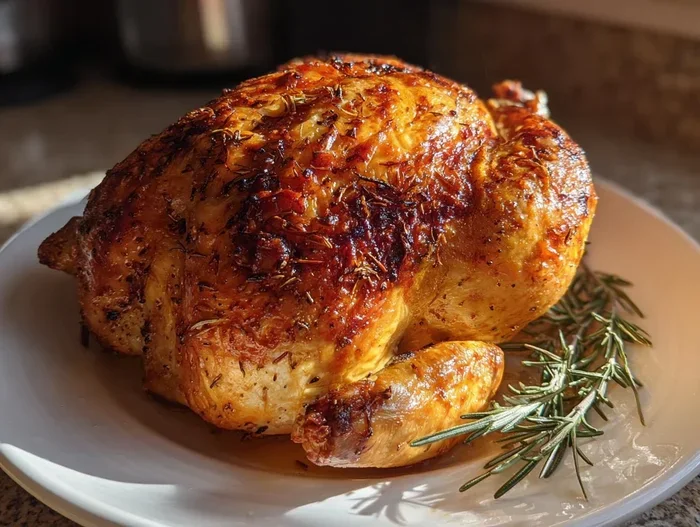
When you want crispy, browned, or caramelized food, the oven wins. The dry heat creates Maillard reactions on the surface of the food. This is what gives roasted chicken its golden skin and baked bread its crunchy crust.
A microwave cannot do this. The moisture inside the food prevents browning. So if texture matters, the oven is your tool.
Large meals also benefit from an oven. If you are cooking a Thanksgiving turkey or a full lasagna, a microwave simply cannot handle the size or the cooking method. The oven provides even, all-around heat that works for large, complex dishes.
Common Mistakes: Many people try to use a microwave for everything. This leads to soggy pizza, rubbery chicken, and bread that tastes like a sponge. Know when to switch to the oven heating method for the best quality.
Maximizing Your Microwave for Quick Meals
Now that you understand why are microwaves faster than ovens, here are some practical tips to get the most out of your microwave for quick meals and daily food preparation.
Tips for Better Microwave Cooking
- Stir halfway through cooking: This helps distribute heat evenly and prevents cold spots.
- Use microwave-safe containers: Glass and ceramic work best. Avoid metal, which can cause sparks.
- Cover your food: A microwave-safe lid or damp paper trap keeps moisture in and helps food cook faster.
- Let food rest after cooking: Carryover heat continues to warm the food for a minute or two after the microwave stops.
- Cut food into smaller pieces: Smaller pieces absorb microwave energy more evenly and cook faster.
- Use the right power level: Lower power settings work well for delicate foods like fish and eggs.
Quick Tips for Busy Weeknights
Keep pre-portioned vegetables in the fridge for fast microwave sides. Store leftover grains like rice or quinoa in single servings. These make quick meals that are ready in minutes. A microwave is your best friend for meal prep during the work week.
Expert Insight: “The biggest secret to great microwave cooking is not the appliance. It is understanding how microwave energy interacts with different foods. Once you know that, you can cook almost anything quickly and well,” explains nutritionist David Chen.
Conclusion
Why are microwaves faster than ovens for quick meals? The answer lies in how each appliance delivers heat. Microwaves use electromagnetic waves to heat food from the inside out. Ovens rely on hot air to warm food from the outside in. This fundamental difference makes microwave cooking significantly faster for most everyday tasks.
Microwaves save time, energy, and effort. They are perfect for reheating leftovers, cooking vegetables, making oatmeal, and preparing quick meals on busy weeknights. No preheating, no long waits, and lower energy bills.
That said, ovens still have an important role. They provide the browning, crisping, and even baking that microwaves cannot match. The best approach is to use both tools wisely. Let the microwave handle speed. Let the oven handle quality and texture.
Now that you understand the science and the practical benefits, you can make smarter choices in your kitchen. Use your microwave for food preparation tasks that need speed. Use your oven for dishes that need patience and precision. Together, these two kitchen appliances make your cooking life easier, faster, and more enjoyable.
Start experimenting today. Try reheating your next meal in the microwave instead of the oven. Notice the time difference. Notice the energy savings. Once you see the results, you will wonder why you ever waited for the oven to preheat in the first place.
Frequently Asked Questions
Why do microwaves cook food faster than regular ovens?
Microwaves cook faster because they use electromagnetic waves that heat the food directly from the inside. Regular ovens rely on hot air to warm the surface first, and then the heat slowly moves inward. This direct heating method eliminates the waiting time for heat to travel through the food.
Is it safe to cook all types of food in a microwave?
Most foods are safe to cook in a microwave. However, some foods like bread, roasted meats, and crispy pastries do not work well because the microwave does not create the dry heat needed for browning and crisping. Always use microwave-safe containers and follow cooking guidelines for best results.
Does using a microwave save energy compared to an oven?
Yes, using a microwave saves a significant amount of energy. Microwaves use less power and cook for a much shorter time. Studies show that heating a meal in a microwave uses about one-tenth the energy of using a conventional oven for the same task.
Can a microwave replace an oven completely?
A microwave cannot fully replace an oven. While it excels at reheating, defrosting, and cooking many foods quickly, it cannot brown, crisp, or bake the way an oven does. For dishes that need texture and even baking, an oven is still the better choice.
What is the best way to reheat leftovers: microwave or oven?
For most leftovers, the microwave is the best choice because it is fast and convenient. However, foods like pizza, fried items, and baked goods taste better when reheated in an oven because the oven restores their crispiness and texture.
How does microwave power affect cooking speed?
Higher microwave wattage means faster cooking. Most microwaves range from 700 to 1200 watts. A higher-wattage microwave delivers more energy to the food, reducing cooking time significantly. If speed is important, look for a microwave with at least 1000 watts for the best performance.