What Temperature To Cook Sweet Potatoes In The Oven Perfect
Learning what temperature to cook sweet potatoes in the oven is the key to perfectly fluffy, caramelized results every single time. The ideal oven temperature for sweet potatoes ranges between 400°F and 425°F, depending on your desired texture and prep style. Whether you are baking whole sweet potatoes, making sweet potato wedges, or roasting cubes, this guide covers everything you need to know. We will walk you through exact temperatures, cooking times, and expert tips that guarantee delicious baked sweet potatoes with golden skin and tender flesh.
There is something truly satisfying about pulling a tray of oven-baked sweet potatoes out of the heat. The kitchen fills with a warm, slightly sweet aroma, and you know you are about to enjoy one of the most versatile and nutritious vegetables out there. But here is the thing many home cooks get wrong.
The temperature you choose makes all the difference between mushy, undercooked centers and perfectly fluffy, caramelized baked sweet potatoes with crispy skin. If you have ever wondered what temperature to cook sweet potatoes in the oven, you are in the right place. This guide breaks down everything from basic baking to advanced roasting techniques so you can nail it every time.
Sweet potatoes are a staple in kitchens around the world. They pair with savory mains, work as healthy snacks, and even star in desserts. But their cooking time and temperature vary depending on size, cut, and preparation method. Understanding the fundamentals of oven-baked sweet potatoes gives you the confidence to experiment with endless sweet potato recipes without guessing or guessing again.
Key Takeaways
- 400°F to 425°F is the sweet spot: This range delivers the best balance of crispy skin and fluffy interior for most sweet potato recipes.
- Whole sweet potatoes need 45 to 60 minutes: At 400°F, a medium sweet potato bakes through completely in about one hour.
- Cutting increases cooking speed: Cubes and wedges cook faster at higher temperatures, typically in 25 to 35 minutes.
- Use foil or skip foil based on texture preference: Foil keeps skin soft, while skipping it creates a crispy, caramelized exterior.
- Check doneness with a fork: The sweet potato should be fork-tender all the way through with no hard centers.
- Internal temperature matters: A fully baked sweet potato reaches 205°F to 210°F internally for the best creamy texture.
- Seasoning timing affects flavor: Adding oil and salt before baking ensures every bite is flavorful and well-cooked.
📑 Table of Contents
- Why Oven Temperature Matters for Sweet Potatoes
- Best Temperature to Cook Sweet Potatoes in the Oven
- How Long to Cook Sweet Potatoes Based on Cut
- Foil vs. No Foil: The Great Sweet Potato Debate
- Seasoning and Flavor Ideas for Oven-Baked Sweet Potatoes
- Common Mistakes to Avoid When Baking Sweet Potatoes
- Expert Tips for Perfectly Baked Sweet Potatoes Every Time
- Nutrition Benefits of Baked Sweet Potatoes
- Frequently Asked Questions
- Conclusion
Why Oven Temperature Matters for Sweet Potatoes
Cooking sweet potatoes in the oven is more than just setting a timer. The heat you use directly affects the texture, flavor, and overall quality of the finished dish. Too low, and you end up with a pale, hard center. Too high, and the outside burns before the inside cooks through.
The Science Behind Baking Sweet Potatoes
When heat hits a sweet potato, several things happen at once. The starches inside begin to gelatinize, which creates that soft, creamy texture we love. The natural sugars caramelize on the surface, adding a subtle sweetness and golden-brown color. This process works best in a specific temperature range.
At lower temperatures, like 350°F, the sweet potato cooks slowly and evenly, but you lose the caramelization effect. At higher temperatures, like 425°F and above, the surface browns quickly, but the inside can remain undercooked if you do not adjust the time. The magic happens in the middle ground.
Sweet Potato Internal Temperature Explained
Every cook should know the sweet potato internal temperature that signals perfect doneness. A fully baked sweet potato reaches between 205°F and 210°F in the center. At this point, the flesh is uniformly soft and creamy, with no hard or chalky spots remaining.
Using a food thermometer takes the guesswork out entirely. Simply insert it into the thickest part of the potato and wait for the reading. If you do not have a thermometer, the fork test works well too. Poke the sweet potato with a fork, and if it slides in smoothly with no resistance, your oven-baked sweet potatoes are ready.
Best Temperature to Cook Sweet Potatoes in the Oven
So what temperature to cook sweet potatoes in the oven for the best results? The answer depends on what you are making, but most methods fall within a reliable range that works beautifully every time.
400°F: The Gold Standard for Whole Sweet Potatoes
Baking whole sweet potatoes at 400°F is the most popular and reliable method. This temperature strikes the perfect balance between cooking the interior thoroughly and caramelizing the skin. Most medium-sized sweet potatoes need about 45 to 60 minutes at this heat.
Here is why 400°F works so well:
- It cooks the interior evenly without drying it out
- The skin gets slightly crispy without burning
- Natural sugars begin to caramelize for deeper flavor
- It fits well into most meal prep schedules
If your sweet potatoes are especially large, add an extra 10 to 15 minutes. Always let them rest for five minutes after removing them from the oven. This allows the heat to distribute evenly through the flesh, making them easier to handle and even more delicious.
425°F: For Faster Roasting and Crispier Results
Some cooks prefer roasted sweet potatoes at 425°F because it speeds up the process and delivers a crispier exterior. This temperature works best for cut sweet potatoes, wedges, and cubes rather than whole potatoes.
At 425°F, sweet potato wedges take about 25 to 30 minutes, while cubes roast in roughly 20 to 25 minutes. The higher heat creates a beautiful golden-brown crust on the edges while keeping the inside tender and moist.
Just be careful not to walk away. The higher temperature means the edges can go from perfectly caramelized to burnt quickly. Set a timer and check on your sweet potato oven roasted dish a few minutes before the expected finish time.
375°F: The Low-and-Slow Option
For those who prefer ultra-soft, melt-in-your-mouth sweet potatoes, 375°F is a gentler alternative. The trade-off is longer cooking time, usually around 60 to 75 minutes for whole potatoes.
This lower temperature is great for:
– Large sweet potatoes that need gentle, even cooking
– Recipes where you want the skin to stay soft and pliable
– Dishes where you are layering sweet potatoes with other ingredients
The downside is that you get less caramelization on the skin. If crispy skin matters to you, stick with 400°F or 425°F instead.
How Long to Cook Sweet Potatoes Based on Cut
The way you cut your sweet potatoes changes everything about the cooking process. Different shapes and sizes require different times and temperatures to reach that perfect fork-tender sweet potato texture.
Whole Sweet Potatoes
Whole sweet potatoes are the simplest to prepare. Just wash them, poke a few holes with a fork, and place them directly on the oven rack or on a lined baking sheet.
Cooking times at 400°F:
- Small sweet potatoes (under 5 ounces): 35 to 40 minutes
- Medium sweet potatoes (5 to 10 ounces): 45 to 55 minutes
- Large sweet potatoes (over 10 ounces): 55 to 70 minutes
For the best results, choose sweet potatoes that are similar in size so they cook evenly. If you are in a rush, you can cut larger potatoes in half to reduce cooking time significantly.
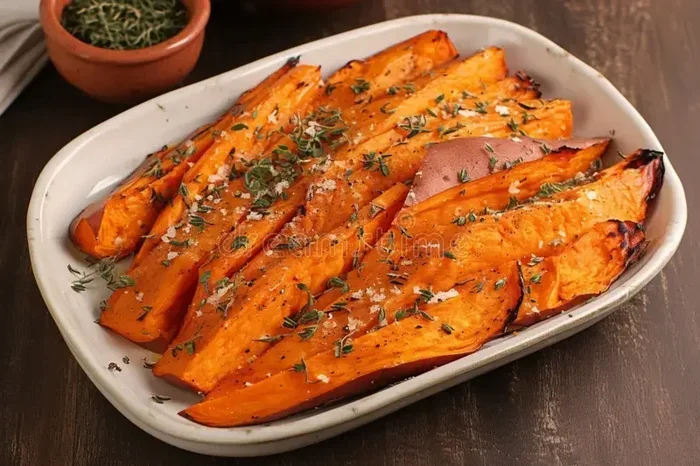
Sweet Potato Wedges
Wedges are a crowd favorite for a reason. They cook quickly, absorb seasonings beautifully, and deliver that satisfying crispy edge everyone loves.
To make perfect wedges:
- Cut the sweet potato in half lengthwise, then slice each half into 1-inch-wide wedges
- Toss with olive oil, salt, pepper, and any spices you enjoy
- Spread them in a single layer on a parchment-lined baking sheet
- Bake at 425°F for 25 to 30 minutes, flipping halfway through
The result is a side dish that pairs perfectly with grilled chicken, burgers, or just about any main course. The caramelized edges add a depth of flavor that whole baked sweet potatoes simply cannot match.
Sweet Potato Cubes
Cubed sweet potatoes are ideal for salads, bowls, and sheet pan dinners. Because the pieces are small, they cook fast and develop a wonderful golden-brown color.
At 425°F, sweet potato cubes need only 20 to 25 minutes. Toss them with oil and seasonings before spreading them on a baking sheet in a single layer. Avoid overcrowding the pan, as this traps steam and prevents proper caramelization.
For extra flavor, try tossing the cubes with smoked paprika, garlic powder, or a drizzle of maple syrup before roasting. These healthy sweet potato sides disappear from the table almost as fast as you can put them down.
Foil vs. No Foil: The Great Sweet Potato Debate
One of the most debated topics in sweet potato baking tips is whether to wrap them in foil or leave them exposed. Both methods have clear advantages, and the right choice depends on what texture you are going for.
Wrapping in Foil
Wrapping whole sweet potatoes in aluminum foil traps steam, which keeps the skin soft and moist. It also speeds up cooking slightly because the trapped heat surrounds the potato more evenly.
Foil works best when you want:
- Soft, pillowy skin that is easy to peel
- A more steamed, mashed-like interior texture
- To cook sweet potatoes alongside other dishes without drying them out
The downside is that foil prevents the skin from crisping up. You also lose some of the concentrated, caramelized flavor that comes from direct oven heat.
Baking Without Foil
Leaving sweet potatoes uncovered on a baking sheet allows air to circulate freely around them. This creates a drier, crispier skin and enhances the natural caramelization of the sugars on the surface.
No-foil baking is ideal when you want:
- Crispy, golden-brown skin with a satisfying crunch
- More concentrated, caramelized sweetness
- A rustic presentation that looks beautiful on the table
Just be sure to place the sweet potatoes on a parchment-lined sheet to prevent sticking. The no-foil method takes a few extra minutes compared to foil-wrapped potatoes, but the texture difference is worth it for many cooks.
Seasoning and Flavor Ideas for Oven-Baked Sweet Potatoes
Part of what makes sweet potato recipes so popular is how endlessly customizable they are. A plain baked sweet potato is delicious on its own, but the right seasoning takes it to a whole new level.
Savory Seasonings
For a savory twist, try these combinations before baking:
- Olive oil, sea salt, black pepper, and garlic powder
- Smoked paprika, cumin, and a squeeze of lime juice
- Olive oil, rosemary, and a sprinkle of parmesan cheese
- Butter, thyme, and a pinch of cayenne pepper
These savory sweet potato side dish options complement roasted meats, grilled fish, and vegetable platters beautifully. The seasoning goes directly on the skin or cut surface, so it infuses the potato as it bakes.
Sweet Seasonings
Sweet potatoes are naturally sweet, but a little extra flavoring makes them irresistible:
- Maple syrup and a dash of cinnamon
- Honey, brown sugar, and a pinch of nutmeg
- Coconut oil, cinnamon, and a sprinkle of sea salt
- Brown butter and a dusting of chili powder
Sweet seasonings work especially well on sweet potato wedges and cubes. The higher-heat roasting method helps the sugars develop a rich, almost candy-like flavor that kids and adults both love.
Common Mistakes to Avoid When Baking Sweet Potatoes
Even experienced home cooks sometimes make mistakes when preparing baked sweet potatoes. Knowing what to avoid saves time, prevents frustration, and ensures better results every time.
Skipping the Poke Test
One of the simplest yet most overlooked steps is poking holes in the sweet potato before baking. Without these holes, steam builds up inside the potato and has nowhere to escape. At best, you get a potato that bursts in the oven. At worst, you end up with uneven cooking and a frustrating mess.
Use a fork to poke 8 to 10 holes all around the sweet potato before placing it in the oven. This small step makes a big difference in both safety and cooking quality.
Overcrowding the Baking Sheet
When making wedges or cubes, it is tempting to fit as many pieces as possible on the pan. Overcrowding traps steam and prevents proper caramelization. The result is soggy, pale sweet potatoes instead of crispy, golden ones.
Give each piece enough space so air can flow freely around it. If you need to bake a large batch, use two baking sheets and rotate them halfway through cooking.
Ignoring Size Differences
Not all sweet potatoes are created equal. A small sweet potato might be done in 35 minutes, while a large one needs over an hour at the same sweet potato oven temperature. Mixing sizes on the same tray leads to some pieces being overcooked while others remain undercooked.
Sort your sweet potatoes by size before baking. This simple step ensures even cooking and saves you from serving a plate of inconsistent results.
Cutting Too Early
If you are baking whole sweet potatoes, resist the urge to cut them open right when they come out of the oven. Cutting too early releases steam that has not yet fully redistributed through the flesh. Let the potatoes rest for 5 to 10 minutes before slicing them open.
This resting period allows the interior to set slightly, making it easier to scoop and serve. It also prevents the flesh from being overly wet or mushy.
Expert Tips for Perfectly Baked Sweet Potatoes Every Time
Want to take your oven-baked sweet potatoes from good to outstanding? These expert tips will elevate your results and give you the confidence to experiment with confidence.
Choose the Right Sweet Potato Size
Medium sweet potatoes, weighing between 5 and 10 ounces, are the ideal size for even baking. They cook through completely without drying out or leaving a hard center. If you only have very large sweet potatoes, consider cutting them in half before baking to reduce cooking time and ensure even doneness.
Preheat Your Oven Properly
Never place sweet potatoes in a cold oven. A properly preheated oven ensures consistent heat from the moment the potato goes in. Give your oven at least 10 to 15 minutes to reach the target temperature before loading the tray.
Rotate the Pan Halfway Through
Ovens have hot spots, and sweet potatoes can cook unevenly if you do not rotate the pan. About halfway through the cooking time, turn the baking sheet around 180 degrees. This simple move promotes even browning and consistent texture throughout.
Let the Skin Do the Work
The skin of a sweet potato is edible, nutritious, and delicious when baked properly. It acts as a natural wrapper that keeps moisture locked inside during cooking. There is no need to peel the sweet potato before baking unless you have a specific preference.
After baking, the skin should slip off easily if you prefer it removed. But many people enjoy the added texture and nutrients that the skin provides, especially in healthy sweet potato meals.
Meal Prep with Sweet Potatoes
Sweet potato meal prep is one of the best ways to save time during busy weeks. Baked sweet potatoes store well in the refrigerator for up to five days. You can also roast a large batch of wedges or cubes and use them throughout the week in salads, bowls, and wraps.
To reheat, use the oven or toaster oven at 350°F for about 10 minutes. Avoid microwaving when possible, as it can make the skin rubbery and the flesh watery. The oven reheating method preserves the texture and flavor of your sweet potato oven roasted dishes beautifully.
Nutrition Benefits of Baked Sweet Potatoes
Beyond their delicious taste and versatile cooking options, sweet potatoes are packed with nutritional benefits that make them a smart choice for any meal. Baking is one of the healthiest cooking methods because it requires little to no added fat.
A single medium baked sweet potato provides a substantial amount of vitamin A, which supports eye health and immune function. It is also a good source of fiber, vitamin C, potassium, and several B vitamins. The natural sugars in sweet potatoes provide steady energy without the crash that comes from processed snacks.
When you prepare healthy sweet potato dishes at home, you control exactly what goes into them. Skip the heavy toppings and instead try a dollop of Greek yogurt, a sprinkle of herbs, or a side of steamed vegetables for a balanced, nutrient-dense meal.
Frequently Asked Questions
Can you bake sweet potatoes at 350°F instead of 400°F?
Yes, you can bake sweet potatoes at 350°F, but it will take longer, usually around 60 to 90 minutes depending on size. The lower temperature produces a softer texture with less caramelization on the skin. If you have the time and prefer a very soft, almost creamy interior, 350°F works well. For most cooks, 400°F delivers better results in less time.
How do you know when a sweet potato is fully cooked in the oven?
A fully cooked sweet potato passes the fork test with ease. Insert a fork or knife into the thickest part, and it should slide in smoothly without resistance. You can also check the sweet potato internal temperature, which should read 205°F to 210°F. The skin should look slightly wrinkled and the potato should feel soft when gently squeezed with an oven mitt.
Is it better to wrap sweet potatoes in foil or bake them without foil?
It depends on the texture you prefer. Foil traps steam, which keeps the skin soft and speeds up cooking slightly. Baking without foil allows air to circulate, producing crispier skin and more caramelized flavor. For the best of both worlds, try baking without foil first and experiment to see which method you enjoy more.
Can you overbake sweet potatoes in the oven?
Yes, overbaking is possible and leads to dry, shriveled sweet potatoes with a hollow center. The key is to monitor cooking time closely, especially at higher temperatures like 425°F. Start checking for doneness a few minutes before the expected finish time. Smaller sweet potatoes will be ready sooner, while larger ones need the full recommended time.
What is the best way to store leftover baked sweet potatoes?
Let the sweet potatoes cool completely, then store them in an airtight container in the refrigerator for up to five days. You can also freeze baked sweet potatoes for up to three months. Reheat in the oven at 350°F for about 10 minutes to maintain the best texture. Avoid storing them while still warm, as this creates condensation that makes them soggy.
Can you cook sweet potato wedges and whole sweet potatoes at the same temperature?
While both can be baked at 400°F, wedges and whole sweet potatoes have different cooking times. Whole sweet potatoes need 45 to 60 minutes at 400°F, while wedges only need 25 to 30 minutes. If you want to cook them together, add the wedges to the oven about 30 minutes after the whole potatoes go in. This ensures everything finishes at the same time.
Conclusion
Now you know what temperature to cook sweet potatoes in the oven for every style and preference. The sweet spot of 400°F to 425°F covers nearly every scenario, from whole baked potatoes to crispy wedges and golden cubes. Understanding the relationship between temperature, time, and cut transforms a simple vegetable into a star of the table.
Oven-baked sweet potatoes are one of the easiest, healthiest, and most delicious dishes you can prepare. With the right temperature, a little patience, and your favorite seasonings, you will have restaurant-quality results in your own kitchen every single time.
Start with the basics, experiment with different cuts and seasonings, and soon you will have a collection of go-to sweet potato recipes that your whole family loves. The oven is your best tool for unlocking the full flavor and texture potential of this incredible vegetable. So preheat that oven, pick up some fresh sweet potatoes, and get ready to enjoy one of the simplest yet most satisfying dishes you can make at home.