How To Make Garlic Bread With Garlic Powder In Oven At Home
Making garlic bread with garlic powder in oven is one of the easiest and most satisfying recipes you can try at home. You only need a few pantry staples like garlic powder, butter, and French bread to create restaurant-quality results. This guide walks you through every step with clear instructions and pro tips. Whether you are a beginner or a seasoned cook, you will find this method simple and rewarding. Get ready to enjoy warm, crispy, and aromatic garlic bread straight from your oven.
Key Takeaways
- Simple Ingredients: You only need garlic powder, butter, bread, and a few extras to make amazing garlic bread at home.
- Oven Method Is Easy: Baking garlic bread in the oven gives you even toasting and a crispy finish every time.
- Customizable Flavors: You can add herbs, cheese, or spices to create your own signature garlic bread variations.
- Quick Prep Time: This recipe takes less than 15 minutes to prep and about 10 minutes to bake.
- Avoid Common Mistakes: Using too much garlic powder or burning the butter are the top pitfalls to watch out for.
- Works With Any Bread: French bread, baguette, and even store-bought loaves all work great for this recipe.
- Storage Tips Included: You can store leftover garlic bread and reheat it for a quick snack anytime.
📑 Table of Contents
What You Need to Make Garlic Bread With Garlic Powder
Before you start, let’s talk about what you need. Making garlic bread with garlic powder is incredibly simple. You probably already have most of these items in your kitchen right now. The beauty of this recipe is that it does not require fresh garlic or any fancy equipment.
Here is a quick look at the core ingredients you will need:
- French bread or baguette – This is the classic choice for garlic bread. A crusty loaf works best because it holds up well in the oven.
- Garlic powder – This is the star of the show. Garlic powder gives you all the garlic flavor without the hassle of peeling and mincing cloves.
- Butter – Unsalted butter works great. It creates that rich, buttery coating that makes garlic bread so irresistible.
- Salt – A small pinch brings all the flavors together and balances the richness of the butter.
- Olive oil – Optional, but it adds a nice touch of moisture and helps the bread crisp up evenly.
Why Garlic Powder Works So Well
You might wonder why we use garlic powder instead of fresh garlic. The answer is convenience and consistency. Garlic powder is already dried and ground. This means it spreads evenly through the butter. Fresh garlic can burn quickly in a hot oven, but garlic powder holds its flavor beautifully. It also gives you a more uniform taste in every bite.
Another great thing about garlic powder is the shelf life. It lasts for months in your pantry. So you can make homemade garlic bread whenever the craving strikes without running to the store.
Optional Add-Ins to Elevate Your Bread
While the basic recipe is fantastic on its own, you can add a few extras to take it to the next level. Here are some popular options:
- Fresh parsley – Adds a bright, fresh flavor and a beautiful green color on top.
- Shredded Parmesan cheese – Gives a salty, nutty crunch that pairs perfectly with garlic.
- Dried oregano – A sprinkle of oregano adds an Italian herb touch that makes the bread taste like a pizzeria classic.
- Red pepper flakes – For a little heat. These add a subtle kick that balances the richness of the butter.
- Garlic salt – If you want an extra garlic punch, swap some regular salt for garlic salt.
These add-ins are totally optional. Feel free to use whichever ones you like. That is the beauty of making garlic bread at home — you are in control of the flavors.
Step-by-Step Instructions for Oven Garlic Bread
Now let us get into the fun part. Here is a clear, easy walkthrough for making garlic bread in the oven. Follow these steps and you will have delicious results every single time.
Step 1: Preheat Your Oven
Start by preheating your oven to 375 degrees Fahrenheit (190 degrees Celsius). Getting the oven to the right oven temperature before the bread goes in is really important. A hot oven ensures the bread toasts evenly and gets that satisfying crisp on the outside while staying soft on the inside.
While the oven is heating up, prepare your bread. If you are using a French baguette, slice it in half lengthwise. This gives you two flat pieces that are perfect for loading up with garlic butter.
Step 2: Make the Garlic Butter Mixture
In a small bowl, soften about 3 tablespoons of butter. You do not need to melt it completely. Softened butter mixes much more easily with the garlic powder. Add one teaspoon of garlic powder and a pinch of salt. Stir it together until you get a smooth, fragrant paste.
If you want a thinner spread, mix in a teaspoon of olive oil. This helps the butter coat the bread more evenly. It also adds a subtle richness that enhances the overall flavor of your oven baked garlic bread.
Step 3: Spread the Mixture on the Bread
Place your bread halves on a baking sheet lined with parchment paper. Use a spoon or a spatula to spread the garlic butter mixture evenly over the cut side of the bread. Make sure you cover the surface right up to the edges. This is where the magic happens — the butter and garlic powder toast together and create that golden, crispy crust.
Do not be shy with the spread. A generous coating is what gives you that bold, buttery flavor in every bite.
Step 4: Bake in the Oven
Place the baking sheet on the middle rack of your oven. Bake for about 8 to 12 minutes. Keep an eye on the bread during the last few minutes. You want the edges to turn golden brown and the butter to start bubbling slightly. This is the sign that your garlic bread is ready.
Every oven is a little different, so check yours at the 8-minute mark. Some ovens run hot and can burn the bread quickly. Others need a bit more time. Trust your eyes and nose — when it smells amazing and looks golden, it is done.
Step 5: Garnish and Serve
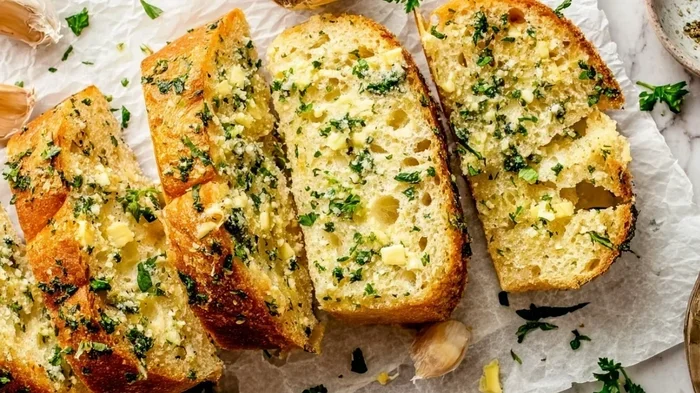
Remove the bread from the oven and let it cool for about one minute. This brief rest makes it easier to handle and helps the butter set just a bit. If you are using parsley or Parmesan, sprinkle them on now while the bread is still warm. The heat will gently melt the cheese and wilt the herbs.
Use a sharp knife or a serrated bread knife to cut the bread into individual pieces. Serve immediately while it is warm and crispy. Homemade garlic bread is best enjoyed fresh out of the oven.
Tips for Perfect Crispy Garlic Bread
Making great garlic bread from scratch is easy, but a few small tips can make a huge difference. Here are some tried-and-true tips that will help you get the best results every time.
Choose the Right Bread
The bread you pick matters a lot for the final result. A crusty French baguette or Italian loaf works best because it has a firm exterior and a soft, airy inside. When the bread toasts, the outside becomes crispy while the inside stays pillowy and tender. Avoid using soft sandwich bread. It will get soggy instead of crispy, and the garlic bread texture will not be the same.
If you cannot find a baguette, a regular loaf of Italian bread or even a round boule works well too. Just slice it thick, about one inch, so it holds up under the butter and heat.
Get the Butter Consistency Right
This is a small detail that makes a big impact. Your butter should be soft enough to spread easily but not melted. Melted butter soaks into the bread and makes it soggy. Softened butter sits on the surface and creates that crispy, golden layer during baking. Take the butter out of the fridge about 20 to 30 minutes before you start.
Do Not Skip the Parchment Paper
Lining your baking sheet with parchment paper is a simple garlic bread hack that prevents sticking. It also makes cleanup a breeze. The butter can drip onto the pan and stick without parchment, making a mess. With parchment, the bread lifts right off when it is done.
Keep an Eye on the Oven
Ovens can be tricky. Some have hot spots, and some run hotter than the dial says. Setting a timer for 8 minutes gives you a reminder to check on the bread. Look for a light golden brown color on the edges. If the top is browning too fast, you can loosely tent a piece of foil over the bread to slow things down.
Variations and Flavor Twists
Once you master the basic garlic bread recipe, you can start experimenting with different flavors. Here are some fun and delicious garlic bread variations to try.
Cheesy Garlic Bread
Sprinkle shredded mozzarella or cheddar cheese over the garlic butter before baking. The cheese melts into a gooey, golden layer on top. This variation is a hit with kids and adults alike. You can also mix in some cream cheese with the garlic butter for a creamier flavor profile.
Herb-Loaded Garlic Bread
Add dried Italian seasoning, basil, or thyme to your garlic butter mixture. Fresh herbs like rosemary or chives also work wonderfully. The herbs add depth and complexity to the flavor. This version pairs beautifully with pasta dishes and soups.
Sweet and Savory Garlic Bread
This might sound unusual, but a light drizzle of honey or a sprinkle of cinnamon sugar on top of the garlic butter creates a sweet-savory combo that is surprisingly addictive. Try this with a cinnamon raisin bread for an extra twist. It makes a great dessert-style snack.
Garlic Bread with a Kick
If you like spicy food, add a pinch of cayenne pepper or a few extra red pepper flakes to the butter mix. You can also drizzle a little hot sauce over the bread after baking. The heat pairs really well with the rich, buttery base and makes each bite exciting.
Common Mistakes to Avoid
Even simple recipes can go wrong if you overlook a few details. Here are the most common mistakes people make when preparing garlic bread in the oven, and how to avoid them.
Using Too Much Garlic Powder
It might seem like more garlic powder equals more flavor, but that is not always true. Too much garlic powder can make the bread taste bitter and overpowering. Stick to the recommended amount and adjust to your taste after the first batch. You can always add more, but you cannot take it away once it is mixed in.
Using Cold Butter
Cold butter does not spread evenly and creates clumps of concentrated garlic flavor. It also takes longer to melt in the oven, which can lead to uneven toasting. Always use softened butter for the smoothest, most consistent coating.
Baking at the Wrong Temperature
Baking at too high a temperature burns the butter and garlic powder before the bread has a chance to toast properly. Too low a temperature dries out the bread without giving it that crispy finish. Stick to 375 degrees Fahrenheit for the best balance of crisp outside and soft inside.
Cutting the Bread Too Thin
Thin slices of bread will dry out and burn quickly in the oven. They also cannot hold as much garlic butter, which means less flavor in each piece. Aim for slices that are at least three-quarters of an inch thick for the ideal garlic bread texture.
Expert Tips and Tricks
Here are some extra nuggets of wisdom from experienced home cooks that will help you elevate your garlic bread in the oven game.
Use Garlic-Infused Oil for Extra Depth
Swap out half of the butter for garlic-infused olive oil. This adds a subtle garlic flavor that complements the garlic powder beautifully. The oil also helps the bread crisp up faster and more evenly. It is a small change that makes a noticeable difference in flavor.
Toast the Garlic Powder First
Here is a little-known trick. You can toast the garlic powder in the butter for about 30 seconds before spreading it on the bread. This blooms the flavors and makes the garlic taste deeper and more aromatic. It takes almost no extra time but adds a whole new dimension to your bread.
Make a Double Batch
Garlic bread disappears fast at any gathering. Making a double batch is always a smart move. You can store the extra bread and reheat it later. Doubling the recipe also gives you more room to experiment with different toppings on each batch.
Reheat Leftovers the Right Way
If you have leftover garlic bread, do not throw it away. Reheat it in the oven at 350 degrees Fahrenheit for about 3 to 5 minutes. This brings back the crispy texture far better than a microwave ever could. The microwave tends to make the bread chewy and soft, which defeats the purpose of crispy oven baked garlic bread.
Frequently Asked Questions
Can I use garlic powder instead of fresh garlic for garlic bread?
Yes, absolutely. Garlic powder works wonderfully for garlic bread and is actually preferred by many home cooks. It spreads evenly through the butter, does not burn easily, and provides a consistent garlic flavor in every bite. Fresh garlic can be used too, but it requires more prep and can turn bitter if it burns in the oven.
What is the best bread to use for garlic bread?
A French baguette is the classic choice for garlic bread. It has a firm crust and soft interior that toasts beautifully. Italian bread and ciabatta also work great. The key is to choose a loaf with a crispy exterior and a tender crumb so you get the perfect contrast of textures after baking.
Can I make garlic bread without butter?
Yes, you can substitute butter with olive oil or a mix of olive oil and mayonnaise. Olive oil gives a lighter, slightly healthier version. Mayonnaise creates an incredibly creamy and crispy coating that many people love. The garlic powder still provides all the flavor you need regardless of which fat you choose.
How long does homemade garlic bread last?
Freshly made garlic bread is best enjoyed within a few hours of baking. If stored in an airtight container at room temperature, it stays good for up to two days. For longer storage, you can freeze it for up to one month. Reheat frozen garlic bread in the oven at 350 degrees for about 5 minutes to restore the crispiness.
Can I use garlic bread in the toaster instead of the oven?
You can make a quick version in a toaster oven, but a full-size oven gives you more even toasting and better results. If using a toaster oven, set it to 375 degrees and watch the bread closely to prevent burning. A toaster oven works best for individual slices rather than a full baguette.
What temperature should I bake garlic bread at?
Bake your garlic bread in the oven at 375 degrees Fahrenheit for the best results. This temperature allows the butter to melt and brown gently while the bread toasts to a golden crisp. If your oven tends to run hot, you can lower the temperature to 350 degrees and bake for a few extra minutes.
Conclusion
Making garlic bread with garlic powder in oven at home is one of the simplest and most rewarding things you can cook. It requires minimal ingredients, very little prep time, and delivers results that taste far better than anything from a store-bought package. Whether you are serving it alongside a pasta dinner, a bowl of soup, or enjoying it as a snack on its own, this homemade garlic bread never disappoints.
The beauty of this recipe lies in its simplicity and flexibility. You can keep it classic with just butter and garlic powder, or you can get creative with herbs, cheese, and spices. Every variation turns out delicious. Now that you know the steps and tips, you can make garlic bread from scratch whenever the craving hits.
So go ahead, preheat your oven, gather your ingredients, and whip up a batch of warm, crispy, buttery garlic bread today. Your kitchen will smell incredible, and your taste buds will thank you. This is one recipe you will come back to again and again.