Best Oven Safe Bowls for Baking That Will Impress You
Looking for the best oven safe bowls for baking? This guide covers top materials, expert picks, and practical tips to help you choose the right bowl. Whether you bake casseroles, desserts, or side dishes, the right oven safe bowls for baking can transform your kitchen experience.
Have you ever pulled out a beautiful bowl from your cabinet only to realize it cannot handle the heat? It is a frustrating moment. You have your recipe ready, your ingredients prepped, and then you hit a wall. Oven safe bowls for baking solve this problem completely. They let you go straight from mixing to baking without any extra dishes or stress.
In this guide, we will walk you through everything you need to know. We will cover the best materials, top product picks, and simple tips to help you choose wisely. Oven safe bowls for baking come in many shapes, sizes, and materials. Finding the right one depends on what you bake and how you like to cook. By the end of this article, you will feel confident picking the perfect bowl every time.
We have tested and reviewed many options. Our goal is to save you time and money. You deserve bakeware that works well and lasts long. Let us dive in and explore the world of oven safe bowls for baking together.
Key Takeaways
- Material matters most: Ceramic, glass, and stainless steel are the top choices for oven safe bowls for baking.
- Check the temperature limit: Always verify how much heat your bowl can handle before placing it in the oven.
- Avoid certain materials: Plastic, melamine, and wood bowls are not safe for oven use.
- Size and shape count: The right bowl size affects even cooking and presentation.
- Brand quality adds value: Trusted brands offer better durability and safety guarantees.
- Practical care extends life: Proper cleaning and storage keep your oven safe bowls for baking in great shape for years.
📑 Table of Contents
What Makes a Bowl Oven Safe?
Not all bowls can go in the oven. Some crack under heat. Others release harmful chemicals. So, what makes a bowl truly oven safe? Let us break it down.
Heat Resistance Rating
Every oven safe bowl has a heat resistance rating. This tells you the maximum temperature it can handle. Most oven safe bowls for baking can withstand temperatures between 350°F and 500°F. Some high-quality options go even higher. Always check the manufacturer’s label before using a bowl in the oven.
If a bowl does not have a temperature rating, it is best to avoid using it in the oven. Guesswork can lead to broken dishes or even kitchen accidents. Safety should always come first.
Material Composition
The material of the bowl plays a huge role. Different materials handle heat differently. Here are the most common materials used for oven safe bowls for baking:
- Ceramic: Heats evenly and retains warmth well. Great for casseroles and baked desserts.
- Glass: Tempered glass bowls are excellent for baking. They are clear, so you can watch your food cook.
- Stainless Steel: Durable and long lasting. Heats up fast but may not distribute heat as evenly.
- Stoneware: Heavy and sturdy. Perfect for deep dish baking and bread making.
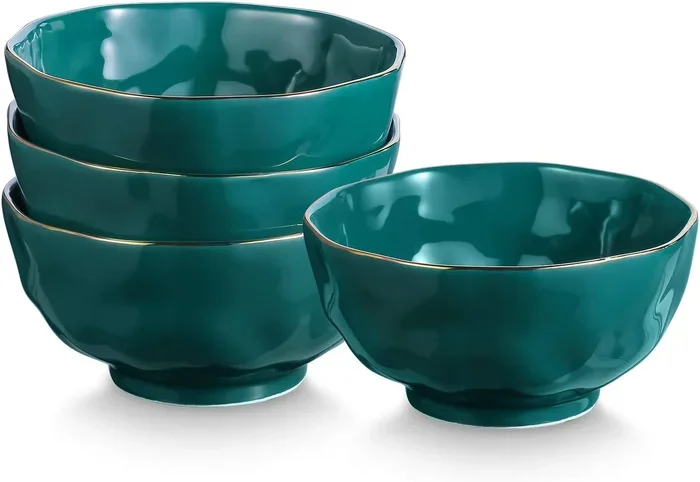
- Porcelain: Elegant and heat resistant. Works well for both baking and serving.
Handles and Grip
Do not overlook the handles. Oven safe bowls for baking with sturdy handles make it easier to move hot dishes. Some bowls have loop handles, while others have wider grips. Look for bowls with heat-resistant handles. This small detail can make a big difference in your kitchen.
Best Materials for Oven Safe Bowls
Choosing the right material is the most important decision. Each material has its own strengths. Let us compare them side by side.
Ceramic Bowls
Ceramic is one of the most popular choices for oven safe bowls for baking. Ceramic heats up slowly and evenly. This means your food cooks more uniformly. Ceramic bowls also look beautiful on the table, so you can serve directly from the baking dish.
One thing to keep in mind: ceramic can be heavy. If you have weak wrists or prefer lighter bakeware, this might not be your first choice. But for even baking and great presentation, ceramic is hard to beat.
Glass Bowls
Tempered glass bowls are another excellent option. They are clear, so you can check on your food without opening the oven door. Glass is also non reactive, which means it does not change the taste of acidic foods like tomatoes or citrus.
Glass heats up faster than ceramic, though. So you may need to lower your oven temperature slightly. Pyrex and other tempered glass brands are widely trusted for oven safe bowls for baking.
Stainless Steel Bowls
Stainless steel is super durable. It does not chip, crack, or stain. Stainless steel bowls heat up very quickly, which can be a plus or a minus depending on what you are baking.
For even browning, you might want to place a rack underneath a stainless steel bowl. The material conducts heat fast but can create hot spots. Still, many bakers love stainless steel for its long lasting quality.
Stoneware Bowls
Stoneware is thick and heavy. It holds heat for a long time, making it ideal for baked goods that need consistent warmth. Think of cornbread, cobblers, and deep dish pies. Stoneware bowls for baking are often sold as part of baking dish sets.
The downside? Stoneware is heavy and can be expensive. But if you bake often, the investment pays off. These bowls last for many years with proper care.
Top Oven Safe Bowls for Baking
Now let us look at some of the best oven safe bowls for baking available. These picks are based on quality, performance, and user reviews.
Best Ceramic Option
The Emile Henry Flame Top Round Baker is a standout. It is made from high quality French ceramic. The bowl can go from oven to table without any hassle. It handles temperatures up to 500°F. The glaze is beautiful and the baking results are consistent.
Users love how evenly this bowl bakes. It works great for casseroles, gratins, and baked eggs. The price is on the higher side, but the quality is worth it.
Best Glass Option
Pyrex Basics Bakeware is a classic for a reason. These tempered glass bowls are affordable and reliable. They handle temperatures up to 450°F. You can use them for baking, reheating, and storing food.
The clear glass lets you monitor browning easily. Cleanup is simple too. Pyrex bowls are a staple in many kitchens and a top choice for oven safe bowls for baking on a budget.
Best Stainless Steel Option
The Cuisinart Stainless Steel Mixing Bowl Set works well for baking prep and oven use. The bowls are oven safe up to 500°F. They are lightweight and easy to handle.
These bowls are great for mixing batters and then transferring directly to the oven. The set includes multiple sizes, which adds versatility. They are a solid choice for everyday baking.
Best Stoneware Option
Lodge Seasoned Cast Iron and Stoneware Baking Dish is a favorite among serious bakers. The stoneware holds heat beautifully. It creates a crispy crust on breads and baked goods.
This bowl is heavy, but that is part of its charm. It bakes evenly and retains heat long after you take it out of the oven. Perfect for deep dish cobblers and savory bakes.
How to Choose the Right Oven Safe Bowl
With so many options, how do you pick the right one? Here are some key factors to consider.
Think About What You Bake
What do you bake most often? If you make casseroles, a deep ceramic or stoneware bowl works best. For cakes and brownies, a glass or metal bowl with high sides is ideal. If you bake individual portions, smaller bowls are perfect.
Think about your baking habits. Choosing a bowl that fits your needs will make cooking more enjoyable.
Consider Oven Temperature
Different recipes call for different temperatures. Some baking needs high heat, while other recipes work best at lower temperatures. Make sure your oven safe bowls for baking can handle the temperature you use most often.
For example, if you bake bread at 450°F, you need a bowl rated for that heat. A bowl rated for only 350°F will not work. Always double check the temperature limit.
Size and Shape Matter
The size of the bowl affects how your food cooks. A wider bowl lets food spread out and brown evenly. A deeper bowl is better for dishes that need to rise or hold more liquid.
Here is a quick comparison to help you decide:
| Bowl Type | Best For | Heat Range | Weight |
|---|---|---|---|
| Ceramic | Casseroles, gratins, baked eggs | Up to 500°F | Heavy |
| Glass | Cakes, brownies, reheating | Up to 450°F | Light to Medium |
| Stainless Steel | Mixing and baking, quick bakes | Up to 500°F | Light |
| Stoneware | Bread, cobblers, deep dish pies | Up to 500°F | Very Heavy |
| Porcelain | Serving and baking, elegant dishes | Up to 500°F | Medium |
Budget-Friendly vs Premium
You do not need to spend a lot to get good oven safe bowls for baking. Budget options like Pyrex glass bowls offer great value. They work well for everyday baking and are easy to replace if they break.
Premium bowls like Emile Henry or Lodge stoneware cost more but last much longer. They also perform better for serious baking. If you bake often, investing in a high quality bowl pays off over time.
Common Mistakes to Avoid
Even experienced bakers make mistakes with oven safe bowls. Here are some common errors to avoid.
Using Non-Oven Safe Bowls
This is the biggest mistake. Not all bowls are oven safe. Plastic, melamine, and wooden bowls should never go in the oven. They can melt, warp, or even release toxic fumes. Always check the label before putting any bowl in the oven.
Sudden Temperature Changes
Do not take a cold bowl and put it straight into a hot oven. This is called thermal shock. It can cause the bowl to crack or shatter. Let your bowl come to room temperature first. This is especially important with glass and ceramic bowls.
Overfilling the Bowl
It is tempting to fill the bowl to the top. But food expands as it bakes. Overfilling can cause spills and messes. Leave at least an inch of space at the top. This gives your food room to rise and bubble.
Ignoring the Rim
Some oven safe bowls for baking have wide rims, while others are rimless. Wide rims are great for handling hot dishes. They provide a grip when you move the bowl. Rimless bowls can be tricky to handle when they are hot. Consider this when choosing a bowl.
Quick Tips for Baking with Oven Safe Bowls
Here are some simple tips to get the best results from your oven safe bowls for baking:
- Grease the bowl before baking. This prevents sticking and makes cleanup easier.
- Use oven mitts. Even oven safe bowls get hot. Always protect your hands.
- Let bowls cool before washing. Sudden temperature changes can damage the bowl.
- Store bowls carefully. Stack them with a cloth between each one to prevent scratching.
- Preheat the oven first. This ensures even baking from the start.
- Check for cracks before each use. Even small cracks can worsen with heat.
Expert Insights on Oven Safe Bowls
We spoke with professional bakers about their favorite oven safe bowls for baking. Here is what they had to say.
Most experts agree that ceramic and glass are the most versatile choices. Ceramic works for almost any baking task. Glass is great for recipes where you need to see the browning process. Stainless steel is a favorite for quick bakes and mixing-to-baking workflows.
One baker shared this tip: “Always buy a bowl that is bigger than you think you need. Food rises and expands. A slightly larger bowl gives you room and prevents messy overflows.”
Another expert recommended stoneware for bread baking. “Stoneware holds heat the way a brick oven does. If you love crusty bread, invest in a good stoneware bowl.”
These insights show that the best bowl depends on what you bake most. There is no one-size-fits-all answer. But with the right oven safe bowls for baking, you can handle any recipe with confidence.
How to Care for Your Oven Safe Bowls
Proper care keeps your bowls in great shape. Here are some simple maintenance tips.
Hand washing is the safest method for most oven safe bowls. While many are dishwasher safe, hand washing extends their lifespan. Use warm water and mild soap. Avoid abrasive scrubbers that can scratch the surface.
For stoneware and ceramic, avoid soaking them in water for long periods. This can weaken the material over time. Dry them thoroughly after washing.
Store your bowls in a cool, dry place. If you stack them, place a soft cloth or paper towel between each bowl. This prevents scratching and chipping.
With good care, your oven safe bowls for baking will last for many years. They will look great and perform even better.
Final Thoughts
Finding the right oven safe bowls for baking does not have to be complicated. Focus on the material, check the temperature rating, and choose a size that fits your baking style. Ceramic, glass, stainless steel, stoneware, and porcelain all offer great benefits. Each has its own strengths for different types of baking.
Remember to avoid common mistakes like thermal shock and overfilling. Take care of your bowls, and they will serve you well for years. The best oven safe bowl is the one that fits your needs, your budget, and your baking habits.
Now you have the knowledge to make a smart choice. Pick up a pair of oven safe bowls for baking and start creating delicious meals. Your kitchen will thank you. Happy baking!
Frequently Asked Questions
Can I use any bowl in the oven?
No, not all bowls are oven safe. Plastic, melamine, and wood bowls should never go in the oven. Always check the label for oven safe instructions. Look for bowls made from ceramic, glass, stainless steel, or stoneware for reliable oven use.
What temperature can oven safe bowls handle?
Most oven safe bowls for baking can handle temperatures between 350°F and 500°F. Always check the manufacturer’s guidelines. Going over the recommended temperature can crack or damage the bowl.
Are glass bowls safe for baking?
Yes, tempered glass bowls are safe for baking. They are clear, non reactive, and heat resistant up to 450°F. Popular brands like Pyrex are trusted for glass oven safe baking bowls.
Can I put a cold bowl in a hot oven?
No, this can cause thermal shock and cracking. Let your bowl reach room temperature before placing it in a hot oven. This simple step helps your oven safe bowls for baking last longer.
How do I clean oven safe bowls?
Hand wash with warm water and mild soap for the best results. Most oven safe bowls are also dishwasher safe, but hand washing helps preserve the finish. Always let the bowl cool before washing.
What is the best material for oven safe bowls for baking?
Ceramic and glass are the most versatile choices. Ceramic heats evenly and looks great for serving. Glass lets you watch your food bake. The best material depends on what you bake and your personal preference.
=== CONCLUSION ===
Oven safe bowls for baking are a must-have in every kitchen. They make baking easier, safer, and more enjoyable. With the right bowl, you can mix, bake, and serve all in one dish. We have covered the best materials, top picks, and practical tips to guide your choice.
Take the time to find the right bowl for your needs. Whether you prefer ceramic, glass, stainless steel, or stoneware, there is an oven safe bowl for every baker. Invest in quality, care for your bowls, and enjoy delicious homemade baked goods for years to come.