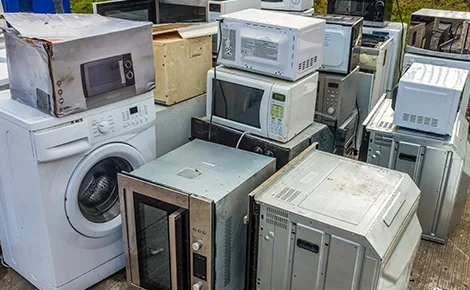
How Do I Dispose Of An Old Microwave Oven The Right Way
Disposing of an old microwave oven doesn’t have to be stressful or harmful to the environment. Whether you want to recycle, donate, or sell your unit, there are plenty of safe and smart options available. This guide walks you through every method, from local recycling centers to curbside pickup, so you can make the best choice for your home and the planet.
Getting rid of an old microwave oven can feel like a small headache. You don’t want to just toss it in the bin and hope for the best. But where do you even start? How do I dispose of an old microwave oven the right way without breaking any rules or harming the environment?
The good news is that you have more options than you think. From recycling programs to donation centers, there’s a solution for every situation. Disposing of an old microwave oven the right way protects both the planet and your community. In this guide, we’ll walk you through every option step by step. You’ll learn what’s safe, what’s legal, and what’s easiest for your home.
Microwaves contain electronic parts, metals, and sometimes hazardous materials. That means they can’t go in your regular trash bin in most areas. Old microwave removal requires a bit of planning, but it’s not complicated. Let’s dive into the best ways to handle this common household task.
Key Takeaways
- Multiple disposal options exist: recycling, donation, resale, and municipal pickup are all viable paths.
- Never throw a microwave in regular trash: it contains hazardous materials and electronic components that need special handling.
- Recycling is the most eco-friendly choice: scrap metal and internal parts can be recovered and reused.
- Donation is a great alternative: if your microwave still works, someone else can put it to good use.
- Safety first: always discharge the capacitor before handling internal parts.
- Check local rules: every city has different e-waste disposal regulations and pickup schedules.
📑 Table of Contents
- Why Proper Microwave Disposal Matters
- How to Prepare Your Microwave for Disposal
- Recycling Your Old Microwave
- Donating a Working Microwave
- Municipal and Curbside Pickup Options
- Trade-In and Manufacturer Take-Back Programs
- What Not to Do When Disposing of a Microwave
- Comparing Your Disposal Options
- Final Thoughts on Disposing of Your Old Microwave
Why Proper Microwave Disposal Matters
You might wonder why it matters so much. Can’t you just put it on the curb? In many places, the answer is no. Microwave disposal falls under electronic waste, or e-waste, regulations. These rules exist for good reasons.
Microwaves contain a mix of materials. The outer shell is usually steel or aluminum. Inside, you’ll find a magnetron, a transformer, wiring, and a capacitor. Some older models also contain small amounts of hazardous substances. When microwaves end up in landfills, these materials can leak into soil and water over time.
Proper appliance disposal ensures that recyclable metals get recovered. It also keeps harmful substances out of the environment. E-waste disposal is a growing concern worldwide, and your microwave is part of that picture. Taking a few extra minutes to dispose of it correctly makes a real difference.
The Hidden Dangers in Old Microwaves
Here’s something many people don’t know. The capacitor inside a microwave can hold a dangerous electrical charge long after the unit is unplugged. This isn’t just a shock risk. It also means that improper handling during old microwave removal can be genuinely dangerous. Always take precautions, even if the microwave looks dead.
Some older models used materials that are now regulated. These include certain types of insulation and coatings. Modern microwaves are safer, but they still need proper handling at the end of their life. Waste management professionals are trained to handle these materials safely.
How to Prepare Your Microwave for Disposal
Before you choose a disposal method, you need to prepare your microwave properly. This step is often overlooked, but it makes everything smoother and safer.
Start by unplugging the microwave at least 24 hours before disposal. This allows the capacitor to discharge naturally. Next, clean the interior thoroughly. Remove the turntable, the roller ring, and any removable parts. Wash them with warm soapy water and dry them completely.
Now, gather any paperwork you might need. Keep the original receipt if you have it. Note the model number and brand. Some recycling programs and donation centers ask for this information. Also, check if your microwave has any removable glass or plastic parts. These might need separate handling depending on your local waste management rules.
Safety Tips Before You Start
Never try to open the microwave casing yourself unless you have experience with electronics. The capacitor inside can deliver a serious shock even when the unit is unplugged. If you’re planning to salvage parts, wear insulated gloves and use proper tools. For most people, the safest approach is to keep the unit intact and let professionals handle it.
Wear sturdy gloves when moving the microwave. These units are heavy and awkward. A dolly or hand truck can help prevent injuries. If you’re unsure about anything, call a local appliance recycling program for advice. They’re usually happy to walk you through the process.
Recycling Your Old Microwave
Recycling is the gold standard for microwave disposal. It’s the most environmentally friendly option and often the easiest one too. Recycling recovers valuable metals and components while keeping hazardous materials out of landfills.
Where to Recycle a Microwave
Your local recycling center is the first place to check. Most municipal waste management facilities accept microwaves as electronic waste. Call ahead or visit their website to confirm. Some centers have drop-off days specifically for large appliances and e-waste.
Retailers like Best Buy, Staples, and Office Depot often run appliance recycling programs. They accept old microwaves regardless of where you bought them. Some stores even offer pickup services for a small fee. This is a great option if you don’t have a vehicle that can carry a bulky microwave.
Scrap metal recycling yards are another excellent choice. Microwaves are mostly metal, and these facilities can extract and reuse the steel, aluminum, and copper components. Scrap metal recycling keeps valuable materials in circulation and reduces the need for new mining.
What Happens During Microwave Recycling?
When a microwave enters the recycling stream, trained technicians take it apart. They remove the capacitor, the transformer, and other electronic components carefully. The metals are sorted and sent to smelters. Plastics and glass get processed separately. A well-run recycling facility can recover up to 90 percent of a microwave’s materials.
This process is far better than letting the unit sit in a landfill. Landfill disposal of electronics contributes to soil and water contamination. It also wastes valuable resources that could be reused. Electronic waste recycling is a simple habit that adds up to a big environmental impact over time.
Donating a Working Microwave
If your microwave still works, donation is a fantastic option. Someone else can get years of use out of it, and you’ll keep it out of the waste stream. Donation centers often accept small appliances, but it’s always smart to call first.
Who Accepts Microwave Donations?
Goodwill, Salvation Army, and similar organizations accept working microwaves at many locations. Habitat for Humanity ReStores also take functional appliances. Local shelters and community centers may welcome donations too, especially after natural disasters or during holiday drives.
Before you donate, make sure the microwave is clean and in working order. Test it at home first. Include the power cord and any accessories. Some organizations won’t accept units without cords or with visible damage. A quick call to the donation center saves everyone time and effort.
Selling Your Old Microwave Instead
Donation isn’t the only way to give your microwave a second life. You can also sell it. Online marketplaces like Facebook Marketplace, Craigslist, and OfferUp make it easy. List it for free or a small price, and someone nearby will likely grab it quickly.
Selling works best when the microwave is clean and fully functional. Take clear photos and write an honest description. Mention the brand, model, and any features it has. Selling old appliances not only helps someone else but also keeps your microwave out of the landfill.
Municipal and Curbside Pickup Options
Many cities offer bulky waste pickup services that include microwaves. This is often the most convenient option, but it comes with some rules you need to know.
How Curbside Pickup Works
Contact your local waste management department or visit their website. Most cities schedule bulky waste pickup on specific days or weeks. You’ll usually need to place the microwave at the curb by a certain time the night before pickup.
Some municipalities charge a small fee for bulky item collection. Others include it for free with your regular waste service. The key is to check ahead of time so there are no surprises. Waste management rules vary widely from one city to another, so what works in one place might not work in another.
Scheduling a Pickup Appointment
In many areas, you need to schedule a pickup appointment online or by phone. This is especially common in larger cities. You’ll typically be given a window of several hours. Make sure the microwave is accessible and clearly labeled as e-waste if your area requires it.
If you’re unsure about your local rules, a quick phone call to your city’s waste department clears things up fast. Ask about microwave disposal regulations specifically. They can tell you exactly what’s allowed and what’s not. Taking this small step prevents your unit from being turned away at the curb.
Trade-In and Manufacturer Take-Back Programs
Some microwave brands offer trade-in or take-back programs. These are worth exploring, especially when you’re buying a replacement unit.
Retailer Trade-In Programs
When you purchase a new microwave, many retailers will take your old one for free or at a reduced price. This is called a trade-in program. It’s convenient because you don’t have to arrange separate disposal. The retailer handles the recycling or refurbishing process.
Stores like Walmart, Target, and Amazon sometimes offer this service during delivery. Ask about it when you place your order. Even if you buy online, some retailers will arrange old appliance pickup at your door. It’s one of the easiest ways to handle disposing of an old microwave without any extra effort.
Manufacturer Take-Back Initiatives
Some manufacturers run their own take-back programs. These are designed to keep old units out of landfills and recover materials. Check the brand’s website or contact their customer service department. Brands like Panasonic, LG, and Samsung have been expanding their take-back efforts in recent years.
These programs aren’t available everywhere yet, but they’re growing. If your manufacturer offers one, it’s often the most responsible choice. You know the unit will be handled by experts who understand hazardous materials in microwaves and how to process them safely.
What Not to Do When Disposing of a Microwave
There are some common mistakes people make when getting rid of a microwave. Avoiding these pitfalls keeps you safe and compliant with local laws.
Common Disposal Mistakes to Avoid
The biggest mistake is throwing the microwave in your regular trash bin. In many areas, this is illegal. E-waste regulations are tightening across the country, and violations can come with fines. Even where it’s technically allowed, landfill disposal wastes valuable materials and introduces harmful substances into the environment.
Another mistake is attempting to dismantle the microwave without proper knowledge. The capacitor can hold a dangerous charge. Internal components may contain materials that require special handling. If you want to salvage parts, research thoroughly or consult a professional first.
Some people forget to erase personal information if the microwave has a smart display or connected features. While this is rare in older models, newer smart microwaves may store usage data. Reset the unit to factory settings before disposal if it has any digital features.
Quick Tips for a Smooth Disposal Process
- Always check your local regulations before choosing a disposal method.
- Clean the microwave thoroughly before donation or pickup.
- Keep the power cord and any accessories together with the unit.
- Call ahead to confirm that a facility accepts microwaves.
- Take photos of the working microwave if you plan to sell it online.
- Consider the environment first, convenience second.
- Keep records of your disposal for your own peace of mind.
Comparing Your Disposal Options
With so many choices, it helps to compare them side by side. Here’s a quick look at the main options for disposing of an old microwave oven.
| Option | Best For | Cost | Eco-Friendly? |
|---|---|---|---|
| Recycling Center | Non-working units, metal recovery | Free or low fee | Yes |
| Donation | Working microwaves | Free | Yes |
| Curbside Pickup | Convenience, no transport needed | Free to low fee | Sometimes |
| Retailer Trade-In | When buying a replacement | Free | Yes |
| Selling Online | Working units, earning a little back | Free | Yes |
| Manufacturer Take-Back | Brand-specific responsible disposal | Free | Yes |
As you can see, most options are either free or very affordable. The best choice depends on your situation. If the microwave still works, donation or selling is ideal. If it’s broken, recycling or municipal pickup is your best bet. The important thing is that you take action rather than letting the unit collect dust in your garage.
Final Thoughts on Disposing of Your Old Microwave
How do I dispose of an old microwave oven the right way? Now you have the answer. You’ve got options that fit every situation, budget, and comfort level. Whether you choose recycling, donation, pickup, or a trade-in, you’re making a better choice than sending it to the landfill.
Microwave disposal might seem like a small task, but it matters more than most people realize. Every properly recycled or donated unit keeps harmful materials out of our soil and water. It also recovers valuable metals and components for future use. These are the kinds of everyday actions that add up to real environmental progress.
Take a few minutes today to look into your local options. Call your waste management department, check with nearby retailers, or post your unit on a local selling platform. You’ll feel good knowing you handled it the right way. Disposing of an old microwave oven responsibly is a simple act that benefits your community and the planet.
Don’t let that old microwave become a forgotten eyesore in your home. Pick the option that works best for you and take action. Your future self and the environment will thank you.
Frequently Asked Questions
Can I put my old microwave in the regular trash?
In most areas, no. Microwaves are classified as electronic waste and cannot go in standard trash bins. Many cities have specific e-waste disposal rules that prohibit placing electronics in regular garbage. Check with your local waste management office to understand the regulations in your area.
Is it free to recycle a microwave?
Often yes. Many municipal recycling centers and retail drop-off programs accept microwaves at no charge. Some scrap metal yards may also take them for free. However, a few programs or private services may charge a small fee, so it’s always good to confirm ahead of time.
Can I donate a microwave that doesn’t work?
Most donation centers only accept working appliances. If your microwave is broken, recycling is the better option. Contact your local Goodwill, Salvation Army, or similar organization to ask about their specific policies. They can often direct you to a recycling facility instead.
How do I know if my microwave has hazardous materials?
Most modern microwaves contain small amounts of materials that require careful handling. Older models may have components like capacitors or insulation that need special processing. Recycling facilities are equipped to handle these materials safely, which is why professional microwave disposal is always recommended over DIY methods.
What should I do with the microwave if I’m moving and can’t take it?
If you’re moving and can’t bring your microwave along, consider donating it before you leave. You can also list it for free on local selling platforms or arrange for bulky waste pickup through your current city’s waste service. Some moving companies also offer appliance disposal services for an additional fee.
How long does it take to recycle a microwave?
The process is usually quick. Drop-off at a recycling center might take just 15 to 20 minutes. Curbside pickup depends on your scheduled collection day. Retailer trade-ins happen at the time of purchase. Overall, recycling your old microwave is a fast and straightforward process that takes minimal effort from you.
=== CONCLUSION ===
Disposing of an old microwave oven doesn’t have to be complicated or stressful. You now know all the best options, from recycling and donation to trade-in programs and curbside pickup. The key is to choose a method that fits your situation and follow the safety guidelines we’ve covered.
Remember that proper microwave disposal protects the environment, recovers valuable materials, and keeps hazardous substances out of landfills. Every responsible choice you make adds up. Share this guide with friends and family who might be facing the same question. Together, we can make e-waste disposal a normal part of how we manage our homes.