What Does It Mean To Broil Something In The Oven Explained
Broiling in the oven means cooking food with intense top-down heat, typically between 500°F and 550°F. It works by activating the upper heating element to deliver high, direct radiant heat that sears and chars the surface of food quickly. Think of it as a way to get grill-like results right inside your kitchen. Whether you are caramelizing a cheese topping, finishing a steak, or crisping up vegetables, broiling is a fast and powerful cooking method.
Have you ever stood in front of your oven wondering what the broil button actually does? Maybe you have seen recipes call for broiling and thought it sounded complicated or intimidating. The truth is, broiling is one of the simplest and most powerful cooking techniques you can use at home. Once you understand how it works, you will start using it all the time.
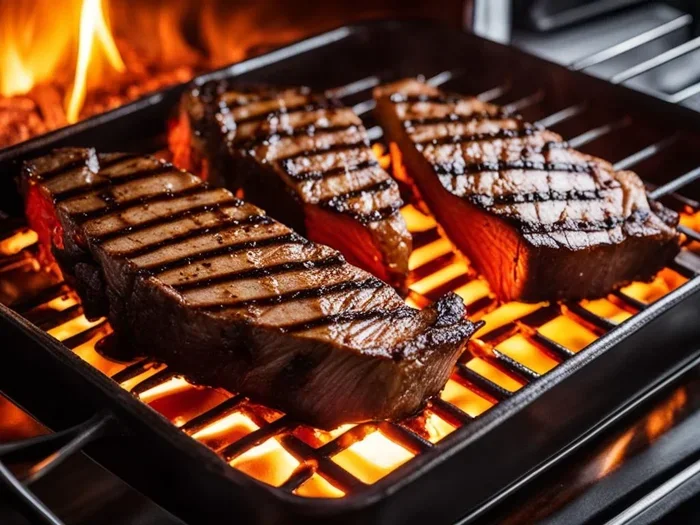
What does it mean to broil something in the oven? In the simplest terms, broiling exposes your food to very high, direct heat from above. Your oven’s top heating element becomes extremely hot, and the food sits close to it. This creates a seared, caramelized, and sometimes slightly charred exterior on your meal. It is very similar to grilling, except the heat source is above the food instead of below it.
People often confuse broiling with baking, but they are quite different. Baking uses moderate, indirect heat that surrounds the food. Broiling uses intense, focused heat that attacks the top surface. This distinction matters a lot for your cooking results. Understanding it will help you choose the right method every single time you cook.
In this guide, we will walk you through everything you need to know about broiling in the oven. You will learn how the broil function works, which foods benefit most from it, and how to avoid common mistakes. By the end, you will feel confident using your broiler for all kinds of delicious meals.
Key Takeaways
- Broiling uses direct top-down heat: The oven’s upper heating element glows red-hot to cook food from above at very high temperatures.
- It works fast: Most broiling tasks take only 5 to 15 minutes, making it ideal for quick meals and finishing touches.
- Not all ovens are the same: Some have a dedicated broil setting, while others require you to manually position the rack near the top element.
- Best foods for broiling include steak, chicken, fish, vegetables, and casseroles: Thin or smaller cuts work best under intense heat.
- Broiling is different from baking: Baking uses indirect heat from all sides, while broiling focuses heat on the top surface only.
- Watch your food closely: Because broiling is so intense, food can go from perfectly done to burnt in seconds if you do not stay nearby.
- Use a broiler pan for best results: The slotted design allows fat to drip away, giving you crispier and healthier broiled dishes.
📑 Table of Contents
What Does It Mean To Broil In The Oven?
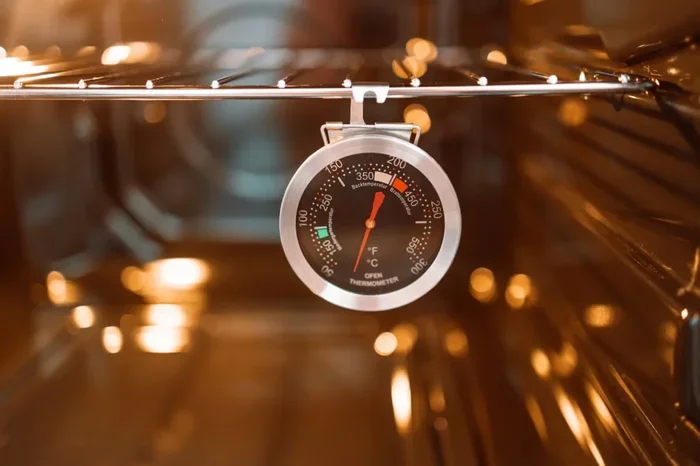
Broiling is a cooking method that uses high, direct heat from an upper element inside your oven. When you turn on the broil setting, the top heating element glows bright red. This element can reach temperatures between 500°F and 550°F depending on your oven model.
The food sits on a rack positioned close to the top of the oven. The intense heat radiates downward and cooks the surface of the food very quickly. This is why broiling creates that appealing browned, crispy, and sometimes slightly charred exterior that many people love.
Most home ovens have a broil setting. You can usually find it on the oven knob or control panel. Some ovens offer low broil and high broil options. Low broil might run around 450°F, while high broil pushes close to 550°F. Check your oven manual to understand what your specific model offers.
The beauty of broiling is its simplicity. You do not need special equipment beyond a broiler pan or a baking sheet lined with foil. You do not need to flip your food like you do on an outdoor grill. The heat does all the work for you from above.
How Broiling Differs From Other Cooking Methods
To truly understand broiling, it helps to compare it with other common oven techniques. Each method uses heat differently, and knowing the differences makes you a better cook.
Broiling vs Baking: Baking uses moderate heat, usually between 325°F and 450°F, that surrounds the food from all sides. The heat is indirect and gentle. Baking is great for breads, cakes, and casseroles. Broiling is the opposite. It uses extreme heat from one direction to sear the surface quickly.
Broiling vs Grilling: Grilling uses direct heat from below, usually from charcoal or gas flames. Broiling mimics this by using direct heat from above. The result is similar, but broiling gives you more control since it happens inside a closed oven.
Broiling vs Roasting: Roasting uses lower, more even heat over a longer period. It is perfect for large cuts of meat and whole vegetables. Broiling is fast and intense, designed for thinner foods or finishing touches.
How The Broil Function Works
Understanding the mechanics of your oven’s broil function helps you use it more effectively. The process is straightforward, but knowing what happens inside gives you better control over your cooking.
When you select the broil setting, the upper heating element inside the oven turns on at full power. This element can reach extremely high temperatures in a matter of minutes. The oven light and interior may also glow, which is completely normal.
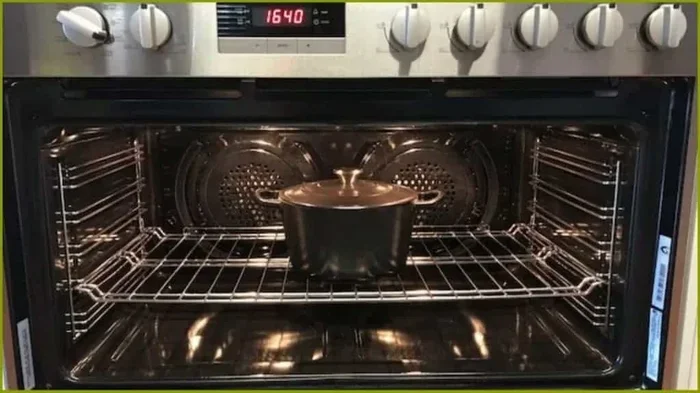
The food sits on a rack positioned in the upper third or even the top inch of the oven cavity. Because the heat comes from directly above, the food needs to be close to the element. The closer the food, the more intense the heat exposure.
Most ovens have multiple rack positions. The top rack is usually closest to the broiler element. Some ovens have a special broil rack that slides out from the top. This design makes it easy to check on your food without opening the full oven door.
Understanding Your Oven’s Broiler Type
Not all ovens broil the same way. There are two main types of broilers you might encounter in a home kitchen.
Traditional Gas or Electric Broiler: This is the most common type. The upper heating element runs the entire width of the oven. You set your rack position, turn the dial to broil, and wait for the element to heat up. These broilers provide consistent, even heat.
Infrared Broiler: Some modern ovens use infrared technology for broiling. Instead of a traditional coil, infrared broilers use ceramic or quartz elements that heat up instantly. These broilers are faster and more energy-efficient. They also tend to produce more even browning.
Convection Broil: Some ovens combine the broil function with a convection fan. The fan circulates the hot air around the food while the top element provides direct radiant heat. This can help cook food more evenly, especially on thicker cuts.
Ideal Oven Rack Position For Broiling
Where you place your oven rack makes a huge difference when broiling. The general rule is to position the rack about 4 to 6 inches below the upper heating element. This distance gives you enough space for the heat to circulate while still delivering intense energy to the food surface.
Too close, and your food will burn on the outside before cooking through. Too far, and the heat will not be strong enough to create that desirable sear and char. Finding the sweet spot takes a little practice, but most ovens work best with the rack in the top position or the second-from-top position.
What Foods Are Best For Broiling?
Not every food benefits from broiling. Because the heat is so intense and comes from one direction, some foods work much better than others. Knowing which foods to choose will help you get the best results every time.
Thin cuts of meat are ideal for broiling. Steaks, pork chops, chicken breasts, and fish fillets all respond well to high, direct heat. The broil function sears the outside quickly while keeping the inside juicy. This makes it a favorite method for cooking a fast weeknight dinner.
Thick foods can also be broiled, but with a caveat. A thick steak or pork chop may need to be finished in the oven after a quick sear under the broiler. The top gets beautifully browned, but the center needs time to cook through. Using a two-step approach works well for thicker cuts.
Vegetables are excellent candidates for broiling. Thick slices of bell peppers, zucchini, eggplant, and asparagus caramelize wonderfully under the broiler. The high heat brings out natural sugars and creates a delicious smoky flavor. Brushing vegetables with a little olive oil before broiling enhances the results.
Casseroles and baked dishes often benefit from a broil finish. Think of a lasagna or a gratin with a cheese crust on top. A few minutes under the broiler melts and browns the cheese beautifully. This finishing technique adds color, texture, and flavor to dishes that were baked slowly.
Fruits can be broiled too. Half a pineapple, grapefruit, or peach becomes caramelized and sweet under the broiler. This technique works great for a simple dessert or a topping for yogurt and ice cream.
Foods That Do Not Work Well For Broiling
It is equally important to know which foods to avoid broiling. Very thick or dense foods that need long cooking times are not ideal. A whole chicken or a large roast, for example, will burn on the outside long before the inside is cooked. Delicate items that dry out quickly, like thin crackers or very lean fish without skin, can also be problematic.
Broiling Tips For Perfect Results
Getting great broiled food is not hard, but it does require a few key techniques. These tips will help you master the broil setting and avoid frustration.
Preheat The Broiler Before Adding Food
Just like you preheat an oven for baking, you should preheat the broiler before placing your food inside. Turn the broil setting on and let the oven run empty for 5 to 10 minutes. This ensures the upper heating element reaches full temperature before your food goes in.
When you place cold food into a hot broiler, the cooking process starts immediately. This reduces the risk of uneven cooking and helps achieve a better sear. A properly preheated broiler is the difference between a great result and a disappointing one.
Position Your Food On The Center Rack
Place your food in the center of the oven rack whenever possible. This ensures even exposure to the heat source. If your food is too close to one side, it may cook unevenly. The center position also makes it easier to monitor the food through the oven window.
Keep The Oven Door Slightly Open
Many oven manufacturers recommend leaving the oven door slightly ajar when broiling. This allows heat to escape and prevents the oven from overheating. It also makes it easier to watch your food closely, which is essential when using the broil setting.
Leaving the door open also prevents the broil element from cycling off and on. Some ovens have a safety feature that shuts off the broiler if the internal temperature gets too high. An open door helps prevent this from happening.
Watch Your Food Carefully
Broiling happens fast. Food can go from perfectly done to burnt in a matter of 30 seconds. Stay near the oven and check your food frequently. Use the oven light and window to monitor the browning without opening the door too often.
Set a timer if you need to. It is easy to get distracted while cooking, and even a short lapse in attention can lead to overcooked or charred food. When broiling, your full attention is needed.
Use A Broiler Pan Or Lined Baking Sheet
A broiler pan has a slotted top and a drip tray underneath. The slots allow fat and juices to drain away from the food as it cooks. This results in crispier food and less smoke inside your kitchen.
If you do not have a broiler pan, a regular baking sheet lined with aluminum foil works well. The foil catches drips and makes cleanup easy. Just be careful not to let the foil touch the heating element, as it can melt or catch fire.
Season Before Broiling
Because broiling is so fast, your seasoning needs to do most of the flavor work. Season your food generously with salt, pepper, herbs, and spices before it goes under the broiler. A light brush of olive oil or melted butter helps the seasoning stick and promotes browning.
Avoid using sugar-heavy marinades for broiling. Sugar caramelizes quickly under high heat and can burn rapidly, leading to a bitter taste. Stick to simple seasonings that complement the natural flavor of your food.
Broiling Vs Baking: Understanding The Difference
These two oven functions are often confused, but they serve very different purposes. Understanding when to use each one will improve your cooking results significantly.
Heat Source And Direction
In baking, the heating elements at the top and bottom of the oven work together to create even, surrounding heat. The food cooks from all sides at a moderate temperature. This is perfect for items that need to cook through evenly, like bread, cookies, and cakes.
In broiling, only the top element activates at full power. The heat comes from directly above and focuses on the surface of the food. This creates a sear and browning effect that baking simply cannot achieve.
Temperature Differences
Baking temperatures typically range from 300°F to 450°F. Broiling temperatures are much higher, ranging from 500°F to 550°F. The intense heat of broiling is what gives food that characteristic charred, caramelized exterior.
Cooking Time
Baking usually takes longer because the temperatures are lower and the heat is more gentle. Broiling is a fast method, often taking just 5 to 15 minutes. This makes broiling ideal for quick weeknight meals and finishing touches on dishes that have already been baked.
Best Uses For Each Method
Use baking for casseroles, roasted vegetables, bread, pastries, and anything that needs to cook through evenly from all sides. Use broiling for searing meats, browning cheese toppings, caramelizing vegetables, and adding a crispy finish to already-cooked dishes.
Common Broiling Mistakes And How To Avoid Them
Even experienced home cooks make mistakes when broiling. Being aware of these common errors helps you avoid them and get better results.
Placing Food Too Close To The Element
This is the most common broiling mistake. When food sits too close to the top heating element, the exterior burns before the interior has time to cook. Always position your rack at the recommended distance and adjust based on your oven’s performance.
Not Watching The Food
Because broiling is so fast, leaving the kitchen while food is under the broiler is a risky move. Set a timer and stay nearby. Check on your food every 2 to 3 minutes to prevent burning.
Using The Wrong Pan
Glass pans and dark, non-stick pans can cause food to burn more quickly under the broiler. Glass does not handle intense direct heat well and can shatter. Dark pans absorb more heat and can overcook the bottom of your food. Stick to light-colored metal pans, broiler pans, or foil-lined baking sheets.
Broiling Wet Food
Food that is very wet or has a lot of surface moisture will steam instead of sear under the broiler. Pat your food dry with paper towels before placing it under the heat. This simple step makes a huge difference in the final texture and browning.
Overcrowding The Pan
Giving your food space is important when broiling. If pieces are too close together, the heat cannot circulate properly. This leads to uneven cooking and steaming instead of searing. Leave space between each piece for the best results.
How To Clean Your Broiler And Oven After Use
Broiling can create splatter and grease buildup inside your oven. Cleaning up promptly makes the next broiling session easier and keeps your oven working efficiently.
Let the oven cool completely before cleaning. Remove the broiler pan or baking sheet and wash it with warm soapy water. For baked-on residue, soak the pan in hot water for 20 to 30 minutes before scrubbing.
Wipe down the inside of the oven with a damp cloth. If there is stubborn grease or food residue, make a paste of baking soda and water, apply it to the affected area, and let it sit for 15 minutes before wiping clean. Avoid using harsh chemical cleaners inside the oven, especially near the heating element.
Clean up spills right after cooking, while they are still warm and easier to wipe away. Regular cleaning prevents buildup and keeps your oven performing at its best for every broiling session.
Conclusion
What does it mean to broil something in the oven? It means using intense, direct heat from the top element to quickly sear, brown, and caramelize your food. It is a simple, fast, and incredibly effective cooking method that can elevate everyday meals into something special.
Whether you are searing a steak, browning a cheese-topped casserole, or caramelizing vegetables, broiling gives you results that are hard to achieve with any other method. The key is understanding how your oven’s broil function works, using the right rack position, and staying attentive while your food cooks.
Start experimenting with your broiler today. Try broiling a simple piece of chicken or some seasoned vegetables. Once you see the delicious results, you will wonder how you ever cooked without it. Broiling is a skill that adds versatility and flavor to your home cooking, and it is easier than you might think.
With the tips and techniques covered in this guide, you are well on your way to mastering the art of oven broiling. Keep practicing, pay attention to your food, and enjoy the process. Happy broiling.
Frequently Asked Questions
What temperature does an oven broil at?
Most ovens broil at temperatures between 500°F and 550°F. Some ovens offer a low broil setting around 450°F. Check your oven manual to confirm the exact temperature range for your specific model. The broil setting activates only the upper heating element at full power.
Can you leave the oven door open when broiling?
Yes, most manufacturers recommend leaving the oven door slightly ajar when broiling. This prevents the oven from overheating and allows steam to escape. It also makes it easier to watch your food closely, which is essential because broiling happens very quickly.
Do you need a special pan for broiling?
A broiler pan is ideal because its slotted design allows fat and juices to drip away from the food. However, you can also use a regular baking sheet lined with aluminum foil. Avoid using glass pans or dark non-stick pans, as they can cause uneven cooking or burning under the intense broiler heat.
Is broiling the same as grilling?
Broiling and grilling are similar because both use direct, high heat to cook food. The main difference is the direction of the heat source. Grilling uses heat from below, usually from charcoal or gas flames. Broiling uses heat from above, coming from the upper element inside your oven.
How long does it take to broil food in the oven?
Most broiling tasks take between 5 and 15 minutes. Thin cuts of meat, fish fillets, and vegetables cook quickly under the intense heat. Thicker foods may need a bit longer or a two-step approach where you broil one side and then finish cooking in the oven at a lower temperature.
Can you broil in a convection oven?
Yes, many modern ovens have a convection broil setting. This combines the direct top-down heat of broiling with a fan that circulates hot air around the food. The fan helps cook food more evenly, which can be especially helpful for thicker cuts that need more consistent heat exposure throughout.