What Materials Are Oven Safe A Complete and Easy Guide
Knowing what materials are oven safe saves you from ruined dishes and kitchen accidents. This guide covers glass, metal, ceramic, silicone, and more so you can bake and roast with confidence. You will learn how to spot oven safe labels, avoid common mistakes, and choose the right pan for every recipe.
You have a great recipe in hand. The kitchen smells amazing. But then you pause and wonder — is this pan actually oven safe? It is a question many home cooks ask, and for good reason. Using the wrong material in a hot oven can lead to broken dishes, ruined food, or even safety hazards.
This guide walks you through everything you need to know about oven safe materials. We will cover glass, metal, ceramic, silicone, and more. By the end, you will feel confident picking the right bakeware and cookware every single time. Let us get started.
Key Takeaways
- Glass and ceramic bakeware are great oven safe choices but need slow heating to avoid cracking.
- Stainless steel and cast iron are top metal picks for high heat and even cooking.
- Silicone is oven safe up to high temperatures but always check the manufacturer’s limit.
- Never put plastic, wood, or non-oven-safe handles in a hot oven.
- Look for oven safe symbols on the bottom of pots and pans before using them.
- Thermal shock is a real risk — avoid moving hot dishes straight to cold surfaces.
- Aluminum foil and parchment paper are oven safe helpers but have their own limits.
📑 Table of Contents
Understanding Oven Safe Materials
Not all cookware and bakeware are created equal. Some materials handle high heat beautifully. Others warp, crack, or even release harmful chemicals when exposed to heat. Understanding what makes a material oven safe is the first step toward better cooking.
The term oven safe means a material can withstand the heat inside an oven without breaking down. Most ovens run between 200°F and 500°F. Your cookware needs to handle that range safely. The maximum temperature a material can take is its limit. Going beyond that limit is where problems start.
Why Does Oven Safety Matter?
Using a material that is not oven safe can cause real trouble. A glass dish that cracks in the oven can ruin your meal and make a mess. A pan with a plastic handle can melt and release fumes. Even nonstick coatings can break down at high temperatures, which is not great for your health.
Safety is the big reason to care. But there is also quality. The right heat resistant material cooks food more evenly and lasts much longer. Investing in oven proof cookware pays off over time.
Quick Tips for Checking Oven Safety
- Always look for an oven safe symbol on the bottom of the dish.
- Check the manufacturer’s website if the label is unclear.
- Read the manual that came with your cookware.
- When in doubt, call the manufacturer directly.
- Never assume a pan is oven safe just because it looks sturdy.
Oven Safe Glass and Ceramic Options
Glass and ceramic are two of the most popular oven safe materials. They look beautiful on the table and work wonderfully for baking and roasting. But they do have some special needs you should know about.
Glass Bakeware
Glass bakeware like Pyrex and Anchor Hocking is a kitchen staple. Glass heats up slowly and spreads heat evenly. This makes it great for casseroles, lasagnas, and baked desserts. Most glass bakeware is oven safe up to 425°F to 450°F.
But glass has a weakness: thermal shock. This happens when you move a hot glass dish to a cold surface or put cold glass into a hot oven. The sudden temperature change causes the glass to crack or shatter. To avoid this, always let glass dishes warm up gradually. Place them in a cold oven and let them heat up with the oven.
Ceramic and Porcelain Bakeware
Ceramic cookware and porcelain bakeware are beautiful and functional. They hold heat well and are perfect for serving at the table. Most ceramic dishes are oven safe up to 450°F or higher.
One thing to watch for is decorative ceramic dishes. If the glaze is not food safe, it may not be oven safe either. Plain, unglazed ceramic is usually safe, but painted or decorated pieces need a closer look. Always check the label before placing a pretty ceramic dish in the oven.
Comparing Glass and Ceramic
| Feature | Glass | Ceramic |
|---|---|---|
| Heat Distribution | Even but slow | Even and steady |
| Max Temperature | 425°F–450°F | 450°F–500°F |
| Thermal Shock Risk | High | Moderate |
| Best For | Casseroles, baking | Serving, roasting |
| Price Range | Budget to mid | Budget to high |
Metal Cookware That Is Oven Safe
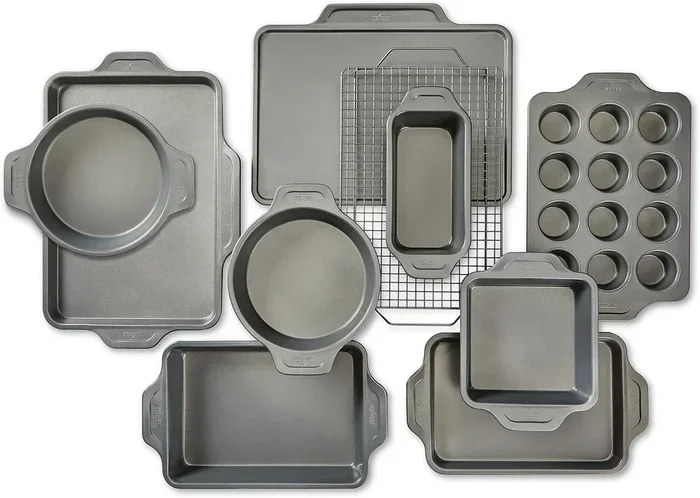
Metal is the workhorse of the kitchen. Most metal cookware is oven safe, but not all metals are the same. Let us look at the best metal options for your oven.
Stainless Steel
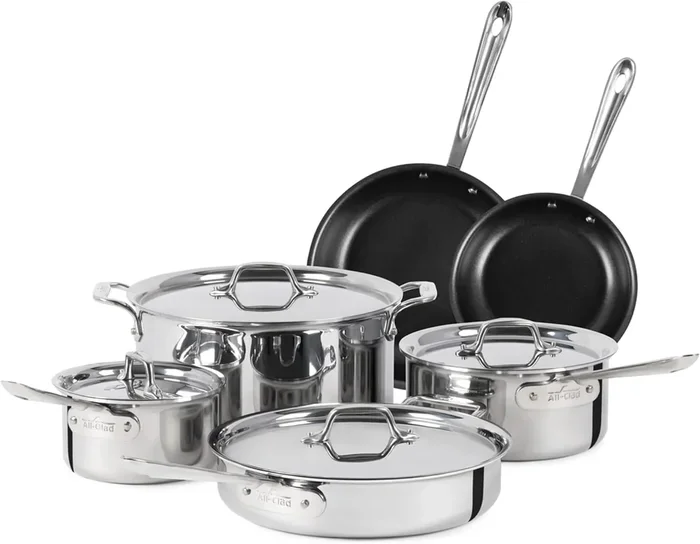
Stainless steel oven safe cookware is one of the best all-around choices. It does not warp easily, it is durable, and it handles high temperatures well. Most stainless steel pots and pans are safe up to 500°F or more.
Stainless steel does not conduct heat as well as aluminum or copper. That is why many high-quality stainless steel pans have an aluminum or copper core. This gives you the best of both worlds — a safe exterior and great heat distribution.
Cast Iron
Cast iron oven safe cookware is legendary. Dutch ovens, skillets, and baking pans made from cast iron can handle extreme heat. They are safe up to 500°F or even higher. Cast iron also holds heat beautifully, making it perfect for baking cornbread, pizza, and deep-dish pies.
The downside of cast iron is weight. It is heavy. But if you can handle it, cast iron is one of the most durable and long lasting oven safe materials you can own.
Aluminum
Aluminum heats up fast and cooks food evenly. Many baking sheets, cake pans, and rimmed baking sheets are made from aluminum. It is lightweight and affordable. Most aluminum pans are oven safe up to 400°F to 450°F.
One thing to keep in mind: reactive aluminum can interact with acidic foods like tomatoes or lemon. This can change the taste of your food and discolor the pan. Anodized aluminum solves this problem and is a great upgrade for serious bakers.
Carbon Steel
Carbon steel is similar to cast iron but lighter. It is a favorite among professional bakers for making pizza and flatbreads. Carbon steel is oven safe up to 500°F or higher. It heats up fast and develops a natural nonstick surface over time with seasoning.
Silicone and Other Modern Oven Safe Materials
The kitchen world has changed a lot in recent years. New materials like silicone have become popular for their flexibility and ease of use. But how do they hold up in the oven?
Silicone Bakeware
Silicone oven safe bakeware is flexible, lightweight, and easy to clean. Most high-quality silicone molds and mats are safe up to 450°F to 500°F. Silicone is nonstick by nature, which makes it great for baking cupcakes, bread, and treats.
However, not all silicone is created equal. Cheap silicone may not be heat resistant and can melt or release odors. Always buy food grade silicone from trusted brands. Check for the maximum temperature rating before using any silicone product in the oven.
Silicone Mats and Parchment Paper
Silicone baking mats like Silpat are a reusable alternative to parchment paper. They are oven safe up to 480°F and make cleanup a breeze. Parchment paper is also oven safe, typically up to 420°F to 450°F. It is great for lining baking sheets and preventing sticking.
Never confuse parchment paper with wax paper. Wax paper is not oven safe. It will melt and can catch fire. Always use parchment paper or a silicone mat when you need a liner in the oven.
Other Modern Materials
Some newer cookware uses composite materials or special coatings. For example, some nonstick pans are oven safe up to 400°F to 500°F. But always check the manual. High heat can break down nonstick coatings, releasing harmful fumes. If you are unsure, use a different pan for high-heat cooking.
How to Tell If a Pan Is Oven Safe
This is one of the most common questions home cooks ask. The good news is that figuring it out is not hard. There are clear signs and simple steps you can follow.
Look for the Oven Safe Symbol
Most cookware has a symbol on the bottom or back. It usually looks like an oven with waves inside or a simple picture of an oven. Some pans also list the maximum oven temperature right on the surface. If you see this symbol, your pan is oven safe up to that temperature.
Check the Handle Material
This is a step many people forget. Even if the pan body is oven safe, the handle might not be. Plastic handles will melt in the oven. Wooden handles can dry out or burn. Some metal handles are oven safe, but others have rubber or silicone grips that have lower heat limits.
Always check the handle before placing a pan in the oven. If the handle is not oven safe, do not use it in high heat. Some pans come with removable handles, which is a great feature for oven use.
Read the Manual or Packaging
If you are still not sure, check the manual or the original packaging. Most manufacturers clearly state whether the product is oven safe and up to what temperature. You can also visit the brand’s website for detailed specs.
Test With the Boiling Water Method
If you have an older pan with no markings, you can do a simple test. Fill the pan with a few inches of water and place it in the oven at 350°F. If the pan warps, discolors, or smells after 30 minutes, it is not a good candidate for oven use. This is not a perfect test, but it gives you a good idea.
Common Mistakes With Oven Safe Cookware
Even experienced cooks make mistakes with oven safe materials. Here are the most common ones and how to avoid them.
Assuming All Metal Is Oven Safe
Just because a pan is made of metal does not mean it is oven safe. Some pans have nonstick coatings or handles that cannot handle high heat. Always check before using.
Ignoring Thermal Shock
Thermal shock is the number one enemy of glass and ceramic. Never place a cold glass dish in a hot oven or move a hot dish onto a cold countertop. Let things cool down gradually to avoid cracks and breaks.
Overheating Nonstick Pans
Most nonstick pans are not designed for temperatures above 450°F to 500°F. Overheating damages the coating and can release harmful fumes. If you need high heat, switch to a stainless steel or cast iron pan.
Using the Wrong Bakeware for the Job
A glass dish and a metal pan behave differently. Glass takes longer to heat up but retains heat well. Metal heats fast and cools fast. Swapping them in a recipe without adjusting time or temperature can lead to uneven results.
Skipping the Oven Safe Lid Check
Many pots come with lids. But not all lids are oven safe. Glass lids often have silicone or plastic rims that cannot handle high heat. Check the lid separately before covering a dish in the oven.
Expert Insights on Choosing Oven Safe Cookware
Professional chefs and cooking experts agree on a few key points when it comes to oven safe materials. Here is what the experts say.
Start with quality basics. A good stainless steel skillet, a cast iron Dutch oven, and a glass baking dish cover most cooking needs. These three materials are durable, versatile, and long lasting.
Match the material to the task. Glass is great for casseroles that need to go from oven to table. Cast iron is perfect for searing on the stovetop and finishing in the oven. Silicone works well for baking and molding but is not ideal for high-heat roasting.
When in doubt, go lower. If a pan says it is oven safe up to 400°F and your recipe calls for 425°F, it is better to adjust the temperature or use a different pan. Safety always comes first.
Take care of your cookware. Proper cleaning and storage extends the life of your oven safe pans. Avoid abrasive cleaners on ceramic and glass. Season cast iron regularly. Store silicone bakeware flat to keep its shape.
Key Takeaways
- Glass and ceramic bakeware are beautiful and functional but require gentle heating to avoid thermal shock.
- Stainless steel, cast iron, aluminum, and carbon steel are all excellent oven safe metal choices.
- Silicone is oven safe up to high temperatures but only if it is food grade and from a trusted brand.
- Always check the handle — even if the pan body is oven safe, a plastic handle is not.
- Look for oven safe symbols and maximum temperature ratings before using any cookware.
- Avoid thermal shock by heating glass and ceramic dishes gradually.
- Nonstick coatings have limits — do not overheat them or they will break down.
Conclusion
Understanding what materials are oven safe is one of the most useful skills you can build in the kitchen. It keeps your food safe, your cookware in good shape, and your cooking experience enjoyable. From glass and ceramic to stainless steel and cast iron, each material has its own strengths and limits.
Silicone offers flexibility and ease, while metal provides durability and high heat performance. The key is to always check before you put a pan in the oven. Look for the oven safe symbol, read the manual, and know the maximum temperature your cookware can handle.
With the right oven safe materials in your kitchen, you can tackle any recipe with confidence. Whether you are baking a casserole, roasting vegetables, or making a pizza, the right pan makes all the difference. Start building your collection of heat resistant, oven proof cookware today, and you will enjoy better results for years to come.
Frequently Asked Questions
Can I put a glass dish in the oven?
Yes, most glass bakeware is oven safe up to 425°F to 450°F. Always check for the oven safe symbol on the bottom. Never put cold glass directly into a hot oven to avoid thermal shock and cracking.
Is all stainless steel oven safe?
Most stainless steel cookware is oven safe, often up to 500°F or higher. However, check the handle material. Some stainless steel pans have plastic or rubber grips that are not oven safe at high temperatures.
What is the difference between microwave safe and oven safe?
A material that is microwave safe may not be oven safe. Microwaves use different heating methods than ovens. Always check the label for both symbols if you plan to use a dish in more than one appliance.
Can silicone go in the oven?
Yes, food grade silicone is oven safe up to 450°F to 500°F. Make sure your silicone bakeware is from a reputable brand and check the maximum temperature rating before using it.
Is cast iron always oven safe?
Cast iron is one of the most oven safe materials available. It handles very high heat well, often up to 500°F or more. Just be careful with enameled cast iron, as the enamel coating may have a lower heat limit.
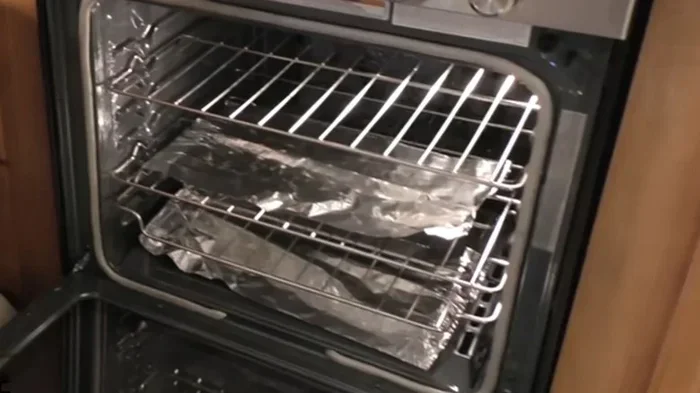
Can I use aluminum foil in the oven?
Yes, aluminum foil is oven safe and very useful for lining pans and covering dishes. However, avoid using foil at very high temperatures or with acidic foods, as it can react and affect the taste of your food.