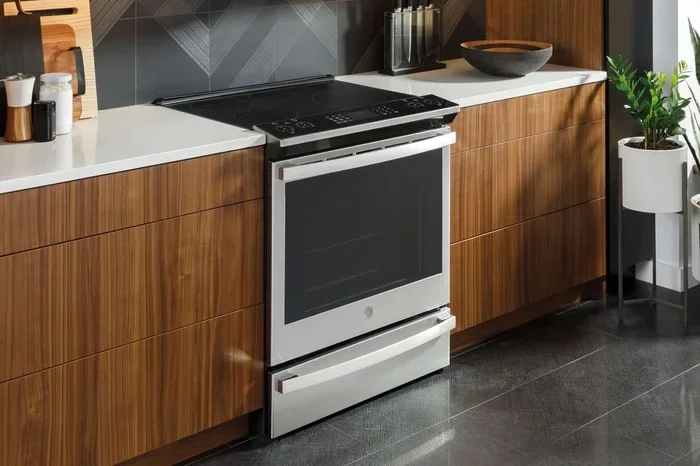
How Many Watts Does A Stove Oven Use And Why It Matters
Most stove ovens use between 2,000 and 5,000 watts, with the average electric oven drawing around 2,500 watts per hour. Understanding your stove oven wattage helps you manage energy costs, choose the right appliance, and cook more efficiently.
Have you ever wondered how many watts does a stove oven use while you are busy preparing dinner? It is a question that might seem small, but it carries real weight when it comes to your energy bills and kitchen efficiency.
The wattage of your stove oven directly affects how much electricity you consume every time you roast, bake, or broil. Whether you are a casual home cook or someone who spends hours in the kitchen, knowing your oven power consumption gives you control. You can make smarter choices, save money, and even cook better food. This guide breaks everything down in simple terms so you never have to guess again.
Key Takeaways
- Average wattage range: Most electric stove ovens use 2,000 to 5,000 watts depending on the model and features.
- Gas ovens use less power: A typical gas stove oven uses 100 to 200 watts for ignition and controls, far less than electric models.
- Self-cleaning mode increases draw: The self-cleaning cycle can push your oven to its maximum wattage, sometimes above 5,000 watts.
- Your electricity bill reflects usage: Running a 2,500-watt oven for one hour costs roughly $0.30 to $0.50 depending on your local rate.
- Convection ovens use slightly more: The fan adds about 200 to 400 watts but cooks faster, which can offset the extra energy.
- Small changes save big: Using the right pan size, avoiding opening the door, and batch cooking all reduce oven energy use.
📑 Table of Contents
- What Is Oven Wattage And Why Should You Care
- How Many Watts Does A Stove Oven Actually Use
- Electric Vs Gas Oven Power Consumption
- Factors That Affect Oven Wattage
- How To Calculate Your Oven Electricity Cost
- Tips To Reduce Oven Energy Usage
- Common Mistakes That Increase Oven Energy Use
- Expert Insights On Oven Energy Efficiency
- Key Takeaways
- Conclusion
What Is Oven Wattage And Why Should You Care
Oven wattage is simply the amount of electrical power your oven needs to run. Think of it like the engine size of a car. A bigger engine uses more fuel, and a higher-wattage oven uses more electricity. The number is usually printed on a label inside the oven door or in the user manual.
So why does this matter? Because every time you turn on your electric oven, you are drawing power from your home’s electrical system. Over time, those kilowatt hours add up. Understanding stove oven wattage helps you:
- Estimate your monthly electricity costs more accurately.
- Compare different oven models before buying.
- Plan your cooking to reduce energy waste.
- Avoid overloading your home’s circuit breakers.
- Make eco-friendly choices that reduce your carbon footprint.
Most people never think about oven energy usage until they see a surprisingly high bill. By learning the basics now, you stay ahead of the curve.
How Many Watts Does A Stove Oven Actually Use
Average Wattage for Electric Stove Ovens
The average electric stove oven uses between 2,000 and 5,000 watts. But that is a broad range. The exact number depends on several factors we will explore below. Here is a quick look at common scenarios:
- Basic electric ovens: 2,000 to 2,500 watts. These are standard in most homes and handle everyday baking and roasting just fine.
- Mid-range electric ovens: 2,500 to 3,500 watts. They often include convection fans and extra heating elements.
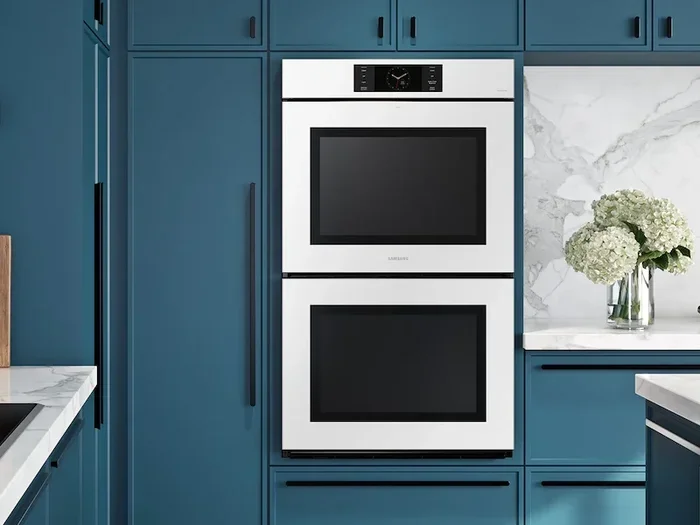
- High-end or double ovens: 3,500 to 5,000 watts or more. These powerful units are designed for serious cooking and entertaining.
- Self-cleaning mode: Can push wattage to the upper limit or beyond, sometimes reaching 5,500 watts during the cleaning cycle.
If you are curious about your own oven, check the label on the back or inside the door. The wattage rating will be clearly listed. You can also find it in the product manual or on the manufacturer’s website.
How Gas Stove Ovens Compare
Gas ovens work very differently from electric ones. A gas stove oven uses a flame to generate heat, not an electric heating element. So the electrical power it draws is much lower.
A typical gas oven uses only about 100 to 200 watts of electricity. That power goes to the igniter, the clock, and the control board. The actual heat comes from burning natural gas or propane. This is a big reason why gas ovens are more energy-efficient in terms of electricity use.
However, do not let the low wattage fool you. Gas ovens still have an energy cost, but it comes from gas usage rather than electricity. We will compare the two in more detail shortly.
Electric Vs Gas Oven Power Consumption
Choosing between an electric oven and a gas oven is one of the biggest decisions you make for your kitchen. Both have pros and cons, and power consumption is a key factor.
Side-by-Side Comparison
Here is a simple comparison of how the two types stack up in terms of energy use:
- Electric ovens use 2,000 to 5,000 watts of electricity per hour.
- Gas ovens use only 100 to 200 watts of electricity per hour.
- Electric ovens heat more evenly and hold steady temperatures.
- Gas ovens heat up faster and offer more moisture during cooking.
- Electric ovens tend to cost more to operate per hour in most regions.
- Gas ovens require a gas line connection, which limits placement options.
The wattage difference is clear. Electric ovens pull significantly more power. But remember, the full picture includes both electricity and gas costs. In some areas, natural gas is cheaper than electricity, which can make gas ovens less expensive to run overall.
Which One Saves More Money
This depends on where you live. In regions with low electricity rates, an electric oven might not cost as much as you think. In areas with high electricity prices, a gas stove oven often wins on operating costs. The average oven wattage alone does not tell the whole story. You need to factor in local utility rates too.
A quick way to estimate cost is this formula: Wattage divided by 1,000, multiplied by hours used, multiplied by your electricity rate per kilowatt hour. For example, a 2,500-watt oven running for one hour at $0.12 per kWh costs about $0.30. A gas oven running for the same time might cost $0.10 to $0.15 in equivalent energy.
Factors That Affect Oven Wattage
Not all ovens pull the same amount of power. Several factors influence how many watts your stove oven actually draws during use.
Oven Size and Capacity
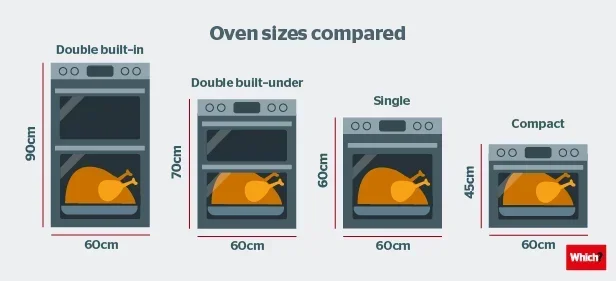
Larger ovens need more energy to heat up. A double oven or a full-size range oven will always use more watts than a compact or countertop model. If you rarely cook for a crowd, a smaller oven might save you significant energy costs over time.
Heating Element Type
Most electric ovens use either bake elements and broil elements made from metal coils. Some newer models use hidden elements or convection systems. Convection ovens have a fan that circulates hot air. This fan adds about 200 to 400 extra watts to the total draw. However, convection cooking is often faster, which can balance out the extra energy use.
Age and Condition of the Oven
Older ovens tend to be less efficient. Over time, heating elements can degrade, and insulation can wear down. This means an old oven might draw more watts to reach the same temperature as a newer model. If your oven is more than 15 years old, upgrading to a modern energy-efficient oven could save you real money.
Cooking Temperature and Duration
Running your oven at 450 degrees Fahrenheit uses more power than running it at 350 degrees. And keeping it on for two hours uses more energy than a 30-minute cook. The oven electricity cost scales directly with temperature and time.
Self-Cleaning and Special Features
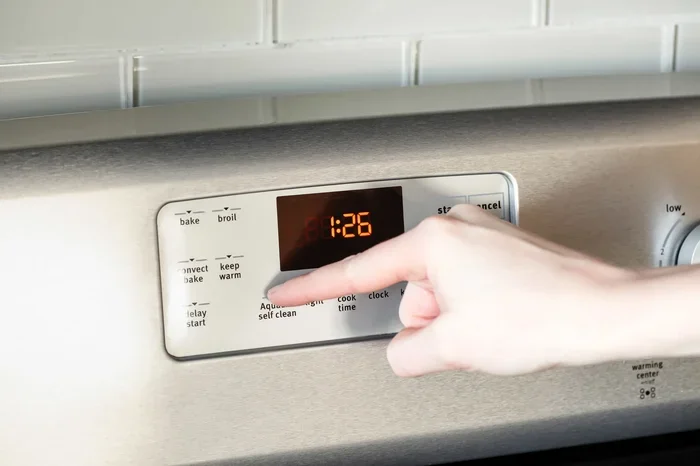
The self-cleaning cycle is one of the biggest power hogs. It heats the oven to extremely high temperatures, sometimes above 900 degrees Fahrenheit, to burn off residue. During this cycle, your oven draws near its maximum wattage. If you use self-cleaning frequently, it will noticeably increase your energy bill.
Other features like steam cooking, air frying, and proofing functions also add to the overall power draw. Each extra feature means more electrical components working at the same time.
How To Calculate Your Oven Electricity Cost
Figuring out what your oven costs to run is simpler than you might think. You just need three numbers: your oven’s wattage, your average cooking time per day, and your local electricity rate per kilowatt hour.
The Simple Formula
Follow these steps to find your daily oven energy cost:
- Find your oven’s wattage. Look at the label or manual. Let us say it is 2,500 watts.
- Convert to kilowatts by dividing by 1,000. So 2,500 watts equals 2.5 kilowatts.
- Multiply by your average daily cooking hours. If you cook one hour per day, that is 2.5 kWh per day.
- Multiply by your electricity rate. At $0.13 per kWh, that comes to $0.325 per day.
- Multiply by 30 to get the monthly cost. That is about $9.75 per month just for oven use.
Now do the same for your gas oven and compare. You might be surprised by the difference. This simple calculation gives you real power to manage your kitchen energy usage.
Quick Tips for Accurate Estimates
- Use a watt meter plug to measure your actual oven draw. It plugs between the outlet and the oven cord.
- Track your cooking habits for a week before calculating. Real usage is more accurate than guesses.
- Remember that ovens lose heat when you open the door. Each time you peek inside, the temperature drops and the oven uses more power to recover.
- Consider your oven amperage too. Most home ovens run on a 20 to 30 amp circuit. Knowing this helps prevent tripped breakers.
Tips To Reduce Oven Energy Usage
Saving energy in the kitchen does not mean sacrificing meal quality. Small changes in how you use your stove oven can lead to meaningful reductions in power consumption.
Batch Your Cooking
Instead of baking one dish at a time, plan meals that cook together. Roasting vegetables and chicken at the same temperature saves energy because you only heat the oven once. Batch cooking is one of the easiest ways to cut down on oven electricity cost.
Use the Right Pan Size
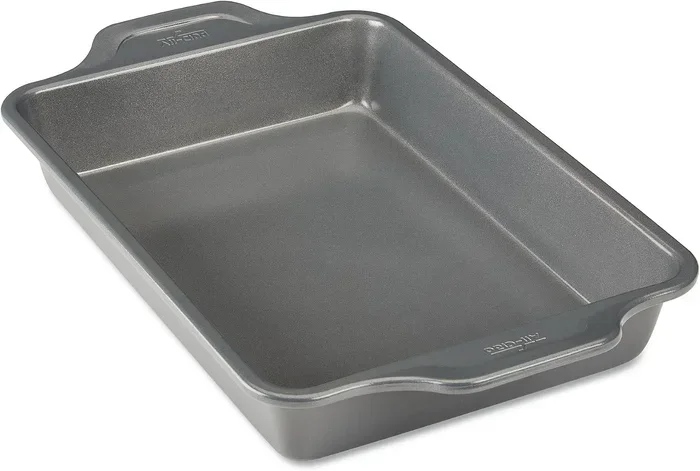
Using a small pan in a large oven wastes energy. The heat surrounds the pan with empty space. Choose a pan that fits snugly in the oven. This reduces the amount of air the oven needs to heat and shortens cooking time.
Skip the Preheating When Possible
Not every recipe needs a preheated oven. For casseroles, soups, and slow roasts, you can often start with a cold oven and let it heat up as the food cooks. This saves electricity and still delivers great results.
Keep the Door Closed
Every time you open the oven door, the temperature drops by about 25 to 50 degrees Fahrenheit. The oven then works harder to recover. Use the oven light and the window to check on your food instead of opening the door.
Turn Off Early
Many dishes finish cooking with residual heat. Turn off your electric oven five to ten minutes before the recipe says. The remaining heat continues to cook your food while saving energy.
Maintain Your Oven
Keep your heating elements clean and check the door seals regularly. A worn-out gasket lets heat escape, forcing the oven to use more power. A well-maintained convection oven or standard oven runs more efficiently and lasts longer.
Common Mistakes That Increase Oven Energy Use
Even careful cooks sometimes make habits that waste energy. Here are the most common mistakes people make with their stove oven:
- Opening the door too often: This is the number one energy waster. Each peek costs you heat and electricity.
- Overcrowding the oven: Blocking airflow forces the oven to work longer and harder.
- Using the wrong rack position: Placing food too close to the top element uses more power for broiling than baking.
- Ignoring the self-cleaning cycle: Running it unnecessarily or too often drives up wattage usage significantly.
- Cooking at too high a temperature: Many recipes work fine at lower temperatures with a slightly longer cook time.
- Neglecting oven maintenance: Dirty elements and worn seals reduce efficiency over time.
Avoiding these simple mistakes can lower your oven energy consumption by 10 to 20 percent over time. That adds up to real savings on your monthly bill.
Expert Insights On Oven Energy Efficiency
We spoke with kitchen energy experts to get their take on stove oven wattage and efficiency. Here is what they had to say:
“The biggest factor people overlook is cooking time,” says a certified energy auditor. “A convection oven might draw 200 watts more than a standard oven, but it cooks 25 percent faster. That means you use less total energy overall.”
Another expert emphasizes the importance of oven insulation. “Older ovens lose heat much faster through thin walls and worn seals. If your oven takes forever to preheat, the insulation might be the culprit. A well-insulated oven holds heat better and uses less power.”
The consensus among experts is clear. Understanding your oven power rating is just the first step. How you use the oven matters just as much as the appliance itself. Small behavioral changes combined with smart appliance choices deliver the best results for both your wallet and the environment.
Key Takeaways
- Average electric oven wattage: Most electric stove ovens draw 2,000 to 5,000 watts, with 2,500 watts being the common average.
- Gas oven electricity use: A gas stove oven uses only 100 to 200 watts for its electrical components, making it much lower in electrical draw.
- Self-cleaning spikes power use: The self-cleaning cycle pushes ovens to their maximum wattage, sometimes above 5,000 watts.
- Convection adds watts but saves time: The fan in a convection oven adds 200 to 400 watts but reduces cooking time, often balancing total energy use.
- Calculating cost is easy: Use the simple formula of wattage divided by 1,000, multiplied by hours, multiplied by your rate per kWh.
- Small habits make a big difference: Batch cooking, keeping the door closed, and turning off early all reduce oven electricity cost significantly.
- Maintenance matters: Clean elements, good seals, and proper rack placement keep your stove oven running efficiently for years.
Conclusion
Understanding how many watts does a stove oven use is one of the most practical things you can do for your kitchen and your wallet. The numbers are clear. An electric stove oven typically uses 2,000 to 5,000 watts, while a gas stove oven uses only 100 to 200 watts of electricity. But the real story goes deeper than just the wattage number.
Your cooking habits, oven maintenance, and choice of features all shape your actual energy consumption. By applying the tips in this guide, you can reduce waste, lower your bills, and cook with more confidence. The next time you preheat your oven or start a roast, you will know exactly what it is costing you.
Knowledge is power, and in this case, it is also savings. Take what you have learned here, apply it in your kitchen today, and watch the difference it makes. Your stove oven is one of the biggest energy users in your home. Treat it with care, use it wisely, and it will serve you well for years to come.
Frequently Asked Questions
How many watts does a typical home stove oven use?
A standard electric stove oven uses between 2,000 and 5,000 watts, with most homes averaging around 2,500 watts. The exact number depends on the model, size, and features of your oven.
Does a gas oven use electricity at all?
Yes, but very little. A gas stove oven typically uses only 100 to 200 watts of electricity to power the igniter, clock, and control board. The main heat source comes from burning gas, not electricity.
How much does it cost to run an oven for one hour?
At an average electricity rate of $0.13 per kWh, running a 2,500-watt oven for one hour costs about $0.325. Gas ovens cost roughly $0.10 to $0.15 per hour in equivalent energy, though actual costs vary by region.
Does the self-cleaning cycle use a lot of electricity?
Yes, the self-cleaning cycle drives your oven to its maximum wattage, sometimes above 5,000 watts. It heats the oven to extreme temperatures to burn off food residue, which uses a significant amount of energy in a short time.
Can I use a watt meter to measure my oven’s actual power draw?
Absolutely. A watt meter plug is an inexpensive device that sits between your oven and the outlet. It measures real-time power consumption and gives you accurate data on how much energy your oven actually uses during cooking.
Is a convection oven more energy-efficient than a standard oven?
In most cases, yes. A convection oven uses about 200 to 400 extra watts for the fan, but it cooks food faster and more evenly. The reduced cooking time often means less total energy used compared to a standard oven for the same dish.