Everything You Need To Know About How To Run Oven Self Clean
Running your oven self clean cycle is simpler than you think. This guide covers everything from preparation to post-clean care for your self-cleaning oven. You will learn the exact steps, common mistakes, and practical oven cleaning tips that deliver sparkling results every time.
So you have decided it is time to tackle that built-up grease and grime inside your oven. Maybe you have been putting it off for weeks, or maybe the oven odor finally pushed you over the edge. Either way, you are in the right place. This guide will walk you through everything you need to know about how to run oven self clean safely and effectively.
Your self-cleaning oven is one of the most convenient features in modern kitchen appliances. But many people do not fully understand how the process works or how to get the best results. Whether you have a pyrolytic cleaning oven or a steam cleaning oven, the steps are similar. By the end of this article, you will feel confident running the oven cleaning cycle on your own. You will also learn essential oven maintenance habits that keep your appliance running smoothly for years.
Key Takeaways
- Know your oven type: Understand the difference between pyrolytic cleaning and steam cleaning oven systems before starting.
- Preparation is everything: Remove racks, ventilate your kitchen, and clear the area for the best results.
- Follow the steps carefully: Lock the door, start the cycle, and let the oven do the heavy lifting on its own.
- Clean up after the cycle: Wipe away carbon residue and clean oven racks separately for a truly spotless oven interior.
- Avoid common mistakes: Never use harsh cleaners before the cycle, keep pets away, and do not open the door early.
- Maintain between cycles: Use oven liners, clean spills right away, and run a quick steam clean monthly to reduce buildup.
📑 Table of Contents
- What Is Oven Self-Clean and How Does It Work?
- How To Prepare Your Oven Before Running Self Clean
- Step-by-Step Guide: How To Run Oven Self Clean
- After the Self-Clean Cycle: What to Do Next
- Common Mistakes to Avoid When Using Oven Self Clean
- Tips for Keeping Your Oven Clean Between Cycles
- How Often Should You Run Oven Self Clean?
- Safety Tips for Running Oven Self Clean
- Conclusion
What Is Oven Self-Clean and How Does It Work?
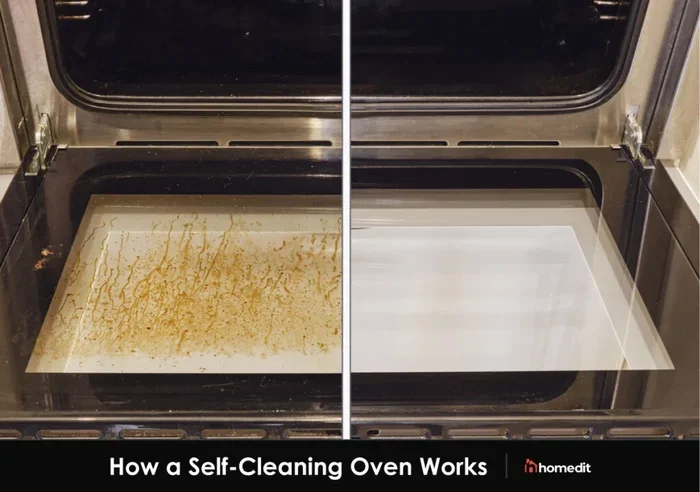
The self-clean feature is a built-in function found in most modern ovens. It uses high heat or steam to break down food spills and grease inside the oven interior. Instead of scrubbing for hours, you simply start the cycle and let the oven do the work. This is why so many homeowners love the convenience of a self-cleaning oven.
There are two main types of self-cleaning technology. Each one works differently, but both aim to remove baked-on food and grease with minimal effort from you.
How Pyrolytic Cleaning Works
Pyrolytic cleaning is the most common type found in electric ovens. During this oven cleaning cycle, the oven heats up to extremely high temperatures, usually between 800 and 1000 degrees Fahrenheit. At this heat, food residue and grease and grime turn into a fine ash. All you need to do afterward is wipe away the ash with a damp cloth. The entire process takes about two to four hours, depending on your oven model.
How Steam Cleaning Works
Steam cleaning oven models use a gentler approach. These ovens add water to the oven floor during the cycle. The steam softens food spills and grease, making them easier to wipe away. Steam cleaning cycles are much shorter, usually taking around 20 to 30 minutes. They work best for light to moderate messes. For heavy buildup, a pyrolytic cycle is more effective.
How To Prepare Your Oven Before Running Self Clean
Before you start the oven cleaning cycle, a little preparation goes a long way. Taking the right steps beforehand ensures the cycle runs smoothly and safely. Here is what you need to do.
Remove Oven Racks and Accessories
Take out all oven racks, baking trays, and any other removable parts. The extreme heat during pyrolytic cleaning can warp or discolor metal racks. Most manufacturers recommend cleaning racks separately by hand or in a sink with hot soapy water. If you have a baking soda oven cleaner, it works great for scrubbing racks before or after the self-clean cycle.
Clear the Area Around the Oven
Move any flammable items away from the oven. This includes towels, paper bags, oven mitts, and plastic containers. The oven self-clean lock engages automatically, but keeping the surrounding area clear adds an extra layer of safety. Also, make sure the oven vent is not blocked by any nearby objects.
Ventilate Your Kitchen
Open windows and turn on your range hood before starting the cycle. The oven fumes released during pyrolytic cleaning can be strong. Some people notice a smoky smell, which is completely normal. Good ventilation helps reduce the odor and keeps your kitchen comfortable during the process.
Step-by-Step Guide: How To Run Oven Self Clean
Now that your oven is prepared, it is time to start the cycle. Follow these steps carefully for the best results.
Step 1: Remove Loose Debris
Before locking the door, quickly wipe out any loose food crumbs or large debris from the oven floor. You do not need to scrub. Just remove anything that could create excessive smoke during the oven cleaning cycle. A simple sweep with a damp cloth does the trick.
Step 2: Lock the Oven Door
Close the oven door firmly. On most models, the oven self-clean lock engages automatically once you select the self-clean setting. The door will remain locked during the entire cycle for safety reasons. Do not try to force it open while the oven is hot.
Step 3: Start the Self-Clean Cycle
Turn the oven dial or press the control panel button to select the self-clean function. Set the timer according to the level of dirt. Light messes usually need a shorter cycle, while heavy grease and grime buildup requires a longer one. Check your oven manual if you are unsure about the recommended time.
Step 4: Wait for the Cycle to Complete
This is the hardest part. The oven will heat up to very high temperatures and stay that way for several hours. Do not leave the house if you are concerned about odors or safety. Once the cycle finishes, the oven will cool down on its own. The door lock will release automatically when the interior temperature drops to a safe level.
After the Self-Clean Cycle: What to Do Next
The self-clean cycle does most of the heavy lifting. But a few simple steps after the cycle finishes will leave your oven truly spotless.
Wipe Away the Ash and Carbon Residue
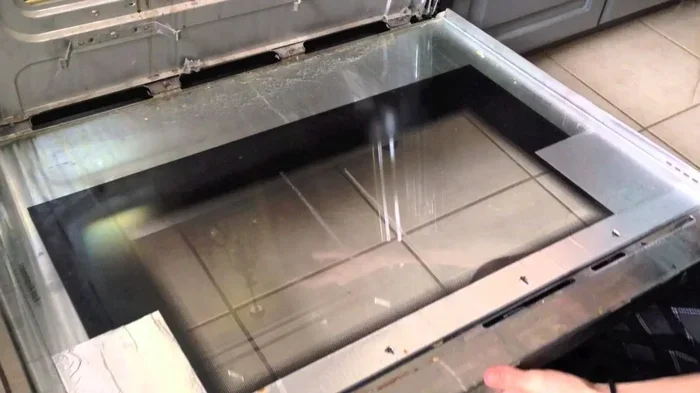
After the pyrolytic cleaning cycle, you will notice a fine gray ash inside the oven. This is what remains of the burned food and grease. Use a damp microfiber cloth to wipe it away. Avoid using harsh chemical cleaning solutions at this stage. A damp cloth is all you need to remove the carbon residue from the oven interior.
Clean the Oven Racks Separately
Now is a great time to clean the oven racks you removed earlier. Soak them in hot water with dish soap for about 30 minutes. Then scrub away any remaining food residue. For tough stains, a paste made from baking soda and water works wonders. This is also a good time to check if your oven racks cleaning routine needs any adjustments.
Deal with Any Lingering Oven Odor
If you still notice an oven odor after cleaning, open the door and let fresh air circulate. You can also place a bowl of vinegar or baking soda inside the oven overnight to absorb any remaining smells. A quick wipe-down of the oven door and seal with a mild cleaning solution also helps freshen things up.
Common Mistakes to Avoid When Using Oven Self Clean
Even though the self-clean feature is designed to be easy, people still make mistakes. Here are the most common ones and how to avoid them.
Using Harsh Cleaners Before the Cycle
Never spray chemical oven cleaners inside the oven before running a self-clean cycle. The extreme heat can cause those chemicals to produce toxic fumes or even damage the oven interior. Stick to a simple damp cloth for any pre-clean wiping. If you need extra cleaning power, use a baking soda oven cleaner paste after the cycle instead.
Forgetting to Remove Pets from the Area
The fumes and heat during a self-cleaning oven cycle can be harmful to pets, especially birds and small animals. Keep your pets in another room with the door closed. This protects them from oven fumes and ensures the cycle runs without any interruptions.
Opening the Door Too Early
The oven door stays locked during and immediately after the cycle for a reason. The interior temperature is extremely high. Opening the door too early can expose you to burns and release a burst of hot air and smoke. Wait until the lock releases on its own. Patience is key here.
Skipping Regular Maintenance
Some people run the self-clean cycle only when the oven looks terrible. This puts extra stress on the oven components. Regular oven maintenance, including occasional self-clean cycles, keeps the appliance in better shape. It also makes each cycle more effective because there is less buildup to burn away.
Tips for Keeping Your Oven Clean Between Cycles
The less buildup your oven has, the easier and faster the self-clean cycle becomes. Here are some simple habits that make a big difference.
Clean Spills Immediately
The moment a spill occurs inside your oven, wipe it up. Letting food sit and bake onto the oven walls creates stubborn grease and grime that is harder to remove later. A quick wipe with a damp cloth after the oven cools down keeps things in great shape.
Use Oven Liners
Oven liners are inexpensive and very effective. Place one on the bottom of the oven to catch drips and crumbs. When the liner gets dirty, simply replace it or wash it. This simple trick reduces the frequency of deep cleaning and keeps your oven interior much cleaner.
Run a Quick Steam Clean Monthly
If you have a steam cleaning oven model, use it once a month for a quick refresh. Even if your oven does not have a steam feature, you can place a heat-safe bowl of water inside and heat it on high for 15 minutes. The steam loosens light grime and makes your next oven cleaning cycle more efficient.
Inspect the Door Seal Regularly
A dirty door seal can affect oven performance and trap grease. Wipe the rubber seal around the door with a damp cloth every few weeks. This small habit improves heat efficiency and prevents odors from building up inside the oven.
How Often Should You Run Oven Self Clean?
Most experts recommend running the oven cleaning cycle every three to six months. However, this depends on how often you cook. If you bake frequently or cook messy meals like pizza and roasted meats, you may need to run it more often. Listen to your oven. If you notice strong odors, visible grime, or smoke during cooking, it is time for a cycle.
Regular appliance care extends the life of your oven and keeps it performing at its best. Think of the self-clean feature as part of your routine oven maintenance schedule, not just an emergency fix.
Safety Tips for Running Oven Self Clean
Safety should always come first when using the self-clean function. Here are some important reminders.
- Never leave the oven unattended during the first few cycles until you are comfortable with how it operates.
- Keep children and pets away from the kitchen during the self-clean process.
- Do not use the oven for cooking while or immediately after a self-clean cycle. The interior may still be hot, and residual fumes can affect food.
- Check the oven manual for model-specific instructions. Every oven is slightly different, and the manufacturer knows best.
- Replace oven racks if you notice warping or discoloration after repeated self-clean cycles.
Conclusion
Running your oven self clean does not have to be intimidating. With the right preparation, a clear understanding of how the oven cleaning cycle works, and some basic oven cleaning tips, you can keep your self-cleaning oven in excellent condition. Remember to remove the racks, ventilate your kitchen, and follow each step carefully. After the cycle, wipe away the ash, clean your racks separately, and deal with any lingering oven odor. Avoid common mistakes like using harsh chemicals or opening the door too early. And most importantly, build simple maintenance habits like cleaning spills right away and using oven liners. These small efforts make a huge difference. Your oven will thank you with better performance, fewer odors, and a longer lifespan. Now that you know exactly how to run oven self clean, go ahead and give your oven the care it deserves.
Frequently Asked Questions
Can I stay in the house while the oven self-clean cycle is running?
Yes, you can stay home, but it is a good idea to ventilate your kitchen by opening windows and turning on the range hood. The oven fumes produced during pyrolytic cleaning can be strong, so good airflow helps keep the air fresh and comfortable while the cycle runs.
How long does an oven self-clean cycle take?
A typical pyrolytic oven cleaning cycle takes between two and four hours, depending on how dirty the oven is. Steam cleaning cycles are much shorter, usually around 20 to 30 minutes. Always check your oven manual for the recommended time for your specific model.
Is it safe to use oven cleaner after running the self-clean cycle?
It is generally not necessary and not recommended. The self-clean cycle burns away most food residue, leaving only a light ash. A damp cloth is usually enough to wipe the interior clean. If you must use a cleaning solution, choose a mild, non-abrasive option and avoid spraying it directly on heating elements.
Can I clean the oven racks in the self-clean cycle?
No, you should always remove oven racks before starting the oven self-clean lock cycle. The extreme heat can warp or discolor metal racks. Clean them separately by hand using hot soapy water or a baking soda oven cleaner paste for the best results.
Why does my oven smell bad after self-cleaning?
A smoky or burnt smell during and right after the cycle is completely normal. It comes from the carbon residue of burned food and grease. Ventilating your kitchen by opening windows and running the range hood usually clears the odor within a few hours. If the smell persists, wipe the interior with a cloth dampened with white vinegar.
How often should I run the oven self-clean cycle?
Most households benefit from running the ovens self-clean cycle every three to six months. Heavy users who cook frequently may need to run it more often. Regular oven maintenance and quick spill cleanup between cycles reduce the need for intense cleaning and keep your appliance running efficiently.
=== CONCLUSION ===
How to run oven self clean is a straightforward process once you know the steps. From preparing your oven and removing racks to running the cycle and handling the aftermath, each step matters. The key is to be patient, follow safety guidelines, and maintain your oven regularly. With the oven cleaning tips and practical advice in this guide, you are fully equipped to keep your self-cleaning oven working at its best. Start today, and enjoy a cleaner, fresher oven tomorrow.