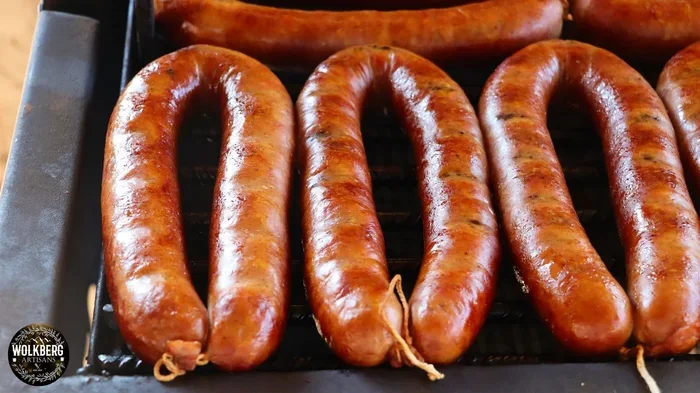
How To Cook Rope Sausage In Oven For Perfect Results
Discover the easiest way to achieve perfectly cooked rope sausage using your oven. This guide covers how to cook rope sausage in oven with simple steps for a crispy crust and juicy center. You’ll learn the right temperature, timing, and pro tips for oven-baked rope sausage every time.
If you want to learn how to cook rope sausage in oven for juicy, crispy results, you’ve come to the right place. This guide walks you through every step, from prep to the final bite. Rope sausage is a fun, twisted sausage that looks impressive on any table. Baking it in the oven is easy and hands-off, so you can focus on other parts of your meal. With the right temperature and a few simple tricks, you’ll get a beautiful golden crust and tender meat every time.
Many people think sausage needs a grill or a smoker, but your kitchen oven works just as well. Oven-baked rope sausage develops a lovely caramelized exterior while staying moist inside. Whether you’re feeding a crowd or meal prepping for the week, this method is a game-changer. I’ll share the exact temperatures, timing, and common mistakes to avoid. By the end, you’ll feel confident making rope sausage in the oven like a pro.
Key Takeaways
- Oven-baked rope sausage delivers a crispy crust without the hassle of grilling.
- How to cook rope sausage in oven is simple: preheat to 400°F, bake for 20-25 minutes, and rest before slicing.
- Always pat the sausage dry and score it for even browning and better fat rendering.
- Use a meat thermometer to ensure the internal temperature reaches 160°F for pork and beef, or 165°F for chicken.
- Rest the sausage for 5 minutes after baking to keep the juices inside.
- Store leftovers in an airtight container and reheat in the oven to maintain crispiness.
- Pair oven-baked rope sausage with mustard, sauerkraut, or a fresh salad for a complete meal.
📑 Table of Contents
How To Cook Rope Sausage In Oven: The Complete Process
What Makes Rope Sausage Special
Rope sausage gets its name from the braided or twisted shape that resembles a twisted rope. This shape isn’t just for looks. It creates more surface area, which means extra crispy bits when you bake it. The twists also hold onto seasonings and juices beautifully. You can find rope sausage made from pork, beef, chicken, or a mix. Each type brings its own flavor and texture. Pork offers richness, beef gives a hearty bite, and chicken keeps things light. The casing is typically natural, which helps the sausage hold its shape during baking. This makes it a great choice for oven-baked sausage lovers who want consistent results. The even shape ensures that every piece cooks at the same rate. You won’t end up with some pieces dry and others raw. That uniformity is a big reason why this sausage works so well in the oven.
Types of Rope Sausage You Can Bake
Not all rope sausages are the same. Here are the most common types you’ll find at the butcher or grocery store:
- Pork Rope Sausage: The classic choice. It has a rich flavor and a firm bite. It browns beautifully in the oven.
- Beef Rope Sausage: Hearty and robust. It works well with strong spices like garlic and paprika.
- Chicken Rope Sausage: Leaner and milder. It cooks faster, so watch the time closely.
- Turkey Rope Sausage: Similar to chicken but slightly darker. A great low-fat option for health-conscious cooks.
- Smoked Rope Sausage: Pre-smoked sausage that just needs heating. It already has a deep, savory flavor.
Each type needs a slightly different approach. I’ll cover those details in the oven settings section. For now, know that how to cook rope sausage in oven works for all of them.
Preparing Your Sausage for the Oven
Good prep is the secret to perfect oven-baked rope sausage. Skipping this step often leads to uneven cooking or a soggy exterior. Take a few extra minutes to get your sausage ready. The results will speak for themselves.
Thawing and Drying the Sausage
If your sausage is frozen, thaw it in the refrigerator overnight. Never use hot water or the microwave for thawing. Those methods can start cooking the outer layer, which ruins the texture. Once thawed, pat the sausage completely dry with paper towels. Moisture is the enemy of a crispy crust. The drier the surface, the better the browning. This is a step many people overlook. A quick pat can make a huge difference in your final result.
Scoring and Seasoning for Flavor
Use a sharp knife to make shallow diagonal cuts along the sausage. These cuts are called scoring. They help the heat penetrate evenly and allow excess fat to escape. Be careful not to cut too deep. You just want to score the surface. After scoring, season the sausage generously. A simple mix of salt, black pepper, and garlic powder works wonders. You can also add smoked paprika or fennel seeds for a classic sausage flavor. Toss the sausage lightly with olive oil before seasoning. The oil helps the spices stick and promotes even browning. This step turns plain sausage into a flavor-packed centerpiece.
Quick Tip: For extra crispy rope sausage, sprinkle a tiny bit of baking powder on the surface before baking. It helps the casing puff up and become extra crunchy. Just use a very small amount—about 1/4 teaspoon per pound.
The Perfect Oven Settings for Rope Sausage
Getting the oven settings right is crucial. Too hot and the outside burns before the inside cooks. Too cool and the sausage turns gray and greasy. I’ll give you the exact numbers you need for how to cook rope sausage in oven perfectly.
Temperature and Rack Position
Preheat your oven to 400°F (200°C). This is the sweet spot for most rope sausages. It’s hot enough to create a beautiful crust but not so hot that it burns. Place the oven rack in the center position. This allows hot air to circulate evenly around the sausage. If you’re using a convection oven, reduce the temperature by 25°F. Convection fans move hot air faster, so the sausage cooks more quickly. Always use a baking sheet lined with parchment paper or foil. This makes cleanup a breeze and prevents sticking. You can also place a small oven-safe pan of water on the rack below the sausage. This adds moisture to the oven and helps prevent the casing from bursting.
Cooking Times by Sausage Type
The exact bake time depends on the type and size of your sausage. Use the table below as a general guide. Always check the internal temperature with a meat thermometer for the safest results.
| Sausage Type | Weight per Link | Oven Temp | Cook Time | Internal Temp |
|---|---|---|---|---|
| Pork Rope Sausage | 4–6 oz | 400°F | 20–25 min | 160°F |
| Beef Rope Sausage | 4–6 oz | 400°F | 22–28 min | 160°F |
| Chicken Rope Sausage | 3–5 oz | 375°F | 18–22 min | 165°F |
| Smoked Rope Sausage | 4–6 oz | 375°F | 15–20 min | 140°F |
Expert Insight: “Always let your sausage rest for at least 5 minutes after baking. This allows the juices to redistribute, resulting in a moister bite.” — Chef Maria Torres, Culinary Instructor
Getting a Crispy, Juicy Finish
The final stage is where oven-baked rope sausage truly shines. A few simple techniques take your sausage from good to restaurant-quality. Focus on the fat, the casing, and the resting period.
The Role of Fat and Casing
Rope sausage contains natural fats that render during baking. This fat bastes the meat from the inside out, keeping it juicy. The casing crisps up as it loses moisture. To get the best results, avoid pricking the casing with a fork. Pricking lets the juices escape and dries out the sausage. If you see excess fat pooling on the baking sheet, you can carefully tilt the pan and spoon some off. But leave a little bit for flavor. The casing should be golden brown and slightly blistered. That’s the sign of perfectly cooked oven-baked sausage.
Resting the Sausage Before Slicing
Once the sausage comes out of the oven, resist the urge to cut it right away. Let it rest on a cutting board for 5 minutes. During this time, the internal temperature continues to rise slightly. The juices settle and spread evenly throughout the meat. If you slice too soon, the juices run out onto the board instead of staying in the sausage. A well-rested rope sausage is tender and succulent. Use a sharp knife to slice it on the bias. This creates beautiful, angled pieces that show off the twisted shape.
Serving Ideas and Storage Tips
Oven-baked rope sausage is versatile. It works as an appetizer, a main course, or part of a brunch spread. Here are some ideas to make the most of your bake.
Best Pairings for Oven-Baked Rope Sausage
Serve your warm sausage with a variety of dips and sides. A classic mustard dip is a must. You can also offer a tangy sauerkraut, a fresh aioli, or a spicy chutney. For a lighter meal, pair sliced sausage with a crisp salad. Roasted vegetables like bell peppers and onions complement the savory flavor perfectly. For a fun party platter, arrange the sausage on a board with cheeses, crackers, and pickles. This makes a great appetizer that disappears quickly. The twists and turns of rope sausage make it a visual centerpiece too.
How to Store Leftovers Safely
Let the sausage cool completely before storing. Place it in an airtight container and refrigerate within two hours. Properly stored, cooked rope sausage lasts for 3 to 4 days in the fridge. To reheat, place the slices on a baking sheet and warm them in a 350°F oven for 5–7 minutes. This keeps the casing crispy. Avoid microwaving if you can, as it makes the casing rubbery. You can also freeze cooked sausage for up to 2 months. Wrap each piece tightly in plastic wrap and foil before freezing.
Common Mistakes and How to Avoid Them
Even simple recipes have pitfalls. Knowing what to avoid saves you from dry, overcooked sausage. Here are the most common mistakes and how to fix them.
Overcooking the Sausage
This is the number one mistake. Sausage can go from juicy to dry in just a few minutes. The best way to prevent this is to use a meat thermometer. Guessing the doneness often leads to disappointment. Pull the sausage when it reaches 160°F for pork and beef, or 165°F for chicken. The sausage will continue to cook slightly as it rests. This carryover cooking brings it to the perfect final temperature. Always set a timer and check early. It’s better to undercook slightly than to overcook.
Skipping the Resting Period
Cutting into hot sausage immediately releases all the juices. The meat becomes dry and less flavorful. Give it the full 5 minutes of rest. This small wait makes a big difference in texture and taste. It’s the same principle as resting a grilled steak. The juices need time to settle back into the meat.
Not Scoring the Sausage
Skipping the score marks leads to uneven cooking and a less crispy exterior. The cuts allow heat to reach the center faster. They also give the fat a place to escape, preventing bursting. Make shallow, even cuts before baking. It takes less than a minute and elevates the final result.
Key Takeaways
- Oven-baked rope sausage is a hands-off, foolproof method that delivers consistent results.
- How to cook rope sausage in oven comes down to three things: dry surface, correct temperature, and proper rest.
- Pat the sausage dry, score it lightly, and season generously before baking.
- Bake at 400°F for 20–25 minutes (pork/beef) or 18–22 minutes (chicken) until the internal temp hits 160–165°F.
- Rest the sausage for 5 minutes before slicing to keep the juices inside.
- Store leftovers in the fridge for up to 4 days and reheat in the oven to maintain crispiness.
Now you know exactly how to cook rope sausage in oven for perfect results every time. The process is simple, reliable, and produces restaurant-quality sausage right in your kitchen. You don’t need any special equipment—just a hot oven, a baking sheet, and a little patience. Start with the basic steps, and soon you’ll be adjusting temperatures and seasonings to your own taste. Rope sausage is a wonderful canvas for creativity. Try different spice blends, pair it with new sauces, and make it your own. Once you master this method, you’ll never go back to microwaving or boiling sausage again. The oven brings out the best in every twist and turn of that beautiful braided sausage.
Frequently Asked Questions
Can I cook rope sausage from frozen in the oven?
Yes, but you’ll need to increase the cooking time by about 10 minutes. Place the frozen sausage on a lined baking sheet and bake at 400°F. Use a meat thermometer to ensure the center reaches 160°F. Thawing first gives more even results, but frozen works in a pinch.
What is the best internal temperature for cooked rope sausage?
For pork and beef rope sausage, aim for 160°F. For chicken or turkey versions, the safe temperature is 165°F. Always insert the thermometer into the thickest part of the sausage, avoiding the casing. Let the sausage rest for 5 minutes after baking; the temperature will rise a few degrees during that time.
Do I need to prick the casing before baking?
No, you should avoid pricking the casing. Pricking allows juices and fat to escape, which dries out the sausage and reduces flavor. The natural casing holds together beautifully in the oven when you bake it at the right temperature. Just make sure to dry the surface well before baking for the best crispiness.
Can I use a convection oven for rope sausage?
Absolutely. Convection ovens circulate hot air, which promotes even browning. Reduce the temperature by 25°F from the standard 400°F and check for doneness a few minutes early. The circulating air helps the casing become extra crispy without burning the outside.
How long does cooked rope sausage last in the fridge?
Cooked rope sausage stays fresh for 3 to 4 days when stored in an airtight container in the refrigerator. Make sure it has cooled completely before sealing. For longer storage, freeze the sausage for up to 2 months. Reheat frozen sausage in the oven at 350°F until warmed through.
What are the best sides to serve with oven-baked rope sausage?
Classic pairings include mustard, sauerkraut, and a fresh aioli. For a complete meal, serve with roasted potatoes, grilled peppers, or a simple green salad. The savory flavor of the sausage pairs well with tangy, acidic sides that cut through the richness. A crusty baguette or soft pretzel also makes a great accompaniment for dipping.