What Temp Is Brisket Done In Oven For Perfect Results
The ideal internal temperature for brisket done in oven is 195°F to 205°F, where collagen breaks down for maximum tenderness. Most oven recipes call for a low and slow cook at 225°F to 275°F, taking 8 to 16 hours depending on size. Use a meat thermometer to check doneness, and always let your brisket rest for at least one hour before slicing.
Key Takeaways
- Target Temperature: Brisket is done in oven when it reaches 195°F to 205°F internally for the best tender texture.
- Low and Slow Works Best: Cooking at 225°F to 275°F renders fat and breaks down collagen without drying out the meat.
- Probe Tenderness Matters: A probe should slide into the meat like butter, confirming doneness beyond just a number on the thermometer.
- Resting Is Essential: Let brisket rest wrapped in butcher paper or foil for at least one hour to redistribute juices.
- Use a Reliable Meat Thermometer: Digital instant-read thermometers give you accurate readings every time.
- Slice Against the Grain: Cutting the right way ensures each slice is tender and easy to chew.
- Fat Cap Side Up or Down? Both methods work, but placing the fat cap down shields the meat from direct oven heat.
📑 Table of Contents
- What Temp Is Brisket Done In Oven For Perfect Results
- Understanding Brisket Cuts and Their Structure
- Oven Temperature Settings for Brisket
- Internal Temperature Guide for Brisket Doneness
- Step-by-Step Oven Brisket Recipe
- Common Mistakes to Avoid When Cooking Brisket in the Oven
- Expert Insights on Oven Brisket Perfection
- How to Tell When Brisket Is Done Without a Thermometer
- Comparison: Different Oven Temperatures and Cook Times
- Storing and Reheating Leftover Brisket
- Final Thoughts on Oven Brisket
What Temp Is Brisket Done In Oven For Perfect Results
Brisket done in oven is one of the most rewarding cooking achievements you can tackle at home. The question of what temp is brisket done in oven comes up constantly among home cooks. And the answer is simpler than most people think. The magic number falls between 195°F and 205°F on the internal thermometer. At this range, the connective tissue has melted into gelatin, giving you that fall-apart tenderness everyone loves.
But temperature alone does not tell the full story. Time, technique, and patience all play huge roles. A brisket that hits 200°F but was rushed will still be tough. Understanding the full process makes all the difference. This guide walks you through everything you need to know about oven-baked brisket, from prep to slicing.
Whether you are a beginner or a seasoned griller, these tips will help you nail the perfect brisket every single time. Let us dive in.
Understanding Brisket Cuts and Their Structure
Before you set the oven temperature, it helps to understand what you are cooking. Brisket comes from the lower chest of the cow. This area works hard, so the meat is packed with tough connective tissue and collagen. That is exactly why low and slow cooking is essential.
The Two Main Parts of a Brisket
A whole packer brisket has two distinct muscles. The flat is the leaner, thinner piece. The point is thicker, fattier, and more marbled. Many recipes call for cooking them together as a single unit. But you can also separate them and cook each one differently.
The fat cap sits on one side of the brisket. This layer of fat renders during cooking, basting the meat from within. Some cooks place the fat cap up, others place it down. Both methods work well in an oven setting.
Why Brisket Needs Low and Slow Cooking
Brisket is a tough cut. It has lots of muscle fibers and collagen. High heat shrinks those fibers and squeezes out moisture. That is why a tough, dry brisket happens so often. Low temperatures over a long period give the collagen time to dissolve into gelatin. This is what creates the juicy, tender texture you want.
When you ask what temp is brisket done in oven, you are really asking about collagen breakdown. That process happens between 160°F and 205°F. The sweet spot for tenderness is the upper end of that range.
Oven Temperature Settings for Brisket
Choosing the right oven temperature is the foundation of a great brisket. There are three common approaches. Each one has its own advantages and trade-offs.
Low and Slow at 225°F
This is the most popular method. Cooking at 225°F mimics the environment of a traditional smoker. The meat cooks evenly, and the fat renders slowly. Expect about 1 to 1.5 hours per pound of brisket at this temperature.
Benefits of 225°F oven brisket include:
- Deep bark formation on the outside
- Even rendering of fat throughout the meat
- More time for smoke flavor to develop if using wood chips
- Less risk of drying out the edges
Medium Heat at 275°F
Cooking at 275°F cuts the total time significantly. This is a great option when you want results faster. The brisket will still be tender and flavorful. Expect about 45 minutes to 1 hour per pound at this temperature.
At 275°F, the bark forms a bit quicker. Some cooks find the crust is slightly thicker compared to 225°F. The meat still stays juicy if you monitor the internal temperature carefully.
Higher Heat at 300°F to 325°F
Some recipes call for higher oven temperatures. This method works best for smaller briskets or when time is limited. The cook time drops to about 30 to 45 minutes per pound.
However, higher heat increases the risk of drying out. You need to watch the internal temperature closely. Wrapping the brisket partway through helps retain moisture at these temperatures.
Internal Temperature Guide for Brisket Doneness
Knowing what temp is brisket done in oven is only part of the equation. Understanding the stages of cooking helps you make better decisions. Here is a breakdown of what happens at different internal temperatures.
Temperature Stages During Cooking
The brisket goes through several phases as it cooks. Each phase changes the texture and flavor of the meat.
- 150°F to 160°F: The meat hits the stall phase. Evaporative cooling causes the temperature to plateau. This can last for hours. Do not panic. This is normal.
- 160°F to 170°F: Collagen starts breaking down. The meat begins to soften.
- 170°F to 190°F: The stall may continue or resolve. Fat renders and moisture distributes throughout the meat.
- 190°F to 205°F: This is the target zone. Collagen has fully converted to gelatin. The brisket is tender and juicy.
The Stall Phase Explained
The stall is the most confusing part for beginners. Your brisket seems stuck at around 150°F to 170°F for hours. This happens because evaporative cooling counteracts the oven heat. The surface of the meat is basically sweating, and that moisture cools it down.
There are several ways to handle the stall. You can wait it out. You can wrap the brisket in butcher paper or foil. Or you can increase the oven temperature slightly. Each method has its fans. Wrapping is the most popular and effective approach.
When to Pull the Brisket Off Heat
Do not pull the brisket at exactly 195°F every time. Every piece of meat is different. The best way to check doneness is the probe test. Insert a thermometer or probe into the thickest part of the flat. If it slides in with no resistance, like warm butter, your brisket is ready.
Some briskets are done at 190°F. Others need to hit 205°F. The number matters less than the feel of the meat. Use temperature as a guide, not a rigid rule.
Step-by-Step Oven Brisket Recipe
Now that you understand the temperatures, let us walk through a simple oven brisket recipe. This method works for a 4 to 6 pound brisket and delivers consistent results.
Step 1: Prep the Brisket
Remove the brisket from the refrigerator one hour before cooking. Let it come to room temperature. This helps it cook more evenly. Pat the meat dry with paper towels. This step is crucial for bark formation.
Trim excess fat to about a quarter-inch thickness. Leave the fat cap intact, but trim any hard, thick pieces. Apply your favorite dry rub generously. A simple mix of salt, black pepper, garlic powder, and paprika works beautifully.
Step 2: Set Up the Oven
Preheat your oven to 225°F or 275°F depending on your schedule. Place a rack in a large roasting pan or baking dish. You want air to circulate around the brisket. Place the meat fat cap side down if your pan has a rack. If not, fat cap side up works fine too.
Step 3: Cook Low and Slow
Place the brisket in the oven fat side down initially. Cook for about 4 to 5 hours at 225°F. After this point, check the internal temperature. When it hits around 165°F to 170°F, it is time to wrap.
Use butcher paper or aluminum foil to wrap the brisket tightly. This is called the Texas crutch. It speeds through the stall and keeps moisture locked in. Return the wrapped brisket to the oven.
Step 4: Continue Cooking Until Done
Keep cooking until the internal temperature reaches 195°F to 205°F. This usually takes another 4 to 6 hours depending on the size. Check the temperature every 30 to 45 minutes after the wrap.
Use a reliable digital meat thermometer. Instant-read thermometers give you fast, accurate readings. Probe thermometers with a remote alert are even better because you can monitor the temperature without opening the oven door.
Step 5: Rest the Brisket
Once the brisket hits target temperature, remove it from the oven. Wrap it in a clean towel or extra layer of butcher paper. Place it in a cooler or insulated container. Let it rest for at least one hour. Some cooks rest for two hours. The longer rest allows juices to redistribute throughout the meat.
Skipping the rest is one of the most common mistakes. The juices need time to settle. Cutting too early releases all those flavorful liquids onto the cutting board instead of staying in the meat.
Step 6: Slice and Serve
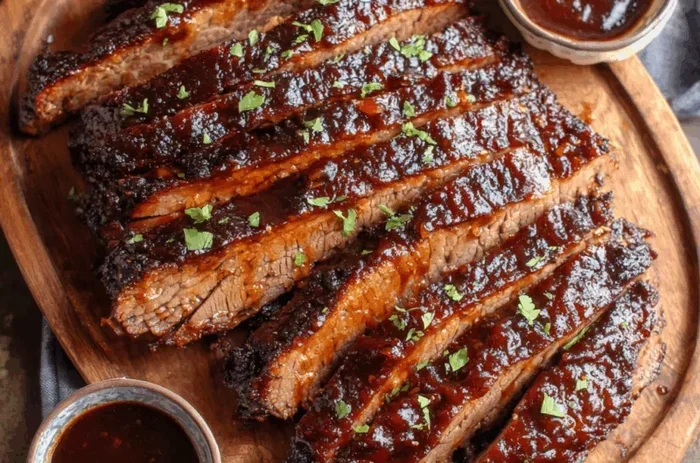
Unwrap the brisket and place it on a cutting board. Identify the direction of the grain. The grain runs along the muscle fibers. Slice against the grain for the most tender results.
The flat slices should be about a quarter-inch thick. The point can be sliced or chopped. Serve with your favorite barbecue sauce or enjoy it plain. The natural flavor of a well-cooked brisket needs nothing else.
Common Mistakes to Avoid When Cooking Brisket in the Oven
Even experienced cooks make mistakes with oven brisket. Here are the most common ones and how to avoid them.
Opening the Oven Door Too Often
Every time you open the oven door, heat escapes. This extends cooking time and can cause uneven cooking. Resist the urge to peek. Use a remote probe thermometer to monitor the internal temperature without opening the door.
Skipping the Rest Period
We mentioned this above, but it deserves repeating. Resting is not optional. Cutting into a brisket immediately after cooking releases all the accumulated juices. A proper rest of one to two hours makes a noticeable difference in texture and juiciness.
Cooking at Too High a Temperature
Some cooks crank the oven to 350°F to save time. This almost always leads to a tough, dry brisket. The collagen does not have enough time to break down properly. Stick with 225°F to 275°F for the best results.
Not Using a Meat Thermometer
Guessing doneness is a recipe for disappointment. Time estimates are just that, estimates. The actual internal temperature is the only reliable indicator. Invest in a good quality digital thermometer.
Ignoring the Size of the Brisket
A 3-pound brisket cooks much faster than a 7-pound one. Adjust your expectations based on the weight. Larger briskets need more time, and the temperature may not be perfectly even throughout. Plan accordingly.
Expert Insights on Oven Brisket Perfection
Professional pitmasters and barbecue experts share a few insights that elevate your oven brisket game.
Why Resting in a Cooler Works So Well
Many competition cooks rest their brisket in a cooler with towels. The cooler provides a controlled, insulated environment. The residual heat continues to cook the meat gently. Meanwhile, the juices settle and the temperature evens out throughout the cut.
This technique is not just for competition. It works equally well in a home kitchen. You do not need a fancy setup. A cheap Styrofoam cooler and some clean towels are all you need.
The Role of the Fat Cap
Positioning the fat cap matters more than most people realize. When placed down, the fat layer shields the meat from direct oven heat. This prevents the surface from drying out too quickly. When placed up, the fat bastes the meat as it renders. Experiment with both methods and see which you prefer.
Adding Wood Chips for Smoke Flavor
You can add a smoky flavor to oven brisket using wood chips. Soak the chips in water for 30 minutes before use. Place them in a foil pouch with holes poked in the top. Put the pouch on a lower oven rack near the heating element. The chips will smolder and infuse the meat with a subtle smoky flavor.
Hickory and oak are classic choices for brisket. Apple and cherry woods add a sweeter, milder flavor. Mesquite is strong and works best in small amounts.
How to Tell When Brisket Is Done Without a Thermometer
While a meat thermometer is the most reliable tool, there are other signs of doneness. Experienced cooks use several methods to check if brisket is ready.
- The Probe Test: A thermometer probe or skewer should slide into the meat with almost no resistance. If it feels like going into room-temperature butter, it is done.
- The Bend Test: Pick up the brisket with tongs at one end. If it bends and cracks slightly on the surface, the collagen has broken down properly.
- The Jiggle Test: Gently shake the brisket. The meat should have a jiggly, almost jelly-like quality. This indicates the gelatin has formed from melted collagen.
These methods work best when combined with temperature readings. Use them as supporting indicators, not replacements for a thermometer.
Comparison: Different Oven Temperatures and Cook Times
Here is a quick comparison of common oven temperatures and their effects on cook time and results.
| Oven Temp | Cook Time (per lb) | Bark Quality | Best For |
|---|---|---|---|
| 225°F | 1 to 1.5 hours | Deep, crusty | Traditional flavor, large briskets |
| 275°F | 45 min to 1 hour | Good, slightly thicker | Faster cooking, everyday meals |
| 300°F to 325°F | 30 to 45 min | Thick, bold | Small briskets, time crunch |
The 225°F to 275°F range is where most barbecue experts recommend cooking brisket. It gives you the best balance of flavor, texture, and tenderness.
Storing and Reheating Leftover Brisket
Brisket leftovers are a gift. Proper storage keeps the meat juicy and flavorful for days.
Let the brisket cool completely before storing. Wrap it tightly in foil or place it in an airtight container. Refrigerate within two hours of cooking. Brisket keeps well in the fridge for up to four days.
To reheat, wrap the brisket in foil with a splash of beef broth or apple cider vinegar. Heat in the oven at 225°F to 250°F until it reaches an internal temperature of 165°F. This low reheating method keeps the meat from drying out.
Avoid reheating in the microwave. It tends to make the outer layers rubbery while the center stays cool. The oven method takes longer but produces far better results.
Final Thoughts on Oven Brisket
Cooking brisket done in oven is a labor of love. The process takes time, patience, and attention to detail. But the results are worth every minute. When you pull that perfectly tender, juicy brisket out of the oven, you will feel a real sense of accomplishment.
Remember, what temp is brisket done in oven is 195°F to 205°F at the internal level. But the real secret is combining that temperature with proper technique. Low and slow cooking, a good wrap, adequate resting, and slicing against the grain all contribute to the final result.
Start with a quality brisket from your local butcher or grocery store. Follow the steps outlined in this guide. Use a reliable meat thermometer. And most importantly, be patient. The oven does the hard work for you. Your job is to monitor, wait, and enjoy the process.
Once you nail your first oven brisket, you will never go back to dry, tough meat again. This is a skill that improves with every attempt. So grab your apron, preheat that oven, and get ready to make the best brisket of your life.
Frequently Asked Questions
What is the safest internal temperature for brisket?
The USDA recommends cooking beef brisket to a minimum internal temperature of 145°F for food safety. However, brisket is not truly done at 145°F. For the tender, juicy texture that makes brisket special, cook it until it reaches 195°F to 205°F internally. This higher temperature ensures the collagen has fully broken down.
Can I cook brisket at 350°F in the oven?
You can, but it is not recommended for best results. Higher temperatures cook the brisket too quickly, preventing proper collagen breakdown. The meat often turns out tough and dry. If you must use a higher temperature, wrap the brisket early and monitor it closely. The ideal range remains 225°F to 275°F for oven-baked brisket.
How long does it take to cook a brisket in the oven?
Cook time depends on the oven temperature and the size of the brisket. At 225°F, plan for 1 to 1.5 hours per pound. At 275°F, expect about 45 minutes to 1 hour per pound. A 5-pound brisket typically takes 8 to 12 hours total. Always use internal temperature as your guide rather than time alone.
Should I wrap my brisket during oven cooking?
Wrapping, also known as the Texas crutch, is highly recommended. It helps push through the stall phase and keeps the meat moist. Butcher paper is the preferred choice because it allows some steam to escape, preserving bark texture. Aluminum foil creates a tighter seal and cooks the meat slightly faster but can soften the bark.
How do I know when brisket is done if the thermometer reads 190°F?
Temperature is a guide, not a rigid rule. Some briskets are tender at 190°F while others need to reach 205°F. Use the probe test as your primary indicator. If the probe slides into the meat with little to no resistance, your brisket is done regardless of the exact number on the thermometer.
What is the best way to slice leftover oven brisket?
Always slice against the grain. The grain direction changes between the flat and the point. For the flat, slice perpendicular to the long muscle fibers. For the point, the grain runs in a different direction, so adjust your cuts accordingly. Thin slices of about a quarter-inch give the best texture and mouthfeel.
=== CONCLUSION ===
Mastering what temp is brisket done in oven opens the door to incredible home cooking. The target range of 195°F to 205°F internal temperature gives you tender, juicy, flavorful brisket every time. Combine that temperature knowledge with low and slow cooking, proper wrapping, adequate resting, and smart slicing techniques. You will consistently produce brisket that rivals any barbecue restaurant.
Start your next brisket adventure with confidence. Follow the steps, trust the process, and enjoy every bite of your perfectly cooked oven brisket.