Are Self Cleaning Ovens A Fire Hazard Your Kitchen At Risk
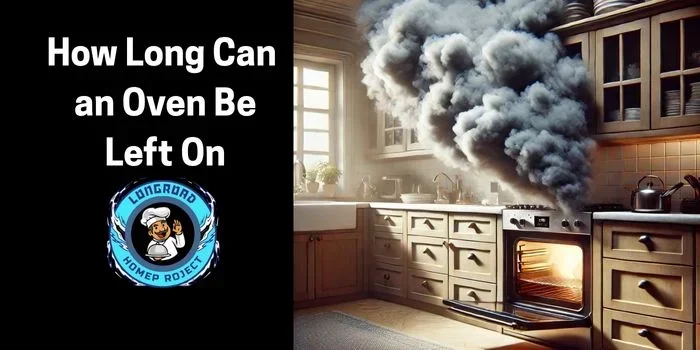
Self cleaning ovens can pose a fire hazard if not used properly, but the risks are manageable with the right knowledge. The high heat used during the cleaning cycle can ignite food residue or grease, leading to smoke or even flames. Understanding how self cleaning ovens work and following safety guidelines helps you enjoy the convenience without putting your kitchen at risk.
Self cleaning ovens promise a lot. You press a button, walk away, and come back to a sparkling oven interior. It sounds like a dream. But many homeowners wonder one thing: is it safe? The question “are self cleaning ovens a fire hazard” comes up a lot in kitchens across the country. And the honest answer is not a simple yes or no.
The truth is that self cleaning ovens do carry some fire risk. But with the right knowledge and habits, you can use them safely. This guide breaks down everything you need to know about oven fire risk, how the self cleaning process works, and what you can do to keep your kitchen safe. Let us dive in.
Key Takeaways
- High heat is the main concern: Self cleaning ovens reach extreme temperatures that can ignite residue.
- Proper prep before cleaning reduces fire risk: Removing large debris and grease prevents smoke and flames.
- Ventilation matters a lot: Good airflow helps manage smoke and keeps your kitchen safe.
- Never leave the oven unattended: Staying nearby lets you respond quickly to any issues.
- Older ovens carry more risk: Worn parts and outdated designs increase the chance of malfunction.
- Steam cleaning is safer: Newer models offer lower-heat options that reduce fire hazards.
- Regular maintenance prevents problems: Keeping your oven clean between cycles reduces the need for intense self-cleaning.
📑 Table of Contents
- How Self Cleaning Ovens Work
- So Are Self Cleaning Ovens A Fire Hazard?
- Common Causes Of Oven Fires During Self Cleaning
- How To Reduce Fire Risk When Using Self Cleaning Mode
- Self Cleaning Oven Safety Tips
- Comparing Self Cleaning Methods: Fire Risk
- What To Do If Your Oven Cat Fire During Self Cleaning
- Are Certain Oven Brands Safer Than Others?
- Expert Insights On Oven Fire Safety
- Signs Your Oven May Be A Fire Hazard
- Key Takeaways
- Conclusion
How Self Cleaning Ovens Work
To understand the fire risk, you need to know how these ovens clean themselves. There are two main types of self cleaning technology. Each one uses a different method, and each has its own safety profile.
Pyrolytic Cleaning
Pyrolytic cleaning is the most common method. It uses very high heat to burn off food residue and grease. The oven heats up to around 900 degrees Fahrenheit. At that temperature, everything inside turns to ash. You then wipe away the ash once the oven cools down.
This process is effective. It removes baked-on grime that normal cleaning struggles with. But the extreme heat is also where the fire risk comes in. If there is too much grease or food left inside, the oven can produce heavy smoke. In some cases, that smoke can turn into flames.
Steam Cleaning
Steam cleaning uses water and lower heat to loosen dirt. The oven heats up to around 250 degrees Fahrenheit. Steam softens the grime so you can wipe it away easily. This method is much safer and produces far less smoke.
Steam cleaning is a great option for routine maintenance. It does not replace a deep clean, but it keeps your oven in good shape between pyrolytic cycles. Many newer ovens offer both options, giving you more control over the cleaning process.
So Are Self Cleaning Ovens A Fire Hazard?
The short answer is that they can be. But calling them a fire hazard on their own is not fair. The real question is what conditions make them risky. And the good news is that most of those conditions are within your control.
The Real Fire Risk Factors
Several factors can increase the chance of a fire during a self cleaning cycle. Understanding these helps you take the right steps to prevent problems.
- Excess grease buildup: Grease is the biggest culprit. When the oven heats up to extreme temperatures, grease can ignite and cause flames.
- Food residue left behind: Large chunks of food or spilled sauces can smoke heavily and potentially flame up during the cleaning cycle.
- Overcrowded oven: If the oven interior has a lot of residue, the cleaning cycle produces more smoke and increases the chance of flare-ups.
- Faulty oven parts: Worn door seals, broken thermostats, or damaged heating elements can cause uneven heating and increase fire risk.
- Poor ventilation: If your kitchen lacks proper airflow, smoke and heat build up quickly, creating a dangerous environment.
The key takeaway here is that the oven itself is not the main problem. The problem comes from how it is used and maintained. A well-maintained self cleaning oven is much safer than a neglected one.
How Often Should You Use Self Cleaning?
Using the self cleaning feature too often can wear out your oven. Most manufacturers recommend running the pyrolytic cleaning cycle only a few times a year. For everyday cleaning, a simple wipe down with a mild cleaner works just fine.
Overusing the self cleaning function also puts extra stress on the oven’s electronics and insulation. This can lead to premature wear and increase the chance of malfunction. So less is more when it comes to this feature.
Common Causes Of Oven Fires During Self Cleaning
Oven fires during the self cleaning cycle are rare, but they do happen. Knowing what causes them helps you avoid the same mistakes.
Grease Ignition
Grease is the number one cause of oven fires during self cleaning. When the oven reaches extreme temperatures, any grease left on the walls or floor can catch fire. This is especially true if the grease has built up over weeks or months of cooking.
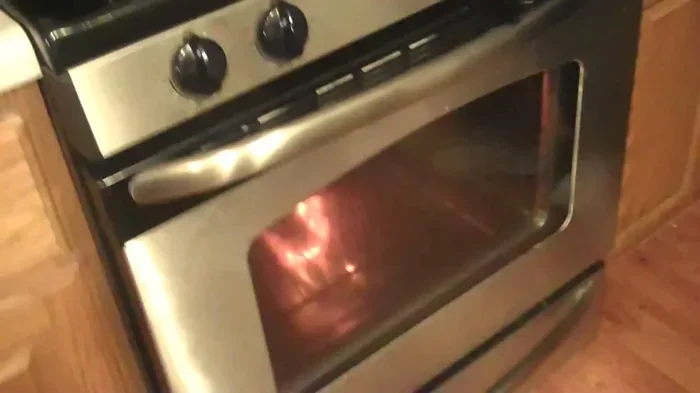
The fire usually starts small. You might see a flicker or a small flame in the oven. But if the grease fire is not addressed, it can spread quickly. This is why removing visible grease before starting the cycle is so important.
Smoke From Food Residue
Even without grease, food residue can cause heavy smoke. The smoke is not a fire itself, but it can trigger your smoke alarm and set off your fire suppression system if you have one. In some cases, the smoke can become so thick that it obscures visibility and makes it hard to monitor the oven.
Electrical Malfunctions
Older ovens are more prone to electrical issues. Wiring can degrade over time, and connections can loosen. During a self cleaning cycle, the oven draws a lot of power. If the electrical system is not in good shape, this extra demand can cause sparks or short circuits.
If your oven is more than 10 years old, it is worth having a professional inspect it before running the self cleaning cycle. A simple check can save you from a bigger problem down the road.
How To Reduce Fire Risk When Using Self Cleaning Mode
You do not need to stop using the self cleaning feature. You just need to be smart about it. Here are practical steps you can take to reduce the fire risk significantly.
Clean The Oven Before You Start
This might sound obvious, but many people skip this step. Before running the self cleaning cycle, take a few minutes to remove large food particles and wipe up visible grease. You do not need to scrub the oven spotless. Just remove anything that could cause a big flare-up.
A damp cloth and a mild cleaner work well for this. Focus on the oven floor, the back wall, and any areas where grease tends to collect. This simple step makes a huge difference.
Open The Kitchen Vent
Good ventilation is your best friend during a self cleaning cycle. Turn on your range hood or open a window. This helps pull smoke and heat out of the kitchen quickly.
If your range hood has a strong fan, use it. If you do not have a hood, opening a window and a door can help create airflow. The goal is to keep smoke from building up in your kitchen.
Stay Home And Stay Alert
Never run the self cleaning cycle and leave the house. The oven needs to be monitored during the entire process. Stay in or near the kitchen so you can respond quickly if something goes wrong.
Keep a fire extinguisher nearby just in case. A small Class B or Class K fire extinguisher works well for grease fires. Make sure you know how to use it before you need it.
Let The Oven Cool Completely
After the self cleaning cycle finishes, the oven stays very hot for a while. Let it cool down completely before opening the door or wiping out the ash. Opening the door too early can let in oxygen, which can reignite any remaining embers.
Wait at least an hour before cleaning out the ash. Use a damp cloth to wipe it away gently. Avoid using water on hot surfaces, as this can damage the oven interior.
Self Cleaning Oven Safety Tips
Beyond the steps above, there are a few general safety tips that apply to all self cleaning ovens. These habits keep your kitchen safe and your oven running well.
- Read your owner’s manual: Every oven model is different. The manual has specific safety instructions and cleaning guidelines for your unit.
- Check the door seal: A damaged door seal lets heat escape and can increase the risk of fire. Inspect it regularly and replace it if needed.
- Keep flammable items away: Oven mitts, towels, and paper products should be kept far from the oven during the cleaning cycle.
- Do not use oven cleaner during pyrolytic cleaning: The extreme heat can cause chemical cleaners to release toxic fumes. The pyrolytic cycle is designed to clean without chemicals.
- Replace old ovens when needed: If your oven is outdated and showing signs of wear, consider upgrading to a newer model with better safety features.
Comparing Self Cleaning Methods: Fire Risk
Not all self cleaning methods carry the same level of risk. Here is a comparison of the two main types to help you understand the differences.
| Feature | Pyrolytic Cleaning | Steam Cleaning |
|---|---|---|
| Temperature | 900°F (482°C) | 250°F (121°C) |
| Fire Risk | Higher | Lower |
| Smoke Production | Heavy smoke | Minimal smoke |
| Cleaning Power | Very strong | Light to moderate |
| Time Required | 2-4 hours | 20-30 minutes |
| Best For | Deep cleaning | Routine maintenance |
As you can see, pyrolytic cleaning is more powerful but also more risky. Steam cleaning is safer but does not handle heavy buildup as well. Many homeowners use both methods together for the best results. Steam cleaning keeps the oven in good shape, and pyrolytic cleaning handles the deep grime a few times a year.
What To Do If Your Oven Cat Fire During Self Cleaning
Even with all the precautions, fires can still happen. Knowing what to do in an emergency can make all the difference.
Step By Step Response
- Turn off the oven: Press the cancel button or switch off the oven at the control panel. This stops the heating element from getting hotter.
- Do not open the door: Opening the door feeds oxygen to the fire, which can make it worse. Keep the door closed.
- Turn off the kitchen vent: This might sound counterintuitive, but cutting off the airflow can help suffocate a small fire inside the oven.
- Use a fire extinguisher if needed: If the fire does not go out on its own, use a fire extinguisher rated for grease fires. Stand back and aim at the base of the fire.
- Call for help if necessary: If the fire spreads or does not go out, leave the house and call emergency services immediately.
The most important thing is to stay calm. Most small oven fires go out on their own once the heat source is removed. But always be ready to call for help if the situation gets out of hand.
Are Certain Oven Brands Safer Than Others?
Some oven brands invest more in safety features than others. Modern ovens often come with built-in protections that reduce the risk of fire during self cleaning. These features include automatic shut-off timers, temperature sensors, and improved insulation.
When shopping for a new oven, look for models with a good safety track record. Read reviews from other homeowners and check for any safety certifications. A higher price tag does not always mean better safety, but it often comes with more advanced features.
Expert Insights On Oven Fire Safety
Fire safety experts agree that self cleaning ovens are generally safe when used as directed. The key is preparation and attention. Here is what the professionals recommend.
“The biggest mistake homeowners make is not cleaning out the oven before running the self cleaning cycle,” says fire safety expert Mark Thompson. “A quick wipe-down before the cycle starts removes the fuel that causes fires.”
Another expert, Sarah Lin from the National Fire Protection Association, adds that “ventilation is critical. Always run your range hood and open windows during the self cleaning process. This prevents smoke from building up and reduces the risk of triggering your fire alarm.”
These simple steps go a long way in keeping your kitchen safe. The self cleaning feature is designed to make your life easier, not harder. Treat it with respect, and it will serve you well.
Signs Your Oven May Be A Fire Hazard
How do you know if your oven is becoming a risk? Watch for these warning signs.
- Excessive smoke during normal cooking: If your oven smokes a lot even when you are not cleaning it, there may be a buildup of grease or debris inside.
- Strange smells when heating: Burning plastic or electrical smells can indicate wiring problems or damaged insulation.
- uneven heating: If some parts of the oven are much hotter than others, the thermostat or heating element may be failing.
- Door seal damage: A cracked or worn door seal lets heat escape and can create hot spots that increase fire risk.
- Frequent tripping of breakers: If the oven keeps tripping your electrical breaker, the wiring may be overloaded or damaged.
If you notice any of these signs, stop using the self cleaning feature and have a professional inspect your oven. Catching problems early prevents bigger issues later.
Key Takeaways
- Self cleaning ovens do carry fire risk: The high heat used in pyrolytic cleaning can ignite grease and food residue if not managed properly.
- Preparation is your best defense: Removing visible grease and food before the cycle starts dramatically reduces fire risk.
- Ventilation is essential: Good airflow prevents smoke buildup and keeps your kitchen safe during the cleaning process.
- Never leave the oven unattended: Staying nearby lets you respond quickly to any smoke or flames.
- Steam cleaning is the safer option: For routine maintenance, steam cleaning uses much lower heat and produces far less smoke.
- Older ovens need extra care: Worn parts and outdated designs increase the chance of malfunction during self cleaning.
- Know your emergency steps: Being prepared for a fire means you can act fast and keep your family safe.
Conclusion
The question “are self cleaning ovens a fire hazard” does not have a simple yes or no answer. The truth is that self cleaning ovens are safe when used correctly. The fire risk is real, but it is also manageable with the right precautions.
Your oven safety depends on three main things: preparation, attention, and maintenance. Clean out visible grease before starting the cycle. Stay in the kitchen while the oven runs. And keep up with regular maintenance to make sure your oven is in good working order.
Do not let the fear of fire stop you from using a convenient feature. Instead, use the knowledge in this guide to clean your oven with confidence. A little care goes a long way in keeping your kitchen safe and your oven running smoothly for years to come.
Take the time to understand your oven’s self cleaning feature. Read the manual, follow the safety tips, and trust your instincts. If something feels wrong, stop and get help. Your kitchen and your family are worth it.
Frequently Asked Questions
Can a self cleaning oven catch fire?
Yes, but it is rare. The fire risk comes mainly from grease or food residue that ignites during the high heat cleaning cycle. Removing visible debris before starting the cycle greatly reduces this risk.
Is it safe to run a self cleaning oven overnight?
No, it is not safe. You should always stay in the kitchen while the self cleaning cycle runs. If something goes wrong, you need to be able to respond immediately.
What should I do if smoke comes from my oven during self cleaning?
Turn on your range hood and open a window. Check for visible flames. If there is no fire, the smoke is usually from burning residue and should clear up. If you see flames, turn off the oven and keep the door closed.
How often should I use the self cleaning feature?
Most manufacturers recommend using the pyrolytic cleaning cycle only a few times a year. For everyday cleaning, wipe down the oven with a mild cleaner after it cools.
Are steam cleaning ovens safer than pyrolytic ovens?
Yes, steam cleaning ovens are generally safer. They use much lower temperatures and produce far less smoke, which reduces the fire risk significantly.
What type of fire extinguisher should I have for oven fires?
A Class B or Class K fire extinguisher works best for grease fires. Keep one in your kitchen and make sure everyone in your household knows how to use it.