Is It Safe To Leave The Oven On Overnight At Your Home
Leaving your oven on overnight is a serious safety risk that many homeowners overlook. Whether you use a gas or electric oven, the dangers include fire hazards, carbon monoxide poisoning, and excessive energy use. This guide covers the real risks, practical safety tips, and expert advice to help you protect your home and family while using your oven safely.
Have you ever walked out of the kitchen and wondered, is it safe to leave the oven on overnight? Maybe you were tired after a long day. Maybe you wanted to keep food warm for the morning. Or perhaps you forgot to turn it off before bed.
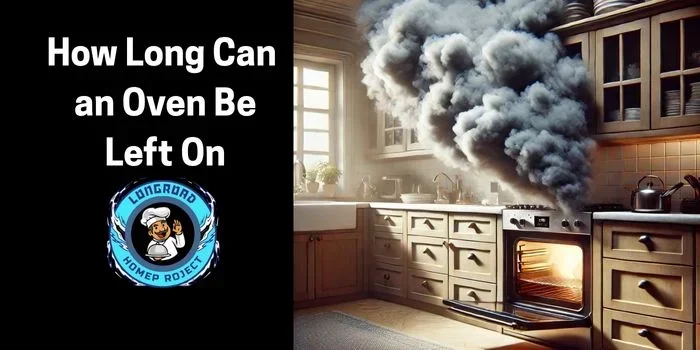
The truth is, leaving your oven running while you sleep is not something to take lightly. Every year, thousands of house fires start in kitchens. Many of them begin because an oven was left on unattended. The risks are real, and they go beyond just fire damage. Carbon monoxide poisoning is another serious danger, especially with gas ovens. In this article, we will break down everything you need to know about oven safety overnight.
We will look at the specific risks for both gas and electric models. We will share practical safety tips you can use right away. And we will answer common questions homeowners have about their ovens. By the end, you will know exactly what to do to keep your home and family safe.
Key Takeaways
- Fire Hazard Risk: Leaving an oven on overnight significantly increases the risk of kitchen fires, especially if food or grease is left inside.
- Carbon Monoxide Danger: Gas ovens left running can produce deadly carbon monoxide gas that builds up in enclosed spaces.
- Energy Waste: Running an oven overnight wastes electricity or gas, raising utility bills unnecessarily.
- Modern Safety Features: Many newer ovens come with auto shut-off and timer functions that reduce some risks.
- Prevention Works: Simple habits like using timers, cleaning your oven regularly, and never storing items inside can prevent accidents.
- Know What To Do: If you realize your oven was left on overnight, act quickly and follow safety steps to protect yourself and your home.
📑 Table of Contents
- What Happens When You Leave The Oven On Overnight
- Gas Oven vs Electric Oven: Which Is Safer For Overnight Use
- Real Risks Of Leaving Your Oven Unattended
- Oven Safety Tips You Should Follow
- Can You Leave The Oven On For Long Periods?
- What To Do If Your Oven Was Left On Overnight
- Expert Insights On Oven Safety
- Common Mistakes People Make With Their Oven
- Final Thoughts
What Happens When You Leave The Oven On Overnight
It is easy to think that nothing bad will happen if you leave the oven on for a few hours. After all, ovens are designed to run for extended periods. But overnight is a different story entirely. When you are asleep, you cannot respond to warning signs like strange smells, smoke, or unusual sounds.
Here is what can actually happen when an oven is left on for many hours while no one is watching.
Fire Risk Increases Over Time
The biggest danger of leaving your oven on overnight is fire. Food left inside can overflow, bubble over, or catch fire. Grease buildup on the oven walls can ignite at high temperatures. Even a small crumb left on the bottom of the oven can start a flame if the temperature is high enough and left long enough.
According to the National Fire Protection Association, cooking equipment causes nearly half of all home fires. Unattended cooking is the leading cause. An oven left on overnight falls directly into this category.
Consider this scenario. You set your oven to 350 degrees Fahrenheit to keep a dish warm. You go to bed. Three hours later, the dish has dried out. The edges have turned black. Grease has splattered on the oven walls. A small flame starts and grows because no one is there to notice it. Within minutes, the fire can spread to cabinets, curtains, or other flammable materials nearby.
Carbon Monoxide Buildup With Gas Ovens
If you have a gas oven, the risks go even further. Gas ovens produce carbon monoxide as a byproduct of combustion. This gas is colorless and odorless. It is often called the silent killer because you cannot see it or smell it.
A gas oven left on overnight in a closed or poorly ventilated home can allow carbon monoxide levels to rise to dangerous amounts. Symptoms of carbon monoxide poisoning include headaches, dizziness, nausea, confusion, and in severe cases, loss of consciousness or death.
The CDC reports that over 400 people die from accidental carbon monoxide poisoning in the United States every year. Many of these incidents involve fuel-burning appliances like gas ovens that were left running in enclosed spaces.
Energy Waste And Higher Bills
Beyond safety concerns, leaving your oven on overnight wastes a significant amount of energy. An average electric oven uses between 2,000 and 5,000 watts per hour. Running it for 8 to 10 hours overnight can cost a surprising amount on your electricity bill. Gas ovens also use natural gas continuously, which adds up over time.
This is pure energy waste. Your oven is not designed to run efficiently for that long without active monitoring. The heat escapes, the thermostat cycles on and off repeatedly, and your energy meter keeps running.
Gas Oven vs Electric Oven: Which Is Safer For Overnight Use
Many people ask whether a gas oven or an electric oven is safer to leave on overnight. The answer is not simple. Both types carry risks, but the risks are different.
Gas Oven Safety Concerns
Gas ovens pose two major risks when left on overnight. First, there is the carbon monoxide issue we just discussed. Second, gas ovens have open flames. If something catches fire inside the oven, the flame can spread more easily. Gas leaks are also a concern, though rare in modern ovens with proper maintenance.
If you have a gas oven, you should never leave it on overnight without taking specific precautions. A carbon monoxide detector in or near the kitchen is absolutely essential.
Electric Oven Safety Concerns
Electric ovens do not produce carbon monoxide. This makes them slightly safer in that regard. However, electric ovens still pose a serious fire risk if left unattended for many hours. The heating elements can malfunction. Food can overheat and ignite. Electrical wiring can overheat in older models.
Electric ovens also consume a lot of electricity when left running for extended periods. This is both costly and inefficient.
Comparison Table
- Gas Oven: Produces carbon monoxide, open flame risk, potential gas leaks, higher fire spread risk, requires CO detector
- Electric Oven: No carbon monoxide, but still high fire risk, high energy consumption, heating element malfunction risk
The bottom line is that neither type of oven is truly safe to leave on overnight without precautions. Both require active safety measures if you must use them for extended periods.
Real Risks Of Leaving Your Oven Unattended
Let us look at the real-world risks in more detail. Understanding these dangers can help you take them seriously and make better safety decisions.
Unattended Cooking And Kitchen Fires
Unattended cooking is the number one cause of kitchen fires. When you leave the room or go to sleep while the oven is on, you lose the ability to react quickly. A small fire can double in size every 30 seconds. By the time you wake up to the smell of smoke, it may be too late.
Items stored near the oven can also catch fire. Dish towels, paper bags, cardboard boxes, and plastic containers placed too close to a hot oven can ignite from radiant heat alone.
Oven Malfunction And Electrical Failure
Older ovens are more prone to malfunction when run for long periods. Thermostats can fail, causing the oven to overheat beyond its set temperature. Wiring can become frayed or damaged over time, creating an electrical fire hazard. Self-cleaning cycles are especially demanding on oven components and should never be left unattended.
Even newer ovens can experience unexpected failures. A faulty control board, a broken fan, or a cracked heating element can all lead to dangerous situations when the oven runs for many hours without supervision.
Pet And Child Safety
If you have pets or young children, leaving the oven on overnight is even more dangerous. Pets may knock over items near the stove. Children may touch hot surfaces or open the oven door. A hot oven door can cause severe burns in seconds.
Keep in mind that many oven doors get very hot to the touch during operation. This is often overlooked by homeowners who assume the oven is safe because it is just sitting there.
Oven Safety Tips You Should Follow
The good news is that you can take simple steps to reduce the risks associated with oven use. These oven safety tips can protect your home and give you peace of mind.
Always Use The Timer
Most modern ovens come with a built-in timer. Use it. Set the timer for the exact amount of time you need the oven on. When the timer goes off, the oven will shut off automatically on most models. This is one of the simplest and most effective oven safety features available.
If your oven does not have an auto shut-off timer, consider using a separate kitchen timer or setting an alarm on your phone. Never rely on your memory alone.
Clean Your Oven Regularly
Grease and food buildup inside the oven is a fire hazard. When these residues are exposed to high heat for long periods, they can ignite. Clean your oven regularly to remove grease, food particles, and spills.
Pay special attention to the bottom of the oven, the heating elements, and the area around the door seal. A clean oven runs more efficiently and is much safer than a dirty one.
Keep Flammable Items Away
Make sure nothing flammable is near your oven while it is running. This includes oven mitts, paper towels, wooden utensils, plastic containers, and dish towels. Keep a clear zone of at least three feet around the oven at all times.
Install A Carbon Monoxide Detector
If you have a gas oven, a carbon monoxide detector is non-negotiable. Install one near the kitchen and on every level of your home. Test it monthly and replace the batteries twice a year.
A CO detector will alert you if gas levels rise to dangerous levels, even while you are asleep. This single device can save your life.
Never Use Your Oven For Heating
Some people use their oven to heat the kitchen or the house during cold weather. This is extremely dangerous. Ovens are not designed for space heating. They can overheat the surrounding area, produce carbon monoxide, and create fire risks.
If you need extra warmth, use a proper space heater designed for that purpose. Never use a kitchen appliance for heating your home.
Check Your Oven Before Bed
Make it a habit to check the oven before you go to bed. Is it turned off? Is there any food left inside? Are there any signs of smoke or unusual smells? This simple 30-second check can prevent disasters.
Add this to your nighttime routine. Just like locking the doors or turning off the lights, checking the oven should become a normal part of your evening habits.
Upgrade To A Modern Oven With Safety Features
If your oven is old, consider upgrading to a newer model with advanced safety features. Many modern ovens include auto shut-off, child locks, smart connectivity, and built-in fire suppression systems. These features add layers of protection that older models simply do not have.
Look for ovens with automatic shut-off timers, temperature sensors, and cool-touch doors. These features make a real difference in preventing accidents.
Can You Leave The Oven On For Long Periods?
The short answer is no, not without supervision. Ovens are designed for cooking, not for running continuously for many hours. While some recipes do require long cooking times, such as slow roasts or braises, these should be monitored.
If you need to keep food warm for several hours, consider using a slow cooker, a warming drawer, or a microwave instead. These appliances are designed for extended use and are much safer for unattended operation.
Here is a quick comparison of common kitchen appliances for long-duration use.
- Oven: High heat, fire risk, not recommended for unattended long use
- Slow Cooker: Low heat, designed for long cooking, much safer for unattended use
- Warming Drawer: Low temperature, safe for keeping food warm for hours
- Microwave: Quick and energy-efficient, safe for reheating food for short periods
Using the right appliance for the right job is one of the best oven safety habits you can develop.
What To Do If Your Oven Was Left On Overnight
If you wake up and realize your oven was left on overnight, do not panic. Follow these steps carefully to ensure your safety.
Step 1: Do Not Open The Oven Door Immediately
Opening the oven door can introduce a rush of oxygen that feeds a potential fire. If there is a fire inside, opening the door can make it worse. Keep the door closed for now.
Step 2: Turn Off The Oven
Go to the oven controls and turn it off. If the oven is a gas model, also turn off the gas supply valve. This stops the heat and the fuel source.
Step 3: Ventilate The Room
Open windows and doors to let fresh air in. This is especially important for gas ovens, as it helps dissipate any carbon monoxide that may have built up.
Step 4: Check For Signs Of Fire Or Smoke
Look through the oven window for any signs of fire or smoke. If you see smoke but no flame, the oven may just have burnt food. If you see flames, do not attempt to open the door.
Step 5: Use A Fire Extinguisher If Needed
If there is a small fire and you are confident you can handle it safely, use a Class B or Class K fire extinguisher. Never use water on a grease fire or an electrical fire.
Step 6: Call For Help If Necessary
If you see significant fire, heavy smoke, or smell gas strongly, leave the house immediately and call emergency services. Do not try to handle a large fire on your own.
After the situation is resolved, inspect the oven for damage. Have a professional technician check it before using it again if you suspect any malfunction.
Expert Insights On Oven Safety
Fire safety experts consistently emphasize that unattended cooking is the leading cause of preventable home fires. The U.S. Fire Administration recommends never leaving the oven on when you leave the house or go to sleep.
Home safety professionals also stress the importance of having working smoke detectors on every floor of the home. A smoke detector can alert you to a fire within seconds, giving you precious time to escape safely.
Many fire departments offer free home safety inspections. Consider contacting your local fire department to learn more about oven safety and fire prevention in your home.
Expert tip: Place a fire extinguisher in or near the kitchen. Make sure everyone in your household knows where it is and how to use it. A fire extinguisher can mean the difference between a small incident and a devastating loss.
Common Mistakes People Make With Their Oven
Avoiding common mistakes can significantly improve your oven safety. Here are some habits to break.
- Leaving the oven on when you leave the house: Even for a short trip, turn the oven off before you leave.
- Using the oven to heat the room: This is dangerous and inefficient. Use a proper heater instead.
- Ignoring strange smells or sounds: Unusual odors or noises from the oven can signal a problem. Investigate immediately.
- Not maintaining your oven: Regular cleaning and professional maintenance keep your oven running safely.
- Overloading the oven: Overcrowding the oven can block airflow and cause uneven heating or fires.
- Skipping the self-cleaning cycle supervision: Self-cleaning cycles reach very high temperatures and should never be left unattended.
Breaking these habits takes effort, but the payoff is a much safer home and greater peace of mind.
Final Thoughts
The question, is it safe to leave the oven on overnight, has a clear answer. It is not safe without proper precautions and supervision. The risks of fire, carbon monoxide poisoning, and energy waste are too significant to ignore.
But here is the good news. By following the oven safety tips in this guide, you can dramatically reduce those risks. Use your timer. Clean your oven regularly. Install a carbon monoxide detector. And never use your oven for anything other than its intended purpose.
Your home and your family deserve the best protection you can provide. Take oven safety seriously. Make it a daily habit, not an afterthought. A few minutes of prevention can save you from hours of disaster recovery, expensive repairs, or worse.
Stay safe, stay aware, and never underestimate the power of a simple safety check before you close your eyes for the night.
Frequently Asked Questions
Can I leave my oven on at 200 degrees overnight?
Even at a low temperature like 200 degrees, leaving your oven on overnight is not recommended. The fire risk, energy waste, and potential for malfunction still exist. Use a slow cooker or warming drawer instead if you need to keep food warm for an extended period.
What should I do if I smell gas from my oven overnight?
If you smell gas, do not turn on or off any electrical switches. Open windows and doors immediately to ventilate the area. Leave the house and call your gas company or emergency services from outside. Do not re-enter the home until professionals have cleared it.
Do modern ovens have auto shut-off features?
Many modern ovens come with auto shut-off timers and other safety features. However, not all models include this capability. Check your oven manual or contact the manufacturer to confirm whether your specific model has an auto shut-off function.
How can I prevent oven fires at home?
To prevent oven fires, clean your oven regularly to remove grease and food buildup, never leave the oven unattended for long periods, keep flammable items away from the oven, and use the timer or auto shut-off feature whenever possible.
Is it safe to use the self-cleaning cycle and walk away?
No, the self-cleaning cycle should never be left unattended. This cycle heats the oven to extremely high temperatures, which can pose a fire risk if something goes wrong. Stay home and monitor the cycle until it is complete.
What type of fire extinguisher should I have in the kitchen?
A Class K fire extinguisher is ideal for kitchen fires involving cooking oils and fats. A Class B extinguisher also works well for grease fires. Make sure your extinguisher is easily accessible and that everyone in your household knows how to use it.