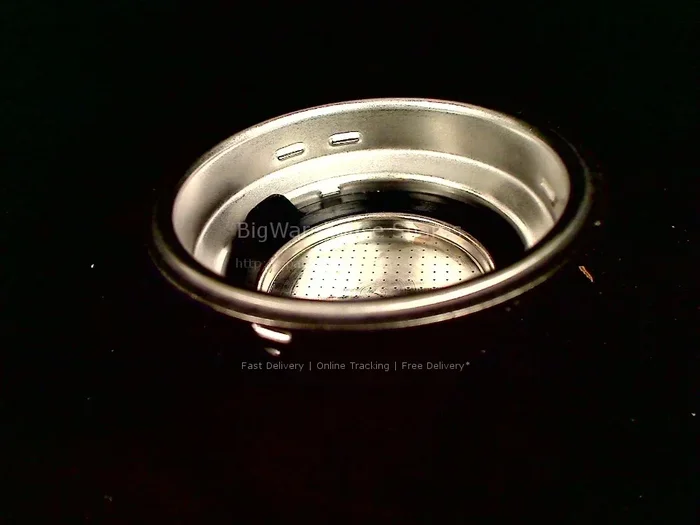
Delonghi Coffee Machine Filter Replacement Made Simple
Replacing your Delonghi coffee machine filter is easier than you think and essential for great-tasting coffee. This guide walks you through every step, from knowing when to replace it to choosing the right filter cartridge. You will learn practical tips, common mistakes, and expert advice to keep your machine running at its best.
There is nothing quite like a perfect cup of coffee made with your Delonghi machine at home. But here is something many coffee lovers overlook: the small filter inside your machine plays a huge role in how your coffee tastes. If you have noticed your morning brew tasting a bit off lately, the filter might be the culprit.
In this guide, we will walk you through Delonghi coffee machine filter replacement step by step. Whether you own a Delonghi espresso machine, a filter coffee maker, or a combo unit, this guide covers everything you need. We will explain why filters matter, how often to change them, and exactly how to do it without any fuss. By the end, you will feel confident handling this simple maintenance task on your own.
Key Takeaways
- Regular filter replacement keeps your coffee tasting fresh and removes unwanted tastes and odors from your water.
- Most Delonghi filters need replacement every 2 months or after 60 brew cycles, whichever comes first.
- The replacement process takes just minutes and requires no special tools or technical skills.
- Using the wrong filter type can damage your machine and affect brew quality, so always match your model.
- Skipping filter changes leads to limescale buildup and can shorten the lifespan of your Delonghi machine.
- Pairing filter replacement with regular descaling gives you the best long-term results for coffee quality.
📑 Table of Contents
- Why Filter Replacement Matters for Delonghi Machines
- How to Know When Your Delonghi Filter Needs Replacing
- Step-by-Step Delonghi Filter Replacement Guide
- Choosing the Right Filter for Your Delonghi Machine
- Common Mistakes to Avoid When Replacing Your Filter
- Expert Tips for Maximizing Filter Life and Coffee Quality
- How Filter Replacement Improves Your Coffee Experience
- Frequently Asked Questions About Delonghi Filter Replacement
- Conclusion
Why Filter Replacement Matters for Delonghi Machines
Your Delonghi coffee machine works hard every day to deliver that perfect cup. But tap water contains chlorine, minerals, and tiny particles that can affect both the taste of your coffee and the health of your machine. The water filter inside your Delonghi acts as a protective barrier, trapping these impurities before they reach your cup.
Over time, the filter becomes saturated with contaminants. It loses its ability to clean the water effectively. When that happens, you may notice a stale or metallic taste in your coffee. More importantly, unfiltered water can cause limescale to build up inside the machine, leading to performance issues and even breakdowns.
Replacing your filter on schedule is one of the simplest ways to protect your investment. A fresh Delonghi water filter ensures cleaner water, better-tasting coffee, and a machine that runs smoothly for years. Think of it as a small effort that pays off in a big way.
The Science Behind Coffee Water Filtration
Water makes up more than 98 percent of a cup of coffee. So the quality of your water directly impacts the flavor profile of every brew. Hard water with high mineral content can cause scale deposits inside the heating elements and tubing of your machine. Chlorine and chloramine, commonly found in municipal water supplies, add an unpleasant chemical taste that no coffee bean can mask.
Delonghi filters use activated carbon and ion-exchange resin to address these issues. The activated carbon absorbs chlorine and organic compounds that affect taste and smell. The ion-exchange resin softens the water by replacing calcium and magnesium ions with sodium ions. Together, these materials create a filtration system that keeps your coffee tasting clean and your machine protected from scale buildup.
How to Know When Your Delonghi Filter Needs Replacing
Timing is everything when it comes to Delonghi coffee machine filter replacement. Changing your filter too early wastes money, but waiting too long can harm your machine. So how do you know the right time?
Most Delonghi machines come with a filter replacement indicator. This light or display message tells you when it is time to swap out the old cartridge. If your machine has this feature, it is your best guide. However, not all models include an electronic indicator, so you should also watch for these clear signs:
- Your coffee tastes different. A change in flavor, especially a chlorine taste or metallic notes, often signals a worn-out filter.
- Your brew takes longer than usual. Clogged or saturated filters can restrict water flow and slow down the brewing process.
- You notice limescale deposits. White or chalky buildup around the water tank or spout means your filter is no longer doing its job.
- It has been more than two months. As a general rule, Delonghi recommends replacing the filter every 60 brew cycles or every two months.
- The water smells off. If your filtered water has an unpleasant odor, the filter cartridge is likely exhausted.
Paying attention to these signals helps you stay ahead of problems. Catching a worn filter early prevents bigger issues down the road, like scale damage to the internal components of your machine.
Understanding the Delonghi Filter Indicator Light
If your Delonghi machine has a filter indicator, it uses a simple counter to track your brewing cycles. Each time you make coffee, the counter increments. When it reaches the recommended number, the light turns on or flashes, reminding you to replace the filter. Resetting the indicator after a new filter is installed is usually as simple as pressing and holding a button for a few seconds. Check your user manual for model-specific instructions on how to reset the Delonghi filter indicator.
Step-by-Step Delonghi Filter Replacement Guide
Now for the part you have been waiting for. Replacing your Delonghi coffee machine filter is straightforward and takes less than five minutes. Follow these steps and you will have a fresh filter in no time.
Step 1: Gather Your Supplies
Before you start, make sure you have everything you need:
- A new Delonghi water filter cartridge compatible with your machine model
- Clean water for rinsing
- A clean cloth or towel
- Your Delonghi user manual (helpful but not required)
You can purchase replacement filters directly from Delonghi or from authorized retailers. Make sure the filter matches your specific machine model. Using the wrong filter can lead to poor fit and ineffective filtration.
Step 2: Prepare the New Filter
Take your new filter cartridge out of the packaging. Drop it into a bowl of clean water and let it soak for about fifteen minutes. This step activates the filter media and removes any air trapped inside the cartridge. After soaking, rinse the filter under running water for a few seconds to remove any loose carbon dust.
Step 3: Remove the Old Filter
Open the water tank of your Delonghi machine. Locate the old filter cartridge inside the tank. Depending on your model, the filter may sit in a dedicated holder at the bottom or back of the tank. Twist or pull the old filter gently to release it. Dispose of the used filter properly. It is not recyclable in most cases, so throw it in your regular household waste.
Step 4: Insert the New Filter
Take your soaked and rinsed new filter and place it into the filter holder. Push it in firmly until it clicks or sits snugly in place. Make sure it is seated correctly and not tilted. A properly fitted filter ensures optimal water flow and filtration performance.
Step 5: Reset the Filter Indicator
If your machine has a filter replacement indicator, now is the time to reset it. Refer to your user manual for the specific button combination or procedure. Usually, holding down a single button for three to five seconds does the trick. Once reset, the indicator will begin tracking the new filter cycle from zero.
Step 6: Run a Test Brew
Fill the water tank with fresh, clean water. Run a brew cycle without any coffee grounds first. This flushes the new filter and clears any remaining carbon dust from the system. Discard this first brew. Your machine is now ready to make great-tasting coffee with a fresh filter in place.
Quick Tip: Always run at least one flush cycle after installing a new filter. This simple habit removes carbon residue and ensures your first real cup of coffee tastes its absolute best.
Choosing the Right Filter for Your Delonghi Machine
Not all Delonghi machines use the same filter. Choosing the correct filter cartridge is essential for proper fit and effective water filtration. Using the wrong filter can lead to poor water flow, inadequate filtration, or even damage to the machine.
Delonghi Filter Models and Compatibility
Delonghi offers several filter types designed for different machine lines. The most common ones include:
- Delonghi ECM filter cartridges: These are the standard filters used in most Delonghi filter coffee machines and combo units. They fit models in the ECAM, ECP, and ECF series.
- Delonghi EcoDecalk filters: Designed specifically for machines that also require descaling. These filters combine filtration with scale prevention.
- Delonghi specialist filters: Some premium models use proprietary filter designs. Always check your machine model number before purchasing a replacement.
Finding the right filter is easy. Look at the model number on the back or bottom of your Delonghi machine. Then visit the Delonghi website or check the product packaging to confirm compatibility. When in doubt, contact Delonghi customer support for assistance. They can quickly match the correct filter to your specific machine.
Third-Party vs. Genuine Delonghi Filters
You may find cheaper third-party filters online or in stores. While they can work, genuine Delonghi filters are engineered specifically for your machine. They meet the exact specifications for flow rate, filtration media, and fit. Using a genuine Delonghi water filter ensures the best results and helps maintain your warranty. If you choose a third-party option, make sure it is from a reputable brand and matches the dimensions and specifications of your original filter.
Common Mistakes to Avoid When Replacing Your Filter
Even though Delonghi coffee machine filter replacement is simple, some common mistakes can reduce its effectiveness or even harm your machine. Here are the pitfalls to watch out for:
- Forgetting to soak the new filter. Skipping the soaking step means air pockets inside the cartridge, which reduces filtration efficiency and can affect water flow.
- Not resetting the filter indicator. If you do not reset the counter, the machine will keep reminding you to replace the filter even after you have done so.
- Using a filter past its expiration date. Old filter cartridges stored in a warehouse may have dried-out media that does not activate properly when soaked.
- Replacing the filter too infrequently. Some people stretch the filter life to four or even six months. This allows contaminants and scale to build up, potentially causing permanent damage.
- Ignoring the water quality in your area. If you live in an area with very hard water, your filter may need to be replaced more frequently than the standard two-month interval.
- Skipping the flush cycle after installation. The first brew after a new filter should always be discarded to clear out any residual carbon particles.
Avoiding these mistakes keeps your machine in top shape and your coffee tasting great every single morning.
What Happens If You Never Replace Your Filter?
Some coffee lovers wonder if they can skip filter replacement altogether. The short answer is no. Without a functioning filter, chlorine, minerals, and sediment pass directly into your coffee. Over time, scale builds up inside the heating element and pipes. This reduces heating efficiency, increases energy consumption, and can eventually cause the machine to fail. In short, skipping filter replacement costs you more in repairs and replacements than the price of a new filter every two months.
Expert Tips for Maximizing Filter Life and Coffee Quality
Want to get the most out of every filter replacement? Here are some expert-backed tips that go beyond the basics.
Pair Filter Replacement with Regular Descaling
Filter replacement and descaling are two separate but complementary maintenance tasks. The filter removes impurities and softens the water to prevent scale. Descaling removes existing limescale deposits from inside the machine. For the best results, replace your Delonghi filter every two months and descale your machine every three to six months, depending on your water hardness. Using Delonghi EcoDecalk descaling solution ensures your machine stays in peak condition.
Store Filters Properly
If you buy filters in bulk, store them in a cool, dry place away from direct sunlight. Moisture and heat can degrade the filter media before you even use it. Keep the packaging sealed until you are ready to use the filter. Proper storage extends the shelf life and ensures each cartridge performs at its best when installed.
Use Filtered Water for the Best Results
Even with a good filter, starting with already-filtered water gives your machine an extra layer of protection. If your tap water is particularly hard or chlorinated, consider using a household water filter pitcher to pre-filter the water you put into your Delonghi machine. This reduces the workload on the internal filter and extends its effective life.
Keep a Replacement Schedule
Set a reminder on your phone or mark your calendar every two months. Consistent filter replacement becomes a habit once you build a routine. Many coffee enthusiasts pair their filter change with a monthly task, like cleaning the milk frother or wiping down the exterior. This makes maintenance feel less like a chore and more like part of the coffee ritual.
How Filter Replacement Improves Your Coffee Experience
The difference a fresh filter makes in your daily coffee is remarkable. Here is what you can expect after replacing your Delonghi coffee machine filter:
- Cleaner, purer taste: Without chlorine and mineral interference, the true flavors of your coffee beans shine through.
- Better crema on espresso: Clean water creates better extraction, resulting in a richer, more stable crema layer.
- Longer machine lifespan: Reduced scale buildup means fewer breakdowns and lower repair costs over time.
- Improved brewing consistency: A clean filter ensures steady water flow, so every cup tastes the same as the last.
- Healthier coffee: Removing impurities from your water means fewer contaminants in every cup you drink.
These benefits add up quickly. After just one filter replacement, most people notice a clear improvement in the taste and quality of their coffee. It is one of the easiest and most affordable upgrades you can make to your daily routine.
The Cost of Neglecting Filter Maintenance
A Delonghi replacement filter typically costs between 5 and 15 euros, depending on the model and where you purchase it. Compare that to the cost of a professional repair or a replacement machine. A neglected filter can lead to scale damage that requires expensive descaling services or, in severe cases, a complete machine replacement. Investing in regular filter changes is the smartest financial decision you can make for your coffee setup.
Think about it this way. A quality cup of specialty coffee from a cafe might cost you 4 to 5 euros. A fresh filter for your Delonghi machine costs less than that and lasts for weeks of brewing. The return on investment is enormous when you consider how many cups of coffee you enjoy at home.
Frequently Asked Questions About Delonghi Filter Replacement
Still have questions about Delonghi coffee machine filter replacement? Here are answers to some of the most common questions we hear.
Can I clean and reuse my Delonghi water filter?
No, Delonghi water filters are designed for single use only. The activated carbon and ion-exchange media become saturated with contaminants over time and cannot be effectively cleaned or regenerated. Reusing an old filter compromises water quality and offers no real benefit. Always install a fresh cartridge for the best results.
How long does a Delonghi filter last?
Delonghi recommends replacing the filter every 60 brew cycles or every two months, whichever comes first. If you brew multiple cups daily, you may reach 60 cycles faster. If you only brew occasionally, the two-month timeframe still applies as a maximum. Hard water conditions may require more frequent replacement.
What happens if I do not replace my Delonghi filter?
Skipping filter replacement allows chlorine, minerals, and sediment to pass through into your coffee, affecting taste and aroma. Over time, scale builds up inside the heating element and water pathways, reducing efficiency and potentially causing permanent damage. Your machine may also produce louder noises and take longer to heat up.
Can I use any Delonghi filter in any Delonghi machine?
No, not all Delonghi filters fit all Delonghi machines. Different models require different filter sizes and designs. Always check your machine model number and match it to the correct filter cartridge. Using an incompatible filter can lead to poor fit, leaks, and inadequate filtration.
Do I need to descale my machine if I replace the filter regularly?
Yes, filter replacement and descaling serve different purposes. The filter prevents scale from forming by softening the water, but it does not remove existing scale deposits. Descaling clears out any scale that has already built up inside the machine. For optimal performance, do both on a regular schedule.
Where can I buy genuine Delonghi replacement filters?
You can purchase genuine Delonghi filters from the official Delonghi website, authorized retailers, and most major online marketplaces. Always verify the seller is authorized to avoid counterfeit products. Buying from trusted sources ensures you get a genuine filter that meets Delonghi quality standards.
Conclusion
Delonghi coffee machine filter replacement is one of the simplest yet most impactful maintenance tasks you can perform. It takes just a few minutes, costs very little, and delivers noticeable improvements in coffee taste and machine performance. By replacing your filter every two months, soaking the new cartridge properly, and resetting the indicator, you keep your Delonghi machine running at its absolute best.
Remember to pair filter changes with regular descaling and use only compatible, genuine Delonghi filters. Avoid the common mistakes outlined in this guide, and your machine will reward you with consistently great coffee for years to come. A little maintenance goes a long way when it comes to your daily coffee ritual.
Now that you know exactly how to handle Delonghi coffee machine filter replacement, there is no reason to wait. Check your filter today and make your next brew the best one yet. Your taste buds and your machine will thank you.