How To Properly Dispose Of French Press Coffee Grounds
Disposing of French press coffee grounds the right way keeps your kitchen clean and helps the environment. This guide covers everything from composting and trash disposal to cleaning your French press and reusing grounds in creative ways. You will learn simple, practical methods that fit any lifestyle.
If you brew coffee with a French press every morning, you know the feeling. You press down the plunger, pour your cup, and then you are left with a pile of wet, gritty grounds at the bottom of the carafe. It is a small moment in your day, but what you do with those grounds matters more than you might think.
How to dispose of French press coffee grounds is a question many coffee lovers overlook. Some people scoop them straight into the trash without a second thought. Others rinse them down the sink, not realizing the damage it can cause. The truth is, there are better ways to handle used coffee grounds. And the good news is, most of them are simple, free, and better for the planet.
In this guide, we walk you through every practical method for getting rid of your French press coffee grounds. We also cover how to clean your press properly, how to reuse grounds creatively, and the common mistakes people make. Whether you are a casual coffee drinker or a daily brewing enthusiast, this article has something useful for you.
Key Takeaways
- Composting is the best eco-friendly option: Used French press grounds enrich soil and reduce kitchen waste naturally.
- Never dump grounds down the drain: Coffee grounds can clog pipes and cause serious plumbing issues over time.
- Cleaning your French press regularly prevents buildup: A simple routine keeps your press working perfectly and extends its lifespan.
- There are many creative ways to reuse coffee grounds: From odor removal to skin exfoliation, used grounds have surprising second-life uses.
- Proper disposal starts with understanding your options: Knowing what works best for your household makes the process easy and effortless.
📑 Table of Contents
- Understanding French Press Coffee Grounds
- Why Proper Disposal of Coffee Grounds Matters
- Methods for Disposing of French Press Coffee Grounds
- Cleaning Your French Press After Use
- Creative Ways to Reuse French Press Coffee Grounds
- Common Mistakes People Make When Disposing of Coffee Grounds
- Final Thoughts on Disposing of French Press Coffee Grounds
Understanding French Press Coffee Grounds
Before we dive into disposal methods, it helps to understand what you are working with. French press coffee grounds are different from other types of coffee waste. They are wet, dense, and full of fine particles. This texture makes them tricky to handle and even trickier to dispose of improperly.
What Makes French Press Grounds Unique
A French press uses a metal mesh filter. This means the grounds stay in contact with water for a longer time compared to drip coffee makers. The result is a richer, fuller cup of coffee. But it also means the leftover grounds are heavier and more saturated with water and oils.
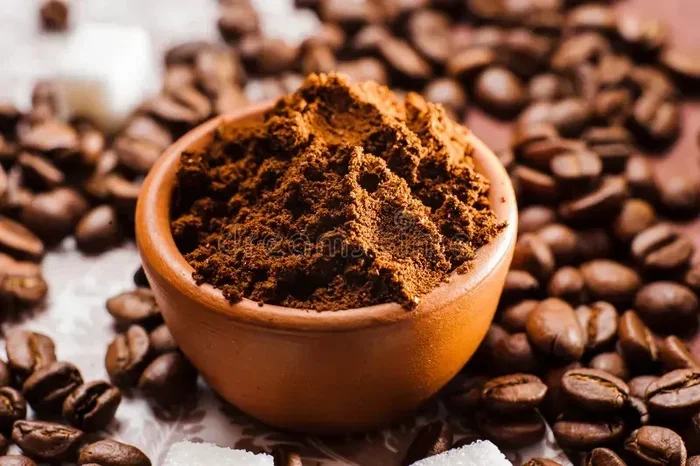
These grounds contain organic matter, caffeine residue, and natural oils. When they pile up, they can smell strong and attract pests if not handled correctly. Understanding this helps you see why proper coffee ground disposal is so important.
How Much Waste Do You Produce?
A single French press uses about two tablespoons of ground coffee per cup. If you brew one press every morning, that adds up to roughly 140 grams of used grounds per week. Over a year, that is more than 7 kilograms of coffee waste. Think about that the next time you toss those grounds in the bin without a thought.
Multiply that by the millions of French press users worldwide, and you start to see the scale of the problem. Used coffee grounds waste is a real environmental concern. But the good news is, each person can make a big difference with small changes.
Why Proper Disposal of Coffee Grounds Matters
Throwing coffee grounds in the trash might seem harmless. But the way you dispose of them has real consequences. From your plumbing to the environment, the choice matters more than most people realize.
Environmental Impact
When coffee grounds end up in landfills, they break down without oxygen. This creates methane, a greenhouse gas that is far more harmful than carbon dioxide. In fact, methane from organic waste in landfills contributes significantly to climate change.
On the other hand, composting coffee grounds turns waste into something valuable. The nutrients in used coffee grounds feed the soil and help plants grow. It is one of the easiest ways to practice sustainable coffee practices at home.
Plumbing and Drain Problems
This is a big one. Coffee grounds may look like fine powder, but they are actually gritty and clumpy. When you rinse them down the drain, they stick to the inside of your pipes. Over time, they build up and cause blockages.
Even garbage disposals struggle with coffee grounds. The fine particles can clog the blades and create a paste-like substance that sticks to everything. If you have ever had a slow drain or a backed-up sink, coffee grounds might be the culprit. Proper coffee waste management means keeping those grounds out of your plumbing entirely.
Pest Control Concerns
Used coffee grounds have a strong, lingering smell. In your kitchen trash, that smell can attract fruit flies, ants, and even cockroaches. If you store grounds in an open container before disposal, the problem gets worse. Learning how to handle and dispose of grounds properly keeps your kitchen pest-free.
Methods for Disposing of French Press Coffee Grounds
Now that you understand why proper disposal matters, let us look at the best methods. Each approach has its own benefits, and you might find that a combination works best for your household.
Method 1: Composting
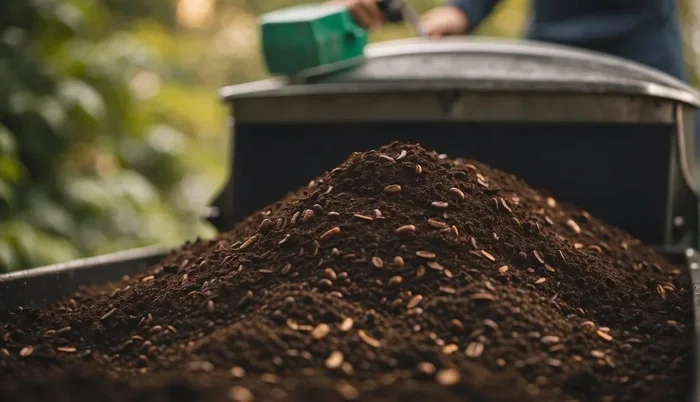
Composting is hands-down the best way to dispose of French press coffee grounds. Coffee grounds are rich in nitrogen, which makes them a perfect “green” material for your compost pile. They also contain phosphorus, potassium, and other minerals that plants love.
Here is how to do it simply:
- Collect the used grounds in a small container in your kitchen.
- Add the grounds to your outdoor compost bin or pile.
- Mix them with “brown” materials like dried leaves or paper towels.
- Turn the compost regularly to help the grounds break down faster.
Within a few weeks, the coffee grounds will turn into dark, nutrient-rich compost. You can use this in your garden, houseplant pots, or even a small herb patch on your windowsill. Coffee grounds composting is simple, free, and one of the most eco-friendly disposal methods available.
Can you compost coffee grounds directly in garden soil? Yes, you can. Scatter a thin layer around plants and mix it into the topsoil. Just avoid piling grounds directly against plant stems, as this can cause mold.
Method 2: Trash Disposal
If you do not compost, the next best option is throwing grounds in the trash. This is straightforward, but there are a few tips to keep it from getting messy or smelly.
- Let the grounds cool and dry slightly before bagging them.
- Use a small compostable bag or wrap them in newspaper first.
- Seal the bag tightly before placing it in your kitchen bin.
- Take out the trash regularly to prevent odor buildup.
Drying the grounds first is a game changer. Wet grounds stay soggy and smell stronger. A quick spread on a plate for a few hours does the trick. This simple step makes kitchen waste disposal much more pleasant.
Method 3: Repurposing Around the House
Used coffee grounds have surprising uses around the home. Instead of throwing them away, you can put them to work in several clever ways.
Odor absorption: Place dried coffee grounds in an open bowl in your fridge. They absorb food odors naturally, working just like baking soda. This is one of the easiest and most effective coffee grounds odor removal tricks.
Natural scrub: Mix used grounds with a little soap or coconut oil to create a gentle exfoliating scrub for your hands. The fine texture works wonders on rough skin. It is a great example of eco-friendly disposal that doubles as a DIY beauty treatment.
Garden mulch: Sprinkle used grounds around outdoor plants as a natural mulch. They help retain moisture in the soil and slowly release nutrients as they break down.
Method 4: Municipal Green Waste Programs
Many cities now offer green waste collection programs. These programs accept organic materials like food scraps and coffee grounds and turn them into compost at a commercial facility. Check with your local waste management department to see if this service is available in your area.
If it is, simply collect your grounds in a separate container and place them in the green bin on collection day. This is one of the easiest forms of coffee waste management because it requires zero effort on your part beyond separation.
Cleaning Your French Press After Use
Proper disposal starts with a clean press. If you do not clean your French press regularly, old grounds build up and affect the taste of every new cup you brew. A good cleaning routine also prevents residue from clogging the mesh filter over time.
Daily Cleaning Routine
After each use, follow these simple steps:
- Remove the plunger and set it aside.
- Pour the used grounds and leftover coffee into a compost bin or trash container.
- Rinse the carafe and plunger with warm water.
- Use a soft brush to scrub the mesh filter gently.
- Let everything air dry before reassembling.
This daily habit takes less than a minute and keeps your French press in great shape. It also prevents the buildup of old coffee residue that can turn rancid and affect flavor.
Deep Cleaning Weekly
Once a week, give your French press a more thorough cleaning. Disassemble all removable parts, including the mesh filter and the plunger assembly. Soak them in warm, soapy water for 15 to 20 minutes.
Use a bottle brush to reach into tight corners and remove any stuck-on grounds. For the carafe, a mixture of baking soda and warm water works wonders on stubborn stains. Rinse everything thoroughly and let it dry completely before putting it back together.
Keeping your French press clean is part of French press maintenance and ensures your coffee tastes fresh every time. Think of it the same way you would care for any kitchen tool you use daily.
Common Cleaning Mistakes to Avoid
Many people make mistakes when cleaning their French press that shorten its lifespan. Here are a few to watch out for:
- Using abrasive sponges: These scratch the glass carafe and damage the mesh filter over time.
- Soaking the plunger in water too long: This can loosen the seal and cause leaks.
- Dishwasher use: Most French press manufacturers recommend hand washing only. The high heat and harsh detergent in dishwashers can degrade the components.
- Skipping the filter cleaning: A clogged filter slows down brewing and makes it harder to press the plunger smoothly.
If you need help cleaning other kitchen appliances, check out our guide on how to clean a Cosori air fryer toaster oven for more kitchen cleaning tips that apply across your entire kitchen setup.
Creative Ways to Reuse French Press Coffee Grounds
Before you throw away your used grounds, consider whether they could serve a second purpose. Reusing coffee grounds is one of the most rewarding forms of eco-friendly disposal. It reduces waste and saves you money on other products.
In the Kitchen
Used coffee grounds can add depth of flavor to certain recipes. They work especially well in savory rubs for meats. The natural acidity and bitterness balance sweet and salty flavors beautifully.
You can also mix coffee grounds into brownie batter or chocolate cookies for a rich, mocha-like flavor. Just make sure the grounds are finely strained so they do not create a gritty texture in your baked goods.
In the Garden
Gardeners love coffee grounds. They are a natural source of nitrogen and help improve soil structure. You can mix them directly into potting soil for indoor plants or spread them around the base of outdoor shrubs and flowers.
Coffee grounds also attract earthworms, which are excellent for soil health. Worms break down organic matter and create nutrient-rich castings that benefit your plants. If you have a compost bin, adding coffee grounds accelerates the decomposition process.
For more information on using soil effectively, you might enjoy our article on how to sterilize soil in the oven, which covers another important aspect of garden soil preparation.
Around the Home
Beyond the kitchen and garden, used coffee grounds have several household uses:
- Refrigerator deodorizer: Place dried grounds in a small bowl and leave it in your fridge for a week.
- Hand scrub: Rub dried grounds over your hands after chopping garlic or onions to remove stubborn odors.
- Furniture scratch filler: Mix grounds with a little water and rub into small scratches on dark wood furniture.
- Natural dye: Use grounds to stain fabric or paper for craft projects.
These uses give your coffee grounds a second life and keep them out of the landfill. It is a win-win for your wallet and the environment.
Common Mistakes People Make When Disposing of Coffee Grounds
Even well-meaning coffee lovers make mistakes when it comes to getting rid of their grounds. Avoiding these errors saves you time, money, and potential headaches.
Mistake 1: Pouring Grounds Down the Sink
This is the most common and damaging mistake. Coffee grounds may seem fine when wet, but they clump together as they dry inside your pipes. Over weeks and months, this buildup creates stubborn clogs that are expensive and difficult to fix.
Even if you run hot water after pouring grounds down the drain, the problem persists. Hot water does not dissolve coffee grounds. It simply moves them further into your plumbing system where they accumulate.
Mistake 2: Using Too Much Grounds in Compost
Composting is great, but balance matters. Coffee grounds are high in nitrogen. If you add too many without enough carbon-rich “brown” materials like dried leaves or cardboard, your compost becomes too wet and acidic. This slows decomposition and can create a foul smell.
A good rule of thumb is to keep coffee grounds to no more than 20 percent of your total compost volume. Mix them well with brown materials for the best results.
Mistake 3: Storing Grounds in an Open Container
If you plan to reuse or compost your grounds later, do not leave them sitting in an open bowl. They develop mold quickly, especially in warm and humid kitchens. Store them in a sealed container in the refrigerator if you are not using them right away.
This also prevents the strong coffee smell from spreading throughout your kitchen. Proper coffee grounds storage is an underrated part of responsible disposal.
Mistake 4: Ignoring the French Press Itself
Disposing of the grounds is only half the equation. If you do not clean your French press properly, old grounds build up in the filter and carafe. This affects the taste of your next brew and can lead to mold growth. A consistent cleaning routine makes disposal easier and keeps your equipment in top shape.
Final Thoughts on Disposing of French Press Coffee Grounds
Properly disposing of French press coffee grounds is easier than most people think. Whether you choose to compost, toss them in the trash, or find creative reuse ideas, the key is to avoid the drain at all costs. A little awareness goes a long way toward reducing kitchen waste and protecting your plumbing.
Start with one simple change today. Maybe it is setting up a small compost bin on your counter. Or perhaps it is drying your grounds before bagging them for the trash. Whatever you choose, the impact adds up over time. Every scoop of grounds handled responsibly is a small step toward a cleaner kitchen and a healthier planet.
Make it a habit. Once it becomes part of your morning routine, you will not even think about it. And your future self, your plumbing, and the environment will all thank you.
Frequently Asked Questions
Can I put French press coffee grounds down the garbage disposal?
It is best to avoid this. Coffee grounds are gritty and tend to clump together, which can clog your disposal blades and pipes over time. Even though garbage disposals are designed to handle food waste, coffee grounds are one of the worst items to put down them. Stick to composting or trash disposal instead.
How long do used French press coffee grounds last in the compost bin?
In a well-maintained compost bin, coffee grounds typically break down within two to four weeks. The speed depends on how often you turn the compost and the balance of green and brown materials. Coffee grounds are considered a “green” material, so pair them with “brown” materials like dried leaves for faster decomposition.
Can I use French press coffee grounds on indoor plants?
Yes, you can. Used coffee grounds add nitrogen and other nutrients to the soil. However, use them sparingly. Sprinkle a thin layer on top of the soil and mix it in gently. Avoid applying too much, as the grounds can compact and make the soil too acidic for some plants. Monitor your plants for any signs of stress.
Do coffee grounds attract pests in the trash?
They can, especially if the grounds are wet and fresh. The strong smell attracts fruit flies, ants, and other small pests. To prevent this, let the grounds dry before bagging them, seal the bag tightly, and dispose of the trash regularly. Keeping your kitchen bin clean also helps reduce pest attraction.
Is it safe to put coffee grounds in a green waste bin?
Yes, in most cases it is perfectly safe and encouraged. Many municipal green waste programs accept coffee grounds as organic material. Check with your local waste management authority to confirm their specific guidelines. This is one of the easiest ways to ensure your grounds are properly recycled into compost.
Can I reuse French press coffee grounds for a second brew?
Technically yes, but the result will be much weaker and less flavorful. The first brew extracts the majority of the oils and compounds from the grounds. A second steep produces a very diluted cup of coffee. It is better to compost or reuse the grounds for gardening or household purposes instead of trying to brew again.
=== CONCLUSION ===
Disposing of French press coffee grounds does not have to be complicated. Composting remains the gold standard for eco-conscious coffee lovers. For those who do not compost, simple trash disposal with a few smart steps works just as well. And for the creative thinker, coffee grounds open up a world of second-life possibilities around the home and garden.
The most important takeaway is this: never pour coffee grounds down the drain. That one habit change protects your plumbing, saves you from costly repairs, and keeps harmful organic matter out of the wastewater system. Combine that with regular cleaning of your French press and you have a complete routine that is easy to maintain.
Start small. Pick one method from this guide and try it this week. Once it feels natural, add another. Over time, you will build a sustainable routine that makes a real difference. Your kitchen will be cleaner, your plants will be happier, and the planet will thank you too.