How Long Do You Brew Coffee In A French Press Step By Step
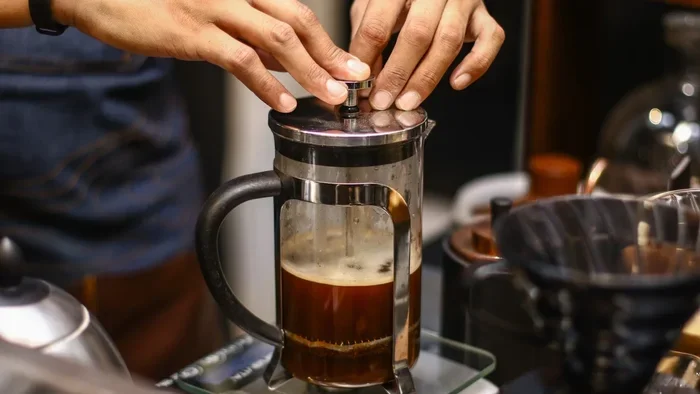
Brewing coffee in a French press takes about 4 minutes total — from adding coarse grounds to plunging. The ideal steep time is 4 minutes, but you can adjust it between 3 and 5 minutes based on your taste. This guide walks you through every step so you can make café-quality coffee at home with ease.
Key Takeaways
- Steep Time Matters: The standard brew time for French press coffee is 4 minutes, which delivers the best balance of flavor and strength.
- Grind Size Is Key: Use a coarse grind to prevent over-extraction and keep your coffee smooth and full-bodied.
- Water Temperature Makes a Difference: Heat your water to 195–205°F for optimal extraction without burning the grounds.
- Ratio Controls Strength: A 1:15 coffee-to-water ratio gives you a balanced cup, but you can adjust it to suit your preferences.
- Don’t Skip the Bloom: Letting the grounds sit for 30 seconds before the full steep helps release trapped gases for a richer taste.
- Plunge Gently: Press the filter down slowly and steadily to avoid disturbing the grounds and creating a gritty cup.
- Serve Immediately: Pour your coffee right after plunging to stop the extraction and keep the flavor fresh.
📑 Table of Contents
- How Long Do You Brew Coffee In A French Press: The Complete Step-by-Step Guide
- Understanding Your French Press and What You Need
- The Perfect Brew Time: Step by Step
- How Water Temperature Affects Your Brew
- Grind Size and Its Role in Brewing Time
- Common Mistakes That Affect Brew Time
- Expert Tips for the Perfect French Press Coffee
- How Long Do You Brew Coffee In A French Press Compared to Other Methods
- Key Takeaways
- Conclusion
How Long Do You Brew Coffee In A French Press: The Complete Step-by-Step Guide
Making coffee in a French press is one of the simplest and most rewarding ways to start your day. Unlike drip machines or pod systems, a French press gives you full control over every part of the process. You decide the grind size, the water temperature, and most importantly, the brew time. How long do you brew coffee in a French press? The answer is simpler than you think, and getting it right makes a huge difference in your morning cup.
If you have ever wondered why your French press coffee tastes bitter or weak, the brew time is probably the culprit. Too short, and you get a thin, underwhelming drink. Too long, and the coffee turns harsh and over-extracted. This guide breaks down the entire process step by step so you can brew the perfect cup every single time. Whether you are a complete beginner or a coffee lover looking to refine your routine, you will find everything you need right here.
The beauty of French press brewing lies in its simplicity. There are no complicated settings, no waiting for a machine to drip, and no paper filters to fuss with. You just add grounds, pour hot water, wait, and press. But that waiting period — the steep time — is where the magic happens. Let us dive into exactly how long you should brew your coffee and why each step matters.
Understanding Your French Press and What You Need
Choosing the Right French Press
Before we talk about brew time, let us make sure you have the right tool. A standard French press comes in sizes ranging from 3 cups to 12 cups. For most households, an 8-cup press works perfectly. It makes enough coffee for two to four people without being too bulky. Look for a press with a sturdy glass or stainless steel carafe and a mesh filter that seals tightly. A good seal prevents grounds from slipping into your cup and keeps the heat locked in during the steep.
The material of your press also matters. Glass presses let you watch the coffee bloom, which is a satisfying part of the process. Stainless steel presses retain heat better and are more durable, but they make it harder to see the color of your brew. Either one works great — the key is using it correctly.
Gathering Your Supplies
You do not need much to brew great French press coffee. Here is what you will want on hand:
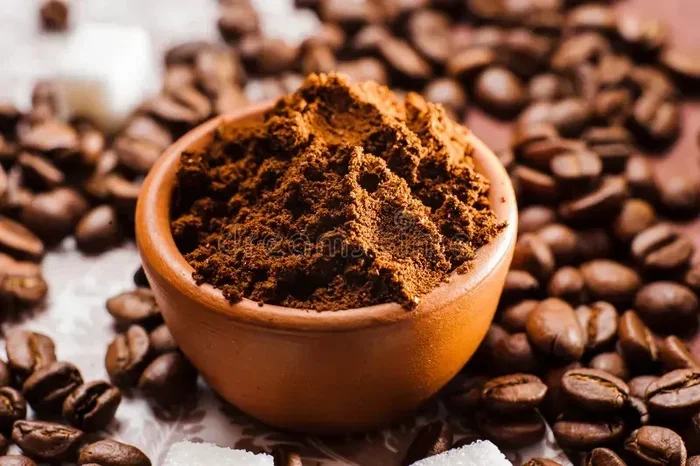
- Coarse-ground coffee: This is the most important ingredient. A coarse grind looks like sea salt and prevents over-extraction.
- Hot water: Not boiling. The sweet spot is between 195°F and 205°F.
- A kitchen scale: Measuring by weight gives you consistent results every time.
- A timer: Your phone works perfectly. Set it and forget it.
- A wooden spoon or stirrer: Metal spoons can scratch the glass, so wood is a safer choice.
Having these supplies ready before you start makes the whole process smooth and enjoyable. There is nothing worse than scrambling for a spoon while your coffee is steeping.
The Perfect Brew Time: Step by Step
Step 1: Measure Your Coffee and Water
Start by measuring your coffee. The standard ratio for French press coffee is 1:15. That means 1 gram of coffee for every 15 grams of water. For a standard 8-cup press, this works out to about 55 grams of coffee and 825 grams of water. If you do not have a scale, a good rule of thumb is two heaping tablespoons of coffee per 6 ounces of water.
Getting the ratio right is the foundation of a great cup. Too much coffee and your drink will taste overpowering. Too little, and it will be weak and watery. Once you find your preferred ratio, stick with it for consistency.
Step 2: Heat Your Water
Bring your water to a boil, then let it sit for about 30 seconds. This brings the temperature down to the ideal range of 195°F to 205°F. Pouring boiling water directly onto the grounds can scorch them and create a bitter taste. If you do not have a thermometer, just let the kettle cool for half a minute after boiling.
Step 3: Add Grounds and Start the Timer
Put your coffee grounds into the French press. Pour about a quarter of the water over the grounds first. This is called the bloom. Let it sit for about 30 seconds. You will see the grounds puff up and release gases. This step is important because it allows the coffee to saturate evenly, which leads to a more balanced extraction.
After the bloom, pour the rest of the water slowly. Place the lid on the press but do not plunge yet. Start your timer now. The total steep time should be 4 minutes. This is the sweet spot for most coffee lovers. It allows enough time for the flavors to develop without pulling out too many bitter compounds.
Step 4: Stir and Steep
At the 1-minute mark, give the coffee a gentle stir with your wooden spoon. This breaks up any crust of grounds on the surface and ensures even extraction. Do not stir aggressively — a slow, gentle fold is all you need.
Let the coffee continue to steep undisturbed for the remaining 3 minutes. During this time, the coffee grounds and water are interacting, pulling out oils, flavors, and caffeine. This is the immersion brewing process that makes French press coffee so rich and full-bodied.
Step 5: Plunge and Serve
When your timer hits 4 minutes, it is time to plunge. Press the filter down slowly and steadily. Do not rush this step. A slow plunge keeps the grounds at the bottom and prevents them from swirling into your coffee. Once the plunger is all the way down, pour the coffee into your mug immediately.
Do not let the coffee sit in the press. The grounds will continue to extract, and your coffee will become increasingly bitter. If you are not ready to drink right away, pour the remaining coffee into a separate container. This stops the extraction and keeps the flavor just right.
How Water Temperature Affects Your Brew
Water temperature plays a huge role in how your coffee tastes. Too hot, and you over-extract the grounds, pulling out bitter compounds. Too cool, and you under-extract, leaving your coffee flat and sour. The ideal range for French press brewing is 195°F to 205°F. This is hot enough to extract the good stuff — the oils, the flavors, the caffeine — but not so hot that it pulls out the unpleasant bits.
If you do not have a kitchen thermometer, here is a simple trick. Bring your water to a full boil, then take it off the heat and wait 30 to 45 seconds before pouring. This cooling period brings the temperature right into the sweet spot. Some baristas recommend letting boiling water cool for a full minute, especially at higher altitudes where water boils at a lower temperature.
The relationship between water temperature and brew time is also worth understanding. If you brew at a slightly lower temperature, you might want to extend the steep by 30 seconds to a minute. Conversely, if your water is very hot, you can pull it back to the standard 4 minutes. Think of temperature and time as partners — they work together to create the perfect cup.
Grind Size and Its Role in Brewing Time
Why Coarse Grind Matters
The grind size you choose directly affects how long you should brew your coffee. French press requires a coarse grind because the water and grounds are in direct contact for the entire steep time. A fine grind, like what you use for espresso, would create a muddy, gritty cup and over-extract quickly. Coarse grounds give the water enough surface area to extract flavor without turning the coffee bitter.
If you buy pre-ground coffee, look for packages labeled “French press” or “coarse grind.” Even better, invest in a burr grinder and grind your beans fresh just before brewing. Freshly ground coffee has more flavor and aroma, and the grind size is more consistent. Consistency matters because uneven grounds lead to uneven extraction — some parts of your coffee taste great while others taste sour or bitter.
Adjusting Grind Size for Different Brew Times
If you find that 4 minutes is not quite right for you, adjusting the grind size can help. Want a slightly shorter brew time of 3 minutes? Try a slightly finer grind. It will extract a bit faster. Prefer a longer steep of 5 minutes? Go coarser to prevent over-extraction. These small adjustments give you the flexibility to dial in your perfect cup.
Think of it this way: coarse grind equals slower extraction, fine grind equals faster extraction. If you change your brew time, you should also consider tweaking the grind to match. This is part of what makes French press coffee so fun to experiment with.
Common Mistakes That Affect Brew Time
Even experienced coffee makers can make mistakes that throw off their brew time and flavor. Here are the most common ones to watch out for:
- Using the wrong grind size: A medium or fine grind will over-extract during the 4-minute steep, making your coffee bitter and harsh.
- Plunging too fast: Rushing the plunge stirs up the grounds and can make your coffee gritty. Slow and steady wins the race.
- Leaving coffee in the press: The coffee continues to extract after you plunge. Always pour it out right away.
- Using boiling water: This scorches the grounds and creates a burnt, bitter taste that no amount of steep time can fix.
- Not measuring your coffee: Eyeballing leads to inconsistency. A simple scale takes the guesswork out of the equation.
- Skipping the bloom: While the bloom only takes 30 seconds, skipping it can result in uneven extraction and a less flavorful cup.
Avoiding these mistakes alone can transform your French press coffee. Most of them are easy to fix once you know they are happening. The key is paying attention to the process and treating each step with care.
Expert Tips for the Perfect French Press Coffee
Preheat Your French Press
Before you add any coffee or water, rinse your French press with hot water. This warms up the glass or steel and helps maintain a steady temperature during the steep. A cold press can drop the water temperature too quickly, which throws off the extraction. Preheating is a small step that makes a noticeable difference.
Experiment with Brew Ratios
The 1:15 ratio is a great starting point, but everyone’s taste is different. If you like stronger coffee, try a 1:14 ratio. If you prefer something lighter, go to 1:16. Keep a notebook of your experiments so you can recreate your perfect cup every time. Over time, you will develop an instinct for what works best.
Pair Your Coffee with a Great Breakfast
There is something special about a fresh cup of French press coffee alongside a warm breakfast. If you enjoy baking, you might also like to try baking fresh bread in the oven to go with your morning coffee. The combination of a rich, full-bodied brew and warm, buttery bread is hard to beat. For something quicker, garlic bread from the oven also makes a fantastic coffee companion. And if you are hosting a brunch, consider pairing your coffee with baked stuffed mushrooms for a savory and satisfying spread. These little additions turn your morning routine into a real experience.
Clean Your French Press Regularly
Coffee oils build up in your French press over time, which can make your next cup taste stale or rancid. Clean your press after every use. Disassemble the filter and wash all the parts with warm, soapy water. A deep clean once a week with a mixture of baking soda and water helps remove stubborn oil buildup. A clean press means better-tasting coffee every time.
How Long Do You Brew Coffee In A French Press Compared to Other Methods
French press coffee takes about 4 minutes from start to finish. That is longer than a pour-over, which takes about 3 minutes, but shorter than cold brew, which needs 12 to 24 hours. Each method has its own charm and its own ideal brew time. The French press sits right in the middle — it is quick enough for a busy morning but slow enough to let the flavors fully develop.
Compared to espresso machines, which pull a shot in 25 to 30 seconds, the French press is a leisurely process. But that is part of its appeal. You are not rushing. You are taking a moment to enjoy the ritual of making coffee. The 4-minute steep gives you time to breathe, to smell the aroma, and to savor the experience before you even take your first sip.
If you are comparing immersion brewing to drip coffee makers, the French press wins on flavor richness every time. The full immersion of the grounds in water extracts more oils and compounds than a paper filter would allow. That is why French press coffee tastes so thick, so velvety, and so satisfying. The brew time is perfectly designed to pull out the best flavors without going overboard.
Key Takeaways
- Steep Time Matters: The standard brew time for French press coffee is 4 minutes, which delivers the best balance of flavor and strength.
- Grind Size Is Key: Use a coarse grind to prevent over-extraction and keep your coffee smooth and full-bodied.
- Water Temperature Makes a Difference: Heat your water to 195–205°F for optimal extraction without burning the grounds.
- Ratio Controls Strength: A 1:15 coffee-to-water ratio gives you a balanced cup, but you can adjust it to suit your preferences.
- Don’t Skip the Bloom: Letting the grounds sit for 30 seconds before the full steep helps release trapped gases for a richer taste.
- Plunge Gently: Press the filter down slowly and steadily to avoid disturbing the grounds and creating a gritty cup.
- Serve Immediately: Pour your coffee right after plunging to stop the extraction and keep the flavor fresh.
Conclusion
So, how long do you brew coffee in a French press? The answer is 4 minutes. But as you have learned, those 4 minutes are made up of many small, intentional steps. From measuring the right ratio of coffee to water, to heating your water to the perfect temperature, to letting the bloom do its work, every moment counts. The steep time is the heart of the process, and getting it right transforms an ordinary morning into something special.
French press coffee is more than just a drink. It is a ritual. It is a moment of calm in a busy day. And the best part is that once you understand the basics, you can experiment and make it your own. Try different ratios. Adjust the steep time by 30 seconds. Play with water temperature. You will be surprised at how much a small change can affect the final cup.
Remember to use a coarse grind, keep your water in the right temperature range, and always serve your coffee right after plunging. Avoid the common mistakes, follow the steps in this guide, and you will be brewing café-quality French press coffee at home in no time. Your mornings will never taste the same again.
The next time you reach for your French press, take a deep breath and enjoy the process. Good coffee deserves a little patience, and the 4 minutes you spend brewing it are 4 minutes well spent. Here is to better mornings and better coffee, one press at a time.
Frequently Asked Questions
Can I brew coffee in a French press for longer than 4 minutes?
You can, but going beyond 4 minutes risks over-extraction, which makes the coffee taste bitter and harsh. If you want a stronger cup, it is better to use more coffee grounds rather than extending the steep time. Stick to the 4-minute window for the best flavor balance.
What happens if I brew French press coffee for too short a time?
Under-extraction happens when you brew for too short a time, usually less than 3 minutes. The coffee will taste weak, sour, and thin. If this happens, try extending the steep time by 30 seconds to a minute until you find the sweet spot that suits your taste.
Does the size of my French press affect the brew time?
No, the brew time stays the same regardless of the size of your French press. Whether you are using a 3-cup or a 12-cup press, the standard steep time is still 4 minutes. What changes is the amount of coffee and water you use, not the time.
Can I reuse French press grounds for a second brew?
You can, but the second brew will be much weaker and less flavorful. The grounds have already released most of their oils and compounds during the first steep. If you want a stronger second cup, use fresh grounds. Reusing grounds works in a pinch but will not give you the same quality.
How does altitude affect French press brew time?
At higher altitudes, water boils at a lower temperature, which means your brewing water may be cooler than the ideal range. You might need to extend the steep time slightly or use hotter water to compensate. The standard 4-minute steep still works as a baseline, but small adjustments can help you adapt to altitude changes.
Is French press coffee stronger than drip coffee?
French press coffee typically tastes stronger and more full-bodied because the immersion brewing method extracts more oils and flavor compounds. The mesh filter does not trap oils like a paper filter does, which gives French press coffee its rich, velvety texture. The brew time of 4 minutes is designed to maximize flavor extraction for a bold, satisfying cup.
=== END ===