How Hot Does A Bunn Coffee Maker Get While Brewing
A Bunn coffee maker heats water to between 195°F and 205°F, which is the ideal brewing temperature for extracting the best flavors from coffee grounds. The Bunn coffee maker temperature is maintained by a powerful heating element that keeps water hot and ready for the next brew cycle. Understanding how your Bunn coffee machine manages heat helps you make better coffee every day and troubleshoot any issues that arise.
You probably rely on your Bunn coffee maker every single morning to get your day started. But have you ever stopped to think about how hot does a Bunn coffee maker get while brewing? The temperature inside that machine plays a massive role in the taste, aroma, and overall quality of your cup of coffee. Most people never think about the coffee brewing process until something goes wrong. Maybe your coffee tastes bitter, or maybe it tastes weak and watery. In many cases, the culprit is the temperature. In this article, we will explore everything you need to know about how hot a Bunn coffee maker gets, how the heating system works, and what you can do to make sure your coffee comes out perfect every single time.
The Bunn coffee maker temperature is not just a random number. It is carefully designed to match the optimal coffee temperature recommended by coffee experts worldwide. Whether you own a standard Bunn drip coffee maker or a Bunn commercial coffee maker, the science behind the heat remains the same. Let us dive into the details and break down exactly what is happening inside your machine every time you brew a pot.
Key Takeaways
- Ideal Brewing Range: A Bunn coffee maker heats water to 195°F to 205°F, which is the optimal coffee temperature for full flavor extraction.
- Heating Element Power: The built-in coffee maker heating element rapidly heats water and maintains it in a hot water reservoir for immediate brewing.
- Temperature Control Matters: Using the right brewing heat settings and clean water ensures consistent, great-tasting coffee every time.
- Common Problems Are Fixable: Issues like overheating or underheating can often be resolved with simple coffee maker maintenance steps.
- Regular Cleaning Is Essential: Descaling and cleaning your machine prevents mineral buildup that can affect the coffee maker thermostat and heat output.
- Thermal Carafe Helps: The coffee maker thermal carafe keeps brewed coffee hot without overcooking it, preserving flavor for hours.
- New Machine Setup Matters: Running a test cycle before your first brew ensures the hot water boiler is working correctly.
📑 Table of Contents
- How Hot Does A Bunn Coffee Maker Get While Brewing
- Understanding The Bunn Coffee Maker Heating System
- Optimal Brewing Temperature For Perfect Coffee
- How The Bunn Coffee Maker Maintains Heat
- Common Temperature Problems And How To Fix Them
- Tips For Getting The Most Out Of Your Bunn Coffee Maker
- Final Thoughts On Bunn Coffee Maker Heat And Performance
How Hot Does A Bunn Coffee Maker Get While Brewing
The short answer is that a Bunn coffee maker heats water to between 195°F and 205°F (90°C to 96°C). This is the brewing temperature range that coffee professionals consider ideal for extracting the full spectrum of flavors from ground coffee beans. The coffee brewing science behind this range is well established. Water that is too hot will over-extract the grounds, leading to bitter and harsh flavors. Water that is too cool will under-extract, resulting in weak, sour, and flat coffee.
What makes the Bunn coffee machine special is its speed. Unlike many other drip machines that take several minutes to heat water, a Bunn unit uses a powerful coffee maker heating element that brings water to the correct temperature very quickly. This means less waiting time and a hot, fresh pot of coffee ready in minutes. The hot water boiler inside the machine stays warm between brews, so you can make a second pot without any delay.
The Standard Brewing Temperature Range
The optimal coffee temperature for brewing has been studied extensively by coffee scientists and baristas. The Specialty Coffee Association (SCA) recommends a range of 195°F to 205°F for drip coffee makers. A Bunn coffee maker is designed to stay right within this range. The coffee maker thermostat regulates the heating element to ensure the water does not exceed 205°F, which could scorch the coffee grounds and create an unpleasant burnt taste.
Here is a quick look at what happens at different temperature levels:
- Below 190°F: The coffee will be under-extracted. It will taste sour, weak, and thin. The coffee temperature control is not high enough to pull out the desirable flavors from the grounds.
- 195°F to 205°F: This is the sweet spot. The brewing temperature allows for balanced extraction, bringing out the natural sweetness, acidity, and aromatic compounds in the coffee.
- Above 205°F: The coffee will be over-extracted. It will taste bitter, harsh, and burnt. The coffee maker heat is too high and damages the flavor profile of the beans.
Most Bunn drip coffee maker models come with a factory-set thermostat that holds the hot water temperature right in the 195°F to 205°F range. You generally do not need to adjust anything manually. However, if you notice your coffee tasting off, it might be worth checking whether the thermostat is working properly.
What Happens When Water Is Too Hot or Too Cold
The coffee brewing process is all about balance. When the hot water temperature is just right, the water dissolves the soluble compounds in the coffee grounds at a steady, controlled pace. This creates a cup that is rich, complex, and satisfying. When the temperature is off, the entire extraction process goes wrong.
If your Bunn coffee maker is running too hot, you might notice a burnt or ashy taste in your coffee. This happens because the excessive heat breaks down the delicate oils in the coffee grounds too quickly. On the other hand, if the machine is not getting hot enough, the coffee will taste sour and underwhelming. The coffee maker heating element might be failing, or there could be a buildup of mineral deposits that is insulating the element and reducing its efficiency.
Sometimes, the issue is not the machine itself but the water you are using. Cold or room-temperature water takes longer to heat, which can throw off the brewing heat settings. Always use fresh, cold filtered water for the best results. This ensures the hot water boiler has a consistent starting point and can reach the ideal brewing temperature every time.
Understanding The Bunn Coffee Maker Heating System
The heating system inside a Bunn coffee maker is one of the reasons this brand is so popular among coffee lovers. Unlike cheaper drip machines that use a small, weak heating element, Bunn units are built with commercial-grade components that deliver consistent and reliable heat. Understanding how the system works can help you appreciate the engineering behind your morning cup and troubleshoot problems when they arise.
How The Heating Element Works
The coffee maker heating element in a Bunn machine is a flat, tubular component located at the base of the water reservoir. When you turn on the machine, the element heats the water stored in the reservoir to the target hot water temperature. A coffee maker thermostat monitors the water temperature and cycles the element on and off to maintain the correct range.
The process works like this:
- You fill the reservoir with cold water.
- The heating element activates and rapidly heats the water.
- The thermostat monitors the temperature and shuts off the element once the water reaches 195°F to 205°F.
- When you start brewing, the hot water is distributed evenly over the coffee grounds.
- Fresh cold water enters the reservoir and is heated for the next brew cycle.
This continuous cycle is what makes a Bunn commercial coffee maker so efficient. The machine is always ready to brew because the reservoir is constantly maintained at the right hot water temperature. You do not have to wait for the water to heat up each time you make a pot.
The Role Of The Thermal Carafe
Another important component of the coffee maker heat system is the thermal carafe. Unlike glass pots that rely on a heating plate to keep coffee warm, a coffee maker thermal carafe uses double-wall insulation to retain heat. This means your coffee stays hot for hours without the risk of overcooking or burning.
The thermal carafe works by trapping the heat inside the vacuum-sealed walls. The hot coffee temperature inside the carafe stays consistent because there is no external heat source applying direct warmth. This is a big advantage over machines with warming plates, which can gradually cook the coffee and create a stale, burnt taste over time. The coffee temperature control is entirely passive, relying on insulation rather than electricity.
If you have ever noticed that your coffee tastes different after sitting on a warming plate for an hour, the thermal carafe design of a Bunn coffee maker is the solution. It preserves the original flavor profile of the brew for much longer.
Optimal Brewing Temperature For Perfect Coffee
Getting the optimal coffee temperature right is the single most important factor in making great coffee at home. The coffee brewing science is clear: water between 195°F and 205°F extracts the ideal balance of oils, acids, and sugars from coffee grounds. A Bunn coffee maker is engineered to hit this target consistently, which is one of the main reasons coffee enthusiasts love this brand.
The Science Behind Coffee Extraction
The coffee brewing process is essentially a chemical extraction. Hot water acts as a solvent, dissolving the flavorful compounds locked inside the coffee grounds. The rate and completeness of this extraction depend heavily on the hot water temperature.
At the right temperature, water dissolves the sweet and aromatic compounds first, followed by the more bitter compounds in smaller amounts. This creates a balanced cup with complexity and depth. If the temperature is too low, only the sour and acidic compounds are extracted, leaving the coffee thin and unpleasant. If the temperature is too high, the bitter compounds dominate, and the coffee tastes harsh and unpalatable.
This is why the coffee maker thermostat is such a critical component. It ensures that the brewing temperature stays within the narrow sweet spot where extraction is balanced and complete. A well-maintained Bunn coffee maker will hold this temperature range reliably for years.
Temperature Settings For Different Coffee Types
While the standard brewing temperature of 195°F to 205°F works well for most coffee, different types of coffee can benefit from slight adjustments. Here is a quick guide:
- Light Roast Coffee: Slightly higher temperatures, around 200°F to 205°F, help bring out the bright, complex flavors in light roasts.
- Medium Roast Coffee: The standard range of 195°F to 205°F works perfectly for medium roasts, balancing sweetness and body.
- Dark Roast Coffee: Slightly lower temperatures, around 195°F to 200°F, prevent over-extraction and reduce bitterness in dark roasts.
- Cold Brew Concentrate (Reheated): If you are reheating cold brew, aim for around 160°F to 170°F to avoid scalding the concentrate and altering its smooth flavor.
Most Bunn coffee maker models do not offer adjustable temperature settings. The thermostat is pre-set at the factory to the optimal range. This is actually a good thing for most users, as it removes the guesswork and ensures consistent results with every brew.
How The Bunn Coffee Maker Maintains Heat
One of the standout features of a Bunn coffee maker is its ability to maintain heat throughout the day. Whether you are brewing your first pot at 6 AM or a second pot at 10 AM, the machine delivers hot water at the same optimal coffee temperature every time. This consistency is what separates a quality machine from a cheap one.
The Hot Water Reservoir
The hot water reservoir is the heart of the Bunn heating system. It is a sealed chamber at the base of the machine that stores hot water at all times. When you start a brew cycle, the hot water is immediately available and distributed through the shower head onto the coffee grounds.
This design has several advantages:
- Faster brewing: There is no waiting for the water to heat up. The coffee starts brewing immediately.
- Consistent temperature: The reservoir maintains a steady hot water temperature so every cup is brewed at the same heat.
- Multiple batches: You can brew several pots back to back without any drop in quality or temperature.
The coffee maker heating element continuously monitors the water level in the reservoir and heats fresh cold water as it is added. This cycle repeats automatically, keeping the reservoir full of hot water ready for the next brew.
Heat Retention Versus Heat Generation
It is important to understand the difference between heat retention and heat generation in your Bunn coffee machine. Heat generation is the process of actively heating cold water using the element. Heat retention is how well the machine keeps the water hot after it has been heated.
A Bunn drip coffee maker excels at both. The heating element generates heat quickly and efficiently, while the insulated reservoir and thermal carafe retain that heat for hours. This dual approach is what gives the machine its reputation for speed and consistency. If you are comparing models, look for ones with a well-insulated reservoir and a quality coffee maker thermal carafe for the best heat retention.
Common Temperature Problems And How To Fix Them
Even the best Bunn coffee maker can develop temperature issues over time. Mineral buildup, worn-out parts, and thermostat malfunctions can all affect the coffee maker heat output. The good news is that most of these problems are easy to diagnose and fix at home.
When Your Bunn Coffee Maker Gets Too Hot
If your coffee tastes burnt or overly bitter, the machine might be running hotter than it should. This is usually caused by a malfunctioning thermostat that is allowing the water to exceed the 205°F limit. A faulty coffee maker thermostat can cause the coffee maker heating element to run continuously, overheating the water in the reservoir.
Here is what you can do:
- Run a cleaning cycle with white vinegar to remove mineral buildup that might be affecting the thermostat.
- Check the coffee maker maintenance schedule and descale the machine if it has been more than a month.
- If the problem persists, the thermostat may need to be replaced. Contact a Bunn service center for assistance.
Sometimes, the issue is not the machine but the coffee itself. Using too fine a grind can increase bitterness, which might be mistaken for overheating. Make sure you are using the correct grind size for your Bunn drip coffee maker.
When Your Bunn Coffee Maker Does Not Get Hot Enough
If your coffee tastes sour, weak, or lukewarm, the machine might not be reaching the proper brewing temperature. This is a common issue that can have several causes:
- Mineral buildup: Calcium and lime deposits can insulate the heating element, reducing its efficiency. Regular descaling prevents this problem.
- Faulty thermostat: A worn-out thermostat may not register the correct temperature, causing the element to shut off too early.
- Low water level: If the reservoir is too low, the heating element may not be fully submerged, leading to uneven heating.
- Cold room temperature: In very cold environments, the machine takes longer to heat water to the target range. This is normal and usually resolves after a few brew cycles.
If you are experiencing temperature issues, it helps to compare them to what you would do when troubleshooting an oven. Just as you would tell if your oven is not heating properly by checking for uneven cooking or long preheat times, you can apply similar logic to your coffee maker. Look for consistent weak coffee, slow brewing times, or lukewarm carafes as warning signs.
Running a vinegar cleaning cycle is the first step in most cases. If that does not resolve the issue, you may need to replace the thermostat or the heating element. These parts are relatively inexpensive and easy to find online. For more complex repairs, it is always best to consult a professional technician.
Tips For Getting The Most Out Of Your Bunn Coffee Maker
Owning a Bunn coffee maker comes with the responsibility of proper care and use. A few simple habits can keep your machine running at peak coffee temperature control for years. Here are some practical tips to help you get the best performance from your machine.
Regular Maintenance And Cleaning
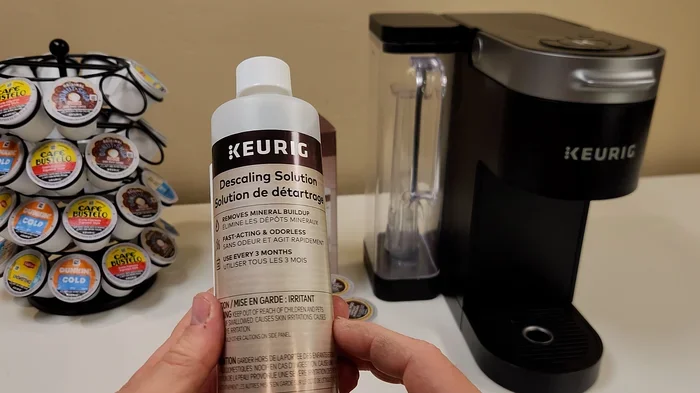
Clean water is the foundation of great coffee. Over time, minerals from tap water build up inside the machine and can affect the coffee maker heating element and thermostat. Descaling your Bunn coffee machine every one to two months is essential for maintaining the correct brewing temperature.
Here is a simple maintenance routine you can follow:
- Run a vinegar and water solution through a brew cycle to dissolve mineral deposits.
- Rinse the reservoir with clean water and run two to three plain water cycles to remove any vinegar taste.
- Wash the carafe, lid, and filter basket with warm soapy water after each use.
- Wipe down the exterior of the machine to keep it looking and functioning its best.
Regular coffee maker maintenance not only keeps the temperature consistent but also extends the lifespan of your machine. A well-maintained Bunn coffee maker can last for a decade or more with proper care.
Using The Right Water And Coffee Ratio
The quality of the water you use directly impacts the coffee brewing process and the final cup. Always use fresh, cold, filtered water for the best results. Avoid distilled water, as it lacks the minerals that help extract flavor from the coffee grounds.
The standard coffee-to-water ratio for a Bunn drip coffee maker is two tablespoons of ground coffee per six ounces of water. Adjusting this ratio slightly can help you fine-tune the strength and flavor of your coffee without changing the brewing heat settings.
When you first get a new machine, it is a good idea to run a test cycle before brewing your first real pot of coffee. This is similar to what you would do when setting up a new kitchen appliance. Just as you would follow specific steps when you what to do when you get a new oven, running a few cycles with just water helps clear out any manufacturing residue and ensures the hot water boiler is working correctly from day one.
Troubleshooting Temperature Issues Quickly
If you suspect your Bunn coffee maker is not heating correctly, start with the basics. Check the power cord and make sure the machine is plugged in securely. Verify that the reservoir has enough water. Run a cleaning cycle to remove any buildup that might be affecting the coffee maker thermostat.
If these steps do not resolve the issue, it may be time to consult the user manual or contact Bunn customer support. They can help you identify whether the problem is with the thermostat, the heating element, or another component. In most cases, a simple cleaning or part replacement is all it takes to restore the correct Bunn coffee maker temperature.
Remember that temperature consistency is the key to great coffee. A well-maintained Bunn coffee maker will deliver the perfect hot water temperature every single time, giving you a rich, flavorful cup that starts your day on the right note.
Final Thoughts On Bunn Coffee Maker Heat And Performance
The Bunn coffee maker is a trusted, reliable machine that delivers excellent coffee maker heat and consistent brewing results. The coffee brewing process depends on the right temperature, and a Bunn unit hits that sweet spot every time. By understanding how the heating system works, maintaining the machine properly, and using the right water and coffee ratio, you can enjoy perfect coffee for years to come.
Whether you are using a standard Bunn drip coffee maker at home or a Bunn commercial coffee maker in an office, the principles of heat management remain the same. Keep the machine clean, use quality water, and pay attention to the taste of your coffee. These simple habits will go a long way toward ensuring that every cup is as good as the first.
Temperature is the silent hero of every great cup of coffee. The next time you brew a pot with your Bunn coffee machine, take a moment to appreciate the engineering that goes into heating the water to the perfect brewing temperature. It is a small detail that makes a big difference in the cup.
Frequently Asked Questions
What Is The Ideal Brewing Temperature For A Bunn Coffee Maker?
The ideal brewing temperature for a Bunn coffee maker is between 195°F and 205°F. This range is recommended by the Specialty Coffee Association and ensures optimal extraction of flavors from coffee grounds. The machine’s thermostat is designed to maintain this range automatically.
Can You Adjust The Temperature On A Bunn Coffee Maker?
Most Bunn coffee maker models do not have an adjustable temperature setting. The thermostat is pre-set at the factory to the optimal brewing range. If you are experiencing temperature issues, it is usually a sign that the thermostat or heating element needs cleaning or replacement rather than adjustment.
Why Does My Bunn Coffee Maker Taste Burnt?
A burnt taste usually means the coffee maker heat is too high or the coffee grounds are being over-extracted. This can happen if the thermostat is malfunctioning and allowing the water to exceed 205°F. Mineral buildup on the heating element can also cause uneven heating. Try descaling the machine and running a test brew to see if the taste improves.
How Often Should I Descale My Bunn Coffee Maker?
You should descale your Bunn coffee machine every one to two months, depending on how often you use it and the hardness of your water. Regular descaling prevents mineral buildup that can affect the coffee maker thermostat and reduce the efficiency of the heating element. Use a white vinegar and water solution for best results.
Does The Type Of Coffee Ground Affect The Brewing Temperature?
The coffee brewing science shows that the grind size affects extraction rate, but not the actual brewing temperature of the machine. A finer grind extracts faster, which can make coffee taste stronger or more bitter. A coarser grind extracts more slowly. The Bunn coffee maker temperature stays the same regardless of the grind size you use.
How Long Does It Take A Bunn Coffee Maker To Heat Water?
A Bunn drip coffee maker heats water very quickly, usually within three to five minutes. The powerful coffee maker heating element and the pre-heated reservoir work together to deliver hot water almost instantly when you start the brew cycle. This is one of the main advantages of choosing a Bunn machine over slower drip coffee makers.
=== CONCLUSION ===
Understanding how hot a Bunn coffee maker gets while brewing is one of the simplest ways to improve your daily coffee experience. The Bunn coffee maker temperature is carefully engineered to stay within the 195°F to 205°F range, which is the sweet spot for extracting the full flavor profile from your coffee grounds. From the powerful coffee maker heating element to the insulated thermal carafe, every component of the machine is designed to deliver consistent, great-tasting coffee.
Regular coffee maker maintenance, including descaling and cleaning, ensures that the coffee maker thermostat and heating element continue to work at their best. Pay attention to the taste of your coffee, and use the troubleshooting tips in this article to address any temperature issues quickly. With the right care and a little attention, your Bunn coffee machine will provide you with perfect cups of coffee for many years to come.
So the next time you press the brew button on your Bunn coffee maker, you can feel confident knowing that the coffee maker heat is working exactly as it should. Enjoy your perfect cup and take pride in knowing the science behind every brew.