How To Fix Oven Temperature And Restore Perfect Cooking Heat
Is your oven not heating right? How to fix oven temperature issues is simpler than you think. This guide shows you how to restore perfect cooking heat with easy DIY fixes and troubleshooting steps. You’ll learn to diagnose the problem, check key parts, and get your oven back to working perfectly.
Does your oven take forever to cook a pizza? Or maybe your cake burns on top while the center stays raw. How to fix oven temperature is a question many home cooks ask. The good news is that you can often solve this problem yourself. You don’t need expensive tools or a professional repairman. This guide will walk you through every step to restore perfect cooking heat. We’ll cover simple fixes you can do today. Let’s get your oven working right again.
Key Takeaways
- Check the oven thermometer: An inaccurate built-in thermometer is often the real culprit, not the oven itself.
- Inspect the heating element: A damaged bake or broil element is a common cause of uneven heat.
- Calibrate the thermostat: You can often adjust the temperature sensor yourself to fix oven runs too hot or too cold.
- Look for error codes: Modern ovens display fault codes that point directly to the problem.
- Know when to call a pro: Issues with the control board or thermal fuse often need expert help.
- Prevent future problems: Regular cleaning and door seal checks keep your oven running accurately.
📑 Table of Contents
Why Your Oven Temperature Is Off
Ovens can drift out of alignment over time. This is very common. Even new ovens can have a offset of 25 to 50 degrees. The result is uneven baking and hot spots. Your food may cook too fast on the edges but stay raw in the middle. A fan oven or convection model can also behave differently than a traditional static oven. The first step is understanding what is happening inside your cavity.
Common Signs Of Temperature Problems
Watch for these clear signals. Your cookies spread too much or burn quickly. Roasted chicken takes twice as long to reach a safe internal temperature. You notice a strong smell of overheated food. The oven light stays on longer than usual. These clues point to a temperature calibration issue. You may also see error codes on the display panel. Error codes are your oven’s way of telling you something is wrong.
Is Your Oven Running Too Hot Or Too Cold?
An oven that runs too hot will brown food on the outside before the inside cooks. An oven that runs too cold leaves food underdone. Both problems ruin meals. The root cause is often the same. A sensor, a thermostat, or a heating element is failing. Sometimes the issue is simple. The door seal or gasket may be worn. A broken seal lets heat escape. This makes the oven work harder and lose accuracy. A quick test with an oven thermometer can confirm the problem.
How To Fix Oven Temperature With Simple DIY Steps
Most temperature issues fall into three categories. You can fix them with basic tools. Here is a simple diagnostic checklist to start. How to fix oven temperature problems becomes easy when you follow a clear path. First, gather your tools. You need a screwdriver, a multimeter, and an oven thermometer. Then work through these steps one by one.
Quick Diagnostic Checklist
- Place an oven thermometer on the middle rack.
- Set the oven to 350°F (175°C).
- Wait 20 minutes and read the thermometer.
- Note if the oven runs hot, cold, or is accurate.
- Check the door seal for gaps or cracks.
- Look for error codes on the control panel.
Common Oven Temperature Problems and Quick Fixes
| Problem | Likely Cause | Fix |
|---|---|---|
| Oven runs too hot | Faulty temperature sensor or thermostat | Calibrate the sensor or replace the thermostat |
| Oven runs too cold | Worn bake element or weak control board | Test the element for continuity and replace if needed |
| Uneven baking or hot spots | Damaged broil element or blocked convection fan | Inspect the element and clean the fan area |
| Oven not heating at all | Blown thermal fuse or failed control board | Check the fuse and seek professional repair |
| Error code displayed | Sensor failure or wiring issue | Consult the manual for the specific code meaning |
Use this table to match your symptom. DIY repair is often possible for element swaps and sensor checks. But always unplug the oven before you start. Safety comes first. If you are not comfortable with electrical work, move to the professional repair section.
Quick Tips
Quick Tip: Always use the bake mode for even heat. Use the roast mode only for browning. Never skip the preheat cycle. A cold start causes uneven cooking. Also, avoid opening the door too often. Each peek drops the temperature by 25 degrees or more.
Common Mistakes That Make Things Worse
Many people make avoidable errors. One big mistake is ignoring the oven thermometer. The built-in dial is often wrong by 30 degrees. Another mistake is using the wrong rack position. The top rack exposes food to direct broil heat. The bottom rack is best for even bake mode cooking. A third mistake is overloading the oven. Crowded dishes block airflow. This creates uneven baking and cold zones. Finally, never use abrasive cleaners on the door seal. A damaged gasket lets heat escape and ruins your temperature accuracy.
Check The Heating Element
The heating element is the heart of your oven. It converts electricity into heat. A failing element is one of the top reasons for oven not heating properly. You have two main elements. The bake element is on the bottom. The broil element is on the top. Both are essential for balanced cooking.
Bake Element vs. Broil Element
The bake element handles most of your baking and roasting. If it fails, your oven will not heat up at all. The broil element gives high top heat for browning and grilling. A damaged broil element causes uneven top browning. You can often see the problem with a visual check. Look for blistering, cracking, or glowing spots only in one area. A healthy element glows evenly red.
How To Test For Continuity
You can test an element with a multimeter. First, turn off the power at the breaker. Remove the mounting screws and pull the element out. Set your multimeter to the ohms setting. Touch the probes to the element terminals. You should read a low resistance, usually between 20 and 50 ohms. If you read infinity or zero, the element is dead. Replace it with an exact match. This is a simple DIY repair that takes about 15 minutes. Always ensure the power is off before you touch any wires.
Calibrate The Thermostat And Temperature Sensor
The thermostat controls the heat. The temperature sensor measures it. When these parts drift, your oven loses accuracy. Temperature calibration fixes this drift. You can often do it yourself without tools.
Using An Oven Thermometer
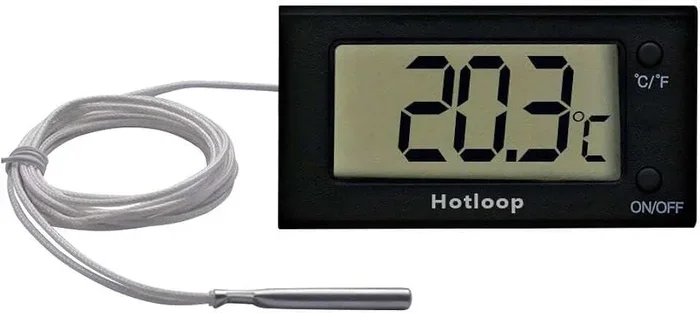
An oven thermometer is your best friend for temperature calibration. Buy a simple dial thermometer. Place it on the center rack. Run the oven to 350°F. Compare the oven display to the thermometer reading. If the oven reads 375°F but the thermometer shows 350°F, your oven runs 25 degrees hot. You need to adjust the sensor. Many ovens have a calibration offset in the settings. Check your user manual for the adjustment procedure. Some models let you shift the reading by plus or minus 35 degrees.
Adjusting The Sensor
If your oven has a digital display, you can often enter a calibration mode. Press and hold the bake or broil button for several seconds. The display may show a calibration offset. Use the arrow keys to adjust. For every degree off, you add or subtract a correction. This simple fix can solve an oven runs too hot or oven runs too cold problem instantly. If your oven has a dial knob, you may need to remove the knob and adjust a small screw inside. A tiny turn can make a big difference.
When To Call A Professional For Oven Repair
Not every problem is a DIY fix. Some issues require a trained technician. Knowing the difference saves you time and prevents dangerous mistakes. A professional can handle complex electrical and control issues safely.
Warning Signs You Should Not Ignore
- Control board failure: The oven displays erratic behavior or no response at all. The control board is the brain of the oven. Replacing it requires advanced wiring knowledge.
- Blown thermal fuse: This safety part cuts power if the oven overheats. A blown fuse stops all heating. You must test it with a multimeter and replace it if needed.
- Error code F1 or F2: These codes often point to a control board or sensor failure. You can try a power reset first. Unplug the oven for 30 seconds. If the code returns, call a pro.
- Fan motor failure in a fan oven: A broken convection fan stops hot air from circulating. This creates cold spots and uneven cooking. The motor replacement involves accessing the back panel.
If you see any of these signs, stop DIY attempts. Contact a licensed oven repair service. They have the right parts and expertise. Trying to fix a control board yourself can void your warranty or cause further damage.
Prevent Future Oven Temperature Problems
Prevention is the best cure. A little regular care keeps your oven accurate for years. You can avoid most oven not heating issues with simple habits. Here is how to protect your investment.
Regular Maintenance Tips
Clean your oven after every use. Spills and food debris can block airflow and affect sensors. Use the self-cleaning cycle sparingly. The extreme heat can wear out the door seal over time. Check the door seal or gasket monthly. Run your finger along the seal. If it feels loose or brittle, replace it. A new seal costs very little and makes a huge difference. Also, clean the oven thermometer periodically. Grease buildup can make it read incorrectly.
Quick Tips For Perfect Oven Heat
Quick Tip: Always place your dish in the center of the oven. This ensures even heat circulation. Rotate your pans halfway through cooking. This simple habit eliminates hot spots and uneven baking. Use the convection setting for roasts and cookies. The fan promotes even heat. But avoid convection for delicate cakes. The moving air can cause them to rise unevenly. Finally, never place foil on the bottom of the oven. It blocks the bake element and reflects heat upward. This can overheat the top element and ruin your temperature calibration.
Common Mistakes That Make Things Worse
Here are a few habits to break. Do not ignore early warning signs. If your food starts cooking unevenly, check the temperature right away. Do not rely solely on the oven light to judge doneness. Use a food thermometer for meats. Avoid slamming the oven door. This can misalign the temperature sensor. Finally, do not skip annual maintenance. A professional tune-up can spot small issues before they become big repairs. A little care goes a long way toward restore perfect cooking heat.
Bring Back Perfect Heat With Confidence
How to fix oven temperature is a skill every home cook should have. You now know the main causes. You can test the heating element. You can calibrate the thermostat. You can spot the warning signs that need a professional. Your oven is a workhorse. With the right care, it will serve you perfectly for years. Start with the simple fixes today. Use an oven thermometer to verify your results. You will enjoy evenly cooked meals again. Share this guide with a friend who struggles with hot spots. A little knowledge brings back the joy of perfect cooking heat.
Frequently Asked Questions
Why does my oven run too hot?
Your oven likely has a faulty temperature sensor or needs calibration. The built-in thermostat can drift over time. Use an oven thermometer to confirm the actual temperature and then adjust the sensor offset in the settings.
Can I fix an oven that is not heating at all?
Yes, if the cause is a blown bake element or a tripped thermal fuse. Check the element for visible damage and test it with a multimeter for continuity. If the element is good, the control board or fuse may need professional attention.
How do I know if my heating element is bad?
Look for blistering, cracking, or uneven glowing. A healthy element glows bright red evenly. If you see gaps or bright spots only in one area, the element is failing. You can also test it with a multimeter for proper resistance.
Is it safe to calibrate the oven thermostat myself?
Yes, it is safe and simple. Most modern ovens have a calibration mode in the digital display. You can shift the temperature reading by a few degrees to correct a consistent offset. Just unplug the oven for 30 seconds before any work.
What causes uneven baking in a fan oven?
Blocked airflow or a failing convection fan is the main cause. Clean the oven cavity and remove any debris near the fan. If the fan does not spin freely, the motor may need replacement. A worn door seal can also cause heat loss and uneven results.
When should I stop DIY repairs and call a professional?
Call a pro if you see error codes F1 or F2, if the control board is unresponsive, or if the thermal fuse is blown. Also seek help for any electrical work that makes you uncomfortable. Safety always comes first.