The Best Grind Type For Vietnamese Coffee Explained
The best grind for Vietnamese coffee is a medium-coarse texture, similar to sea salt or rough sand. This grind size works perfectly with the traditional phin filter to extract rich, bold flavors without clogging. Getting the grind right is the single most important step to brewing authentic Vietnamese coffee at home.
This is a comprehensive guide about What Type Of Grind For Vietnamese Coffee.
Key Takeaways
- Medium-coarse grind is king: The ideal texture for Vietnamese coffee is coarse like sea salt, not fine like espresso grounds.
- Phin filter needs the right grind: A too-fine grind will clog the filter and cause bitter, over-extracted coffee.
- Burr grinders beat blade grinders: Consistency matters, and a burr grinder gives you even grounds every time.
- Brew time matters: The slow drip process takes 4 to 5 minutes, and grind size directly affects extraction speed.
- Freshly ground beans taste best: Grind your beans just before brewing for maximum flavor and aroma.
- Adjust based on your taste: If coffee tastes bitter, go coarser. If it tastes weak, go slightly finer.
[FEATURED_IMAGE_PLACEHOLDER]
The Best Grind Type For Vietnamese Coffee Explained
Vietnamese coffee is one of the most beloved coffee traditions in the world. It is rich, bold, sweet, and incredibly satisfying. But here is the thing most people get wrong: the grind type. The wrong grind can ruin even the best beans. The right grind turns a simple cup into something magical.
If you have ever wondered what type of grind for Vietnamese coffee works best, you are in the right place. This guide covers everything you need to know. From grind size to grinder choice to common mistakes, we have got you covered. Let us dive in.
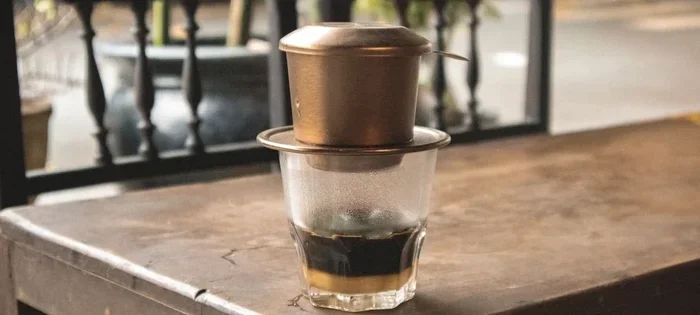
The traditional Vietnamese coffee maker is called a phin filter. It is a small, simple device that sits on top of your cup. Hot water goes in, coffee driws down slowly, and you end up with a strong, full-bodied brew. The phin relies on a specific grind size to work properly. Too fine and it clogs. Too coarse and it brews too fast and tastes weak. Getting the grind right is the foundation of great Vietnamese coffee.
Understanding Vietnamese Coffee and Why Grind Size Matters
Before we talk about specific grind sizes, let us understand why grind matters so much for Vietnamese coffee. Coffee brewing is all about extraction. Water pulls flavor compounds from the grounds. The speed and efficiency of this process depend on three things: grind size, water temperature, and brew time.
Vietnamese coffee uses a slow drip method. The phin filter holds the grounds and lets water pass through at a controlled rate. This is very similar to slow cooking a roast in the oven, where low and slow heat brings out the best flavors over time. In coffee, the slow drip allows for a deep, rich extraction that gives Vietnamese coffee its signature boldness.
If you use a grind that is too fine, the water cannot pass through. The brew gets stuck. You end up with over-extracted, bitter coffee. If the grind is too coarse, water rushes through too quickly. The result is weak, under-extracted coffee that tastes sour or thin. The sweet spot is a medium-coarse grind that balances extraction time and flavor.
The Science Behind Coffee Extraction
Extraction is the process of dissolving soluble compounds from coffee grounds into water. Different compounds extract at different rates. Large particles (coarse grind) extract slowly. Small particles (fine grind) extract quickly. Vietnamese coffee aims for a balanced extraction where sweet, caramel-like compounds come out without pulling too many bitter compounds.
Think of it like this. If you are slow cooking a roast in the oven, you want the heat low enough to bring out tenderness without burning. Vietnamese coffee works the same way. The grind size controls the “heat” of extraction. A medium-coarse grind gives you the perfect slow, even extraction that makes Vietnamese coffee so delicious.
The Best Grind Size for Vietnamese Coffee
The ideal grind for Vietnamese coffee is medium-coarse. It should look and feel like coarse sea salt or rough sand. Not powdery like flour. Not chunky like peppercorns. Somewhere in between.
Here is a simple way to visualize it:
- Too fine: Looks like powdered sugar or table salt. This will clog your phin filter and make bitter coffee.
- Ideal medium-coarse: Looks like coarse sea salt or kosher salt. This is the sweet spot for Vietnamese coffee.
- Too coarse: Looks like rough breadcrumbs or small pebbles. This will brew too fast and taste weak.
Most coffee experts agree that a medium-coarse grind gives you the best results with a phin filter. The water drips through at a steady pace, extracting just enough flavor to create that thick, syrupy body that Vietnamese coffee is known for.
How the Phin Filter Works with Your Grind
The phin filter has three main parts. The bottom chamber holds your cup. The middle chamber holds the coffee grounds. The top chamber is a press that pushes down gently. Hot water goes into the top chamber and slowly drips through the grounds.
If your grind is too fine, the grounds pack tightly and block the mesh screen. Water pools on top and takes forever to drip. Or worse, it does not drip at all. This over-extracts the coffee and brings out harsh, bitter flavors.
If your grind is too coarse, the water passes through too easily. There is not enough contact time for proper extraction. The coffee tastes thin and sour. You lose all the rich, complex flavors that make Vietnamese coffee special.
The medium-coarse grind lets water flow at just the right speed. It takes about 4 to 5 minutes for a full phin brew. That slow drip is what creates the concentrated, intense flavor profile that Vietnamese coffee lovers crave.
How to Grind Coffee Beans for Vietnamese Coffee
Now that you know the target grind size, let us talk about how to actually achieve it. The grinder you use matters a lot. Not all grinders are created equal.
Burr Grinder vs Blade Grinder
A burr grinder crushes beans between two revolving surfaces. This creates uniform particle sizes. Every ground coffee piece is roughly the same size. This is exactly what you want for Vietnamese coffee.
A blade grinder chops beans with a spinning blade. The result is inconsistent. You get a mix of fine dust and large chunks. This inconsistency leads to uneven extraction. Some parts of the coffee are over-extracted and bitter. Other parts are under-extracted and sour.
If you are serious about Vietnamese coffee, invest in a burr grinder. It does not need to be expensive. Even a budget burr grinder will give you better results than a high-end blade grinder. The consistency of your grounds directly affects the taste of your coffee.
Setting Your Grinder for the Right Size
Most burr grinders have numbered settings. The numbers vary by brand, so there is no universal setting. Here is how to find the right one for Vietnamese coffee:
- Start with a medium setting on your grinder.
- Grind a small amount and check the texture.
- It should feel like coarse sea salt between your fingers.
- Brew a cup using your phin filter.
- Check the drip rate. It should take 4 to 5 minutes.
- If it drips too fast, go finer. If it drips too slow or stops, go coarser.
This trial-and-error process is normal. Every bean, grinder, and phin filter is slightly different. Spend a few sessions dialing in your grind size. Once you find the sweet spot, note the setting on your grinder for future reference.
How Much Coffee to Use
A standard phin filter uses about 2 tablespoons of ground coffee for a 6-ounce cup. Use a kitchen scale for consistency. Aim for 14 to 16 grams of coffee per cup. The grind should fill the filter basket without being packed too tightly. A gentle tap levels the grounds, but do not press them down hard.
Common Mistakes People Make with Vietnamese Coffee Grind
Even experienced coffee lovers make mistakes with their grind. Here are the most common ones and how to avoid them.
Using Espresso Grind for Vietnamese Coffee
This is the number one mistake. Espresso requires a very fine grind. Vietnamese coffee does not. Using espresso grind in a phin filter will clog it completely. The water will not drip through, and you will end up with a bitter, over-extracted mess. If you are used to espresso, resist the urge to use the same grind setting for Vietnamese coffee.
Grinding Too Far in Advance
Coffee starts losing flavor the moment it is ground. Oxidation breaks down the aromatic compounds that give coffee its rich taste. Grind your beans right before brewing for the best flavor. If you must grind ahead, store the grounds in an airtight container and use them within 15 minutes.
Ignoring Bean Roast Level
The roast level of your beans affects how you should grind them. Dark roast beans are more brittle and extract faster. You may want to go slightly coarser with dark roast. Light roast beans are denser and extract slower. A slightly finer grind can help with light roasts. Pay attention to how your coffee tastes and adjust accordingly.
Skipping the Bloom
The bloom is a step where you wet the grounds before brewing. Pour a small amount of hot water over the grounds and wait 30 seconds. This allows the coffee to release carbon dioxide. The bloom leads to a more even extraction and a smoother cup of coffee. Do not skip this step, especially with freshly ground beans.
Tips for Perfect Vietnamese Coffee Every Time
Getting the grind right is the biggest factor, but a few other tips can elevate your Vietnamese coffee game. Here are practical steps you can take today.
Use the Right Water Temperature
Water temperature affects extraction just like grind size does. The ideal temperature is between 195 and 205 degrees Fahrenheit. Boiling water is too hot and can scorch the grounds, making the coffee taste bitter. If you do not have a thermometer, boil the water and then let it sit for 30 seconds before pouring.
Do Not Press the Grounds
When you add coffee to the phin filter, give it a gentle shake to level the surface. Do not press down with the press lid. Pressing compacts the grounds and slows the drip too much. This leads to over-extraction and bitterness. Let the phin do its work naturally.
Use Sweetened Condensed Milk the Right Way
Traditional Vietnamese iced coffee, or cà phê sữa đá, uses sweetened condensed milk at the bottom of the cup. The strong hot coffee drips over the milk and creates a sweet, creamy drink. Stir well before adding ice. The condensed milk blends with the hot coffee and creates that signature Vietnamese flavor that is impossible to resist.
Clean Your Phin Filter Regularly
Old coffee oils build up in the phin filter over time. These oils go rancid and affect the taste of your coffee. Rinse your phin filter with hot water after every use. Give it a deep clean with warm soapy water once a week. A clean filter ensures that nothing interferes with the pure taste of your coffee.
Experiment with Different Beans
Vietnamese coffee traditionally uses robusta beans, which are bold and earthy with higher caffeine content. But arabica beans work well too, especially if you prefer a smoother, sweeter taste. Try different beans and find what you like best. The grind size might need slight adjustments depending on the bean you choose.
Quick Comparison: Grind Sizes for Different Brewing Methods
It helps to see how Vietnamese coffee grind compares to other methods. Here is a quick look at how grind size varies across popular brewing styles.
- Vietnamese Coffee (Phin Filter): Medium-coarse, like sea salt. Slow drip over 4 to 5 minutes.
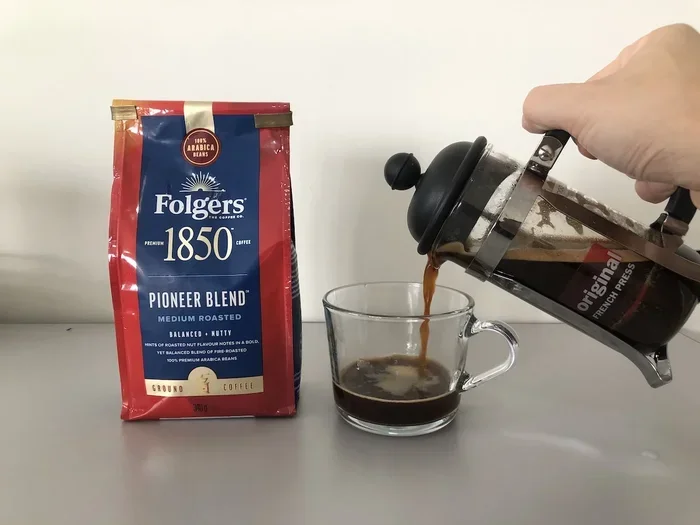
- French Press: Coarse, like sea salt chunks. Steeps for 4 minutes.
- Drip Coffee Maker: Medium, like sand. Brews in 5 to 6 minutes.
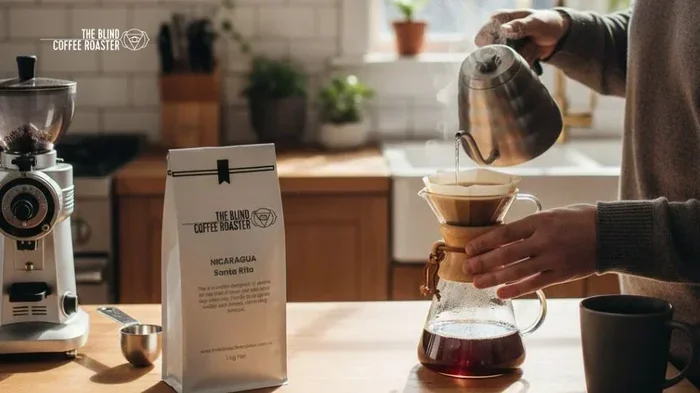
- Pour Over: Medium, like table salt. Brews in 3 to 4 minutes.
- Espresso: Very fine, like powdered sugar. Extracts in 25 to 30 seconds.
- Turkish Coffee: Extra fine, like flour. No filtration, settles to the bottom.
As you can see, Vietnamese coffee falls in the medium-coarse range. It is coarser than drip or pour over but finer than French press. This middle ground is what gives Vietnamese coffee its unique balance of strength and smoothness.
Key Takeaways
- Medium-coarse is the right grind: Think coarse sea salt for your Vietnamese coffee phin filter.
- Burr grinders give the best results: Consistent particle size means even extraction and better flavor.
- Avoid espresso grind at all costs: It will clog your phin and make bitter coffee.
- Grind fresh every time: Coffee loses flavor quickly after grinding. Brew within 15 minutes.
- Drip time should be 4 to 5 minutes: If it is faster or slower, adjust your grind size.
- Bloom your grounds first: A 30-second bloom improves extraction and flavor.
- Clean your phin regularly: Old oils ruin the taste of your coffee over time.
Conclusion
The best grind type for Vietnamese coffee is medium-coarse. It is simple, but it makes all the difference. A proper medium-coarse grind lets your phin filter work the way it was designed. You get a slow, steady drip that extracts rich, bold, and perfectly balanced flavor.
Remember that grind size is not set in stone. It is a starting point that you adjust to your taste. If your coffee tastes bitter, go coarser. If it tastes weak or sour, go slightly finer. Every bean, every roaster, and every phin filter is slightly different. The beauty of Vietnamese coffee is in the process. It is slow, intentional, and deeply satisfying.
Invest in a good burr grinder. Use fresh beans. Grind right before brewing. Pay attention to your drip time. Follow these steps and you will brew Vietnamese coffee that rivals any café in Hanoi or Saigon. The perfect cup starts with the perfect grind. Now go make yours.
Frequently Asked Questions
Can I use a regular coffee grinder for Vietnamese coffee?
Yes, but a burr grinder is much better than a blade grinder. A burr grinder gives you consistent particle size, which is essential for proper extraction in a phin filter. Blade grinders create uneven grounds that lead to inconsistent brewing and poor flavor.
What happens if my grind is too fine for Vietnamese coffee?
If your grind is too fine, the phin filter will clog. Water will pool on top and take a very long time to drip through, or it may not drip at all. This causes over-extraction, resulting in bitter, harsh coffee. Always aim for a medium-coarse texture to avoid this problem.
Is Vietnamese coffee grind the same as French press grind?
Not exactly. French press grind is coarse, like large sea salt chunks. Vietnamese coffee grind is medium-coarse, more like regular coarse sea salt. The phin filter has a finer mesh than a French press, so it needs a slightly finer grind to work properly.
How long should Vietnamese coffee take to brew in a phin filter?
A full brew should take about 4 to 5 minutes. If it takes less than 3 minutes, your grind is too coarse. If it takes longer than 6 minutes, your grind is too fine. Adjust accordingly until you hit the sweet spot.
Should I use robusta or arabica beans for Vietnamese coffee?
Traditional Vietnamese coffee uses robusta beans, which are bold, earthy, and high in caffeine. Arabica beans produce a smoother, sweeter cup. You can use either, but adjust your grind slightly. Dark robusta may need a coarser grind, while lighter arabica may benefit from a slightly finer setting.
Can I make Vietnamese coffee without a phin filter?
The phin filter is traditional and gives the best results, but you can approximate the method using a pour-over dripper with a medium-coarse grind. The key is the slow drip process. A paper filter will change the texture slightly, but you can still achieve a rich, strong cup of coffee.