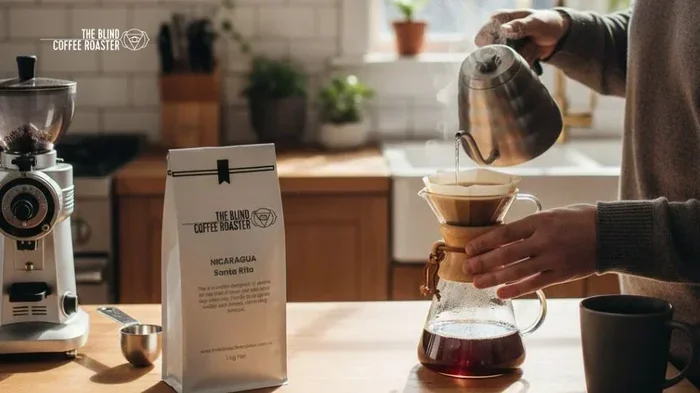
How To Make Nicaraguan Coffee With Bold Rich Flavor
Nicaraguan coffee is famous worldwide for its bold, rich, and smooth flavor profile that coffee lovers crave. Making Nicaraguan coffee at home is easier than you think, and with the right beans and technique, you can enjoy a café-quality cup in minutes. This guide walks you through everything from selecting the best beans to mastering your brew.
There is something magical about a cup of Nicaraguan coffee. It hits different. The bold richness wraps around your senses, and the smooth finish lingers just long enough to make you savor every sip. Nicaragua sits in the heart of Central America, and its volcanic soil, tropical climate, and high altitude create some of the most sought-after coffee beans on the planet.
If you have ever wondered how to make Nicaraguan coffee at home and recreate that bold, rich flavor, you are in the right place. This guide covers everything you need to know. From choosing the right beans to nailing your brew method, we will walk you through each step in simple, practical terms. Whether you are a beginner or a seasoned coffee lover, you will find valuable tips here.
Making great coffee at home does not require expensive equipment or years of experience. It requires good beans, the right technique, and a little patience. Let us dive in and explore the world of Nicaraguan coffee together.
Key Takeaways
- Nicaraguan coffee beans are grown in volcanic soil, which gives them a unique bold and rich taste you cannot find in other regions.
- Using fresh, whole beans and proper grind size is essential for extracting the full flavor of Nicaraguan coffee.
- Multiple brewing methods work well for Nicaraguan coffee, including drip, pour-over, and French press.
- Water temperature and ratio matter a lot. Getting these right makes a huge difference in taste.
- Pairing Nicaraguan coffee with roasted almonds or dried lemon balm can enhance your coffee experience.
- Avoid common mistakes like using stale beans or boiling water, which can ruin the flavor.
📑 Table of Contents
- What Makes Nicaraguan Coffee So Special
- Choosing the Best Beans for Bold Flavor
- Equipment You Need to Brew Nicaraguan Coffee
- Step-by-Step Guide to Brewing Nicaraguan Coffee
- Tips for Getting the Boldest, Richest Flavor
- Common Mistakes That Ruin Nicaraguan Coffee
- Pairing Nicaraguan Coffee with Food
- Exploring Nicaraguan Coffee Regions
- Final Thoughts on Making Nicaraguan Coffee
What Makes Nicaraguan Coffee So Special
Nicaragua is one of the top coffee-producing countries in Central America. Its coffee has a reputation for being bold, smooth, and naturally rich. But what exactly sets it apart from other coffees? The answer lies in a combination of geography, climate, and tradition.
The Volcanic Soil Factor
Nicaragua is home to several active volcanoes. The ash from these volcanoes creates incredibly mineral-rich soil. Coffee plants grown in this soil absorb nutrients that give the beans a distinctive depth of flavor. This is why Nicaraguan coffee beans often taste more complex and full-bodied than beans from other regions.
Altitude and Climate
Most Nicaraguan coffee farms sit at high elevations, usually between 800 and 1,500 meters above sea level. Higher altitudes mean cooler temperatures, which slow down the coffee cherry’s growth. This slower development allows the beans to develop more concentrated flavors. The result is a cup with bright acidity, natural sweetness, and a clean finish.
Traditional Farming Methods
Many Nicaraguan coffee farms still use traditional, hand-picking methods. Farmers selectively harvest only the ripest cherries. This care at the farm level translates directly into a better cup in your mug. When you learn how to make Nicaraguan coffee at home, you are essentially bringing this artisanal quality to your kitchen.
Choosing the Best Beans for Bold Flavor
The foundation of any great cup of coffee is the bean. If you want that signature bold and rich Nicaraguan flavor, your bean selection matters more than anything else. Here is what you need to know.
Types of Nicaraguan Coffee Beans
Nicaragua grows primarily Arabica coffee, and within that category, you will find several varieties:
- Bourbon: Known for its sweetness and balanced acidity. Bourbon beans from Nicaragua deliver a smooth, chocolatey cup.
- Typica: One of the oldest coffee varieties. Typica beans produce a clean, bright cup with floral notes.
- Catuai: A hybrid variety that is hardy and productive. Catuai beans offer a nutty, slightly sweet flavor profile.
- Maragogype: Also called “elephant beans” because of their large size. These beans produce a mild, complex cup with low acidity.
Whole Beans vs. Pre-Ground
Always buy whole beans when possible. Pre-ground coffee loses its freshness fast. Whole beans stay flavorful much longer, and you can grind them right before brewing. This simple change makes a noticeable difference in the boldness and richness of your cup.
Roast Level Matters
For authentic Nicaraguan flavor, look for a medium to medium-dark roast. This roast level brings out the beans’ natural sweetness while adding a pleasant roasted depth. Avoid very dark roasts, as they can mask the unique characteristics that make Nicaraguan coffee special.
Fun fact: if you enjoy roasting your own beans, you can even try roasting whole almonds in the oven as a snack to pair alongside your coffee. The nutty flavor complements Nicaraguan beans beautifully.
Equipment You Need to Brew Nicaraguan Coffee
You do not need fancy gear to brew excellent Nicaraguan coffee. The right equipment helps, but simplicity works just as well. Here are the essentials.
Grinder
A burr grinder is your best friend. It produces a consistent grind size, which is critical for even extraction. Blade grinders work in a pinch, but they create an uneven mix of fine and coarse particles. This inconsistency leads to a cup that tastes either bitter or weak.
Brewing Device
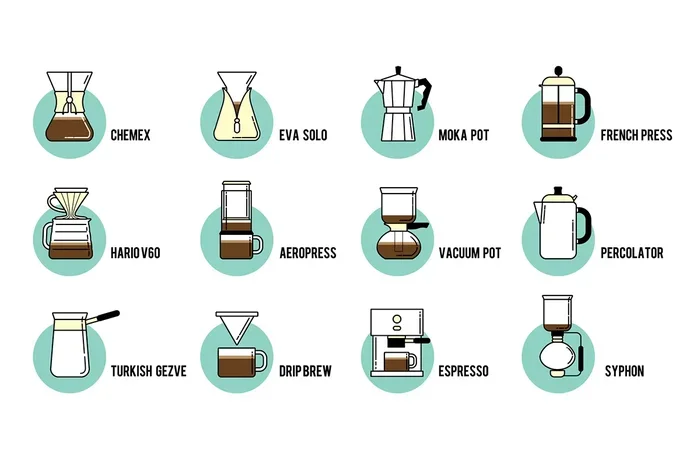
Several brewing methods bring out the best in Nicaraguan beans:
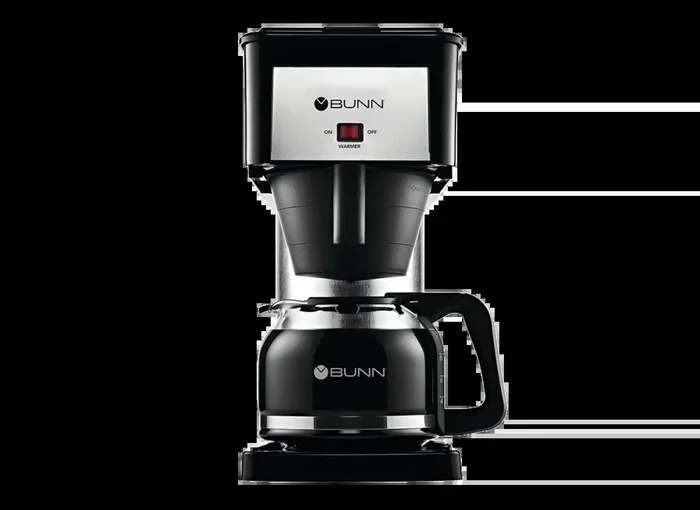
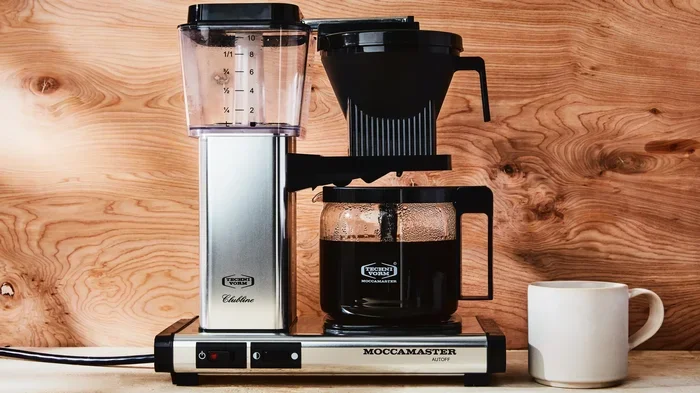
- Drip Coffee Maker: The most common method. It is simple, reliable, and produces a clean cup.
- Pour-Over: Gives you more control over the brewing process. The result is a brighter, more nuanced cup.
- French Press: Produces a full-bodied, rich cup with more oils in the finished coffee.
- AeroPress: Compact and versatile. Great for experimenting with different brew times and pressures.
Kettle and Water
Use filtered water for the best results. Tap water can contain chlorine and minerals that affect the taste of your coffee. A gooseneck kettle gives you precise control over water flow, especially when using a pour-over method.
Keeping your brewing equipment clean is just as important as the beans you use. Residue from previous brews can taint the flavor of your next cup. If you use a toaster oven for any kitchen tasks, consider learning how to clean your Cosori air fryer toaster oven regularly to maintain a fresh kitchen environment that supports your coffee ritual.
Step-by-Step Guide to Brewing Nicaraguan Coffee
Now that you have your beans and equipment ready, let us get to the fun part. Here is a simple, proven method for brewing bold, rich Nicaraguan coffee at home.
Step 1: Measure Your Beans
Start with two tablespoons of whole beans per six ounces of water. This ratio works well for most brewing methods. You can adjust it to taste, but this is a solid starting point.
Step 2: Grind the Beans
Grind your beans just before brewing. For drip coffee, use a medium grind, similar to the texture of coarse sand. For a French press, go with a coarse grind. For pour-over, a medium-fine grind works best. The grind size directly affects how water interacts with the coffee, so do not skip this step.
Step 3: Heat the Water
Heat your filtered water to between 195 and 205 degrees Fahrenheit. Boiling water (212°F) is too hot and can scorch the grounds, leading to a bitter taste. If you do not have a thermometer, bring the water to a boil and then let it sit for about 30 seconds.
Step 4: Brew the Coffee
Place the ground coffee in your filter or press. Start the brewing process by pouring a small amount of water over the grounds first. Wait about 30 seconds. This step, called “blooming,” allows the coffee to release carbon dioxide and unlocks deeper flavors. Then continue pouring the remaining water slowly and evenly.
Step 5: Serve and Enjoy
Once the brewing is complete, serve the coffee immediately. Nicaraguan coffee tastes best when it is fresh and hot. Do not let it sit on a hot plate for too long, as this can make it bitter.
Pro Tip: Try Adding a Twist
Want to experiment with your cup? Dried lemon balm makes a wonderful herbal addition to coffee. You can dry lemon balm in the oven at a low temperature and crumble a small amount into your brew. It adds a subtle citrus brightness that pairs beautifully with the bold, chocolatey notes of Nicaraguan coffee.
Tips for Getting the Boldest, Richest Flavor
You have the basics down. Now let us take your Nicaraguan coffee to the next level with these expert tips.
Use the Right Water Ratio
The golden ratio for coffee brewing is roughly 1:16. That means one part coffee to 16 parts water. If your coffee tastes too weak, use a little more grounds. If it tastes too strong, add a bit more water. Small adjustments make a big impact.
Store Beans Properly
Keep your beans in an airtight container at room temperature. Avoid storing them in the freezer, as moisture and odors can damage the flavor. Buy beans in small quantities so you always use fresh coffee within two to four weeks of roasting.
Preheat Your Equipment
Before you start brewing, rinse your filter with hot water. This removes any papery taste and preheats your brewer. A cold brewer absorbs heat from the water, which can lower the brewing temperature and result in a weaker cup.
Experiment with Brew Time
Different methods require different brew times. A drip coffee maker usually takes about five minutes. A French press needs about four minutes of steeping. A pour-over takes three to four minutes. Adjusting the brew time even by 30 seconds can change the flavor profile significantly.
Freshness Is Everything
Buy beans that have been roasted within the last two weeks. Check the roast date on the bag, not just the expiration date. Freshly roasted beans produce more crema, more aroma, and a more vibrant cup of coffee.
Common Mistakes That Ruin Nicaraguan Coffee
Even with great beans, simple mistakes can undermine your efforts. Here are the most common errors to avoid.
- Using stale beans: Old beans lose their oils and flavor. Your coffee will taste flat and dull.
- Grinding too fine or too coarse: The wrong grind size leads to over-extraction or under-extraction. Both result in bad taste.
- Using boiling water: Water that is too hot burns the coffee grounds and creates a bitter, harsh cup.
- Skipping the bloom: Not letting the coffee bloom means you miss out on a layer of flavor complexity.
- Using tap water: Chlorine and heavy minerals in tap water interfere with the natural taste of the coffee.
- Not cleaning your equipment: Oil buildup from previous brews goes rancid and taints the flavor of fresh coffee.
Avoiding these six mistakes alone will dramatically improve your cup. Pair that with good beans and proper technique, and you will be drinking coffee that rivals the best cafés.
Pairing Nicaraguan Coffee with Food
Nicaraguan coffee has a bold, slightly sweet, and chocolatey profile. It pairs wonderfully with certain foods. Here are some ideas to elevate your coffee experience.
- Fresh pastries: The buttery, flaky texture of a croissant or concha balances the boldness of Nicaraguan coffee perfectly.
- Dark chocolate: Both share similar flavor notes. A piece of dark chocolate alongside your cup enhances the chocolatey undertones.
- Toasted nuts: Almonds, in particular, complement the nutty undertones of Nicaraguan beans. If you are preparing them at home, you can roast whole almonds in the oven for a fresh, aromatic snack.
- Breakfast eggs: A simple plate of scrambled or fried eggs alongside a hot cup of bold coffee makes for a satisfying morning routine.
The key is to pair foods that do not overpower the coffee. Let the rich, bold flavor of the Nicaraguan beans shine, and use the food as a complement.
Exploring Nicaraguan Coffee Regions
Nicaragua has several distinct coffee-growing regions, each producing beans with unique characteristics. Knowing these regions helps you choose beans that match your taste preferences.
| Region | Flavor Profile | Altitude |
|---|---|---|
| Matagalpa | Bold, chocolatey, full-bodied | 1,000-1,500m |
| Jinotega | Bright, floral, citrusy | 1,200-1,700m |
| Estelí | Nutty, sweet, smooth | 800-1,200m |
| Nueva Segovia | Complex, wine-like acidity | 1,200-1,600m |
If you love a bold and rich cup, start with beans from Matagalpa or Estelí. If you prefer something brighter and more nuanced, try Jinotega or Nueva Segovia. Exploring different regions is part of the fun of learning how to make Nicaraguan coffee at home.
Final Thoughts on Making Nicaraguan Coffee
Making Nicaraguan coffee at home is a rewarding experience. It connects you to a rich tradition of coffee growing and craftsmanship that spans generations in Central America. With the right beans, proper technique, and a little attention to detail, you can brew a cup that is bold, rich, and full of character.
Start with fresh, whole beans from a reputable source. Grind them just before brewing. Use clean, filtered water at the right temperature. And take your time. Coffee is not just a drink. It is a ritual. A moment of calm in a busy day. A chance to savor something truly special.
Now that you know how to make Nicaraguan coffee with bold, rich flavor, it is time to put these tips into practice. Grab your favorite beans, fire up your brewer, and enjoy every sip. Your perfect cup is waiting.
Frequently Asked Questions
What is the best grind size for Nicaraguan coffee?
A medium grind works best for most brewing methods like drip coffee makers and pour-overs. For French press, use a coarse grind. For AeroPress, a medium-fine grind is ideal. The grind size affects how water extracts the flavors from the coffee, so matching it to your brewing method is essential for the best results.
Can I use pre-ground Nicaraguan coffee?
You can, but the flavor will not be as vibrant as with freshly ground beans. Pre-ground coffee loses its aroma and oils quickly after grinding. If you must use pre-ground, store it in an airtight container and use it within a week for the best flavor possible.
Why is my Nicaraguan coffee tasting bitter?
Bitterness usually comes from water that is too hot, a grind that is too fine, or brewing for too long. Try lowering your water temperature to around 200 degrees Fahrenheit, using a coarser grind, or reducing the brew time by 30 seconds. These small changes can eliminate bitterness and bring out the natural sweetness of the beans.
How do I store Nicaraguan coffee beans to keep them fresh?
Store your beans in an airtight container at room temperature, away from direct sunlight and moisture. Do not store them in the freezer, as temperature changes cause condensation that damages the beans. Buy beans in small quantities and use them within two to four weeks of opening the bag.
What makes Nicaraguan coffee different from other Central American coffees?
Nicaraguan coffee stands out because of its volcanic soil, high-altitude growing conditions, and traditional hand-picking methods. These factors combine to produce beans with a uniquely bold, rich, and smooth flavor profile. The specific region within Nicaragua also plays a big role in the final taste of the coffee.
Can I add milk or sugar to Nicaraguan coffee?
Absolutely. While many coffee enthusiasts enjoy Nicaraguan coffee black to appreciate its full flavor profile, adding a splash of milk or a touch of sugar is perfectly fine. The bold, chocolatey notes of Nicaraguan beans hold up well to milk, and a small amount of sugar can enhance the natural sweetness of the coffee.