Is Cold Brew Better Than Iced Coffee for Your Morning
Is cold brew better than iced coffee for your morning? Cold brew is smoother, less acidic, and packed with caffeine, while iced coffee is quick to make and bold in flavor. Both are fantastic, but the right choice depends on your taste, schedule, and caffeine needs. This guide breaks down everything you need to know.
Every morning, millions of people reach for a cold cup of coffee to kickstart their day. But when you walk into your kitchen, you face a big question: should you make cold brew or stick with classic iced coffee?
The answer is not as simple as you might think. Cold brew and iced coffee are not the same drink. They use different methods, create different flavors, and even affect your body in unique ways. If you have ever wondered which one deserves a spot in your morning routine, you are in the right place.
In this article, we will break down everything you need to know about cold brew vs iced coffee. We will look at how each drink is made, compare their taste and caffeine levels, and help you decide which one fits your morning best. Let us dive in.
Key Takeaways
- Cold brew is smoother and less acidic: The long steeping process creates a milder flavor that is gentle on your stomach.
- Iced coffee is fast and convenient: You can brew a fresh cup in minutes using hot coffee and ice.
- Cold brew has more caffeine: The cold water extraction pulls out more caffeine per serving than traditional hot brewing.
- Both are easy to make at home: You do not need fancy equipment to enjoy either style of coffee.
- Cold brew lasts longer in the fridge: A batch can stay fresh for up to two weeks, saving you time during busy mornings.
- Your morning routine matters: Choose cold brew for a smooth, strong start or iced coffee for a quick, bold pick-me-up.
📑 Table of Contents
What Is Cold Brew Coffee?
Cold brew is a coffee brewing method that uses cold or room-temperature water instead of hot water. The process is simple but takes time. You mix coarse coffee grounds with cold water and let the mixture sit for 12 to 24 hours. This long steeping period is what gives cold brew its signature smooth taste.
How Cold Brew Is Made
Making cold brew at home is easy and does not require any special gear. Here is a basic process:
- Add coarse coffee grounds to a jar or pitcher.
- Pour cold or room-temperature water over the grounds.
- Stir gently to make sure all grounds are wet.
- Cover and let it sit in the fridge for 12 to 24 hours.
- Strain the mixture through a fine mesh sieve or cheesecloth.
- Serve over ice and enjoy your smooth cold brew coffee.
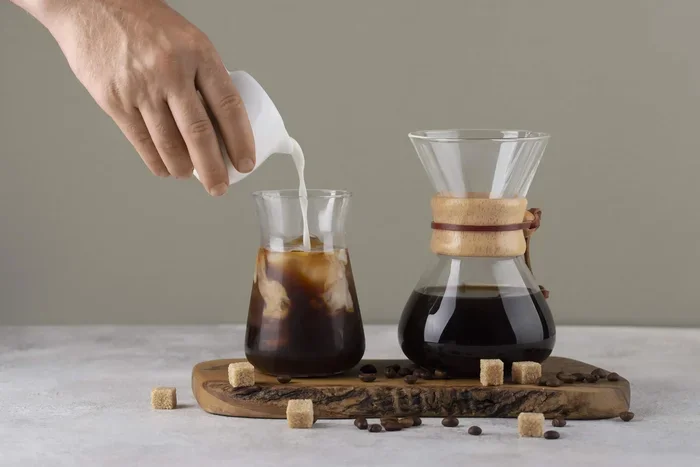
The result is a concentrated coffee that you can dilute with water, milk, or your favorite creamer. Because the water stays cold throughout the process, fewer bitter compounds are extracted from the coffee grounds. This is why cold brew tastes so smooth and sweet compared to other brewing methods.
One thing to keep in mind is that you need to plan ahead. You cannot whip up a cup of cold brew in five minutes. The steeping time is the trade-off for that incredible flavor. But many coffee lovers say it is worth the wait.
What Is Iced Coffee?
Iced coffee is exactly what it sounds like: hot brewed coffee that is cooled down and served over ice. It is one of the most popular drinks at coffee shops and one of the easiest to make at home. You brew your favorite coffee using hot water, let it cool, pour it over ice, and add any extras you like.
How Iced Coffee Is Made
The process for making iced coffee is straightforward:
- Brew a strong pot of coffee using your preferred method (drip, pour-over, or French press).
- Let the hot coffee cool down to room temperature.
- Pour the coffee over a full glass of ice.
- Add milk, sugar, or flavored syrup if you like.
- Drink and enjoy your refreshing iced coffee.
The biggest advantage of iced coffee is speed. From start to finish, you can have a glass of iced coffee in about 10 to 15 minutes. This makes it perfect for those rushed mornings when you do not have time to wait overnight.
Iced coffee also lets you use any coffee you already have at home. Whether you prefer a light roast or a dark roast, you can make iced coffee with it. The hot brewing process brings out bold, rich flavors that some people love. However, those same compounds can also create a more bitter or acidic taste compared to cold brew.
Cold Brew vs Iced Coffee: The Key Differences
Now that you know what each drink is, let us look at how they compare. Understanding the differences will help you pick the right one for your morning.
Brewing Method
The main difference is in how the coffee is extracted. Cold brew uses cold water and a long steeping time. Iced coffee uses hot water and a short brewing time, then gets chilled. These two approaches lead to very different results in both flavor and caffeine content.
Time and Convenience
Time is a huge factor. Cold brew requires 12 to 24 hours of planning ahead. Iced coffee, on the other hand, takes just minutes. If you wake up late and need coffee fast, iced coffee wins every time. But if you prepare your cold brew the night before, you can grab a ready-to-drink glass in the morning without any extra effort.
Some people like to make a big batch of cold brew at the start of the week. A single batch can last for up to two weeks in the fridge. This is a huge time-saver for busy mornings. Think of it like meal prepping, but for your coffee. You could also compare this efficiency to how an air fryer saves time compared to an oven by working faster for your cooking needs.
Taste and Flavor Profile
This is where things get really interesting. Cold brew has a naturally sweet, smooth, and mellow flavor. The low-temperature extraction pulls out the pleasant flavors while leaving behind many of the bitter compounds. The result is a cup that feels soft and easy to drink, even without added sugar or cream.
Iced coffee, by contrast, has a bolder and more complex flavor profile. The hot brewing process extracts more of the oils and acids in the coffee grounds. This gives iced coffee a richer taste that some people find more satisfying. However, it can also taste slightly bitter or acidic, especially if you use a dark roast or brew for too long.
If you have a sensitive stomach, cold brew is often the better choice. Its lower acidity means it is less likely to cause discomfort. If you love a strong, bold punch of flavor, iced coffee might be your go-to.
Caffeine Content
Cold brew coffee generally has more caffeine than iced coffee. This is because the cold water extraction process pulls out more caffeine from the grounds over the long steeping period. A typical serving of cold brew can have anywhere from 100 to 200 milligrams of caffeine, depending on how concentrated you make it.
Iced coffee usually has around 80 to 100 milligrams of caffeine per serving, which is similar to a regular hot cup of coffee. However, because iced coffee is often diluted with ice as it melts, the caffeine per sip can be lower.
If you need a strong caffeine boost to get your morning going, cold brew is the clear winner. But if you are sensitive to caffeine, iced coffee might be a better fit since you can easily control the strength by adding more ice or water.
Acidity and Stomach Comfort
One of the biggest advantages of cold brew is its low acidity. Studies have shown that cold brew coffee can be up to 67% less acidic than hot-brewed coffee. This is great news for people who deal with acid reflux, heartburn, or sensitive stomachs.
Iced coffee is brewed with hot water, which extracts more acid from the coffee grounds. This means it can be harder on your stomach, especially if you drink it on an empty stomach in the morning. If you often feel discomfort after drinking coffee, switching to cold brew might make a big difference.
It is also worth noting that the type of mug or glass you use can affect your drinking experience. For example, if you enjoy serving cold drinks in ceramic vessels, you might want to check if your ceramic bowl is oven safe before using it for any hot kitchen tasks.
Which One Has More Caffeine?
The caffeine content is one of the most talked-about differences between these two drinks. Let us break it down clearly.
| Factor | Cold Brew | Iced Coffee |
|---|---|---|
| Caffeine per serving (approx.) | 100 – 200 mg | 80 – 100 mg |
| Brewing method | Cold water, 12-24 hours | Hot water, 5-10 minutes |
| Concentration | Higher (needs diluting) | Standard strength |
| Effect of ice dilution | Less melting affects strength | Melting ice reduces caffeine per sip |
| Best for caffeine boost | Yes | Moderate boost |
As you can see, cold brew packs more caffeine per serving. But remember, cold brew is often a concentrate. When you dilute it with water or milk, the caffeine level goes down. Still, even after dilution, cold brew tends to have more caffeine than a standard glass of iced coffee.
If you are someone who relies on coffee for an energy boost, this is an important factor. Cold brew can give you a stronger and longer-lasting kick to start your day. Iced coffee, while still effective, may not give you the same level of alertness.
How to Make Cold Brew at Home
Making cold brew at home is simple, affordable, and incredibly rewarding. You do not need a fancy coffee maker or expensive equipment. All you need are coffee grounds, cold water, and a little patience.
Step-by-Step Cold Brew Recipe
- Measure out one cup of coarse coffee grounds.
- Add the grounds to a large jar or pitcher.
- Pour four cups of cold filtered water over the grounds.
- Stir gently to make sure everything is evenly saturated.
- Cover the jar and place it in the refrigerator.
- Let it steep for 12 to 24 hours.
- Strain the mixture through a fine mesh sieve or cheesecloth.
- Store the cold brew concentrate in the fridge for up to two weeks.
When you are ready to drink, mix one part cold brew concentrate with one part water or milk. Add ice, and your smooth, refreshing cup is ready. You can adjust the ratio to make it stronger or weaker based on your preference.
Pro tip: use a glass jar or a ceramic pitcher for storing your cold brew. Just make sure any kitchen tools you use are appropriate for the task. For instance, if you ever need to heat something in the oven, check that your skillet is oven safe before putting it under high heat.
Tips for the Best Cold Brew
- Use coarse grounds to avoid a gritty texture.
- Filtered water makes a cleaner, better-tasting brew.
- Longer steeping time means a stronger concentrate.
- Always strain twice for a smooth final product.
- Experiment with different coffee beans to find your favorite flavor.
Which One Is Better for Your Morning?
The answer to this question depends on what you value most in your morning coffee. Let us look at a few scenarios to help you decide.
Choose Cold Brew If…
- You want a smooth, low-acid coffee that is gentle on your stomach.
- You need a strong caffeine boost to power through your morning.
- You like to prep your coffee the night before for a grab-and-go routine.
- You enjoy a sweet, mellow flavor without adding sugar.
- You want a batch that lasts all week in the fridge.
Choose Iced Coffee If…
- You want coffee fast and do not have time to wait overnight.
- You love bold, rich flavors with a bit of bitterness.
- You want to use whatever coffee you already have on hand.
- You prefer a lighter caffeine level that you can easily adjust.
- You like experimenting with different syrups, milks, and flavors.
Many coffee lovers end up making both drinks and switching between them based on their schedule. On busy weekdays, iced coffee is the quick fix. On relaxed weekends, cold brew is the slow, enjoyable ritual. There is no wrong choice here.
If you are serious about your morning coffee game, having both options available is the best approach. Keep instant or pre-brewed iced coffee ready for rushed mornings, and make a fresh batch of cold brew when you have more time. This way, you always have the perfect cup waiting for you.
It is also worth noting that your kitchen setup can play a role in how easy it is to make either drink. Having the right tools and containers makes the process smoother. Just as you would check if your cookware is safe for certain tasks, understanding your kitchen gear helps you make better coffee every day.
Common Mistakes to Avoid
Whether you are making cold brew or iced coffee, there are a few common mistakes that can ruin your drink. Here is what to watch out for:
- Using finely ground coffee for cold brew: Fine grounds will slip through your strainer and make the coffee gritty. Always use coarse grounds.
- Not enough steeping time: Cold brew needs at least 12 hours. Shortchanging the time leads to weak, watery coffee.
- Using too much ice too early: If you add ice to hot coffee right away, it dilutes the flavor before it cools. Let the coffee cool first.
- Using old or stale coffee grounds: Fresh grounds make a huge difference in flavor. Always check the roast date on your coffee bags.
- Forgetting to dilute cold brew concentrate: Cold brew concentrate is very strong. Drinking it straight can be overwhelming and too intense.
Avoiding these simple mistakes will immediately improve the quality of your coffee. A little attention to detail goes a long way.
Expert Tips for the Perfect Morning Coffee
Want to take your morning coffee to the next level? Here are some expert-backed tips that work for both cold brew and iced coffee:
- Use filtered water: The quality of your water affects the taste of your coffee more than you might think. Clean, filtered water brings out the best flavors.
- Keep your coffee beans fresh: Buy whole beans and grind them just before brewing for the freshest cup possible.
- Store cold brew properly: Keep your cold brew concentrate in an airtight container in the fridge. It stays fresh for up to 14 days.
- Experiment with ratios: Everyone has a different preference. Try different ratios of coffee to water until you find your perfect cup.
- Add flavors naturally: Try vanilla extract, cinnamon, or cocoa powder instead of flavored syrups for a healthier twist.
These small changes can transform your morning coffee from ordinary to extraordinary. The best part is that they work for both cold brew and iced coffee, so you can enjoy them no matter which drink you prefer.
Final Thoughts
So, is cold brew better than iced coffee for your morning? The honest answer is that both drinks have their own unique strengths. Cold brew wins on smoothness, low acidity, and caffeine power. Iced coffee wins on speed, convenience, and bold flavor. The best choice is the one that fits your lifestyle, taste preferences, and morning routine.
If you are new to cold brew, we encourage you to try making a batch this weekend. It is incredibly easy, and the results are worth the wait. If you are short on time, a quick glass of iced coffee will always get the job done. The beauty of coffee is that there is no single right way to enjoy it.
Whichever drink you choose, make it a part of a morning routine that sets you up for success. A great cup of coffee, whether cold brew or iced, can turn an ordinary morning into an amazing one. So grab your favorite mug, pour yourself a glass, and start your day the way you like it.
Frequently Asked Questions
Is cold brew stronger than iced coffee?
Yes, cold brew generally has more caffeine than iced coffee. The cold water extraction process pulls out more caffeine from the grounds over the long steeping time. However, cold brew is often a concentrate, so diluting it with water or milk can reduce the caffeine per serving.
Can I make iced coffee using cold brew?
Absolutely. You can use cold brew concentrate as the base for your iced coffee. Simply dilute the concentrate with cold water or milk, add ice, and you have a smooth and refreshing iced coffee. This method gives you the best of both worlds.
Which is easier to make at home?
Iced coffee is easier and faster to make because you just brew hot coffee and pour it over ice. Cold brew requires planning ahead since it needs 12 to 24 hours to steep. But once you have a batch ready, cold brew is just as easy to serve.
Is cold brew less acidic than iced coffee?
Yes, cold brew is significantly less acidic than iced coffee. The cold water extraction process pulls out fewer acidic compounds from the coffee grounds. This makes cold brew a great choice for people with sensitive stomachs or acid reflux issues.
How long does cold brew last in the fridge?
Cold brew concentrate can last up to two weeks when stored in an airtight container in the refrigerator. After that, the flavor starts to decline. Always use clean utensils when handling your cold brew to keep it fresh longer.
Does iced coffee taste different from hot coffee?
Yes, iced coffee can taste slightly different from hot coffee. The cooling process and the melting ice can change the flavor profile. Iced coffee often tastes smoother and less intense than hot coffee, and the cold temperature brings out different flavor notes.
=== CONCLUSION ===
Is cold brew better than iced coffee for your morning? Both drinks have their place in a great morning routine. Cold brew offers smooth, low-acid coffee with a strong caffeine punch. Iced coffee delivers bold flavor in minutes with zero wait time. The best approach is to try both and see which one fits your taste and schedule.
Start your morning right by choosing the coffee that works for you. Whether you prefer the slow, smooth process of cold brew or the quick convenience of iced coffee, the most important thing is that you enjoy your cup. Here is to better mornings and better coffee.