What To Use To Descale Keurig Coffee Maker At Home
Descaling your Keurig coffee maker is essential for great-tasting coffee and a long-lasting machine. You can use white vinegar, citric acid, or a dedicated Keurig descaling solution to break down mineral buildup inside the water reservoir and heating elements. This guide walks you through every method, step by step, so you can clean your Keurig safely at home.
Your Keurig coffee maker works hard every morning to deliver that hot cup of joe you count on. But over time, hard water minerals build up inside the machine. This buildup, often called limescale or calcium deposits, can slow down brewing, affect the taste of your coffee, and even damage internal parts. The good news? Descaling is simple, cheap, and something you can do right at home.
In this guide, we will walk you through exactly what to use to descale Keurig coffee maker machines. We will cover the best descaling agents, step-by-step instructions, and tips to keep your machine running smoothly. Whether you prefer a natural approach or a store-bought solution, we have you covered. Let us get into it.
Key Takeaways
- White vinegar is the most affordable and effective descaling agent for Keurig machines.
- Citric acid offers a vinegar-free alternative that leaves no lingering smell.
- Keurig’s own descaling solution is formulated specifically for the machine.
- Descale every 3 to 6 months to prevent mineral buildup and maintain brewing performance.
- Always rinse your machine thoroughly after descaling to remove any residue.
- Regular cleaning of the water reservoir and needle helps extend your Keurig’s lifespan.
📑 Table of Contents
- Why Descaling Your Keurig Matters
- What To Use To Descale Keurig Coffee Maker
- Step-by-Step Descaling Instructions
- Common Mistakes To Avoid When Descaling
- Tips To Keep Your Keurig Running Great Between Descaling
- How To Know If Your Keurig Needs Descaling
- Comparing Descaling Methods
- Can You Use Descaling Solution From Other Brands?
- Final Thoughts
Why Descaling Your Keurig Matters
Every time you brew a cup, water passes through tiny tubes and heating elements inside your Keurig. Hard water contains minerals like calcium and magnesium. These minerals stick to the inside of your machine over time. This is what we call mineral buildup or scale.
Left unchecked, this buildup can cause real problems. Your coffee might taste bitter or off. The brewing time may slow down. In serious cases, the machine might stop working altogether. Descaling removes this scale and keeps your Keurig maintenance on track.
How Often Should You Descale?
Most Keurig manufacturers recommend descaling every 3 to 6 months. However, this depends on a few factors:
- Water hardness in your area. Hard water means more frequent descaling.
- How often you use the machine. Daily use means more buildup.
- The age of your machine. Older machines may need more frequent cleaning.
If you notice your Keurig descale light turning on, that is your machine telling you it is time. Do not ignore it. The light is a helpful reminder to keep your coffee tasting fresh.
What To Use To Descale Keurig Coffee Maker
Now for the main question: what to use to descale Keurig coffee maker machines. There are several proven options. Each has its own benefits. Let us break them down so you can pick the best one for your needs.
Option 1: White Vinegar
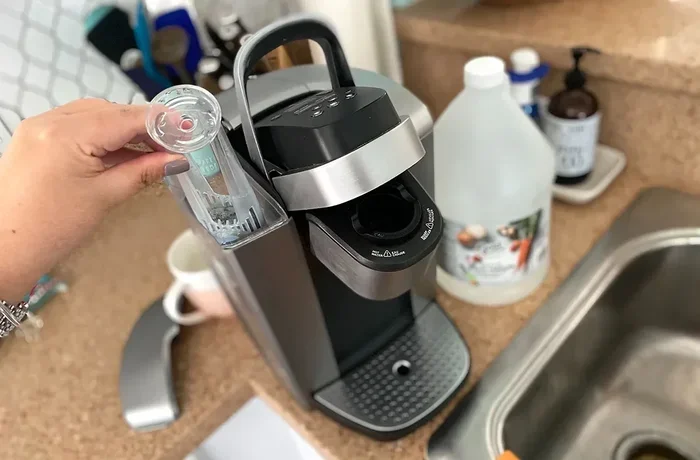
White vinegar is the most popular and affordable descaling option. It is a natural acid that breaks down mineral deposits effectively. Almost everyone has it in their pantry, which makes it incredibly convenient.
Why white vinegar works well:
- It is safe and non-toxic.
- It costs very little compared to commercial products.
- It is readily available at any grocery store.
- It effectively removes limescale and calcium deposits.
The main downside is the smell. Vinegar has a strong odor that can linger for a short time. But do not worry. A few extra rinse cycles will eliminate the smell completely.
Option 2: Citric Acid
Citric acid is a great vinegar-free alternative for descaling. It is a natural acid found in citrus fruits. You can buy citric acid powder online or at brewing supply stores. Many coffee lovers prefer it because it does not leave behind any smell.
Benefits of citric acid:
- No lingering odor.
- Very effective at dissolving mineral buildup.
- Easy to measure and use.
- Safe for all Keurig models.
If you want a clean option that smells fresh, citric acid is an excellent choice. It is also gentle on the internal components of your machine.
Option 3: Keurig Descaling Solution
Keurig sells its own descaling solution designed specifically for its machines. This product comes in a bottle and is formulated to safely remove scale without damaging any parts. It is the most convenient option if you want something made just for your Keurig.
Why use the official Keurig solution?
- It is tested and approved by Keurig.
- It is gentle on all internal components.
- It comes with clear instructions on the label.
- It leaves no residue after rinsing.
The downside is the cost. It is more expensive than vinegar or citric acid. But if convenience matters most to you, it is worth the investment.
Option 4: Lemon Juice
Lemon juice is another natural option. It contains citric acid, just like the powdered form. Fresh lemon juice works well for light descaling tasks. It is a good option if you only need a gentle clean.
However, lemon juice is not as concentrated as pure citric acid or vinegar. For heavy buildup, you may need to use it more than once or combine it with another method.
Option 5: Commercial Coffee Machine Cleaners
Beyond Keurig’s own product, several other coffee machine cleaners work well. Brands like Urnex and Dezcal make descaling solutions specifically for single-serve machines. These products are formulated to remove scale quickly and thoroughly.
When choosing a commercial cleaner, look for one that is safe for plastic and rubber parts. You do not want a harsh chemical to damage your Keurig parts. Always read the label before using any product.
Step-by-Step Descaling Instructions
Now that you know your options, let us walk through the actual process. The steps are very similar no matter which descaling agent you choose. Here is how to do it properly.
Step 1: Gather Your Supplies
Before you start, make sure you have everything ready:
- Your chosen descaling agent (vinegar, citric acid, or commercial solution).
- Fresh water for rinsing.
- A clean mug or measuring cup.
- A soft cloth for wiping the exterior.
Step 2: Prepare the Machine
Start by turning off your Keurig and unplugging it. Remove the water reservoir and empty any remaining water. Take out the K-Cup pod holder and the funnel if removable. Wash these parts with warm soapy water and set them aside to dry.
This step is important. Cleaning the removable parts separately ensures that no coffee oils or old grounds interfere with the descaling process. Think of it like cleaning your oven before running a self-cleaning cycle. Just as you would burn off oven cleaner thoroughly afterward, you need to rinse your Keurig completely after descaling.
Step 3: Fill the Reservoir With Your Descaling Solution
For white vinegar, mix equal parts vinegar and water. Fill the reservoir halfway with this mixture. For citric acid, dissolve two tablespoons of powder in the reservoir filled with water. For the Keurig descaling solution, follow the ratio on the bottle.
Step 4: Run the Descaling Cycle
Place a large mug on the drip tray. Power on the machine and brew a cup without inserting a K-Cup pod. Let the solution run through the machine. Repeat this process until the reservoir is empty.
This cycle flushes the descaling solution through the internal tubes and heating elements. The acid in the solution dissolves the mineral buildup as it passes through.
Step 5: Let the Solution Sit
Once the reservoir is empty, leave the remaining solution inside the machine. Let it sit for 30 minutes to one hour. This dwell time allows the descaling agent to break down any stubborn deposits. For heavy buildup, you can let it sit for up to four hours.
Step 6: Rinse Thoroughly
After the sitting period, fill the reservoir with fresh water. Run the brew cycle without a K-Cup pod again. Repeat this rinsing process at least three to four times. This ensures all traces of the descaling agent are removed.
You want the water to taste completely clean and neutral. If you still smell vinegar or detect any chemical taste, keep rinsing. A thorough rinse protects the flavor of your next cup of coffee.
Step 7: Clean the Exterior and Reassemble
Wipe down the exterior of the machine with a damp cloth. Clean the drip tray and the pod holder. Once everything is dry, reassemble the parts. Your Keurig is now descaled and ready to brew fresh coffee.
Common Mistakes To Avoid When Descaling
Descaling is straightforward, but a few mistakes can cause problems. Here is what to watch out for:
Using the Wrong Descaling Agent
Not all cleaning products are safe for coffee makers. Avoid bleach, abrasive cleaners, or anything with harsh chemicals. These can damage plastic components and leave behind unsafe residues. Stick to the descaling agents we discussed above.
Skipping the Rinse Cycle
Some people rush through the process and skip extra rinse cycles. This is a mistake. Residual descaling solution can affect the taste of your coffee and may not be safe to ingest. Always rinse thoroughly.
Descaling Too Infrequently
Waiting too long between descaling sessions allows mineral buildup to harden. The longer you wait, the harder it becomes to remove the scale. Set a reminder on your phone every three to six months to keep your machine in top shape.
Ignoring the Water Reservoir
The water reservoir can also collect mineral deposits. After descaling, give the reservoir a quick wash with warm soapy water. This prevents buildup from starting again right away.
Tips To Keep Your Keurig Running Great Between Descaling
Descaling is the deep clean. But there are simple habits you can adopt to keep your machine in great shape between sessions.
- Use filtered water. Filtered water has fewer minerals, which means less buildup inside your machine.
- Clean the needle regularly. Use a paperclip or a Keurig needle cleaner to clear out any coffee grounds stuck in the needle.
- Wash the water reservoir weekly. A quick wash with soap and water prevents mold and bacteria from growing.
- Run a plain water cycle. Once a week, brew a full reservoir of plain water with no K-Cup pod. This flushes out any lingering coffee oils.
These small habits add up. They reduce the need for heavy descaling and help your machine last longer. Think of it as routine Keurig maintenance that keeps everything running at the right brewing temperature.
How To Know If Your Keurig Needs Descaling
Sometimes the signs are obvious. Other times, the buildup is subtle. Here are the key indicators that your machine needs a descale:
- The descale light on your machine is illuminated.
- Brewing takes longer than usual.
- The coffee tastes off, bitter, or metallic.
- You see white or chalky residue around the water inlet or needle area.
- The machine makes unusual gurgling or sputtering noises during brewing.
If you notice any of these signs, do not wait. Descale your machine as soon as possible. The longer you wait, the more damage the mineral buildup can cause. Think of it like noticing your oven is not heating properly — you would want to address it quickly before it leads to bigger problems.
Comparing Descaling Methods
Not sure which method to choose? Here is a quick comparison of the most popular options.
- White vinegar: Most affordable, very effective, but has a strong smell. Best for budget-conscious users.
- Citric acid: Affordable, odor-free, and natural. Great for those who dislike the vinegar smell.
- Keurig descaling solution: Most convenient and machine-specific, but costs more. Best for those who want the easiest option.
- Lemon juice: Natural and mild, but less effective for heavy buildup. Good for light maintenance.
- Commercial cleaners: Effective and fast-acting, but vary in price. Choose brands specifically designed for single-serve machines.
Each method works well when used correctly. The best choice depends on your budget, preferences, and how often you use your machine. Pick the one that fits your lifestyle and stick with it.
Can You Use Descaling Solution From Other Brands?
Yes, you can. Many coffee machine cleaners from brands like Urnex and Dezcal work well with Keurig machines. Just make sure the product is safe for use in single-serve coffee makers. Avoid descalers meant for large drip coffee machines or espresso machines, as the concentration may differ.
Also, always rinse thoroughly after using any third-party descaler. Different formulations may leave different residues. A few extra rinse cycles give you peace of mind.
Final Thoughts
Knowing what to use to descale Keurig coffee maker machines is the first step toward better coffee and a longer-lasting appliance. Whether you choose white vinegar, citric acid, or a commercial descaling solution, the process is simple and affordable. The key is to stay consistent. Descale every 3 to 6 months, rinse thoroughly, and maintain your machine between sessions.
Your Keurig deserves a little care in return for all those perfect cups of coffee. A few minutes of descaling now saves you from costly repairs later. So grab your supplies, follow the steps above, and enjoy fresh, great-tasting coffee from a clean machine. Here is to many more cups to come!