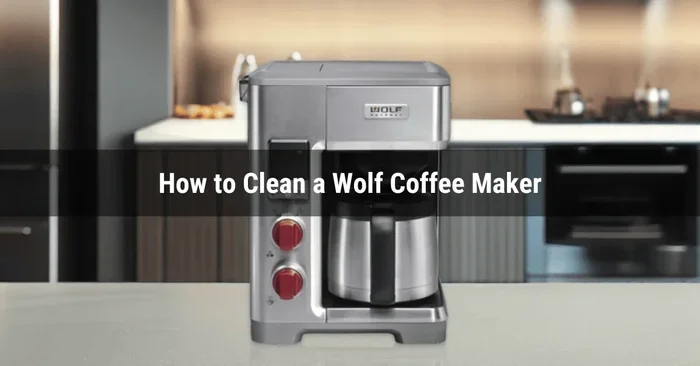
Simple Guide To Clean Wolf Coffee Maker With Vinegar
Cleaning your Wolf Coffee Maker with vinegar is one of the easiest and most affordable ways to keep your machine running smoothly. This guide walks you through every step, from gathering supplies to running the final rinse cycle. You will learn how vinegar breaks down mineral buildup, removes coffee residue, and restores your machine’s performance without harsh chemicals.
This is a comprehensive guide about How To Clean Wolf Coffee Maker With Vinegar.
Key Takeaways
- Vinegar is a safe, natural, and effective cleaner for removing mineral deposits and coffee oil buildup inside your Wolf Coffee Maker.
- Descaling your machine every 1-3 months prevents clogs, improves brew taste, and extends the life of your Wolf appliance.
- You only need white distilled vinegar and water to complete a full cleaning cycle, plus a few basic household items.
- Skipping regular maintenance leads to bitter-tasting coffee, slower brew times, and potential machine damage over time.
- Running multiple rinse cycles after descaling ensures no vinegar taste remains in your coffee maker or your next pot of coffee.
- Knowing when vinegar alone is not enough helps you spot deeper issues and seek professional coffee maker repair when needed.
[FEATURED_IMAGE_PLACEHOLDER]
Why You Should Clean Your Wolf Coffee Maker With Vinegar
Your Wolf Coffee Maker works hard every day. Over time, mineral deposits from water, coffee oils, and general residue build up inside the machine. This buildup affects the taste of your coffee and can slow down your brew cycle. Vinegar offers a simple, powerful, and natural solution to this common problem.
White distilled vinegar contains acetic acid, which breaks down calcium and lime scale. It also cuts through grease and coffee residue that collects inside the water reservoir, tubes, and heating element. Unlike harsh chemical cleaners, vinegar is safe, affordable, and easy to find in any grocery store.
Many people spend money on commercial coffee machine cleaner when vinegar does the same job for a fraction of the cost. Whether you own a basic Wolf model or a more advanced Wolf coffee machine, vinegar cleaning works across the board. It is one of the best kept secrets in coffee maker maintenance.
Regular cleaning also helps you avoid coffee maker troubleshooting headaches later. A well-maintained machine brews faster, tastes better, and lasts longer. Think of vinegar cleaning as a quick tune-up that pays off every single morning.
What You Need Before You Start
Gathering Your Supplies
You do not need a lot of supplies to clean your Wolf Coffee Maker with vinegar. In fact, you probably already have everything at home. Here is what you will need:
- White distilled vinegar (plain, unflavored)
- Fresh, cold water
- A clean sponge or soft cloth
- A small bowl or container
- A dry towel
- Your Wolf coffee maker owner’s manual (optional but helpful)
Avoid using apple cider vinegar or any flavored vinegar. Stick with plain white distilled vinegar because it has the right concentration of acetic acid for effective coffee maker descaling. Do not use soap or detergent inside the machine, as it can leave a residue that affects the taste of your coffee.
Preparing the Vinegar Solution
Mix equal parts white vinegar and water in a bowl or directly into the water reservoir of your Wolf coffee maker. For most standard machines, one cup of vinegar and one cup of water works perfectly. If you have a larger reservoir, you can scale up the ratio.
The vinegar solution will do the heavy lifting during the cleaning cycle. The acetic acid targets calcium deposits and mineral scale that harden inside the water lines and heating components. This is the same process used in professional coffee maker cleaning, but you can do it yourself at home.
Step-by-Step Cleaning Process
Step 1: Empty and Prepare the Machine
Start by making sure your Wolf Coffee Maker is turned off and cooled down. Remove any leftover coffee grounds from the filter basket. Throw away the used filter if there is one. Empty any remaining water from the reservoir. You want to start with a completely empty machine so the vinegar solution can work on the internal surfaces without being diluted.
Take off any removable parts like the carafe, filter basket, and lid. Wash these pieces separately with warm water and a gentle sponge. Set them aside on a clean towel to dry. This gives you access to all the areas that need attention.
Step 2: Fill the Reservoir With the Vinegar Solution
Pour the vinegar and water mixture into the water reservoir of your Wolf coffee maker. Fill it up to the maximum line if there is one. Do not overfill. The mixture needs room to circulate through the internal tubes and brewing system.
If your machine has a removable water tank, take it out and fill it separately. This makes it easier to carry and pour without spilling. Place the tank back in securely once filled.
Step 3: Run a Full Brew Cycle
Place a clean mug or carafe on the warming plate. Turn on the machine and let it run a full brew cycle with the vinegar solution. The hot vinegar mixture will pass through the internal tubing, breaking down mineral buildup and loosening coffee residue along the way.
Watch the machine as it runs. You may notice some bubbling or fizzing. That is completely normal. It means the vinegar is actively working to dissolve the scale and deposits inside your Wolf appliance. Let the entire cycle complete without interrupting it.
Step 4: Let the Solution Sit
Once the first brew cycle finishes, do not pour out the vinegar solution right away. Let it sit inside the machine for about 15 to 30 minutes. This soaking period allows the vinegar to penetrate and dissolve any stubborn lime scale or hard water deposits that are stuck to the interior walls.
This step is especially important if you have not cleaned your machine in a while or if you live in an area with hard water. The longer soak gives the acetic acid more time to do its job on tough coffee maker buildup.
Step 5: Run a Second Brew Cycle
After the soaking period, run a second full brew cycle with the remaining vinegar solution. This second pass ensures that all the loosened deposits are flushed out of the system. Discard the vinegar output into the sink.
If your machine has a programmable setting, you can use it to automate this process. Some Wolf coffee machine models even have a dedicated cleaning cycle. Check your manual to see if this feature is available.
Step 6: Rinse Thoroughly
This is the most important step many people skip. After the vinegar cycles, you need to rinse the machine completely. Fill the reservoir with fresh, clean water and run a full brew cycle. Repeat this rinsing process two to three times to make sure no vinegar taste or smell remains.
Between each rinse cycle, empty the carafe and wipe out the reservoir with a clean, damp cloth. This removes any lingering vinegar from the surfaces. Your goal is to have zero vinegar odor or taste when you brew your next pot of coffee.
Step 7: Clean the Exterior and Removable Parts
While the machine is rinsing, take the opportunity to clean the exterior. Wipe down the outside of your Wolf Coffee Maker with a damp sponge and a little bit of warm water. Pay attention to the steam vent, the drip tray, and any areas where coffee splashes tend to accumulate.
Wash the carafe, filter basket, and lid with warm soapy water. Rinse them well and dry them completely before putting them back in place. A clean exterior and clean removable parts contribute to better overall coffee machine upkeep.
How Often Should You Clean Your Wolf Coffee Maker?
The frequency of cleaning depends on how often you use your machine and the quality of your water. As a general rule, you should descale your Wolf coffee maker with vinegar at least once every one to three months.
If you use your machine daily, aim for every four weeks. If you have hard water, you may need to clean it more often, perhaps every six to eight weeks. Hard water contains more minerals that accelerate buildup inside the system.
Here are some signs that your machine needs cleaning:
- The coffee tastes bitter or off
- Brew time has become noticeably slower
- You see white residue around the water opening
- The machine makes unusual gurgling sounds
- The coffee temperature seems lower than usual
Addressing these signs early with regular vinegar cleaning prevents bigger problems down the road. Consistent maintenance keeps your coffee maker performance at its best and saves you from costly repairs.
Common Mistakes to Avoid When Cleaning With Vinegar
Even though vinegar cleaning is simple, there are a few common mistakes that can cause problems. Avoid these pitfalls to get the best results from your Wolf Coffee Maker cleaning routine.
Using too much vinegar. More vinegar does not mean better cleaning. Stick to the equal-parts ratio of vinegar and water. Too much vinegar can leave a strong odor that takes extra rinse cycles to remove.
Skipping the rinse cycles. Some people run one rinse and call it done. Always do at least two full rinse cycles with fresh water. Residual vinegar can alter the flavor of your coffee and may irritate the internal components over time.
Using vinegar on a machine with a built-in water filter. If your Wolf Coffee Maker has a water filter system, check the manual before using vinegar. In some cases, you may need to remove the filter before running the vinegar cycle. The acetic acid can damage certain filter materials.
Neglecting removable parts. Cleaning the reservoir and internal system is important, but the filter basket, carafe, and lid also need regular washing. Coffee oils build up on these parts too and can go rancid if not cleaned regularly.
Waiting too long between cleanings. Prevention is always easier than correction. A little regular maintenance goes a long way. If you wait until you notice a problem, the mineral buildup may be harder to remove and could potentially damage the heating element.
Maintaining Your Wolf Coffee Maker Between Cleanings
Regular cleaning keeps your machine in top shape, but daily habits also matter. Here are a few simple practices that extend the life of your Wolf coffee maker between deep vinegar cleanings:
- Empty the carafe and filter basket after every use. Do not let old coffee grounds sit in the machine overnight.
- Wipe down the exterior daily with a damp cloth to remove coffee splashes and dust.
- Use filtered water when possible. This reduces the mineral content that causes scale buildup inside the machine.
- Run a plain water cycle once a week without coffee grounds to flush out any loose debris.
- Store the machine with the lid open to allow air circulation and prevent moisture buildup that can lead to mold or bacteria.
These small habits take only a few minutes each day but pay off significantly over the life of your Wolf appliance. Think of them as the daily brushing equivalent for your coffee maker.
When Vinegar Is Not Enough
Vinegar works wonders for routine maintenance and light to moderate mineral buildup. However, there are times when vinegar alone may not solve the problem. If your Wolf Coffee Maker still has issues after two or three vinegar cleaning cycles, there may be a deeper underlying issue.
Heavy mineral deposits that have hardened over months or years may require a stronger descaling solution. Some machines respond better to citric acid or a commercial descaler designed specifically for coffee equipment. If you notice persistent problems like leaking, electrical issues, or complete failure to heat, it is time to seek professional help.
You can also explore how other kitchen appliances are cleaned for similar maintenance insights. For example, regular appliance cleaning routines share many principles across different machines. If you have ever wondered about how to clean a commercial convection oven or maintain other kitchen equipment, the same philosophy of regular, gentle cleaning applies.
Do not let a coffee maker problem ruin your morning routine. With proper care and timely cleaning, your Wolf machine will serve you delicious coffee for years to come. And if you ever need deeper guidance on appliance maintenance, resources on coffee machine cleaner techniques and general appliance care are widely available to help you out.
Final Thoughts on Cleaning Your Wolf Coffee Maker With Vinegar
Cleaning your Wolf Coffee Maker with vinegar is one of the simplest and most effective things you can do for your machine. It costs almost nothing, takes about 45 minutes, and delivers noticeable results in taste and performance. Whether you are a daily coffee drinker or someone who brews a few times a week, this cleaning routine belongs in your kitchen habits.
Remember to descale regularly, rinse thoroughly, and maintain your machine between deep cleans. These small efforts add up to a longer-lasting, better-performing coffee maker. Your morning cup of coffee will taste noticeably better, and your machine will run more efficiently.
Start with vinegar today. Your Wolf coffee machine will thank you with every brew. Keep this guide bookmarked and return to it whenever your machine needs a refresh. Clean coffee starts with a clean machine, and a clean machine starts with vinegar.
Frequently Asked Questions
Can I use apple cider vinegar instead of white vinegar to clean my Wolf Coffee Maker?
It is best to stick with white distilled vinegar. Apple cider vinegar contains sugars and flavoring agents that can leave a residue inside your machine. White vinegar has a clean, neutral acetic acid concentration that effectively breaks down mineral deposits without adding any unwanted flavors to your next brew.
How do I know if my Wolf Coffee Maker needs descaling?
Look for signs like slower brew times, bitter-tasting coffee, visible white residue, or unusual gurgling sounds during the brew cycle. Many Wolf machines also have a descale indicator light that alerts you when maintenance is needed. If you notice any of these signs, it is time to run a vinegar cleaning cycle.
Will vinegar damage the internal parts of my Wolf Coffee Maker?
No, vinegar is safe for internal components when used correctly. The diluted solution and thorough rinsing ensure no damage occurs. Vinegar is actually gentler than many commercial descalers and is widely recommended by appliance manufacturers for routine maintenance of coffee machines and other kitchen equipment.
How long does the vinegar cleaning process take?
The entire process takes about 45 minutes to one hour, depending on your machine. This includes the brew cycles, the soaking period, and the rinse cycles. The actual active time is minimal since the machine does most of the work during the brew and soak phases.
Can I use lemon juice instead of vinegar to clean my coffee maker?
Yes, lemon juice is a viable alternative to vinegar. It contains citric acid that also dissolves mineral deposits. However, vinegar tends to be more effective on heavy scale buildup and is more readily available. If you use lemon juice, follow the same process and rinse thoroughly afterward.
What if my coffee still tastes bad after cleaning with vinegar?
If the taste persists after cleaning, try running two to three additional rinse cycles with fresh water. Also check the filter, carafe, and removable parts for trapped oils or residue. If the problem continues, there may be a deeper issue with the heating element or internal components that requires further coffee maker maintenance or professional inspection.