Do You Need To Clean Your Coffee Grinder For Better Taste
Yes, you absolutely need to clean your coffee grinder regularly. A dirty grinder builds up oils and residue that ruin the flavor of your morning brew. This guide covers why cleaning matters, how often to do it, and simple step-by-step methods for both burr and blade grinders.
Every morning, you probably look forward to that first cup of coffee. The aroma. The warmth. The rich, bold flavor that wakes you up and gets your day started right. But here is something you might not have thought about: your coffee grinder could be stealing that perfect cup from you.
Over time, coffee oils and tiny grounds build up inside your grinder. These residues stick to the burrs, blades, and chutes. They go stale. They turn rancid. And every time you grind fresh beans, those old, bitter flavors mix right in. The result? A cup of coffee that tastes flat, sour, or just plain off.
Cleaning your coffee grinder is not just a nice-to-have chore. It is essential if you want the best possible taste from your beans. In this guide, we will walk you through everything you need to know about grinder maintenance. We will cover why it matters, how often to do it, and simple methods that work for every type of grinder. By the end, you will understand exactly why a clean grinder makes a world of difference in your morning routine.
Key Takeaways
- Fresh coffee starts with a clean grinder: Oils and residue from old grounds directly affect the taste of your new brew.
- Clean your grinder every 1 to 2 weeks: Regular maintenance prevents buildup and keeps flavor consistent.
- Both burr and blade grinders need cleaning: Each type has different cleaning needs and methods.
- Deep cleaning monthly is essential: A thorough clean removes stubborn oils that regular brushing misses.
- Simple household items work best: You do not need expensive tools to clean your grinder effectively.
- A clean grinder lasts longer: Proper maintenance extends the life of your appliance and improves performance.
📑 Table of Contents
- Why Cleaning Your Coffee Grinder Matters
- How Often Should You Clean Your Coffee Grinder?
- How to Clean Different Types of Coffee Grinders
- Best Methods and Products for Coffee Grinder Cleaning
- Common Mistakes People Make with Grinder Cleaning
- Benefits of a Clean Coffee Grinder
- Tips for Maintaining a Clean Grinder Long-Term
- Final Thoughts
Why Cleaning Your Coffee Grinder Matters
You might be wondering if a quick rinse really makes that much difference. The short answer is yes. Let us break down exactly why keeping your grinder clean is so important for your daily cup.
The Science of Coffee Oils
Coffee beans are naturally oily. Those oils carry a huge part of the flavor and aroma that you love. But here is the catch: those same oils do not just disappear after grinding. They coat the inside of your grinder. They collect in tiny crevices. Over hours and days, they go rancid. Rancid oils taste bitter and stale. They contaminate every fresh batch of grounds you produce.
Think of it this way. If you cooked garlic in a pan and never washed it, the next meal would taste like garlic whether you wanted it to or not. The same thing happens with coffee oils. They linger. They transfer. They alter the flavor profile of your freshly ground beans.
How Residue Affects Taste
Old coffee grounds left inside the grinder mix with fresh grounds every time you use it. Even small amounts of stale residue can throw off the balance of your brew. You might notice:
- A bitter or sour aftertaste that should not be there
- Flat flavor that lacks the complexity of fresh beans
- Inconsistent extraction because old and new grounds brew differently
- A dull aroma that fails to capture the true character of your beans
These problems are frustrating, especially when you are using high-quality beans and paying good money for them. The truth is, no matter how great your beans are, a dirty grinder will hold them back. Grinder maintenance is one of the easiest and most impactful things you can do for better coffee.
Impact on Grinder Performance
Beyond taste, built-up residue affects how your grinder works. Oils and stuck grounds can slow down the burrs or blades. They cause uneven grinding. They create more heat during the grinding process, which can actually burn the coffee and produce a harsh flavor. A clean grinder runs smoother, grinds more consistently, and lasts much longer.
Just like you would clean your Cosori air fryer toaster oven to keep it performing well, your coffee grinder needs regular care too. Kitchen appliances of all kinds work better when they are properly maintained.
How Often Should You Clean Your Coffee Grinder?
The frequency of cleaning depends on how often you use your grinder and what type of coffee you brew. Let us look at a simple schedule that works for most coffee lovers.
Daily and Weekly Maintenance
For everyday users who grind coffee daily, a quick cleaning should become part of your routine. Here is a simple schedule:
- After each use: Tap out excess grounds and brush the grinding chamber with a small brush
- Once a week: Do a more thorough brushing and wipe-down of all removable parts
- Every two weeks: Run a cleaning cycle or perform a deeper clean depending on your grinder type
These short sessions take only a few minutes. But they prevent buildup from becoming a serious problem. Consistency is the key to maintaining great coffee grinder cleaning habits.
Monthly Deep Clean
Once a month, you should give your grinder a full deep clean. This involves disassembling parts, soaking them, and removing all trapped oils. A monthly deep clean is especially important if you:
- Grind coffee every single day
- Use oily bean varieties like French roasts or flavored coffees
- Notice a build-up of residue or a stale smell from your grinder
- Want to extend the lifespan of your equipment
Think of the monthly deep clean like cleaning a Whirlpool oven. You do not need to do it every day, but skipping it for months leads to stubborn buildup that is much harder to remove later.
Signs Your Grinder Needs Cleaning Now
Sometimes you do not need to wait for a scheduled clean. Your grinder will tell you when it needs attention. Watch for these warning signs:
- A stale or musty smell when you open the grinder
- Visible oily residue on the burrs or blades
- Changes in the texture of your grounds (clumping or uneven particles)
- A noticeable decline in the flavor of your coffee
- Your grinder making louder or different sounds during operation
If you notice any of these, it is time to clean. The sooner you address it, the better your next cup will taste.
How to Clean Different Types of Coffee Grinders
Not all grinders are the same, and neither are their cleaning methods. The type of grinder you own determines the best approach. Let us explore both main types.
Cleaning Burr Grinders
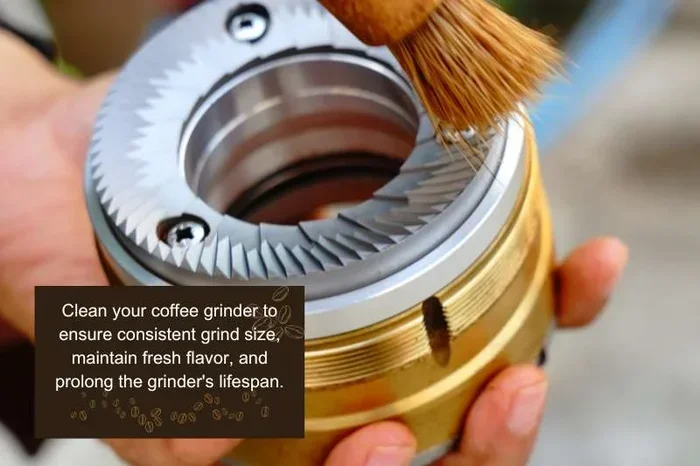
Burr grinders are the gold standard for consistent grinding. They use two abrasive surfaces (burrs) to crush beans evenly. Because of their design, they tend to trap more oils and fine particles. Regular cleaning is especially important for burr models.
Here is a step-by-step method for cleaning a burr grinder:
- Unplug the grinder and remove the hopper (the bean container on top)
- Brush out loose grounds from the grinding chamber using a small brush
- Remove the burrs if your model allows it (check your manual)
- Soak removable parts in warm, soapy water for 10 to 15 minutes
- Scrub away any stubborn residue with a soft brush
- Rinse all parts thoroughly and dry them completely before reassembling
- Run a batch of plain rice or a cleaning tablet through the grinder to absorb remaining oils
Never use water directly on the motor or electrical components. Always let parts dry fully before putting them back together. Moisture inside the grinder can cause damage and even mold growth.
Cleaning Blade Grinders
Blade grinders are simpler in design and generally easier to clean. They use a spinning blade to chop beans. Because they do not have burrs, there are fewer crevices for residue to hide. However, oils still build up on the blade and the inside walls of the grinding chamber.
To clean a blade grinder:
- Remove the blade if possible (many models have a removable bottom)
- Wash the blade and chamber with warm soapy water
- Dry everything thoroughly before reassembling
- Wipe down the outside and any other removable components
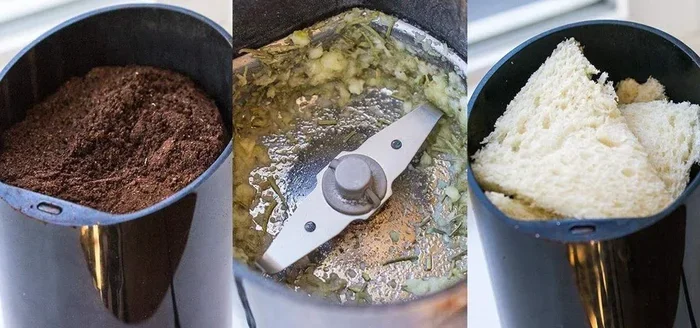
- For a deeper clean, grind a small batch of dry rice to absorb oils
Blade grinders are less precise than burr grinders, but they still need regular care. A clean blade grinder produces better results and lasts longer.
Cleaning Grinder Accessories and Parts
Do not forget about the smaller parts. The chute, the hopper, and the catch container all collect grounds and oils over time. These parts should be cleaned just as often as the main grinding chamber. A quick rinse and dry after each deep clean session goes a long way. Think of it like cleaning a Le Creuset Dutch oven — the small parts matter just as much as the main body for overall performance and hygiene.
Best Methods and Products for Coffee Grinder Cleaning
You have options when it comes to cleaning your grinder. Some methods use items you already have at home. Others involve purpose-made products designed specifically for coffee equipment. Let us look at the best approaches.
Household Cleaning Methods
You do not need to buy expensive specialty products to keep your grinder clean. Many household items work surprisingly well:
- White vinegar: A natural cleaner that cuts through grease and kills bacteria. Mix equal parts vinegar and water, run it through the grinder, then follow with plain water to rinse.
- Dry rice: Grinding uncooked rice absorbs oils and polishes the burrs or blades. Use about a quarter cup of rice and run it through the grinder.
- Baking soda: A mild abrasive that removes stubborn residue. Make a paste with water, apply it to the grinding chamber, and scrub gently.
- Microfiber cloths: Perfect for wiping down smooth surfaces and removing surface oils without scratching.
- Soft-bristle brushes: Ideal for reaching into small crevices and removing loose grounds.
Dedicated Coffee Grinder Cleaning Products
If you want a more specialized approach, several products are designed specifically for coffee grinders:
- Grinder cleaning tablets: These dissolve during grinding and break down oils and residue. They are fast, easy, and very effective.
- Cleaning brushes sets: Specially designed with the right bristle stiffness for grinder components.
- Grinding flush pods: Similar to cleaning tablets but pre-measured for convenience.
These products are affordable and widely available. They save time and provide consistent results. For anyone serious about coffee grinder cleaning, they are worth having in your kitchen.
What to Avoid When Cleaning
Some common cleaning mistakes can damage your grinder or leave behind unwanted flavors. Avoid these:
- Submerging the motor unit in water: This can cause electrical damage and is dangerous
- Using harsh chemical cleaners: Residue from strong chemicals can contaminate your coffee
- Using a dishwasher for grinder parts: High heat and harsh detergent can warp plastic components
- Skipping the drying step: Moisture left inside promotes mold and affects grinding performance
- Using metal tools to scrape burrs: This can scratch and damage the grinding surfaces
Stick to gentle, food-safe cleaning methods. Your grinder will thank you with better performance and longer life.
Common Mistakes People Make with Grinder Cleaning
Even well-meaning coffee lovers sometimes make mistakes when cleaning their grinders. Here are the most common ones and how to avoid them.
Not Cleaning Often Enough
This is the biggest mistake. Many people clean their grinder once or twice a year and wonder why their coffee tastes off. Remember, oils build up every single time you grind. Regular cleaning prevents that buildup from becoming a serious problem.
Using Too Much Water
Water is useful for cleaning removable parts, but too much water in the grinding chamber is a problem. It can cause mold, rust on metal components, and sticky residue that is even harder to remove. Always use water sparingly and dry parts thoroughly.
Forgetting to Clean the Hopper
The hopper is where you store your beans. It collects oils and old bean dust just like the grinding chamber. Wipe it out regularly with a dry or slightly damp cloth. This simple step keeps your fresh beans from picking up stale flavors.
Ignoring the Chute and Catch Container
Grounds get stuck in the chute and accumulate in the catch container. These areas are easy to overlook but can harbor old, rancid grounds that spoil the flavor of your fresh coffee. Clean them every time you do a deep clean.
Using the Wrong Cleaning Tools
Abrasive pads, steel wool, or rough brushes can scratch the burrs and blades. Scratches create more places for oils to hide and make future cleaning harder. Always use soft brushes, microfiber cloths, and gentle cleaning solutions.
Avoiding these mistakes keeps your grinder in top shape. Proper care ensures every cup tastes as good as it should. Think of it the same way you would care for any kitchen tool — just as you would not neglect cleaning a commercial convection oven, you should not neglect your grinder either.
Benefits of a Clean Coffee Grinder
Once you establish a regular cleaning routine, you will notice real improvements in your coffee experience. Here is what a clean grinder delivers.
Better Flavor and Aroma
The most obvious benefit is taste. Clean grinders produce grounds that taste exactly the way your beans should. The full flavor profile comes through. The aroma is bright and inviting. Every sip is a true representation of the beans you chose.
More Consistent Grinding
Oils and residue interfere with the precision of burrs and blades. A clean grinder produces uniform particle sizes, which leads to better extraction. Better extraction means a balanced, flavorful cup every time.
Longer Grinder Lifespan
Regular maintenance reduces wear and tear on moving parts. The burrs stay sharp longer. The motor runs more efficiently. You get more years of reliable service from your investment.
Healthier Coffee
Old, rancid oils and stale grounds are not just bad for flavor. They can also harbor bacteria and mold. A clean grinder means healthier coffee that is safe and fresh every time you brew.
Easier and Faster Grinding
A well-maintained grinder runs smoother and faster. There is less resistance from built-up residue. The motor does not have to work as hard. You get your grounds quicker with less noise and less strain on the machine.
Tips for Maintaining a Clean Grinder Long-Term
Building a cleaning routine is one thing. Sticking with it is another. Here are some practical tips that make grinder maintenance easy and sustainable.
- Set a recurring reminder: Use your phone or calendar to remind yourself when it is time for a cleaning session
- Keep cleaning supplies nearby: Store a small brush and cleaning tablets right next to your grinder so it is convenient to clean
- Clean after using oily beans: If you have just ground a dark roast or flavored coffee, do a quick clean right after
- Replace burrs or blades on schedule: Even with perfect cleaning, grinding components wear out over time. Replace them every 6 to 12 months for best results
- Use quality beans: Fresher, higher-quality beans produce less residue and leave fewer oils behind than stale or low-quality beans
- Keep the grinder in a dry place: Moisture from the environment can cause buildup and mold. Store your grinder in a cool, dry spot
These small habits add up to a big difference. Your grinder stays clean, your coffee tastes better, and you get more enjoyment from every morning ritual.
Final Thoughts
The answer to the question “Do you need to clean your coffee grinder for better taste?” is a resounding yes. A clean grinder is the foundation of great coffee. It ensures that every particle of grounds you produce brings out the true character of your beans. It protects your investment. It keeps your coffee tasting fresh, rich, and full of flavor.
Cleaning does not need to be complicated or time-consuming. A few minutes of regular maintenance goes a long way. Whether you own a burr grinder or a blade grinder, the methods we covered in this article are simple, effective, and easy to fit into your routine.
Start today. Give your grinder a quick clean and notice the difference in your next cup. You will taste the improvement immediately. From that moment on, make grinder cleaning a non-negotiable part of your coffee ritual. Your taste buds will thank you every single morning.
Remember: great coffee is not just about great beans or an expensive machine. It is about the care and attention you give to every step of the process. Cleaning your coffee grinder is one of the simplest and most impactful steps you can take. Do it consistently, do it well, and enjoy the difference in every single cup.
Frequently Asked Questions
Can I use water to clean my coffee grinder?
You can use water on removable parts like the hopper, burrs (if detachable), and the grinding chamber. However, never pour water directly onto the motor or electrical components. Always dry all parts thoroughly before reassembling to prevent moisture damage and mold growth.
How do I know if my coffee grinder needs cleaning?
Look for signs like a stale or musty smell, oily residue on the burrs or blades, clumpy grounds, or a noticeable decline in coffee flavor. If your coffee tastes different or flat, the grinder is likely the culprit and needs a good cleaning.
Can I use vinegar to clean my coffee grinder?
Yes, white vinegar is a safe and effective natural cleaner. Mix equal parts vinegar and water, run the solution through the grinder, then follow with plain water to rinse out any vinegar taste. Make sure all parts are completely dry before grinding coffee again.
How often should I deep clean my coffee grinder?
A monthly deep clean is recommended for most coffee drinkers. If you grind coffee daily or use oily bean varieties, consider cleaning every two weeks. Regular deep cleaning removes stubborn oils and ensures the best possible flavor from your beans.
Is rice a good cleaner for coffee grinders?
Dry rice can help absorb oils and clean the grinding components. However, use it sparingly and only with burr grinders. Rice can create fine dust that may clog blade grinder components. For best results, use dedicated grinder cleaning tablets instead.
What happens if I never clean my coffee grinder?
Without regular cleaning, rancid oils and stale grounds build up inside the grinder. This leads to consistently bad-tasting coffee, uneven grinding, increased wear on the burrs or blades, and potentially mold growth. Over time, the grinder may also stop working properly and need replacement sooner.