Can I Have Black Coffee Before Blood Work Explained
Yes, you can drink black coffee before some blood work, but it depends on the type of test you are taking. Black coffee without cream or sugar is usually allowed for fasting blood tests, but it can still affect your blood sugar levels and cholesterol results. Always follow your doctor’s specific fasting blood work instructions to get accurate lab results.
You wake up early. The alarm goes off. You stumble to the kitchen. And the first thing you want is a hot cup of black coffee before blood work. But wait. Can you actually drink it? That is the question many people ask before a morning lab appointment. The answer is not as simple as yes or no.
Black coffee before blood work is a topic that comes up a lot. Doctors give different advice. Lab rules vary. And the type of blood test you are taking changes everything. Some tests allow black coffee. Others do not. This guide breaks it all down for you. You will learn what is safe. You will learn what is not. And you will know exactly what to do on test day.
Let us start with the basics. Why does this even matter? Because what you put in your body before a blood draw can change your blood test results. Even something as simple as a cup of coffee can shift numbers on your lab report. That is why understanding the rules matters so much.
Key Takeaways
- Black coffee is often allowed: Plain black coffee without additives is generally permitted before fasting blood tests.
- It can still affect results: Even black coffee may impact blood sugar, cholesterol, and liver enzyme readings.
- No cream or sugar: Adding milk, cream, or sweeteners breaks your fast and can invalidate test results.
- Water is your best friend: Staying hydrated with plain water before a blood draw is always safe and recommended.
- Ask your doctor: Always confirm fasting rules with your healthcare provider before your appointment.
- Timing matters: Stop coffee at least 8 to 12 hours before your blood draw if fasting is required.
📑 Table of Contents
- Why Fasting Is Required Before Blood Work
- Can You Drink Black Coffee Before Blood Work?
- How Coffee Affects Specific Blood Tests
- What You Can and Cannot Drink Before Blood Work
- Tips for Managing Your Morning Coffee Routine Before a Blood Test
- Common Mistakes People Make Before Blood Work
- Expert Insights on Coffee and Blood Work
- Key Takeaways
- Conclusion
Why Fasting Is Required Before Blood Work
Fasting before a blood test is very common. Many lab panels need you to avoid food and drink for a set period. This gives your doctor a clean baseline. Without fasting, your results can look off. That leads to confusion. That leads to repeat visits. Nobody wants that.
What Happens When You Eat or Drink Before a Test
When you eat or drink, your body starts processing it. Food changes your blood sugar. It changes your cholesterol levels. It can even shift your liver enzymes. The lab needs to see what your blood looks like when it is at rest. That is why fasting gives the most accurate picture.
Most fasting blood tests require 8 to 12 hours without food. Water is usually fine. But coffee is a gray area. Let us get into that next.
Can You Drink Black Coffee Before Blood Work?
This is the big question. The short answer is: maybe. The long answer depends on a few things. Let us look at them closely.
What Counts as “Fasting” for Blood Tests
Fasting means no food or caloric drinks. Plain water is fine. Black coffee with no sugar or cream is often considered non-caloric. That means it does not break a fast in most cases. But here is the catch. Coffee is a stimulant. It does things to your body. It can raise your blood sugar. It can affect your blood pressure. It can change how your body processes fats. So even if it does not break your fast, it can still change your results.
Most labs and doctors will tell you to stick to water only. But some are okay with black coffee. You need to check with your provider. Do not guess. Call the lab or your doctor’s office ahead of time. This one step can save you from a failed test.
Black Coffee vs. Coffee with Cream or Sugar
This is where things get clear. Black coffee is different from coffee with additions. Here is a quick look at what breaks a fast and what does not.
- Plain black coffee: No sugar, no cream, no milk. Usually allowed in most fasting protocols.
- Coffee with cream: Contains fat and calories. This breaks your fast. Avoid it.
- Coffee with sugar: Adds sugar and calories. This also breaks your fast.
- Flavored coffee drinks: Lattes, mochas, and frappuccinos are full of calories. Definitely not allowed.
- Black coffee with a splash of milk: Even a small amount adds calories. Skip it.
So if you are going to drink black coffee before blood work, keep it plain. No additions whatsoever. But even then, ask your doctor first.
How Coffee Affects Specific Blood Tests
Coffee does not affect all blood tests the same way. Some tests are very sensitive to coffee. Others are less affected. Let us look at the most common ones.
Fasting Blood Sugar and Glucose Tests
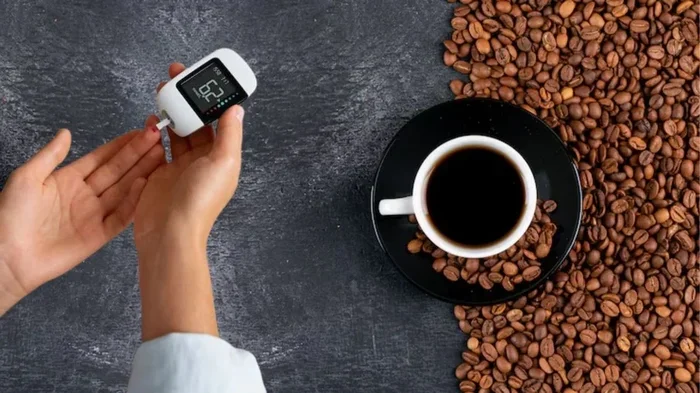
This is the test where coffee matters the most. A fasting plasma glucose test measures your blood sugar after not eating. Coffee can raise blood sugar levels on its own. The caffeine in coffee triggers your body to release stress hormones. Those hormones tell your liver to release more glucose. The result? A higher blood sugar reading than what is actually normal.
If you drink black coffee before a glucose test, your number might be higher than it should be. That could lead to a false diagnosis. Your doctor might think you have insulin resistance or prediabetes when you do not. That is why most doctors say skip the coffee before this test.
Cholesterol and Lipid Panels
A lipid panel measures your cholesterol and triglycerides. Coffee can affect how your body processes fats. Studies show that coffee can temporarily raise triglyceride levels. It can also shift LDL cholesterol numbers slightly. These changes are small. But they can matter when your doctor is looking at borderline results.
If your cholesterol test requires fasting, it is best to avoid coffee entirely. The last thing you want is a number that is slightly off. That could change your treatment plan.
Liver Function Tests and Other Markers
Coffee can also affect liver enzyme levels. Your liver processes caffeine, and that process can cause slight fluctuations in enzyme readings. A comprehensive metabolic panel includes liver tests. If those numbers are off, your doctor might order extra tests. That means more time and more cost for you.
Other markers like cortisol and adrenaline can also be affected by coffee. Caffeine boosts these hormones. So if your doctor is checking your adrenal function, coffee could throw off the results.
What You Can and Cannot Drink Before Blood Work
Knowing what to drink is just as important as knowing what not to drink. Let us clear this up.
Safe Drinks While Fasting
Here is what you can have before your blood draw:
- Plain water: This is the best choice. It keeps you hydrated. It makes your veins easier to find.
- Black coffee: In some cases, this is allowed. But check with your doctor first.
- Plain tea: Without sugar or milk, plain tea is usually fine. But it is not as commonly recommended as water.
Staying hydrated is key. Water makes your blood flow better. It makes the draw easier and faster. Drink plenty of water the night before and the morning of your test.
Drinks to Avoid Before Your Blood Draw
Here is what you should skip:
- Coffee with cream or sugar: This breaks your fast.
- Juice and smoothies: Full of sugar and calories.
- Soda and soft drinks: Even diet soda can affect some tests.
- Alcohol: Avoid it for at least 24 hours before a blood test.
- Milk or dairy: These contain calories and fat. They break your fast.
Stick to water. It is the safest and most reliable choice. If you love your morning coffee, save it for after your appointment. You can reward yourself with a fresh cup once the blood draw is done.
Tips for Managing Your Morning Coffee Routine Before a Blood Test
Giving up your morning coffee can be tough. We get it. Here are some practical tips to help you get through test day without your usual cup.
How to Delay Your Coffee After a Blood Draw
Plan ahead. Schedule your blood draw as early as possible. Most labs open early. Get your blood drawn first. Then head to the coffee shop on the way home. This way, you are not going into the day caffeine-free. You get your test done and your coffee fix right after.
Some people find it helpful to set their alarm a bit earlier on test day. That gives you time to get the blood work done and still enjoy your morning routine. Think of it as a small sacrifice for better health data.
What to Do If You Accidentally Drank Coffee
Oops. You drank coffee before your blood test and you were supposed to fast. What now? Do not panic. Tell the phlebotomist or nurse right away. Let them know exactly what you drank and when. They can note it on your lab request form.
In many cases, the lab will still run your test. But your doctor will know the coffee factor. They will interpret your results with that in mind. Sometimes they may ask you to reschedule. But not always. Being honest is always the best policy.
Preparing for Your Morning Blood Test
A little preparation goes a long way. Here are some quick tips:
- Get a good night’s sleep: Being well-rested helps your body stay calm. It also makes the blood draw easier.
- Wear loose clothing: Short sleeves make it easy for the tech to access your vein.
- Bring a snack: Have a snack ready for right after the draw. A granola bar or a banana works great.
- Stay calm: If you are nervous, take deep breaths. Tell the tech if you are prone to fainting.
- Bring a travel mug: If you have a silicone travel tumbler that is safe for hot drinks, bring it along for your post-draw coffee. You might wonder if silicone is safe for high heat, and you can find answers on whether silicone can handle oven temperatures.
Planning ahead makes test day smoother. You will feel more prepared and less stressed. And you will get better results too.
Common Mistakes People Make Before Blood Work
There are some common mistakes that can mess up your blood test results. Let us go over them so you can avoid them.
Mistake 1: Thinking black coffee does not count. Many people assume black coffee is fine because it has no calories. But caffeine affects your body in real ways. It can shift your blood sugar, your cholesterol, and your hormone levels. Always confirm with your doctor.
Mistake 2: Skipping water. Some people skip water because they are afraid of drinking anything. This is a bad idea. Dehydration makes your veins harder to find. It can also concentrate your blood in ways that skew results. Drink water. It is your best friend on test day.
Mistake 3: Not telling the lab about medications. Some medications affect blood test results. Always let the lab know what you are taking. This includes prescriptions, over-the-counter drugs, and supplements.
Mistake 4: Exercising before a blood draw. Exercise can change your blood sugar, electrolytes, and other markers. Avoid intense workouts the morning of your test. A light walk is fine, but skip the gym.
Mistake 5: Ignoring lab instructions. Every lab is a little different. Some require strict fasting. Others are more lenient. Read the instructions you are given carefully. If anything is unclear, call and ask. Do not assume.
Avoiding these mistakes can save you time and money. It can also prevent you from needing a repeat blood draw. Nobody wants to sit in that chair twice.
Expert Insights on Coffee and Blood Work
We asked healthcare professionals about their take on black coffee before blood work. Here is what they had to say.
Dr. Sarah Mitchell, Internal Medicine: “I tell my patients to stick to water only before fasting blood work. Even black coffee can cause subtle changes in glucose and lipid levels. If the test matters, skip the coffee. It is not worth the risk of inaccurate results.”
Lab Tech James Rivera: “I see people all the time who think their morning coffee does not count. Sometimes the results come back odd. We have to flag them and send the patient back. A simple cup of coffee can cause all that trouble. Just wait until after your draw.”
Registered Dietitian Lisa Chen: “Hydration is key. If you are nervous about giving up your coffee, focus on drinking plenty of water. It will keep you comfortable and help the tech find your veins faster.”
The experts agree. Water is your best bet. If you want coffee, have it after the test. The few hours of waiting are worth accurate results.
Key Takeaways
- Black coffee is often allowed but not always recommended: Plain black coffee without additives may be permitted for some fasting blood tests, but it can still affect your results.
- It can impact blood sugar and cholesterol: Even without sugar or cream, coffee can raise glucose levels and shift lipid panel numbers.
- No cream, sugar, or flavorings: Any addition to coffee breaks your fast and can invalidate your test results.
- Water is always safe: Drink plenty of plain water before your blood draw. It helps with hydration and makes veins easier to find.
- Ask your doctor first: Always confirm the fasting rules for your specific blood test with your healthcare provider.
- Plan your coffee break for after the test: Schedule your blood draw early so you can enjoy your coffee right after.
- Be honest if you slip up: If you accidentally drink coffee, tell the lab staff. They can adjust how they interpret your results.
Conclusion
The answer to whether you can have black coffee before blood work is not a simple yes or no. It depends on the type of test, your doctor’s instructions, and the lab’s rules. In most cases, plain black coffee is technically allowed for fasting blood tests. But it can still affect your results in subtle ways. Your blood sugar might rise. Your cholesterol might shift. Your liver enzymes might fluctuate.
The safest choice is always to stick with plain water. Skip the coffee until after your blood draw. You will get more accurate results. You will avoid repeat visits. And you will have peace of mind knowing your numbers are right.
Remember, a few hours without coffee is a small price to pay for reliable health data. Plan ahead. Schedule your blood work early. Bring a water bottle. And treat yourself to a fresh cup of black coffee once the test is done. You deserve it.
Your health is worth the wait. Take the extra few minutes to follow your fasting instructions carefully. Your future self will thank you when your results come back clean and clear.
Frequently Asked Questions
Can I drink black coffee before a fasting blood test?
In many cases, plain black coffee without sugar or cream is allowed. However, it can still affect your blood sugar and cholesterol levels. Always check with your doctor before drinking coffee before a blood test.
How long before blood work should I stop drinking coffee?
Most fasting blood tests require you to stop all food and drink (except water) 8 to 12 hours before the draw. If your doctor says no coffee, stop it during that fasting window.
Will one sip of coffee ruin a blood test?
A small sip of plain black coffee is unlikely to ruin your test. But it can still cause minor changes in your results. To be safe, avoid all coffee before a fasting blood draw.
What happens if I drink coffee before blood work and I was supposed to fast?
Tell the lab staff right away. They can note it on your form. Your doctor may still run the test but will interpret the results with the coffee factor in mind. In some cases, they may ask you to reschedule.
Can I drink decaf coffee before blood work?
Decaf coffee still contains small amounts of caffeine and other compounds. It can still affect some blood test markers. Most doctors recommend avoiding all types of coffee before fasting blood work.
Why does coffee affect blood sugar levels?
Caffeine triggers your body to release stress hormones. These hormones signal your liver to release more glucose into your blood. This can raise your blood sugar reading even if you have not eaten anything.