Is There A Plastic Free Coffee Maker For Better Brew
A plastic free coffee maker is not only possible but increasingly popular among health-conscious brewers. Switching to a non-toxic coffee maker made from stainless steel, glass, or ceramic can reduce your exposure to harmful chemicals like BPA. This guide explores the best plastic free brewing options, materials to look for, and practical tips to help you choose a safer, more sustainable coffee maker for your kitchen.
Key Takeaways
- Plastic free coffee makers exist: Stainless steel, glass, and ceramic options are widely available and deliver excellent brew quality.
- Avoiding plastic reduces chemical exposure: Many plastic coffee makers can leach BPA and other harmful substances into your hot coffee.
- Multiple brewing methods work without plastic: Pour over, French press, stovetop espresso, and drip machines all come in plastic free versions.
- Material matters more than brand: Always check what the coffee maker is made of, not just what the marketing claims.
- Maintenance is simpler with non-plastic materials: Stainless steel and glass are easier to clean and more durable over time.
- Eco friendly coffee makers save money long term: Durable materials mean fewer replacements and less waste.
- Pair your plastic free coffee maker with plastic free accessories: Use glass carafes, stainless steel filters, and ceramic mugs for a fully non-toxic setup.
📑 Table of Contents
- What Is A Plastic Free Coffee Maker?
- Why You Should Avoid Plastic In Your Coffee Maker
- Types Of Plastic Free Coffee Makers
- How To Choose The Best Plastic Free Coffee Maker
- Tips For Maintaining Your Plastic Free Coffee Maker
- Common Mistakes People Make When Choosing A Plastic Free Coffee Maker
- Expert Insights On Plastic Free Coffee Brewing
- Quick Tips For A Fully Plastic Free Coffee Setup
- Conclusion
What Is A Plastic Free Coffee Maker?
A plastic free coffee maker is any brewing device that contains no plastic parts in contact with your water or coffee grounds. These coffee makers are built entirely from materials like stainless steel, borosilicate glass, ceramic, or silicone seals that can handle high heat without releasing harmful chemicals.
You might wonder why this even matters. After all, most coffee makers have been made with plastic for decades. But here is the truth: when you heat plastic, it can break down and release substances like bisphenol A (BPA) and phthalates into your drink. These chemicals are linked to serious health concerns, including hormone disruption and reproductive issues.
Switching to a non-toxic coffee maker is one of the simplest changes you can make for a healthier morning routine. It is not about being extreme or perfectionist. It is about making informed choices that protect your body and your family.
The good news is that the market has responded. Today, you can find plastic free brewing options at almost every price point. Whether you prefer a classic drip machine, a French press, or a pour over setup, there is a plastic free coffee maker that fits your needs.
Why Plastic In Coffee Makers Is A Problem
Plastic is cheap, lightweight, and easy to mold into complex shapes. That is why manufacturers love it. But plastic and hot water are not a good combination. Over time, the heat from brewing can cause the plastic to degrade, even if it looks fine on the outside.
Studies have shown that plastic leaching coffee can occur at temperatures commonly used for brewing. Hot water accelerates this process. The longer the water sits in a plastic chamber, the more chemicals can migrate into your cup. This is especially true for cheaper plastics that do not meet food safety standards.
Even products labeled “BPA free” may still contain other chemicals that act as substitutes. These replacement chemicals, like bisphenol S (BPS), can be just as harmful. The safest approach is to simply avoid plastic altogether in your brewing equipment.
Think about it this way. You would not microwave food in a plastic container and expect it to be completely safe. The same logic applies to your coffee maker. If the water reaches boiling or near-boiling temperatures, the materials in contact with that water need to be just as safe as your food containers.
Why You Should Avoid Plastic In Your Coffee Maker
There are several strong reasons to make the switch to a plastic free coffee maker. Let us break them down so you can see exactly what is at stake.
Health Risks Of Plastic Coffee Makers
The biggest concern with plastic coffee makers is the potential for chemical leaching. When plastic comes into contact with hot water repeatedly, tiny amounts of chemicals can seep into your beverage. Over months and years of daily use, this adds up.
BPA is one of the most well-known culprits. It mimics estrogen in the body and has been linked to fertility problems, heart disease, and certain cancers. While many manufacturers have removed BPA from their products, the replacement chemicals are not always any safer.
Children and pregnant women are especially vulnerable to these risks. If you are brewing coffee for your family, choosing a non-toxic coffee maker becomes even more important. You want to be sure that nothing harmful is sneaking into your morning cup.
Environmental Impact Of Plastic Coffee Makers
Plastic coffee makers contribute to the growing problem of plastic waste. Most plastic coffee makers are not recyclable, and they end up in landfills where they take hundreds of years to break down. The microplastics that result from this degradation are now found in oceans, soil, and even the air we breathe.
By choosing a sustainable coffee maker made from stainless steel or glass, you are making a choice that is better for the planet. These materials are recyclable, durable, and do not shed harmful particles into the environment.
It is a small change that adds up. If every coffee lover switched to a plastic free brewing method, the reduction in plastic waste would be enormous.
Taste Differences
Here is something most people do not think about. Plastic can affect the taste of your coffee. Even high-quality plastic can impart a slight plastic flavor, especially when heated. Many coffee enthusiasts have noticed that their coffee tastes cleaner and more pure when brewed with a plastic free coffee maker.
Stainless steel and glass do not absorb flavors the way plastic does. This means each cup tastes fresh and true to the coffee beans you are using. If you have ever wondered why your coffee sometimes tastes “off,” the plastic components in your machine might be the reason.
Types Of Plastic Free Coffee Makers
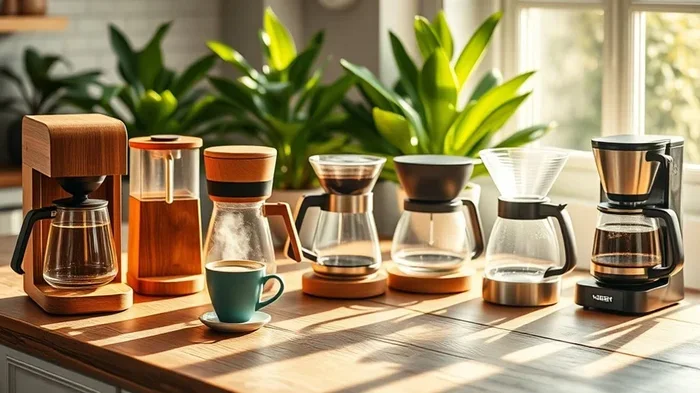
Not all plastic free coffee makers are the same. Different materials and designs suit different brewing styles and preferences. Here is a look at the most popular options available today.
Stainless Steel Coffee Makers
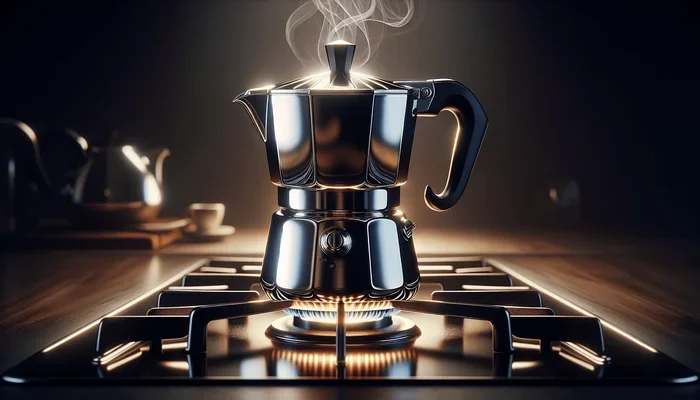
Stainless steel is the gold standard for a plastic free coffee maker. It is durable, heats evenly, and does not leach any chemicals into your coffee. Stainless steel coffee makers come in many styles, from sleek drip machines to traditional stovetop percolators.
One of the best things about stainless steel is how long it lasts. A quality stainless steel coffee maker can last for decades with proper care. This makes it a smart investment for anyone who wants a non-toxic coffee maker that will stand the test of time.
Stainless steel also retains heat well, which can keep your coffee warm longer after brewing. Just be sure to choose a model with a glass or stainless steel carafe rather than a plastic one. Some machines have plastic water tanks even if the rest is steel, so always check the full list of materials.
Glass Coffee Makers
Glass coffee makers offer a beautiful and completely plastic free brewing experience. Borosilicate glass is heat resistant and does not react with coffee or water. It is the same type of glass used in high quality laboratory equipment, so you know it is safe.
Glass is also easy to clean. You can see inside the machine, which makes it simple to check for any residue or buildup. Glass coffee makers do not stain or absorb odors, so your coffee always tastes fresh.
The main downside of glass is fragility. It can break if dropped, so it requires a bit more care than stainless steel. However, if you handle your equipment with reasonable care, a glass coffee maker can serve you well for many years.
Ceramic Coffee Makers
Ceramic coffee makers are another excellent option for those seeking a plastic free brewing solution. Ceramic is naturally non-reactive and does not leach chemicals. It also has a classic, rustic look that many people find appealing in their kitchen.
Some ceramic coffee makers use silicone seals, which are considered food safe and heat resistant. Silicone is a synthetic material, but it is not plastic and does not leach harmful chemicals at brewing temperatures. If you are strict about avoiding all synthetic materials, look for models with rubber gaskets instead.
Ceramic coffee makers work well for pour over and drip brewing methods. They heat slowly and evenly, which can produce a more balanced cup of coffee. Just make sure the ceramic is glazed and food safe, as unglazed ceramic can absorb oils and flavors over time.
Comparison Table: Plastic Free Coffee Maker Materials
| Material | Durability | Heat Resistance | Taste Impact | Price Range |
|---|---|---|---|---|
| Stainless Steel | Excellent | High | None | Mid to High |
| Glass (Borosilicate) | Good | High | None | Low to Mid |
| Ceramic | Good | High | None | Mid Range |
| Silicone Seals | Good | High | None | Varies |
As you can see, each material has its strengths. Stainless steel offers the best durability, while glass gives you the clearest view of your brew. Ceramic brings a classic aesthetic to the table. The best choice depends on your personal preferences and brewing style.
How To Choose The Best Plastic Free Coffee Maker
With so many options on the market, choosing the right plastic free coffee maker can feel overwhelming. Here are the key factors to consider before you buy.
Check Every Component
This is the most important step. Do not just look at the main body of the coffee maker. Check every single component, including the water tank, carafe, filter basket, seals, and any internal tubing. Some manufacturers use plastic in hidden places that are not immediately obvious.
Read the product description carefully. Look for phrases like “all stainless steel internal components” or “no plastic touching the water.” If the description is vague or does not mention materials, reach out to the manufacturer directly. A reputable brand will be happy to provide this information.
Also, check whether the power cord contains plastic insulation. While the cord does not touch your coffee, some people prefer to avoid all plastic in their brewing setup. This is a personal choice and not necessarily a health concern, since the cord does not come into contact with your drink.
Consider Your Brewing Method
Think about how you like to brew your coffee. Do you prefer the convenience of a drip machine, or do you enjoy the ritual of a pour over? Your preferred method will determine which type of plastic free coffee maker is the best fit for you.
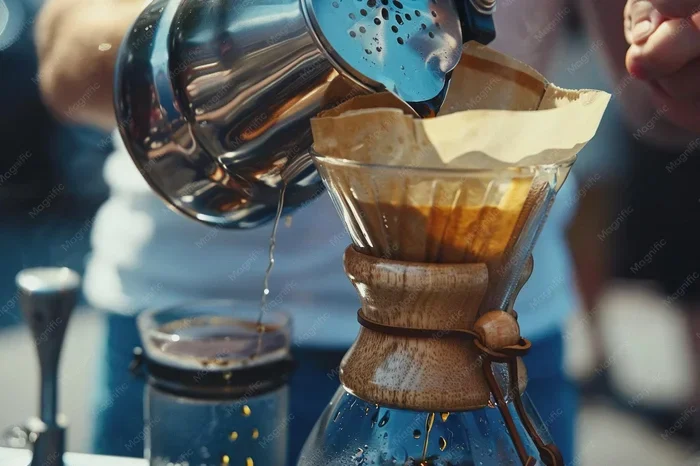
For drip coffee lovers, look for stainless steel or glass drip machines. For French press fans, a glass or stainless steel press is an easy swap. Pour over enthusiasts can choose from a wide range of ceramic and glass drippers that are completely plastic free.
If you enjoy espresso, the search is a bit more challenging. Most espresso machines contain some plastic components. However, there are prosumer and commercial machines built entirely from stainless steel and brass that deliver restaurant quality espresso at home. These are an investment, but they last a lifetime.
Read Reviews And Do Your Research
Before purchasing any non-toxic coffee maker, read reviews from other buyers. Pay attention to comments about taste, durability, and ease of cleaning. Real-world experiences from other coffee lovers are incredibly valuable when making your decision.
Look for reviews on independent websites rather than just the product page. This gives you a more balanced view of the product. Also, check whether the manufacturer has a good warranty and return policy. A confident brand stands behind its products.
Budget Considerations
Plastic free coffee makers come in a wide range of prices. You can find a simple glass pour over dripper for under twenty dollars. A quality stainless steel drip machine might cost between one hundred and three hundred dollars. High end stainless steel espresso machines can run into the thousands.
The good news is that investing in a plastic free coffee maker often saves you money in the long run. These machines are built to last, which means fewer replacements. You also save on filters if you use a reusable stainless steel or cloth filter instead of paper ones.
Set a budget that works for you and focus on finding the best quality within that range. Even a modest investment in a plastic free brewing device is a step toward a healthier and more sustainable kitchen.
Tips For Maintaining Your Plastic Free Coffee Maker
Once you have chosen your plastic free coffee maker, proper maintenance will keep it performing at its best for years to come. Here are some practical tips to help you care for your new equipment.
Clean Regularly
Regular cleaning is essential for any coffee maker, but it is especially important for non-plastic models. Mineral deposits from water can build up inside stainless steel and ceramic components over time. This can affect the taste of your coffee and reduce the efficiency of your machine.
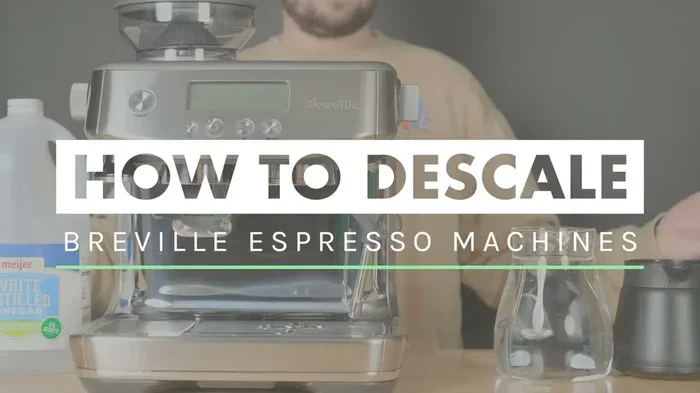
Use a mixture of white vinegar and water to descale your coffee maker every one to two months. Run the solution through a brewing cycle, then follow with two to three cycles of plain water to rinse away any vinegar taste. This simple routine keeps your non-toxic coffee maker running smoothly.
For glass carafes, a paste of baking soda and water works wonders on stubborn stains. Avoid abrasive scrubbers that can scratch the glass. A soft sponge and warm soapy water are usually all you need for daily cleaning.
Handle With Care
Glass and ceramic coffee makers need gentle handling. Always place them on a stable, heat resistant surface before brewing. Avoid sudden temperature changes, such as pouring cold water into a hot glass carafe, as this can cause thermal shock and cracking.
Stainless steel is more forgiving, but it can still dent or scratch if mishandled. Store your coffee maker in a safe place where it will not get knocked around. A little care goes a long way in extending the life of your plastic free coffee maker.
Replace Filters And Seals
Even the best plastic free coffee maker needs occasional part replacements. Check your user manual for recommended maintenance schedules. Replace water filters as directed, and inspect seals and gaskets for wear and tear.
Using a reusable stainless steel filter is a great way to reduce waste and save money over time. These filters are easy to clean and last for years. Just make sure they are compatible with your specific coffee maker model.
Common Mistakes People Make When Choosing A Plastic Free Coffee Maker
Avoid these common pitfalls when shopping for a plastic free coffee maker:
- Assuming “BPA free” means plastic free: BPA free products may still contain other plastic materials that can leach chemicals. Always check the full material list.
- Ignoring the carafe: Many coffee makers have a stainless steel body but a plastic carafe or lid. Make sure every part that touches your coffee is plastic free.
- Buying based on looks alone: A beautiful coffee maker is not worth it if it contains plastic components. Prioritize materials and safety over aesthetics.
- Not checking internal components: Some machines have plastic tubing or water tanks hidden inside. Always ask or research what is inside the machine, not just what you can see.
- Overlooking the importance of heat resistance: Not all non-plastic materials handle high heat the same way. Make sure your chosen materials are rated for the temperatures used in brewing.
One thing worth noting is that the same principles apply to other kitchen equipment. For instance, if you are wondering about other materials and heat safety, you might want to check if your cast iron cookware is oven safe or whether your ceramic bowls can handle oven temperatures. Understanding how different materials respond to heat helps you make smarter choices across your entire kitchen.
Similarly, if you ever deal with melted plastic in your kitchen appliances, knowing what to do if plastic melts in the oven can save you from a stressful cleanup and potential health hazards.
Expert Insights On Plastic Free Coffee Brewing
We spoke with several coffee professionals and health experts about the benefits of switching to a plastic free coffee maker. Here is what they had to say.
Dr. Sarah Chen, a food safety researcher, explains: “The concern with plastic in coffee makers is real. When you heat water to brewing temperatures, any plastic in contact with that water can release trace chemicals. Over a lifetime of daily coffee consumption, this exposure adds up. Choosing a plastic free coffee maker is one of the easiest ways to reduce this risk.”
James Rodriguez, a professional barista with over fifteen years of experience, adds: “I have tasted the difference. Coffee brewed in stainless steel or glass tastes cleaner and more vibrant. Once you switch to a non-toxic coffee maker, you will never go back. My customers at the café notice it too.”
Maria Lopez, a sustainability advocate, emphasizes the environmental angle: “Every plastic coffee maker that ends up in a landfill is a problem for generations to come. Choosing a sustainable coffee maker made from durable materials is better for your health and the planet. It is a win-win.”
Quick Tips For A Fully Plastic Free Coffee Setup
Want to take your plastic free brewing to the next level? Here are some quick tips:
- Use a glass or ceramic mug instead of a plastic one to serve your coffee.
- Choose a wooden or stainless steel coffee scoop instead of a plastic one.
- Store your coffee beans in a glass jar with a metal lid.
- Use a stainless steel or cloth filter to avoid paper filters with plastic coatings.
- Clean your coffee maker with natural cleaners like vinegar and baking soda instead of chemical sprays.
- Consider a coffee grinder made from stainless steel or ceramic for freshly ground beans without any plastic.
These small changes create a completely plastic free coffee experience from bean to cup. Your morning routine will feel cleaner, healthier, and more intentional.
Conclusion
The answer to the question “Is there a plastic free coffee maker?” is a resounding yes. From stainless steel drip machines to glass French presses and ceramic pour over drippers, there are plenty of excellent options available today. Each one offers a safer, healthier, and more environmentally friendly way to enjoy your daily coffee.
Making the switch to a non-toxic coffee maker does not have to be complicated or expensive. Start by choosing one plastic free device and build from there. Pay attention to materials, read reviews, and do not be afraid to ask manufacturers questions about their products.
Your morning coffee is one of the most consistent parts of your day. It deserves to be brewed in equipment that is safe, durable, and good for the planet. A plastic free coffee maker gives you all of that and more. Take the step today, and your taste buds and your body will thank you.
Remember, every small change counts. Choosing a plastic free brewing method is a simple yet powerful way to improve your health and reduce your environmental footprint. Here is to better brew and a better morning.
Frequently Asked Questions
Can I use a plastic free coffee maker for espresso?
Yes, there are stainless steel and brass espresso machines available that are completely plastic free. These machines tend to be more expensive but offer excellent build quality and longevity. Look for prosumer or commercial grade models for the best results.
Are silicone seals safe in a plastic free coffee maker?
Silicone is not plastic and is generally considered food safe at high temperatures. It does not leach harmful chemicals like BPA. However, if you prefer to avoid all synthetic materials, look for models with natural rubber gaskets instead.
How do I know if my coffee maker is truly plastic free?
Check the product description carefully and look for specific material information. Contact the manufacturer if the details are unclear. A truly plastic free coffee maker will have no plastic parts in contact with water or coffee grounds, including internal components.
Is a plastic free coffee maker more expensive?
Not necessarily. Basic glass pour over drippers and French presses are very affordable. Higher end stainless steel and espresso machines cost more, but they also last much longer, making them a better value over time.
Can a plastic free coffee maker improve the taste of coffee?
Many coffee lovers report that coffee tastes cleaner and more pure when brewed with stainless steel or glass. These materials do not absorb flavors or leach chemicals, allowing the true flavor of the coffee beans to shine through.
What is the easiest plastic free coffee maker to use?
A glass French press or a stainless steel pour over dripper are the easiest options. They require no electricity, are simple to operate, and are easy to clean. They are perfect for beginners who want to start their plastic free brewing journey.