How Long To Cook Fajitas In The Oven At 400 Degrees
Learning how long to cook fajitas in the oven at 400 degrees is simple and rewarding. Most fajitas need 20 to 30 minutes at 400°F, depending on the protein and veggie thickness. This guide covers exact timing, temperatures, and pro tips for juicy, charred results. You will learn about chicken, beef, and veggie fajitas too. Follow these steps and impress everyone at your next taco night.
There is nothing quite like a plate of fajitas coming straight out of the oven. The sizzle, the smell of charred peppers, and the warm tortillas all come together to make a meal that feels special without being complicated. If you have been wondering how long to cook fajitas in the oven at 400, you are in the right place. This guide walks you through everything from timing to seasoning so you get perfect results every single time.
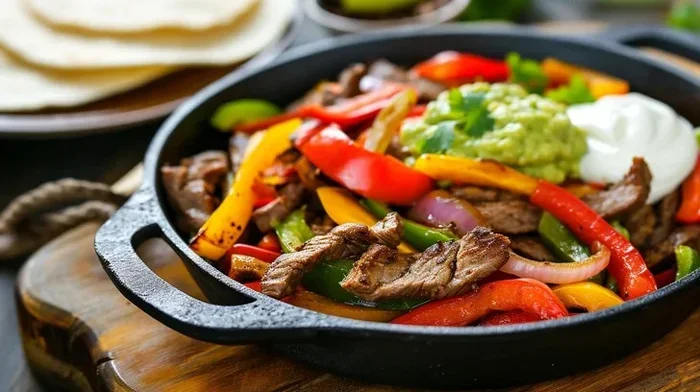
Cooking fajitas at 400°F is one of the best methods for getting that restaurant-quality char at home. The high heat caramelizes the onions and peppers while cooking the protein through. Whether you prefer chicken fajitas, beef fajitas, or a veggie-packed version, the oven method is easy, hands-off, and delivers fantastic flavor. Let us dive into the details.
Key Takeaways
- Standard Cook Time: Fajitas typically cook in 20 to 30 minutes at 400°F, making them a fast weeknight meal.
- Protein Matters: Chicken needs slightly longer than beef, while veggies cook quickly and can go in later.
- Marinating Is Key: A good marinade adds flavor and helps the meat stay juicy during oven cooking.
- Don’t Overcrowd The Pan: Spread ingredients in a single layer for even cooking and better charring.
- Rest Before Serving: Letting fajitas rest for 5 minutes keeps the juices locked in.
- Sheet Pan Method Works Great: A rimmed sheet pan is the easiest tool for oven-baked fajitas.
[FEATURED_IMAGE_PLACEHOLDER]
📑 Table of Contents
- How Long To Cook Fajitas In The Oven At 400
- What You Will Need To Make Oven Fajitas
- Step-by-Step Instructions For Cooking Fajitas At 400
- Tips For Perfectly Charred Fajitas
- Chicken Vs Beef Fajitas: Cooking Differences
- Common Mistakes To Avoid When Making Oven Fajitas
- How To Store And Reheat Leftover Fajitas
- Serving Suggestions For Your Oven Fajitas
- Expert Insights On Oven Fajitas
- Frequently Asked Questions
- Conclusion
How Long To Cook Fajitas In The Oven At 400
The short answer is that most fajitas take between 20 and 30 minutes at 400°F. But the exact cooking time depends on a few things. The type of protein you use, how thick your slices are, and whether you cook the veggies at the same time all matter. Let us break it down.
Chicken Fajitas Timing
Chicken fajitas usually need about 25 to 30 minutes at 400°F. Thinly sliced chicken breast or thigh cooks faster than thick pieces. If you slice the chicken about a quarter-inch thick, it will cook through nicely within this window. The key is to make sure the internal temperature reaches 165°F for food safety.
Beef Fajitas Timing
Beef fajitas are a bit more forgiving. Flank steak or skirt steak cooks in about 20 to 25 minutes at 400°F. Since beef can be served at different levels of doneness, you have more flexibility. Many people prefer a slight pink center for more tender beef fajitas. A meat thermometer helps you hit the exact doneness you like.
Veggie-Only Fajitas
If you are making vegetarian fajitas, the fajita veggies like bell peppers and onions cook fast. They typically need only 15 to 20 minutes at 400°F. The high heat blisters the peppers and softens the onions beautifully. You can add the veggies to the same pan as your protein or cook them separately.
What You Will Need To Make Oven Fajitas
Before you start cooking, gather your ingredients and tools. Having everything ready makes the process smooth and fun. Here is what you need.
Essential Ingredients
- Protein: Chicken breast, flank steak, or skirt steak work great. You can also use shrimp for a seafood twist.
- Bell Peppers: Red, green, yellow, or orange — mix and match for color and flavor.
- Onion: White or yellow onions slice beautifully for fajitas.
- Fajita Seasoning: Store-bought or homemade. A mix of cumin, chili powder, paprika, garlic powder, and oregano works wonders.
- Olive Oil: Helps the seasoning stick and promotes even browning.
- Tortillas: Flour or corn tortillas warm up nicely alongside the filling.
- Toppings: Sour cream, guacamole, salsa, cheese, and fresh cilantro round out the meal.
Tools You Will Need
- Rimmed Sheet Pan: This is the best pan for oven fajitas. The edges catch any juices and make cleanup easy.
- Parchment Paper: Prevents sticking and simplifies cleanup even more.
- Sharp Knife and Cutting Board: For slicing your protein and veggies evenly.
- Meat Thermometer: Takes the guesswork out of knowing when your protein is done.
Step-by-Step Instructions For Cooking Fajitas At 400
Follow these simple steps to make delicious oven-baked fajitas that taste like they came from a Mexican restaurant. The process is straightforward and hard to mess up.
Step One: Prep Your Ingredients
Start by slicing your protein into thin strips. Aim for uniform thickness so everything cooks evenly. Cut your bell peppers and onions into long, thin strips as well. The thinner the slices, the faster they cook and the better they char.
Step Two: Season And Marinate
Toss your protein and vegetables with olive oil and fajita seasoning. For the best flavor, let the mixture marinate for at least 15 minutes. If you have more time, marinate for up to an hour in the refrigerator. The marinades penetrate the meat and add a deep, rich flavor that makes a big difference.
Step Three: Arrange On The Sheet Pan
Spread everything out on a lined sheet pan in a single layer. This is the most important step for getting great results. Do not overcrowd the pan. When ingredients pile on top of each other, they steam instead of roast. Use two sheet pans if you need to.
Step Four: Cook At 400°F
Place the pan in the oven on the middle rack. Set your timer based on the protein you are using. Chicken takes about 25 to 30 minutes. Beef takes 20 to 25 minutes. Check the internal temperature with a thermometer to be sure everything is cooked through.
Step Five: Rest And Serve
Remove the pan from the oven and let the fajitas rest for 5 minutes. This allows the juices to redistribute. Warm your tortillas in a dry skillet or wrapped in foil in the oven. Set up a toppings bar and let everyone build their own perfect fajita.
Tips For Perfectly Charred Fajitas
Getting that beautiful char on your fajitas is what separates good fajitas from great ones. Here are some pro tips to elevate your oven fajitas.
Use High Heat
The 400°F temperature is ideal because it is hot enough to caramelize the natural sugars in the peppers and onions without burning them. Lower temperatures will result in soggy, steamed vegetables instead of those gorgeous charred peppers and crispy edges.
Slice Everything Thinly
Thin slices cook faster and more evenly. They also develop better color and texture. Thick chunks of chicken or peppers will take longer and may not get that nice sear you are looking for.
Do Not Skip The Rest
Letting your fajita meat rest after cooking makes a noticeable difference in juiciness. The proteins relax and reabsorb their juices. Cutting into the meat right away releases all those flavorful liquids onto the cutting board instead of keeping them in the bite.
Warm Your Tortillas Properly
Cold tortillas are a letdown. Warm them on a skillet for about 30 seconds per side, or wrap them in foil and place them in the oven during the last few minutes of cooking. Warm tortillas are pliable and taste much better.
Chicken Vs Beef Fajitas: Cooking Differences
Not all proteins behave the same way in the oven. Understanding these differences helps you adjust your cooking time and get the best results every time.
| Factor | Chicken Fajitas | Beef Fajitas |
|---|---|---|
| Cook Time at 400°F | 25 to 30 minutes | 20 to 25 minutes |
| Internal Temp | 165°F | 130°F to 145°F (based on preference) |
| Best Cuts | Breast or thigh, sliced thin | Flank steak or skirt steak |
| Marinating Time | 30 minutes to 2 hours | 15 minutes to 1 hour |
| Tendency to Dry Out | Higher risk if overcooked | Lower risk, more forgiving |
Chicken is leaner and can dry out quickly if left in the oven too long. Always check the internal temperature. Beef has more fat, which keeps it moist and adds flavor. Flank steak is a popular choice because it absorbs seasoning well and has a great texture when sliced against the grain.
Common Mistakes To Avoid When Making Oven Fajitas
Even simple recipes can go wrong if you make common errors. Here is what to watch out for when making fajitas in the oven.
Overcrowding The Pan
This is the number one mistake people make. When you cram too much onto the sheet pan, the ingredients steam instead of roast. The result is soggy vegetables and rubbery chicken. Give each piece of space to breathe.
Using Thick Slices
Thick cuts of meat and vegetables take much longer to cook. By the time the center is done, the edges are overcooked and dry. Slice everything thin and uniform for the best results.
Skipping The Marinade
While you can cook fajitas with just salt and pepper, a good marinade adds layers of flavor. The spices, acid, and oil work together to tenderize the meat and infuse it with taste. Even a quick 15-minute marinade makes a difference.
Not Letting The Pan Heat Up
Preheat your oven fully before placing the fajitas inside. A cold pan in a cold oven leads to uneven cooking. If you can, let the sheet pan heat up inside the oven as it preheats for an extra sear on the bottom.
How To Store And Reheat Leftover Fajitas
Got leftovers? You can store cooked fajitas in an airtight container in the refrigerator for up to 3 days. Reheat them in the oven at 350°F for about 10 minutes. Avoid microwaving if possible, as it can make the tortillas soggy and the meat tough. The oven keeps everything crispy and flavorful.
Freezing Fajitas
You can also freeze cooked fajitas for up to 3 months. Store them in a freezer-safe bag or container. Thaw overnight in the refrigerator and reheat in the oven. The flavor holds up well, making this a great option for meal prep.
Serving Suggestions For Your Oven Fajitas
Fajitas are fun because everyone customizes their own plate. Here are some ideas to make your meal complete.
- Classic Style: Warm tortillas, fajita meat and peppers, sour cream, guacamole, and shredded cheese.
- Healthy Style: Skip the tortillas and serve the fajita filling over a bed of lettuce or rice.
- Loaded Style: Double up on toppings with pickled jalapeños, pico de gallo, and a squeeze of fresh lime.
- Breakfast Fajitas: Use leftover fajita filling wrapped in a warm tortilla with scrambled eggs.
The beauty of oven-baked fajitas is that they pair well with almost any side dish. Mexican rice, refried beans, and a simple corn salad round out the meal perfectly.
Expert Insights On Oven Fajitas
Chef Maria Torres, a Mexican cuisine specialist, shares her thoughts on oven fajitas. She says, “The oven method is underrated. Many people think fajitas only belong on a skillet or grill, but the oven gives you even cooking with minimal effort. The key is high heat and not overcrowding the pan.”
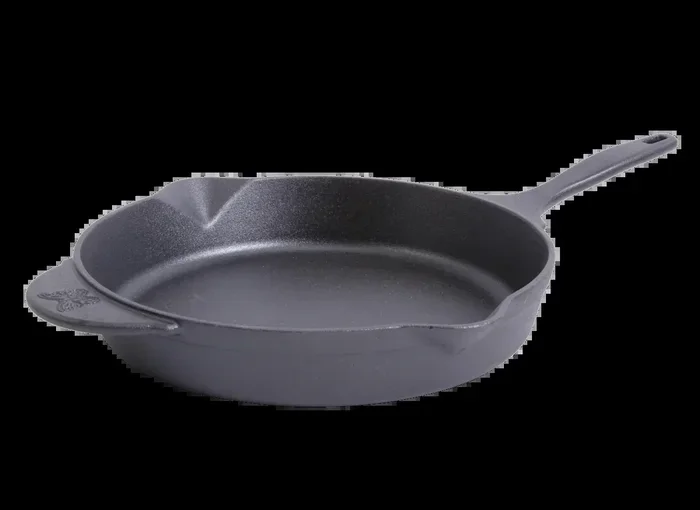
She also recommends using a cast iron skillet in the oven for even better results. The heavy pan retains heat and creates a better sear on the bottom of your ingredients. If you have one, it is worth trying.
Another expert tip comes from food scientist Dr. James Liu, who explains that the Maillard reaction — the chemical process that creates browning and flavor — happens best at temperatures above 350°F. This is exactly why 400°F works so well for fajitas. You get maximum flavor development in a short amount of time.
Frequently Asked Questions
Can I cook fajitas at 375°F instead of 400°F?
Yes, you can. Lowering the temperature to 375°F adds about 5 to 10 minutes to the cook time. The fajitas will still turn out great, but the char may be less pronounced. If you prefer a more gentle roast, 375°F works well.
How do I know when fajitas are done?
Use a meat thermometer for the protein. Chicken should reach 165°F internally. Beef is done to your preference, typically 130°F to 145°F for a medium result. The vegetables should be tender with browned edges and a slight char.
Can I use frozen meat for fajitas?
It is best to thaw your meat before cooking fajitas. Frozen meat will cook unevenly and may release excess moisture, leading to soggy results. Thaw it in the refrigerator overnight for the safest and best outcome.
Do I need to flip the fajitas while cooking?
Flipping is not required but recommended for even cooking. Give the pan a gentle shake or use tongs to turn the pieces halfway through the cook time. This helps both sides get that nice char and cook uniformly.
What is the best tortilla for oven fajitas?
Flour tortillas are the most popular choice because they are soft, pliable, and hold up well to the filling. Corn tortillas offer a more authentic flavor and a firmer texture. Either works great — it is all about personal preference.
Can I add cheese to my fajitas in the oven?
Absolutely. Sprinkle shredded cheese over the fajitas during the last 3 to 5 minutes of cooking. The oven heat will melt the cheese perfectly. Pepper jack cheese adds a nice kick, while Monterey Jack offers a milder, creamy melt.
Conclusion
Making fajitas in the oven at 400 degrees is one of the easiest and most satisfying ways to prepare this beloved Mexican dish. The cook time is short, the cleanup is simple, and the results are restaurant-quality. Whether you choose chicken, beef, or a veggie-only version, the 400°F oven method delivers perfectly charred, flavorful fajitas every time.
Remember the key points: slice your ingredients thinly, do not overcrowd the pan, use a good seasoning, and always let your fajitas rest before serving. These small steps make a huge difference in the final result. With this guide, you have everything you need to create amazing fajitas at home.
Now that you know exactly how long to cook fajitas in the oven at 400, it is time to put your knowledge to work. Preheat that oven, gather your ingredients, and get ready to enjoy a meal that is as fun to make as it is to eat. Your family and friends will love it.