How To Roast Whole Almonds In Oven The Complete Guide
Roasting whole almonds in oven is one of the simplest ways to transform raw nuts into a delicious, crunchy snack. This complete guide walks you through everything from choosing the right almonds to storing your finished roast. You will learn the ideal temperature, timing, and flavor combinations that make oven roasted almonds taste amazing. Whether you want plain salted almonds or richly flavored varieties, this guide has you covered.
There is something deeply satisfying about pulling a tray of warm, fragrant almonds out of the oven. The kitchen fills with a nutty aroma, and you know you are about to enjoy one of the best snacks nature has to offer. How to roast whole almonds in oven is a question many home cooks ask, and the answer is simpler than you might think.
Whole almonds are packed with healthy fats, protein, and fiber. When you roast them, you bring out a deeper, richer flavor that raw almonds simply cannot match. Oven roasted almonds make a fantastic snack on their own, a topping for salads, or an ingredient in baked goods. This guide covers everything you need to know, from prep to the final crunch.
Whether you are a complete beginner or a seasoned cook looking to refine your technique, you will find practical advice here. We will walk through each step carefully, share pro tips, and help you avoid the mistakes that ruin a good batch of almonds. Let us get started.
Key Takeaways
- Roasting whole almonds in oven is easy and requires minimal equipment. You only need raw almonds, an oven, and a baking sheet.
- The ideal roasting temperature is 325°F to 350°F, which ensures even browning without burning.
- Roasting time typically ranges from 10 to 15 minutes, but watching the almonds closely is key to perfection.
- Seasoning after roasting locks in flavor because the warm surface absorbs spices and salt beautifully.
- Proper storage keeps roasted almonds fresh for up to two weeks in an airtight container at room temperature.
- Avoid common mistakes like using too high heat or skipping the stir step, which leads to uneven roasting.
- Homemade roasted almonds make excellent gifts and healthy snacks that beat store-bought versions in taste and quality.
📑 Table of Contents
- Why Roast Whole Almonds In Oven?
- What You Will Need Before You Start
- Step-by-Step Guide To Roasting Almonds In Oven
- Delicious Flavors For Your Oven Roasted Almonds
- Tips For Perfect Roasted Almonds Every Time
- Storing And Using Your Homemade Roasted Almonds
- Common Mistakes To Avoid When Roasting Almonds
- Conclusion
Why Roast Whole Almonds In Oven?
Roasting almonds in oven is one of the oldest and most reliable methods. The dry heat surrounds each almond evenly, creating that signature golden color and satisfying crunch. Whole almonds hold their shape much better than sliced or slivered varieties during roasting, which makes them ideal for this method.
When you roast whole almonds in oven, you control every variable. You decide the temperature, the timing, and the seasonings. Store-bought roasted almonds often contain added oils, preservatives, and excess sodium. Homemade oven roasted almonds let you choose exactly what goes into your snack.
The health benefits are impressive too. Almonds are naturally rich in vitamin E, magnesium, and healthy monounsaturated fats. Roasting does not destroy these nutrients significantly. So you get a snack that tastes indulgent but is genuinely good for you. Roasted almonds also make a great addition to yogurt, oatmeal, or trail mix.
The Difference Between Raw and Roasted Almonds
Raw almonds have a mild, slightly sweet flavor. They are soft and chewy, which many people enjoy. But when heat hits an almond, something magical happens. The natural oils inside the nut begin to release, creating that warm, toasty aroma we all love.
Roasting also changes the texture. A raw almond feels smooth and slightly flexible. After roasting, it becomes firm and crunchy. This textural shift is a big part of why so many people prefer roasted almonds over raw ones. The flavor deepens, the color turns golden, and the overall eating experience improves dramatically.
What You Will Need Before You Start
Before you begin, gather a few simple items. You do not need any fancy equipment. The beauty of how to roast whole almonds in oven is that it requires very little.
Here is your shopping and prep list:
- Raw whole almonds – Look for raw, unblanched almonds for the best flavor and texture. You can also use blanched almonds if you prefer a milder taste and lighter color.
- A rimmed baking sheet – A sheet with edges prevents almonds from falling off during roasting. parchment paper or a silicone baking mat makes cleanup easier.
- A spatula or wooden spoon – You will need this for stirring the almonds halfway through roasting.
- Salt and seasonings – Kosher salt is a classic choice. You can also use garlic powder, smoked paprika, cinnamon, or anything else you enjoy.
- A cooling rack – Optional but helpful. It lets air circulate around the almonds as they cool, keeping them crispy.
Make sure your oven is clean and functioning properly before you start. An oven thermometer can be very helpful because many home ovens run hotter or cooler than the dial suggests. Accurate oven temperature is one of the keys to perfect results.
Choosing the Right Almonds
Not all almonds are created equal. For the best almond roasting results, choose raw whole almonds that are uniform in size. Uniform almonds cook more evenly, which means fewer burnt pieces and more perfectly roasted nuts.
Check the packaging date. Fresher almonds roast better and taste cleaner. Almonds that have been sitting on a shelf for too long can taste stale even after roasting. If you buy in bulk, store your raw almonds in a cool, dark place until you are ready to use them.
Step-by-Step Guide To Roasting Almonds In Oven
Now for the part you have been waiting for. Here is the complete process for roasting almonds in oven at home. Follow these steps closely and you will get excellent results every time.
Step 1: Preheat Your Oven
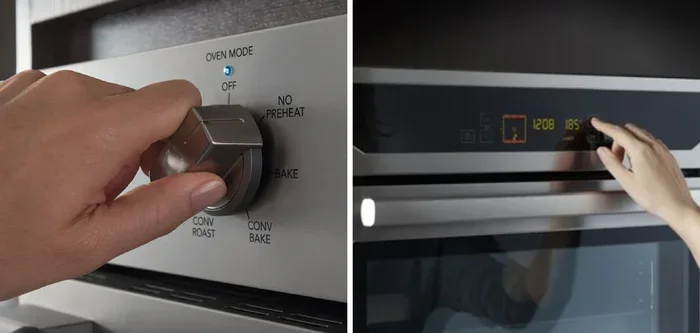
Set your oven to 325°F (163°C). This temperature is the sweet spot for roasting whole almonds. It is hot enough to develop flavor and color but gentle enough to prevent burning. Avoid going above 350°F because almonds can go from perfectly golden to burnt very quickly at higher temperatures.
Give your oven at least 10 to 15 minutes to reach the target temperature. Patience here pays off. A fully preheated oven ensures the almonds start cooking the moment they go in.
Step 2: Spread the Almonds on the Baking Sheet
Line your baking sheet with parchment paper or a silicone mat. Spread the raw almonds in a single layer across the entire surface. Do not pile them up or crowd them together.
The almonds need space for hot air to circulate around each nut. If you stack them or overlap them, some will roast unevenly. Think of it like laying tiles on a floor. Each almond should have room to breathe. For one cup of almonds, a standard half-sheet pan works perfectly.
Step 3: Roast for 10 to 15 Minutes
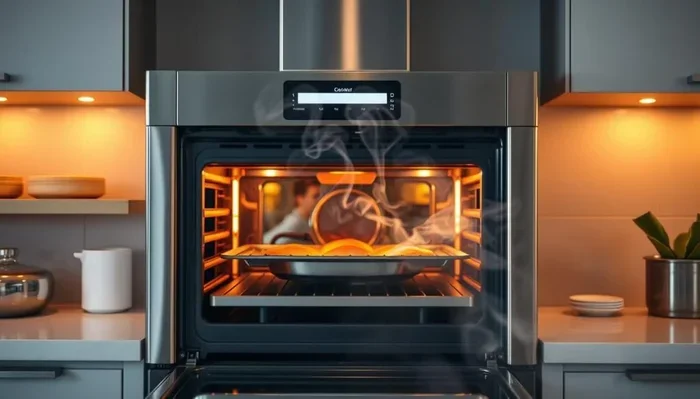
Place the baking sheet on the middle rack of your oven. Set a timer for 10 minutes. At the 10-minute mark, open the oven and take a look. The almonds should be turning light golden brown around the edges.
Use a spatula to stir them gently. This redistributes the almonds so the ones on the hot edges move to the cooler center. Return the tray to the oven and roast for another 3 to 5 minutes. Keep a close eye on them during this final stretch.
Total roasting time usually falls between 12 and 15 minutes. Every oven is different, so the first few times you make this, stay nearby and watch carefully. The almonds will continue to crisp up as they cool, so pulling them out just before they look perfectly done is the right move.
Step 4: Cool and Season
Remove the baking sheet from the oven. The almonds will look slightly underdone in the center, and that is completely normal. Transfer them to a plate or cooling rack immediately.
While the almonds are still warm, sprinkle salt or your chosen seasonings over them. The heat helps the seasoning stick to the surface. Toss or shake the almonds gently to distribute the flavors evenly.
Let the almonds cool completely before storing them. This cooling process is important because trapped moisture can make them soggy. Once cooled, your homemade roasted almonds are ready to enjoy.
Step 5: Taste and Adjust
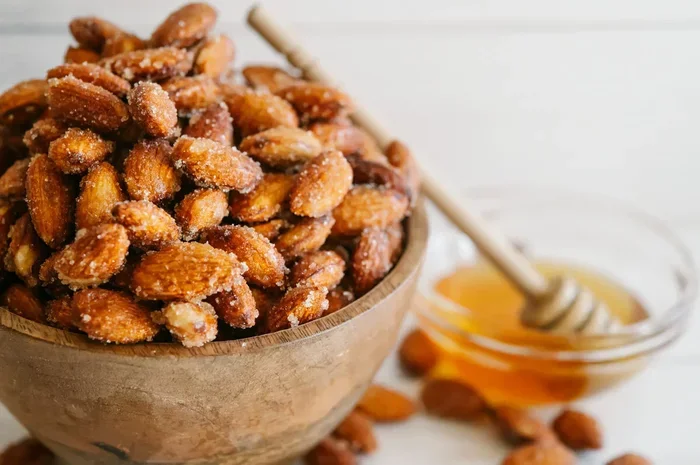
Once cooled, taste a few almonds. If they need more salt, add a light sprinkle and toss again. If you want a deeper flavor, try adding a tiny pinch of sugar or a drizzle of honey before the final roast next time. Baking almonds is all about finding your personal preference, so do not be afraid to experiment.
Delicious Flavors For Your Oven Roasted Almonds
Plain salted almonds are wonderful, but you can take your roasted almond recipe to the next level with flavors. The best time to add flavor is right after roasting, when the almonds are still warm.
Here are some easy and tasty combinations:
- Sweet Cinnamon – Toss warm almonds with a mix of cinnamon and a small amount of coconut sugar. Spread them back on the baking sheet and return to a 250°F oven for 5 minutes to set the coating.
- Savory Garlic Herb – Mix minced garlic, olive oil, rosemary, and a pinch of salt. Toss the warm almonds in this mixture for a restaurant-quality snack.
- Spicy Chili Lime – Combine chili powder, a squeeze of fresh lime juice, and a touch of salt. This gives the almonds a bold, zesty kick that pairs well with beer or cocktails.
- Maple Rosemary – Drizzle warm almonds with a little maple syrup and sprinkle fresh rosemary. Return to the oven briefly to set the glaze.
- Everything Bagel – Use the everything bagel seasoning blend for a savory, crunchy treat that is incredibly addictive.
When you add oils or wet ingredients, use a light hand. Too much moisture can make the almonds sticky or soft. A thin, even coating works best for flavored almonds that stay crispy.
Pairing Flavors With Different Uses
Think about where you plan to use your roasted almonds when choosing flavors. For snacking, simple salted or savory seasonings work great. For salads and desserts, cinnamon, vanilla, or honey flavors shine. If you are adding them to baked goods like cookies or cakes, keep the seasoning mild so the almonds complement rather than overpower the other ingredients.
Tips For Perfect Roasted Almonds Every Time
Even though how to roast whole almonds in oven is straightforward, small details make a big difference. Here are some expert tips that will elevate your results.
Use a timer and stay nearby. Almonds can go from perfectly roasted to burnt in under a minute. Do not walk away from the oven during the last few minutes of roasting.
Stir at least once. Moving the almonds halfway through ensures even browning. The edges of the pan get hotter than the center, so stirring corrects this imbalance.
Let them cool completely. Resist the temptation to eat them straight off the pan. The almonds continue to firm up as they cool, and eating them too hot can burn your mouth.
Do not wash the baking sheet right away. The residue from the almonds oils will be easier to clean once it has cooled. Soak the sheet if needed, but give it a few minutes first.
Keep the oven rack in the middle position. This ensures even heat distribution around the almonds. If you place the tray too high, the top almonds may overheat. Too low, and the bottom ones may scorch.
Buy in bulk for savings. Whole raw almonds are often cheaper when purchased in larger quantities. Roasting a big batch at once saves time and money, and you can store the extras for weeks.
Toast a double batch for gifts. Homemade roasted almonds in a mason jar make wonderful holiday gifts or thank-you presents. Add a label and a ribbon, and you have a thoughtful, handmade gift that people genuinely appreciate.
Quick Tips For Beginners
- Start with plain salted almonds before trying complex flavors.
- Write down your timing and temperature for your specific oven.
- Use a light-colored baking sheet so you can see the color of the almonds clearly.
- Never roast almonds without watching them during the last 3 minutes.
- If in doubt, pull them out early. They will continue to crisp as they cool.
Storing And Using Your Homemade Roasted Almonds
Once you have mastered roasting whole almonds in oven, you will want to keep them fresh. Proper storage makes a huge difference in how long your almonds stay crunchy and flavorful.
Store your roasted almonds in an airtight container at room temperature. A glass jar with a tight lid works perfectly. Avoid plastic bags if possible, as they do not seal as well and can let moisture in. When stored properly, homemade roasted almonds stay fresh for up to two weeks.
You can also freeze roasted almonds for longer storage. Place them in a freezer-safe bag, remove as much air as possible, and freeze. They will keep for up to three months. Thaw at room temperature before eating, and you will barely notice a difference in texture or flavor.
Avoid storing roasted almonds in the refrigerator. The moisture in a fridge can make them go soft and lose their crunch. Room temperature storage in a sealed container is always the better choice for maintaining that satisfying snap.
Creative Ways To Use Roasted Almonds
Roasted almonds are incredibly versatile. Here are some ideas to use them up quickly:
- Crush them and use as a crust for chicken or fish.
- Add them to green salads for extra crunch and protein.
- Blend them into homemade almond butter or almond milk.
- Sprinkle over yogurt or oatmeal for a nutritious breakfast boost.
- Mix into muffin or pancake batter before baking.
- Use as a topping for roasted vegetables or grain bowls.
- Blend into a homemade trail mix with dried fruit and dark chocolate chips.
Once you start making oven roasted almonds at home, you will find new ways to use them every week. They are one of those ingredients that fit into almost any meal or snack.
Common Mistakes To Avoid When Roasting Almonds
Even simple recipes can go wrong if you overlook certain details. Here are the most common mistakes people make when roasting almonds, and how to avoid them.
Using too high a temperature. This is the number one mistake. High heat burns the outside of the almonds before the inside is fully roasted. Stick to 325°F and be patient. Good things take time.
Overcrowding the pan. When almonds overlap or pile up, they steam instead of roast. You end up with soft, pale nuts instead of crispy, golden ones. Always spread them in a single layer.
Skipping the stir. If you do not stir the almonds halfway through, the ones near the edges will burn while the center ones stay underdone. One simple stir makes a world of difference.
Seasoning too early. Adding salt or spices before roasting can cause them to burn or become bitter. Always season after roasting while the almonds are still warm but not hot.
Not cooling them properly. Trapping warm almonds in a sealed container creates condensation. That moisture turns your crispy almonds soft and chewy. Let them cool on an open rack first.
Ignoring your oven hot spots. Most ovens have areas that run hotter than others. Rotate your baking sheet halfway through roasting to account for this. This one simple habit improves results significantly.
Troubleshooting Common Problems
If your almonds came out too soft, they may have been overcrowded or the oven was not hot enough. If they are bitter, you likely roasted them too long or at too high a temperature. If they are unevenly colored, try stirring more frequently or rotating the pan during roasting. Each problem has a simple fix once you know what to look for.
Conclusion
How to roast whole almonds in oven is a skill that anyone can learn in minutes. The process is simple, the results are delicious, and the health benefits are real. From choosing the right raw almonds to finding the perfect seasoning blend, every step is an opportunity to make something truly special.
Once you start making your own roasted almonds at home, store-bought versions will never compare. The freshness, the crunch, and the flavor control are unmatched. You will wonder why you ever paid premium prices for packaged almonds when you could make them yourself in under 20 minutes.
Start with the basic method described in this guide. Once you feel confident, experiment with flavors and seasonings. Soon, oven roasted almonds will be a regular part of your snack routine. They are healthy, satisfying, and incredibly easy to make. Grab a bag of raw almonds and give it a try today. Your taste buds will thank you.
Frequently Asked Questions
Can I roast almonds at a higher temperature to save time?
It is not recommended. Higher temperatures like 400°F can burn the outside of the almonds before the inside is properly roasted. Stick to 325°F to 350°F for the best balance of flavor and texture. Patience gives you the crunchiest, most evenly roasted results.
How do I know when my almonds are done roasting?
Look for a light golden brown color around the edges and a fragrant, nutty smell. The almonds will firm up as they cool, so pull them out when they still look slightly underdone in the center. They should not be dark brown or smoking.
Can I use blanched almonds instead of raw whole almonds?
Yes, blanched almonds work well for roasting. They have a milder flavor and a lighter color. The roasting process is the same. Just be aware that blanched almonds may roast slightly faster because they are thinner and more uniform in size.
How long do homemade roasted almonds stay fresh?
When stored in an airtight container at room temperature, homemade roasted almonds stay fresh for up to two weeks. If you freeze them in a sealed bag, they keep for up to three months. Always let them cool completely before storing to prevent moisture buildup.
Do I need to soak almonds before roasting them?
No, soaking is not necessary for roasting. Raw whole almonds go straight into the oven. Soaking is a technique used for making sprouted almonds or softening them for specific recipes, but it is not part of the oven roasting process.
Can I roast salted almonds instead of raw almonds?
It is best to start with raw almonds so you control the salt level. Pre-salted almonds may end up too salty after roasting because the salt concentrates as moisture evaporates. If you must use salted raw almonds, reduce or skip any additional salt in your seasoning.