How To Open Cuisinart Coffee Maker Carafe Step By Step
Opening your Cuisinart coffee maker carafe is simple once you know the right steps. This guide walks you through unlocking, removing, and maintaining your carafe with confidence. Whether your lid is stuck or you need to clean the carafe, you will find clear instructions here.
There is nothing quite like the ritual of brewing a fresh pot of coffee first thing in the morning. But what happens when you go to pour that perfect cup and realize you cannot figure out how to open the carafe? You are not alone. Many Cuisinart coffee maker owners face this small but frustrating moment. This guide will walk you through everything you need to know about your how to open Cuisinart coffee maker carafe with simple, clear steps. By the end, you will feel confident handling your carafe every single time.
The Cuisinart brand has built a strong reputation for making reliable kitchen appliances. Their coffee makers are popular because they are affordable, durable, and easy to use. But like any appliance, understanding the parts makes a big difference. The carafe is one of the most important pieces. It holds your brewed coffee and connects to the machine during the brewing cycle. Knowing how to properly remove, clean, and replace it keeps everything running smoothly. Whether you own a classic drip model or a newer stainless steel version, this guide covers it all.
Key Takeaways
- Know your model: Different Cuisinart carafes have different locking mechanisms, so identify yours first.
- Always power off: Turn off and unplug the coffee maker before removing the carafe for safety.
- Twist and lift: Most carafes require a gentle twist to unlock before lifting straight up.
- Clean regularly: Regular cleaning prevents build-up and keeps your coffee tasting fresh every morning.
- Replace when needed: Cracks, discoloration, or a broken lid are clear signs it is time for a new carafe.
- Troubleshoot with patience: A stuck carafe usually resolves with gentle pressure and warm water.
📑 Table of Contents
Understanding Your Cuisinart Coffee Maker Carafe
What Is a Carafe and Why Does It Matter?
The carafe is the glass or stainless steel pot that holds your brewed coffee. It sits on the warming plate beneath the brew basket. During brewing, hot water drips from the water reservoir through the brew basket and filter. The coffee then flows into the carafe below. The carafe lid locks in place to keep heat inside and prevent spills. Understanding how this system works helps you handle each part with care.
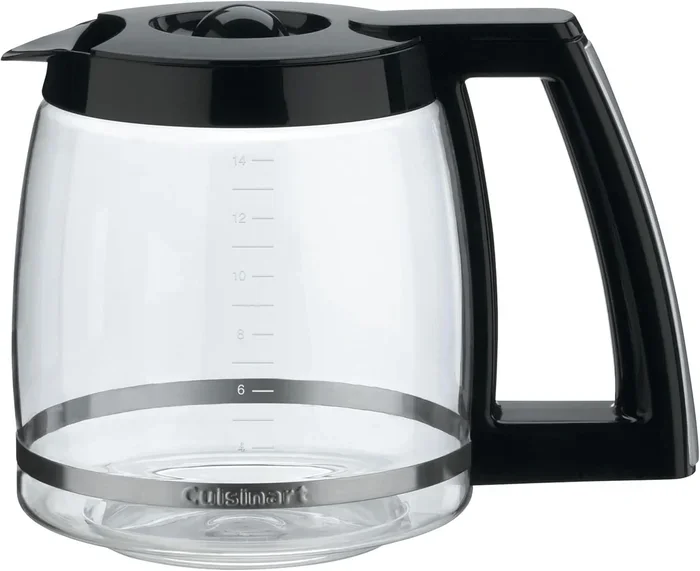
Most Cuisinart coffee machines use a glass carafe with a snap-on or twist-lock lid. Some newer models feature a stainless steel carafe for better heat retention. Regardless of the material, the carafe connects to a warming plate on the machine base. This plate keeps your coffee at the right temperature after brewing. Knowing your specific model helps you figure out the best way to handle the carafe each morning.
Common Types of Cuisinart Carafes
Cuisinart makes several types of coffee makers, and each one uses a slightly different carafe design. Here are the most common types you might encounter:
- Glass carafe with plastic lid: The classic design found in most Cuisinart drip coffee makers. The lid twists or snaps into place.
- Stainless steel carafe: Found in premium models. These offer better heat retention and durability.
- Thermal carafe: These do not sit on a warming plate. They use double-wall insulation to keep coffee hot for hours.
- Programmable carafe models: These have electronic controls and may include a carafe with a measuring scale on the side.
Each type has a slightly different way of unlocking and removing the carafe. Check your user manual if you are unsure which type you own. The basic principles, however, remain the same across all models.
How To Open Cuisinart Coffee Maker Carafe Step by Step
Now let us get into the heart of the matter. Opening your Cuisinart coffee maker carafe does not require any special tools or technical skills. You just need to follow a few simple steps. Here is exactly what to do, whether you are a first-time coffee maker owner or someone who just needs a refresher.
Step 1: Ensure the Coffee Maker Is Off and Cool
Safety always comes first. Before you touch any part of your coffee maker, make sure the machine is powered off. If you just finished brewing, wait a few minutes for the carafe and the machine to cool down. The carafe and the warming plate can get very hot during and right after brewing. Giving them a few minutes to cool prevents burns and makes the process much more comfortable.
Unplugging the coffee maker is an extra safety step you should consider. This ensures there is no power flowing to the machine while you are handling the carafe. It is a simple habit that protects you and extends the life of your appliance. Once the machine is off and cool, you are ready to move on to the next step.
Step 2: Locate the Locking Mechanism
Most Cuisinart carafes use a locking mechanism that clicks the carafe into place on the warming plate. This mechanism keeps the carafe stable during brewing and prevents spills. To open the carafe, you first need to find this lock. Look at the base of the carafe and the top of the warming plate. You will usually see a small handle or tab on the side of the carafe that lines up with a button or lever on the machine.
On some models, the lock is a simple twist-lock. On others, it is a push-button release. The design varies by model and year. If you are not sure where the lock is, look at the side of the carafe near the handle. There is usually a small indentation or button there. Pressing or twisting this releases the carafe from the warming plate.
Step 3: Release and Lift the Carafe
Once you have found the locking mechanism, it is time to release the carafe. For twist-lock models, gently rotate the carafe counterclockwise about a quarter turn. You should feel it click loose. For push-button models, simply press the button or tab while holding the carafe handle. The carafe will lift freely from the warming plate.
Lift the carafe straight up with a steady motion. Do not tilt it too much at first. There may still be a small amount of hot liquid inside, especially if you just finished brewing. Set the carafe on a flat, heat-safe surface like a countertop or trivet. Once the carafe is free from the machine, you can move on to opening the lid.
Step 4: Open the Carafe Lid
The carafe lid is the final piece you need to open. Most Cuisinart lids use a twist-off design. Hold the carafe steady with one hand and grip the lid with the other. Twist the lid counterclockwise to unlock it. Some lids have a simple snap-on design that requires you to pull up and forward at the same time.
If the lid feels tight, do not force it. Sometimes coffee residue builds up around the seal and creates a suction effect. Running the lid under warm water for a few seconds can help break the seal. Once the lid is off, you have full access to the inside of the carafe. This is the perfect time to clean it or refill it with fresh coffee grounds and water for your next brew.
Quick Tips for Opening Your Carafe
- Always use a dry towel when gripping the carafe. A wet hand can slip and cause the carafe to drop.
- Listen for the click. When the carafe unlocks, you will usually hear a small click. This confirms the lock is released.
- Go slowly. Forcing any part of the carafe can damage the locking mechanism or the warming plate.
- Keep the user manual handy. It has model-specific instructions that can save you time and frustration.
Troubleshooting a Stuck or Jammed Carafe
Sometimes, even when you follow all the steps, the carafe just will not budge. This is more common than you might think, especially with older models or machines that have not been cleaned in a while. The good news is that a stuck carafe is almost always fixable without calling a repair technician. Let us look at the most common issues and how to solve them.
When the Carafe Won’t Lift Out
If the carafe feels locked in place even after you twist or press the release mechanism, there are a few things to check. First, make sure you are turning the carafe in the right direction. Some models lock clockwise and unlock counterclockwise, while others work the opposite way. Check your user manual for the correct direction.
Second, look for coffee grounds or residue around the locking area. Over time, tiny coffee grounds can build up and create friction that holds the carafe in place. Wipe the area clean with a damp cloth and try again. Third, the warming plate itself may have warped slightly over time, especially if the machine is older. In this case, gently wiggling the carafe side to side while lifting can help break the seal. Be patient and use gentle pressure. Never use a tool or excessive force.
When the Lid Won’t Twist Open
A stuck carafe lid is a different problem but just as annoying. The most common cause is a vacuum seal created by temperature changes. When hot coffee cools inside the carafe, it can create suction that holds the lid in place. To fix this, simply run the lid under warm water for 10 to 15 seconds. The warm water breaks the vacuum and makes the lid easy to twist off.
Another common cause is dried coffee oils around the lid seal. These oils build up over time and act like glue. To fix this, wash the lid and the carafe rim with warm soapy water. Use a soft sponge to clean the rubber seal on the lid. If the seal is heavily stained, soak the lid in a mixture of warm water and baking soda for 15 minutes before scrubbing gently. For more thorough coffee maker maintenance tips, you can also learn how to decalcify your machine to keep everything running at its best.
Cleaning and Maintaining Your Carafe
Keeping your carafe clean is one of the best things you can do for your coffee maker. A clean carafe makes better-tasting coffee and lasts longer. It also prevents the buildup of oils and residue that can cause odors and stains. A regular cleaning routine takes just a few minutes but pays off in the long run.
Daily Cleaning Routine
After each use, rinse the carafe and lid with warm water. This prevents coffee oils from hardening and sticking to the glass. Use a soft sponge or cloth to wipe down the inside of the carafe. Avoid using abrasive scrubbers, as they can scratch the glass and create tiny grooves where bacteria can grow. For the lid, remove the rubber seal and wash it separately. This small piece often traps old coffee grounds and oils.
Once a week, give your carafe a deeper clean. Wash it with warm water and a mild dish soap. For stubborn stains, try sprinkling a thin layer of baking soda inside the carafe and adding a splash of white vinegar. Let it sit for 15 minutes, then scrub gently with a soft sponge. Rinse thoroughly with clean water. This natural cleaning method is safe, effective, and leaves your carafe smelling fresh.
Removing Hard Water Stains and Coffee Discoloration
Over time, you may notice brown or gray stains inside your carafe. These come from hard water minerals and coffee pigments. They are not harmful, but they can affect the taste of your coffee and make the carafe look old. To remove these stains, fill the carafe with equal parts water and white vinegar. Let it soak for 30 minutes, then scrub with a non-abrasive sponge. Rinse well with clean water and dry with a soft cloth.
For extra cleaning power, you can also use a paste made from baking soda and water. Apply it to the stained areas and let it sit for 10 minutes before scrubbing. This works especially well on the bottom of the carafe where stains tend to build up the most. Keeping up with this cleaning routine means you will rarely have to deal with tough stains in the first place.
When to Replace Your Cuisinart Carafe
Even with the best care, carafes do not last forever. Knowing when to replace yours keeps your coffee tasting great and your machine working safely. Here are the clear signs that it is time for a new carafe.
Signs You Need a New Carafe
- Cracks or chips in the glass: Even small cracks can grow over time and lead to a complete break. A cracked carafe is also a safety hazard when handling hot liquids.
- Discoloration that will not come out: If your carafe has turned dark brown or yellow and cleaning does not restore it, the glass has likely been permanently stained. This can also affect the taste of your coffee.
- A broken or warped lid: The lid seal is essential for keeping heat in and preventing drips. If the lid no longer fits snugly, it is time for a replacement.
- A wobbly or unstable carafe on the warming plate: This could mean the base has warped or the locking mechanism is worn out. A wobbly carafe can spill hot coffee and cause burns.
How to Find the Right Replacement Carafe
Finding a replacement carafe for your Cuisinart coffee maker is easier than you might think. Start by checking the model number on the bottom of the machine or in the user manual. You can then search for the specific carafe model online. Cuisinart sells replacement carafes directly through their website and through most major retailers. You can also find compatible third-party options, but make sure to check the reviews and confirm the fit before purchasing.
When you get your new carafe, take a moment to read the instructions that come with it. Each model may have slightly different care requirements. Proper use and care from day one will help your new carafe last as long as possible. If you are also interested in keeping other kitchen appliances in top shape, regular cleaning of items like your toaster oven can make a big difference in their lifespan and performance.
Expert Insights on Carafe Care
Taking care of your carafe is about more than just keeping it looking good. It directly affects the taste of your coffee and the performance of your machine. Coffee oils build up over time and go rancid if not cleaned properly. This can give your next pot of coffee a stale or bitter taste. A quick rinse after every use prevents this buildup from taking hold.
Experts also recommend deep cleaning your carafe at least once a week. This removes mineral deposits from hard water and coffee pigment buildup. If you notice your coffee tasting off even after cleaning the machine, the carafe might be the culprit. A stained or residue-covered carafe can subtly change the flavor of your brew. Regular cleaning keeps every cup tasting fresh and clean.
Another expert tip is to never put your glass carafe in the dishwasher unless the manufacturer specifically says it is safe. The high heat and harsh detergents in dishwashers can weaken the glass over time and cause it to crack or shatter. Hand washing is always the safest choice for a glass carafe. For stainless steel carafes, check the manufacturer’s instructions, as some are dishwasher safe while others are not.
One more thing to keep in mind is the importance of descaling your machine regularly. Mineral deposits from water can build up inside the coffee maker and affect brewing temperature. This, in turn, affects how your coffee tastes. Learning how to decalcify your Keurig or drip coffee maker as part of a regular maintenance routine keeps the entire system running at peak performance. A clean machine with a clean carafe makes the best cup of coffee every single time.
Key Takeaways
- Identify your carafe type first: Glass, stainless steel, and thermal carafes each have their own handling and cleaning needs.
- Always power off before removing: This prevents burns and protects the machine’s internal components.
- Twist or press the lock gently: Forcing the carafe can damage the locking mechanism and the warming plate.
- Clean your carafe weekly: Regular cleaning prevents oil buildup, stains, and off-flavors in your coffee.
- Replace when you see cracks or warping: A damaged carafe is a safety risk and can affect coffee quality.
- Use natural cleaners like vinegar and baking soda: They are effective, safe, and inexpensive alternatives to harsh chemicals.
- Hand wash glass carafes: Dishwashers can weaken the glass over time and cause cracking or shattering.
Conclusion
Knowing how to open Cuisinart coffee maker carafe is a simple skill that makes your morning routine smoother and more enjoyable. From locating the locking mechanism to removing the lid and cleaning the carafe, each step is easy once you understand the process. Regular maintenance keeps your carafe in great shape and your coffee tasting its best. Whether you are dealing with a stuck lid, hard water stains, or simply need a replacement part, this guide has you covered.
Take a few minutes each week to clean and inspect your carafe. It is a small habit that pays off in better-tasting coffee and a longer-lasting machine. If you ever feel unsure, refer back to this guide or check your user manual for model-specific details. With the right care and attention, your Cuisinart coffee maker carafe will serve you well for years to come. Now go ahead and enjoy that perfect morning cup of coffee with confidence.
Frequently Asked Questions
Can I remove the carafe while the coffee maker is still brewing?
Most Cuisinart models have a pause-and-pour feature that lets you remove the carafe mid-brew. However, you should still be careful because hot coffee can drip from the brew basket. Place the carafe back on the warming plate as soon as possible to avoid spills and messes. Always check your specific model’s manual to confirm this feature is available.
Why does my Cuisinart carafe lid feel stuck after brewing?
This is usually caused by a vacuum seal that forms when hot coffee cools inside the carafe. The temperature change creates suction that holds the lid in place. Running the lid under warm water for 10 to 15 seconds breaks the seal and makes it easy to twist open. If the lid is still tight, dried coffee oils around the seal may be the culprit. A good wash with warm soapy water usually solves this problem.
How often should I replace my Cuisinart coffee maker carafe?
With proper care, a glass carafe can last for several years. Stainless steel carafes tend to last even longer. You should replace your carafe as soon as you notice cracks, chips, or permanent discoloration. A warped lid or a wobbly base are also clear signs that replacement is needed. Regular cleaning helps extend the life of your carafe significantly.
Is it safe to put a glass Cuisinart carafe in the dishwasher?
Most Cuisinart glass carafes are not dishwasher safe. The high heat and harsh detergents can weaken the glass over time and cause it to crack or shatter. Hand washing with warm water and mild dish soap is the safest method. Always check the manufacturer’s instructions on your specific model to be sure. When in doubt, hand wash to protect your carafe.
What is the best way to remove stains from my Cuisinart carafe?
A mixture of equal parts water and white vinegar is one of the most effective stain removers. Fill the carafe with the solution and let it soak for 30 minutes before scrubbing with a soft sponge. For stubborn stains, make a paste with baking soda and water and apply it to the stained areas. Let it sit for 10 minutes, then scrub gently. Rinse thoroughly with clean water after cleaning.
Can I use my Cuisinart carafe on the stove or in the microwave?
No, Cuisinart glass carafes are designed for use with the coffee maker only. They are not stove-safe or microwave-safe. Exposing the carafe to direct heat can cause it to crack or shatter, which is a serious safety hazard. Always use the warming plate on your coffee maker to keep coffee warm. If you need to reheat coffee, pour it into a microwave-safe mug instead.