How To Make Peets Coffee At Home Like A Professional
Making Peets coffee at home is easier than you think. With the right beans, equipment, and technique, you can brew a cup that tastes just like your favorite Peets order. This guide covers everything from choosing the perfect Peets coffee beans to mastering the brew coffee at home process like a true pro.
There is something magical about a perfect cup of coffee in the morning. For many people, that cup comes from Peets. The bold flavors, the rich aroma, the smooth finish — it all adds up to a morning coffee routine that feels like a ritual. But what if you could get that same experience right in your own kitchen?
The good news is that brewing coffee at home like Peets is totally doable. You do not need fancy equipment or years of training. You just need the right beans, a basic setup, and a little know-how. This guide will walk you through every step of the process so you can enjoy coffee that tastes like Peets without ever leaving your house.
Peets Coffee has been a favorite among coffee lovers since 1966. They built their reputation on serving bold, roasted cups that pack serious flavor. Unlike some brands that focus on light, mild brews, Peets goes big. Their beans are roasted longer and darker, which creates that deep, smoky, almost chocolatey taste people love. If you have ever wondered how to get that same rich coffee flavor at home, you are in the right place.
## What Makes Peets Coffee Special
### The Peets Difference
Peets stands out because of their commitment to quality. They source beans from top growing regions around the world. Then they roast them in small batches to bring out the best coffee flavor profile. The result is a cup that feels deep, complex, and satisfying.
When you drink a Peets cup, you notice the body. It is thick and velvety. There is a roasted sweetness that lingers. And the acidity is low, which means it is smooth on the stomach. This is not your average grocery store coffee. It is a carefully crafted experience.
### Why People Love Peets Style Coffee
People who love Peets often say the same thing: it tastes like a treat every morning. The dark roast coffee gives a bold kick without feeling bitter. It is the kind of coffee that works perfectly on its own or with a splash of milk. Once you learn how to brew it at home, you might never go back to ordering out.
## Choosing The Right Beans For Your Brew
### Understanding Peets Dark Roast vs Medium Roast
Peets offers several roast levels. Their most popular is the dark roast, which delivers that classic bold punch. The medium roast is smoother and slightly sweeter. If you are new to brew coffee at home, start with a dark roast to capture that Peets character.
Here is a quick look at the two main options:
- Dark Roast: Bold, smoky, and intense. Best for those who love strong coffee taste like Peets.
- Medium Roast: Balanced, slightly sweet, and smoother. Great for adding milk or cream.
### Freshness Is Everything
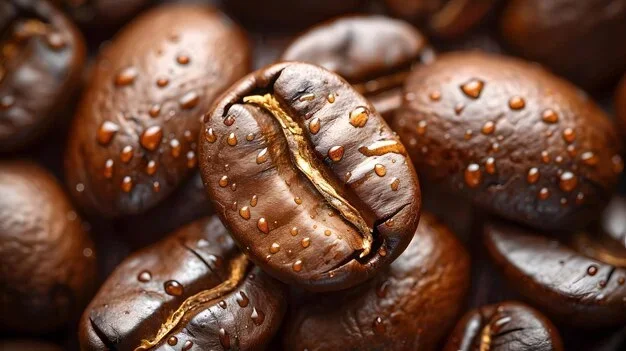
One of the biggest secrets behind great coffee at home is freshness. Peets roasts their beans in small batches, and they recommend using them within a few weeks of roasting. When you buy beans, check the roast date on the bag. The fresher the bean, the better your coffee extraction will be.
Store your beans in an airtight container away from light and heat. Do not keep them in the freezer, as moisture can ruin the flavor. A cool, dark pantry works perfectly.
## Equipment You Need To Brew Like A Pro
### French Press Method
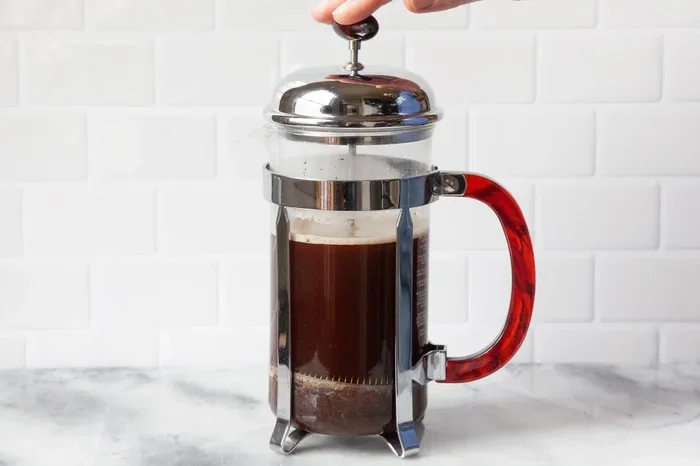
The French press is one of the best ways to make French press coffee at home. It is simple, affordable, and produces a full-bodied cup that mirrors the Peets experience. You just add coarsely ground beans, pour hot water, wait four minutes, and press down the plunger.
A good French press costs under $30. It is a must-have for anyone serious about homemade espresso-style drinks. The metal filter lets more oils through than paper filters, which gives you that rich, heavy mouthfeel Peets is known for.
### Pour Over Method
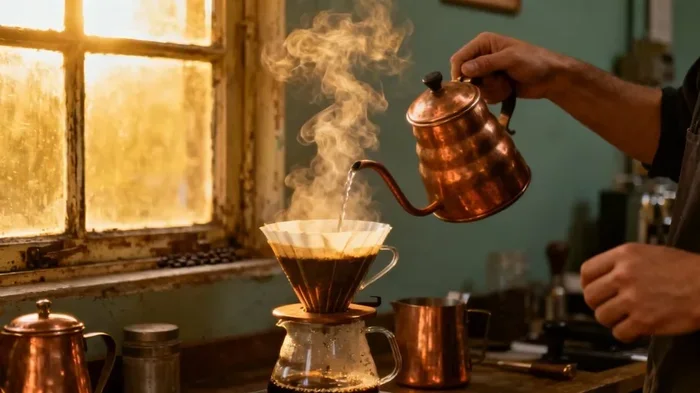
Pour over coffee gives you more control over the brewing process. You pour hot water over grounds in a slow, steady spiral. This method brings out the subtle flavors in the beans and creates a clean, bright cup.
You will need a pour over dripper, a paper filter, and a gooseneck kettle. The gooseneck kettle lets you control the pour speed and direction. This is how many barista style coffee experts brew at home. It takes a little practice, but the results are worth it.
### Drip Coffee Maker
If you prefer convenience, a good drip coffee maker works well too. Look for one with a thermal carafe and adjustable brew strength. Some models even let you control the water temperature for coffee, which is key to getting a great extraction.
A drip machine is not as hands-on as a French press or pour over, but it gets the job done. It is perfect for busy mornings when you want a reliable smooth coffee drink without the fuss.
## The Step By Step Brewing Process
### Grinding Your Beans The Right Way
Coffee grind size is one of the most important factors in brewing. If your grind is too fine, the coffee will be over-extracted and bitter. If it is too coarse, it will be weak and watery.
For a French press, use a coarse grind. It should look like sea salt. For pour over, go with a medium grind, similar to sand. If you have a drip machine, a medium grind works best too.
Invest in a burr grinder if you can. Blade grinders create uneven particles, which leads to inconsistent extraction. A burr grinder crushes beans evenly, giving you a much better coffee to water ratio and a cleaner taste.
### Getting The Water Temperature Right
The water temperature for coffee should be between 195 and 205 degrees Fahrenheit. Boiling water (212°F) is too hot and will burn the grounds, creating a bitter taste. Water that is too cool will under-extract the beans and leave you with a flat, weak cup.
If you do not have a thermometer, bring your water to a boil and then let it sit for 30 seconds. That brings it right into the sweet spot. This small trick makes a huge difference in your morning coffee routine.
### The Perfect Coffee To Water Ratio
The standard coffee to water ratio for a strong brew is 1:15. That means one gram of coffee for every 15 grams of water. For a typical 12-ounce cup, use about 21 grams of coffee and 315 grams of water.
If you prefer a milder cup, try a 1:16 or 1:17 ratio. Adjust to your taste. Keep notes on what you like best so you can repeat it every time. This is how real coffee brewing methods are perfected at home.
### The Brew Itself
Once your grind, water, and ratio are set, the actual brewing is simple. For a French press, add grounds, pour hot water, stir gently, and wait four minutes. Press the plunger down slowly and pour immediately.
For pour over, wet the filter first, add grounds, and pour water in slow circles. Let it drip through completely. Total brew time should be around three to four minutes.
For a drip machine, add the filter, grounds, and water, then hit brew. The machine handles the rest.
## Making Peets Style Drinks At Home
### The Peets Latte Copycat
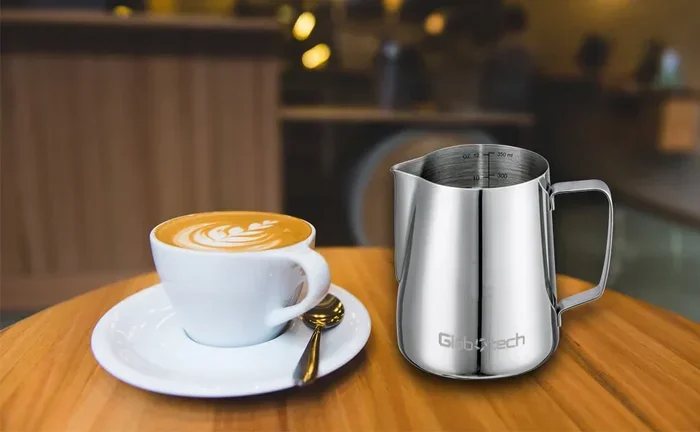
Peets lattes are creamy, bold, and incredibly satisfying. To make one at home, brew a strong cup of dark roast coffee using your preferred method. Heat some milk — whole milk works best for creaminess — and froth it using a milk frother or by shaking it in a sealed jar.
Pour the frothed milk over your coffee. Add a touch of vanilla or caramel syrup if you like. You now have a latte that rivals anything from the café. The key is using enough coffee to cut through the milk.
### Iced Peets Coffee
Iced coffee is a summer staple. Brew a strong cup of rich coffee flavor using double the normal amount of grounds. Let it cool to room temperature, then pour it over ice. Add milk, sweetener, or nothing at all — it is up to you.
For an even smoother iced coffee, try cold brewing overnight. Steep coarse grounds in cold water for 12 to 18 hours, then strain. The result is a naturally sweet, low-acid smooth coffee drink that is perfect over ice.
## Common Mistakes To Avoid
### Using Stale Beans
This is the number one mistake people make. Old beans lose their flavor and aroma fast. If your coffee tastes flat or dull, check the roast date. Fresh beans are the foundation of every great cup.
### Wrong Grind Size
As mentioned earlier, grind size affects everything. Too fine means bitterness. Too coarse means weakness. Take the time to match your grind to your brewing method. It is a small change that transforms your cup.
### Ignoring Water Quality
Coffee is 98 percent water. If your tap water tastes bad, your coffee will too. Use filtered water for the best results. It is an easy upgrade that makes a noticeable difference in flavor.
### Skipping The Preheat
Always preheat your brewing equipment before you start. Rinse your French press, mug, or dripper with hot water. This keeps the temperature stable during brewing and ensures a more consistent coffee extraction.
## Expert Tips For Perfecting Your Home Brew
Taste your coffee at every stage. Smell the grounds before brewing. Notice the aroma during the pour. Taste the final cup and adjust next time. This is how you train your palate and improve your coffee maker at home skills.
Keep your equipment clean. Oils build up in grinders, presses, and machines over time. These old oils go rancid and taint the flavor of fresh coffee. Clean everything after every use for the best taste.
Experiment fearlessly. Try different beans, grind sizes, ratios, and brew times. Coffee is personal. What works for one person might not work for another. The joy of brew coffee at home is finding your perfect cup.
If you enjoy pairing your morning brew with fresh baked goods, you might love learning how to make bread without oven and yeast for a complete breakfast experience. And for a crunchy snack alongside your coffee, try roasting whole almonds in oven — it is simple and pairs beautifully with bold dark roast cups. You can even explore adding subtle flavors to your drinks by learning how to dry lemon balm in oven for a unique herbal twist in your coffee creations.
## Final Thoughts On Brewing Peets Coffee At Home
Making Peets coffee at home is about more than just saving money. It is about taking control of your morning ritual. It is about savoring every sip of a cup that was made exactly the way you like it. Once you master the basics — the beans, the grind, the water, the ratio — you will never look at a café cup the same way again.
Start simple. Grab a French press or a pour over setup. Buy fresh Peets coffee beans from your local roaster or online. Follow the steps in this guide. Taste, adjust, and repeat. Within a week, you will be brewing barista style coffee that rivals your favorite Peets location.
The beauty of home brewing is that it grows with you. As you get more comfortable, you can explore new beans, new methods, and new drink recipes. The journey never ends. And every morning gives you a fresh chance to make something wonderful.
So go ahead. Brew your next cup at home. You might just discover that the best Peets coffee you ever had was the one you made yourself.
Key Takeaways
- Choose the right beans: Peets is known for its bold dark roast coffee and rich flavor profiles that start with high-quality roasted beans.
- Equipment matters: A French press, pour over setup, or quality drip maker can get you surprisingly close to barista style coffee at home.
- Master the basics: Getting the coffee grind size, water temperature for coffee, and coffee to water ratio right makes all the difference.
- Avoid common mistakes: Using stale beans, wrong water temperature, and incorrect grind size are the top reasons home brews fall flat.
- Experiment with drinks: You can recreate Peets-style lattes, cold brews, and flavored drinks with simple ingredients and the right technique.
Frequently Asked Questions
Can I use regular ground coffee to make Peets-style coffee at home?
Yes, but fresh whole beans ground just before brewing will give you a much better result. Pre-ground coffee loses flavor quickly, so if you must use it, buy small bags and store them in an airtight container. The closer you get to fresh grinding, the closer your cup will taste to Peets.
What is the best water temperature for brewing Peets-style coffee?
The ideal water temperature for coffee is between 195 and 205 degrees Fahrenheit. Water that is too hot will over-extract the grounds and create bitterness, while water that is too cool will under-extract and leave your cup weak. Let boiling water rest for about 30 seconds before pouring.
Do I need expensive equipment to brew Peets coffee at home?
Not at all. A basic French press or pour over setup costs under $30 and produces excellent results. You do not need an expensive espresso machine. The real secret to great coffee brewing methods at home is using fresh beans, the right grind size, and proper technique — not price tag.
How long do Peets coffee beans stay fresh after opening the bag?
Peets recommends using beans within two to three weeks of opening the bag for the best flavor. Store them in an airtight container in a cool, dark place. Avoid the fridge or freezer, as moisture and odors can affect the coffee flavor profile of your beans.
Can I make a Peets latte at home without an espresso machine?
Absolutely. Brew a very strong cup of coffee using a French press or double the normal coffee amount with a drip machine. Froth heated milk with a hand frother or by shaking it in a jar. Combine the strong coffee with frothed milk and you have a latte that tastes remarkably close to the real thing.
What makes Peets coffee taste different from other brands?
Peets uses a darker roast profile and sources high-quality beans from premium growing regions. Their small-batch roasting process brings out bold, smoky, and chocolatey notes that are less acidic than lighter roasts. This gives their coffee taste like Peets signature rich and full-bodied character that is hard to replicate with mass-market brands.
=== CONCLUSION ===
Brewing Peets coffee at home is a rewarding skill anyone can learn. With the right beans, proper equipment, and attention to the basics, you can enjoy a cup that is bold, rich, and satisfying every single morning. Remember to focus on freshness, grind size, water temperature, and the coffee to water ratio. These four elements are the foundation of every great brew.
Start with the tips in this guide, experiment with your setup, and soon you will have a morning coffee routine that feels professional and personal at the same time. Your kitchen will smell like a café, your cups will taste like a masterpiece, and you will never need to wait in line again. Make Peets coffee at home today and taste the difference for yourself.