Cold Drip Coffee Maker The Ultimate Home Brewing Guide
A cold drip coffee maker lets you brew rich, smooth coffee slowly over hours, creating a concentrated and flavorful drink perfect for hot days. This guide covers how these machines work, their benefits, how to choose the right one, and step-by-step brewing instructions. Whether you are a beginner or a coffee lover, you will find practical tips to elevate your home brewing game.
A cold drip coffee maker is one of the best tools you can add to your kitchen if you love smooth, rich coffee without the bitterness. Unlike hot brewing methods that use heat to extract flavors fast, cold drip coffee relies on time and cold water to pull out the natural sweetness and subtle notes in your beans.
If you have ever wondered why cold brew coffee tastes so different from regular hot coffee, the answer lies in the process. Cold water extracts fewer acids and bitter compounds, which gives you a smoother cup that is easier on your stomach. A dedicated cold drip coffee maker makes this process simple and consistent every single time.
In this guide, we will walk you through everything you need to know about cold drip coffee makers. From understanding how they work to choosing the best model for your needs, you will find all the answers right here. We also share practical brewing tips, maintenance advice, and common mistakes to avoid so you can get the most out of your machine.
Key Takeaways
- Cold drip coffee makers produce smooth, low-acid coffee by slowly dripping water over grounds for hours.
- There are three main types: tower-style, glass carafe, and compact personal models to fit any kitchen.
- Using a cold drip coffee maker at home gives you full control over flavor, strength, and brewing time.
- Regular cleaning and decalcifying keeps your machine running smoothly and your coffee tasting fresh.
- Cold drip coffee concentrate can be stored in the fridge for up to two weeks, making it super convenient.
- Investing in a quality cold drip coffee maker saves money compared to buying cold brew coffee shops every day.
📑 Table of Contents
- What Is a Cold Drip Coffee Maker?
- How Does a Cold Drip Coffee Maker Work?
- Benefits of Using a Cold Drip Coffee Maker at Home
- How to Choose the Right Cold Drip Coffee Maker
- How to Brew Cold Drip Coffee at Home
- Maintenance and Cleaning Tips for Your Cold Drip Coffee Maker
- Cold Drip Coffee Maker vs Other Brewing Methods
- Final Thoughts on Cold Drip Coffee Makers
What Is a Cold Drip Coffee Maker?
A cold drip coffee maker is a brewing device that uses cold or room-temperature water to extract coffee flavors slowly. Instead of forcing hot water through grounds at high pressure, the machine lets water drip down through the coffee at a gentle pace. This slow extraction process can take anywhere from a few hours to an entire night, depending on the setup.
The result is a coffee concentrate that is naturally sweet, low in acidity, and incredibly smooth. You can dilute it with water, milk, or ice to create the perfect glass of iced coffee. Many coffee lovers prefer cold drip over traditional brewing because it brings out flavor notes that heat tends to mask or burn off.
How Is Cold Drip Different from Cold Brew?
People often use the terms cold drip and cold brew interchangeably, but they are not exactly the same. Cold brew typically involves soaking coffee grounds in cold water for 12 to 24 hours, like making a big batch in a jar. Cold drip, on the other hand, uses a drip mechanism that slowly passes water through the grounds one drop at a time.
Cold drip coffee tends to have a cleaner, more refined taste because the water interacts with the grounds in a more controlled way. A cold drip coffee maker gives you more precision over the extraction process compared to simply steeping grounds in a pitcher. Both methods produce delicious results, but cold drip offers a more hands-on and ritualistic brewing experience.
How Does a Cold Drip Coffee Maker Work?
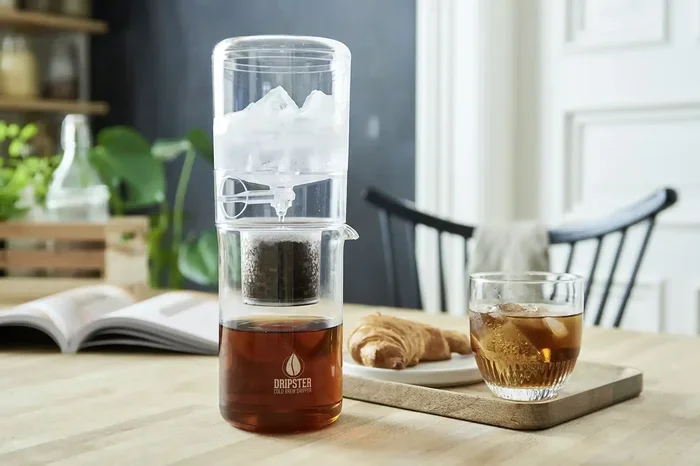
Understanding how a cold drip coffee maker works helps you appreciate why the coffee tastes so good. The basic setup includes a water reservoir at the top, a drip mechanism or shower head in the middle, and a carafe or container at the bottom where the coffee collects.
Here is how the process works step by step:
- You fill the top reservoir with cold or room-temperature water.
- The water drips down slowly through a drip nozzle or shower head.
- The water passes through a bed of coffee grounds placed in a filter basket.
- The extracted coffee drips down into the glass carafe or container below.
- The process continues until all the water has passed through the grounds.
The key to great cold drip coffee is the drip rate. If the water moves too fast, you get weak and under-extracted coffee. If it moves too slow, the coffee can become over-extracted and taste bitter. Most cold drip coffee makers let you adjust the drip rate using a valve or knob, giving you full control over the final flavor.
The Science Behind Cold Extraction
Cold water extracts coffee compounds more slowly than hot water. It pulls out sugars, some acids, and aromatic oils but leaves behind many of the bitter compounds that hot water releases. This is why cold drip coffee often tastes sweeter and smoother than its hot-brewed counterpart.
The temperature of the water also matters. Using water that is too warm can start to extract some of the bitter compounds you want to avoid. Most experts recommend using water between 50 and 70 degrees Fahrenheit for the best results. Some cold drip coffee makers come with built-in temperature indicators, which makes it even easier to get consistent brews.
Benefits of Using a Cold Drip Coffee Maker at Home
Owning a cold drip coffee maker comes with several advantages that go beyond just convenience. Let us look at why so many coffee lovers are making the switch.
Smoother, Less Acidic Coffee
One of the biggest reasons people switch to cold drip is the reduced acidity. Hot brewing methods extract more chlorogenic acids, which can cause stomach discomfort for sensitive drinkers. Cold drip coffee is naturally lower in acid, which means it is gentler on your stomach and often tastes less bitter.
Richer and More Complex Flavor
Because cold extraction pulls out different flavor compounds than hot brewing, you get a cup of coffee with more depth and complexity. Many coffee drinkers notice notes of chocolate, caramel, fruit, and nuts in their cold drip coffee that they never picked up from hot-brewed cups. The slow process allows each flavor to develop fully without being rushed.
Convenience and Batch Brewing
A cold drip coffee maker lets you brew a large batch of coffee concentrate in one session. You can make enough coffee to last several days, which saves time in the morning. Simply pour your concentrate over ice or mix it with milk, and you have a ready-to-drink beverage in seconds.
Cost Savings Over Time
Buying cold brew coffee from cafes every day can add up quickly. A quality cold drip coffee maker pays for itself within a few weeks. You control the quality of your beans, the strength of your brew, and how much coffee you make, which means less waste and more savings.
How to Choose the Right Cold Drip Coffee Maker
Not all cold drip coffee makers are created equal. Choosing the right one depends on your budget, kitchen space, and how much coffee you drink. Here are the main factors to consider.
Types of Cold Drip Coffee Makers
There are three main types of cold drip coffee makers you will find on the market:
- Tower-style makers: These are tall, vertical units that look great on your countertop. They usually have glass carafes and adjustable drip valves. Tower-style makers are popular for their aesthetic appeal and consistent brewing performance.
- Glass carafe systems: These are simpler setups where the carafe sits at the bottom and the drip mechanism sits on top. They are easy to use and clean, making them a great choice for beginners.
- Compact personal makers: These smaller units are designed for one or two cups at a time. They are perfect for small kitchens or offices where you only need a single serving of cold drip coffee.
Material and Build Quality
Look for a cold drip coffee maker made from durable materials like borosilicate glass, stainless steel, or food-grade plastic. Glass carafes let you watch the coffee brew, which is a fun and satisfying experience. Stainless steel models tend to last longer and are more resistant to breakage.
Drip Rate Control
The drip rate is one of the most important features to look for. A good cold drip coffee maker gives you the ability to adjust how fast or slow the water drips through the grounds. This control directly affects the strength and flavor of your coffee. Models with a simple valve or knob for drip adjustment are the most user-friendly.
Capacity and Size
Think about how much coffee you drink on a regular basis. If you are brewing for a family or hosting guests, go for a larger capacity maker that can produce a full carafe or more. For solo drinkers, a compact model with a one-cup carafe works perfectly.
How to Brew Cold Drip Coffee at Home
Brewing coffee with a cold drip coffee maker is straightforward once you understand the basics. Follow these steps for the best results every time.
Step 1: Choose Your Coffee Grounds
Start with fresh, quality coffee beans. A medium to coarse grind works best for cold drip brewing. If you have a coffee grinder at home, grind your beans just before brewing for the freshest flavor. You can also use pre-ground coffee, but fresh-ground beans always produce a better cup. If you are curious about using your grinder for different purposes, check out our article on whether a coffee grinder can be used for wet grinding.
Step 2: Measure Your Ratios
A good starting ratio is 1 part coffee to 10 parts water for a standard cold drip brew. If you prefer a stronger concentrate, use 1 part coffee to 8 parts water. Measuring your coffee and water carefully ensures consistent results every time you brew.
Step 3: Set Up Your Machine
Place your filter basket in the drip area and add the coffee grounds. Make sure the grounds are evenly distributed for uniform extraction. Fill the top reservoir with cold filtered water and adjust the drip valve to your preferred speed.
Step 4: Start Brewing
Let the machine run and monitor the drip rate. A typical cold drip session takes anywhere from 3 to 8 hours depending on the amount of water and your drip speed. The slower the drip, the more flavor is extracted. Some people brew their cold drip coffee overnight and wake up to a fresh carafe in the morning.
Step 5: Serve and Enjoy
Once brewing is complete, pour your cold drip coffee concentrate over ice. You can add water, milk, cream, or sweetener to taste. Many coffee lovers enjoy their cold drip coffee straight or with a splash of oat milk for a creamy, refreshing drink.
Quick Tips for Better Cold Drip Coffee
- Always use filtered water for the cleanest taste.
- Experiment with different coffee bean origins to find your favorite flavor profile.
- Store your cold drip coffee concentrate in the fridge for up to 14 days.
- Clean your machine after every use to prevent buildup and off-flavors.
- Keep your coffee beans in an airtight container away from light and heat.
Maintenance and Cleaning Tips for Your Cold Drip Coffee Maker
Keeping your cold drip coffee maker clean is essential for great-tasting coffee and a long machine lifespan. Coffee oils and mineral deposits can build up over time, affecting the flavor of your brew.
Daily Cleaning Routine
After each use, disassemble the removable parts and rinse them with warm water. Wash the glass carafe, filter basket, and drip nozzle thoroughly. A soft brush helps remove any coffee residue stuck in hard-to-reach areas. Let all parts air dry before reassembling.
Deep Cleaning and Decalcifying
Over time, mineral deposits from water can accumulate inside your machine, especially if you live in a hard water area. Regular decalcifying helps maintain performance and flavor. You should decalcify your cold drip coffee maker every 1 to 3 months depending on how often you use it. Our detailed guide on how to decalcify a coffee maker walks you through the process step by step using simple household ingredients like white vinegar or citric acid.
Replacing Filters
Most cold drip coffee makers use reusable mesh filters or disposable paper filters. Reusable filters should be cleaned after each use and replaced every few months if they become worn. Paper filters offer a cleaner cup with less sediment but need to be replaced after every brew. Check your machine manual for specific filter recommendations.
Common Mistakes to Avoid
- Using water that is too warm can alter the flavor profile and reduce the smoothness of your coffee.
- Grinding your beans too fine can clog the filter and slow down the drip rate.
- Skipping regular cleaning leads to stale flavors and bacterial growth over time.
- Using old or stale coffee beans results in flat and uninspiring cold drip coffee.
- Overfilling the coffee grounds can cause channeling and uneven extraction.
Cold Drip Coffee Maker vs Other Brewing Methods
Not sure how a cold drip coffee maker compares to other popular brewing methods? Here is a quick look at how it stacks up against the competition.
| Feature | Cold Drip Coffee Maker | French Press | Drip Coffee Maker |
|---|---|---|---|
| Brewing Time | 3 to 8 hours | 4 to 6 minutes | 5 to 10 minutes |
| Water Temperature | Cold or room temp | Hot (195 to 205 F) | Hot (195 to 205 F) |
| Acidity Level | Low | Medium | Medium to High |
| Flavor Profile | Smooth, sweet, complex | Rich, full-bodied | Clean, balanced |
| Batch Size | 1 to 6 cups | 1 to 4 cups | 4 to 12 cups |
| Convenience | Set and forget | Manual pressing required | Automatic brewing |
| Best For | Iced coffee lovers | Quick hot coffee | Everyday hot coffee |
As you can see, a cold drip coffee maker stands out for its smooth flavor and low acidity. It is the ideal choice for anyone who loves iced coffee or wants a gentler alternative to hot brewing. While it takes longer than a French press or standard drip machine, the hands-off process means you can set it up and go about your day while it brews.
Final Thoughts on Cold Drip Coffee Makers
A cold drip coffee maker is a fantastic addition to any kitchen for coffee lovers who appreciate smooth, flavorful, and refreshing coffee. The slow brewing process unlocks a level of flavor complexity that hot methods simply cannot match. Whether you are new to cold coffee or a seasoned cold brew enthusiast, investing in a quality cold drip machine is well worth it.
Start with a simple glass carafe model if you are just getting started, and upgrade to a tower-style maker as you get more comfortable with the process. Remember to use fresh beans, clean water, and the right grind size for the best results. With a little practice, you will be brewing café-quality cold drip coffee in the comfort of your own home.
The beauty of a cold drip coffee maker is that it gives you complete control over your brew. You decide the strength, the flavor, and how much you make. Once you try cold drip coffee, it is hard to go back to any other method. So grab your beans, set up your machine, and enjoy the slow, rewarding process of crafting the perfect cup of cold coffee.
Frequently Asked Questions
What is the difference between a cold drip coffee maker and a cold brew maker?
A cold drip coffee maker uses a drip mechanism to slowly pass water through coffee grounds, while a cold brew maker soaks grounds in cold water for an extended period. Cold drip produces a cleaner, more refined taste with more control over the extraction process. Both methods create smooth, low-acid coffee but use different techniques.
How long does it take to brew coffee with a cold drip coffee maker?
Most cold drip sessions take between 3 and 8 hours depending on the amount of water and your drip rate setting. Some people prefer to start the process before bed and let it run overnight. The slower the drip, the more flavor is extracted from the coffee grounds.
Can I use regular ground coffee in a cold drip coffee maker?
Yes, you can use regular ground coffee, but a medium to coarse grind works best for cold drip brewing. If you use pre-ground coffee, make sure it is specifically labeled for cold brew or has a coarse consistency. Freshly ground beans always produce the best flavor results.
How do I clean my cold drip coffee maker?
Rinse all removable parts with warm water after each use and let them air dry. For deeper cleaning, run a mixture of water and white vinegar through the machine once a month to remove mineral buildup. Refer to your machine manual for specific cleaning instructions and recommendations.
How long can I store cold drip coffee concentrate?
Cold drip coffee concentrate can be stored in the refrigerator for up to 14 days. Keep it in an airtight container to maintain freshness. After two weeks, the flavor may start to diminish, so it is best to brew smaller batches more frequently for the tastiest results.
Do I need special coffee beans for a cold drip coffee maker?
You do not need special beans, but medium to dark roast beans tend to produce the best flavor for cold drip coffee. Single-origin beans can highlight unique tasting notes like chocolate, fruit, or caramel. Experiment with different roasts and origins to discover your personal favorite profile.