Can You Smoke Coffee And What Are The Actual Effects
Yes, you can smoke coffee, and it creates a rich, smoky flavor profile that coffee lovers and chefs are exploring. Smoking coffee beans involves exposing them to wood smoke, which infuses deep, complex flavors into the beans. This technique has gained popularity among home cooks and baristas looking to elevate their coffee game with unique taste experiences.
Coffee is one of the most beloved drinks on the planet. Billions of cups are consumed every single day around the world. But what happens when you take that familiar bean and smoke it? The idea of smoking coffee might sound unusual at first. It sounds like something a curious foodie or experimental barista would try. Yet people have been doing it for years. And the results can be genuinely surprising.
Can you smoke coffee? The short answer is yes. The longer answer is that smoking coffee beans is a real technique that transforms their flavor in exciting ways. Whether you want a smoky twist on your morning cup or you are exploring coffee smoking methods for culinary creativity, this guide covers everything you need to know. We will walk through the process, the effects, the equipment you need, and whether it is safe.
Let us dive into the world of smoked coffee beans and see what all the buzz is about. By the end, you will know exactly how to smoke coffee at home, what to expect from the flavor, and how to avoid common mistakes.
Key Takeaways
- Smoking coffee is real: You can absolutely smoke coffee beans at home using simple equipment and wood chips.
- Flavor transformation: The smoking process adds smoky, earthy, and sometimes sweet notes to your coffee beans.
- Multiple methods exist: You can cold smoke, hot smoke, or use a stovetop smoker depending on your setup.
- Safety matters: Always use food-safe materials and avoid overheating beans, which can create bitter or burnt flavors.
- Start small: Experiment with small batches before committing to larger quantities of beans.
- Equipment is simple: You don’t need expensive gear — basic items like a stovetop smoker or aluminum tray work great.
📑 Table of Contents
What Is Smoking Coffee?
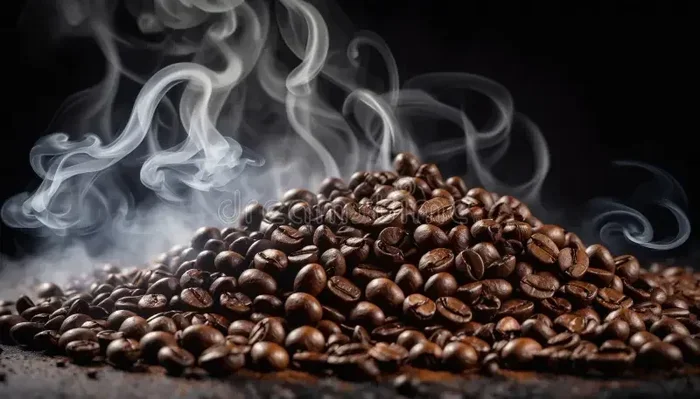
Smoking coffee means exposing coffee beans to smoke from burning or smoldering wood. The smoke penetrates the beans and changes their flavor profile. Think of it like smoking meat — but instead of a brisket, you are treating coffee beans. The process infuses the beans with compounds from the wood, creating new taste dimensions that regular roasted coffee simply does not have.
The practice is not entirely new. Some coffee roasters have experimented with smoke-infused coffee for years. And in many cultures, smoking food is a traditional preservation and flavoring method. Applying that same logic to coffee beans opens up a whole new world of taste.
How Does Smoking Change Coffee Beans?
When coffee beans are exposed to smoke, the wood particles bind to the surface and slowly absorb into the bean. This happens because coffee beans are porous. They act like little sponges. The longer the exposure, the deeper the smoky flavor goes. Different types of wood create different flavor outcomes. For example, hickory smoke tends to add a bold, strong flavor. Applewood smoke brings a sweeter, milder note. Mesquite creates a more intense, earthy profile.
The smoking coffee process does not replace roasting. Most people smoke green or lightly roasted beans because they have more porosity and absorb smoke better. Dark roasted beans are already packed with bold flavors, and the smoke can get lost or create an unpleasant bitter taste.
How To Smoke Coffee At Home
Smoking coffee at home is easier than you might think. You do not need a professional-grade smoker or a fancy setup. With a few basic items, you can start smoking coffee beans in your own kitchen. Here is a simple breakdown of the process.
Method 1: Cold Smoking Coffee Beans
Cold smoking is the most popular method for smoking coffee beans at home. It uses low heat, usually below 90 degrees Fahrenheit, which means the beans do not roast further during the process. This preserves the bean structure and lets the smoke flavor take center stage.
Here is how to do it:
- Place wood chips in a cold smoker or a stovetop smoker.
- Spread green or lightly roasted coffee beans on a mesh tray.
- Keep the beans at a safe distance from the smoke source.
- Let the smoke circulate around the beans for 1 to 3 hours.
- Stir the beans occasionally for even exposure.
- Remove and let the beans rest for 24 hours before grinding.
Cold smoking gives you the most control over flavor intensity. You can smoke for a shorter time if you want a subtle hint of smoke. Or go longer for a bold, deep smoky taste.
Method 2: Stovetop Smoking
If you do not own a cold smoker, a stovetop smoker works perfectly. You can use a small stovetop smoker pan or even improvise with a wok and a wire rack. The key is to keep the heat low and let the smoke do the work.
One important tip: make sure your setup is safe. Can you put tin foil in a convection oven? Yes, and many people use aluminum trays or foil to catch ash and manage the smoking process. Just be careful with direct flame and always monitor your setup. Similarly, can silicone go in the oven? Silicone mats and covers are generally oven-safe and can be useful for managing temperature during the smoking process.
Method 3: Using a Grill or Smoker
For those who already own a charcoal or gas grill, you can use it to smoke coffee beans. Set up your grill for indirect heat. Place wood chips on the coals or in a smoke box. Put the beans in a heat-safe container on the opposite side of the grill. Close the lid and let the smoke work its magic.
This method works well for larger batches. Just remember that what types of pans can go in the oven and on grills matters too. Use only food-safe, heat-resistant containers like stainless steel, cast iron, or oven-safe glass.
The Actual Effects Of Smoking Coffee
Now let us talk about the real question: what happens when you smoke coffee? What are the actual effects on flavor, aroma, and your experience drinking it? This is where things get really interesting.
Flavor Profile Changes
Smoked coffee has a distinctly different flavor compared to regular roasted coffee. The smoke adds layers of complexity. You might taste notes of:
- Woody and earthy tones — reminiscent of a campfire or hardwood floor.
- Sweet undertones — especially when using fruitwood like apple or cherry.
- Bold, smoky depth — hickory and mesquite create a robust, almost savory quality.
- Subtle bitterness — depending on the wood and duration, some smoke can add a pleasant bitter edge.
The overall effect is a cup of coffee that feels richer and more complex. Many people describe smoked coffee beans as having a “campfire” or “barbecue” quality. It pairs beautifully with cream and sugar but can also shine in black coffee.
Aroma Differences
The smell of smoked coffee is unmistakable. When you grind the beans, your kitchen fills with a warm, smoky aroma. It is very different from the bright, chocolatey, or fruity smells of regular roasted coffee. Some people love this. Others find it overpowering. The aroma is one of the first things you will notice, and it sets the stage for the entire tasting experience.
Caffeine and Health Effects
Does smoking coffee change the caffeine content? Not significantly. The smoking process does not alter the caffeine levels in the beans. You will get roughly the same caffeine kick as you would from regular coffee. However, the smoke compounds that attach to the beans are worth noting. In small amounts, these are generally considered safe. But consuming heavily smoked food products in excess is never a great idea. As with anything, moderation is key.
Potential Downsides
Not every batch of smoked coffee turns out perfectly. Some common issues include:
- Over-smoking: Too much smoke creates a bitter, acrid taste that overwhelms the coffee.
- Uneven smoking: If you do not stir or rotate the beans, some will be heavily smoked while others remain unaffected.
- Ash contamination: If ash gets on the beans, it can introduce an unpleasant gritty texture and off-flavors.
- Burnt beans: Too much heat during the process can scorch the beans, ruining both flavor and aroma.
The key is patience and control. Start with short smoking sessions and taste-test frequently.
Equipment You Need For Smoking Coffee
You do not need a lot of fancy gear to smoke coffee beans. But having the right equipment makes the process smoother and safer. Here is what you will need.
| Equipment | Purpose | Budget-Friendly Option |
|---|---|---|
| Cold smoker or stovetop smoker | Generates controlled smoke at low heat | Stovetop smoker pan ($15-$30) |
| Wood chips (hickory, apple, mesquite) | Source of smoke flavor | Bag of wood chips ($5-$10) |
| Mesh tray or wire rack | Holds beans and allows smoke circulation | Cooling rack or mesh screen |
| Heat-safe container | Catches ash and protects beans | Aluminum tray or stainless steel bowl |
| Thermometer | Monitors temperature to avoid overheating | Basic kitchen thermometer ($5) |
When choosing equipment, always prioritize safety. If you are using an oven or stovetop, make sure your materials are safe for high heat. For instance, can Hexclad go in the oven? Yes, Hexclad cookware is oven-safe and can work well for certain smoking setups. Similarly, can Crofton pans go in the oven? Many Crofton pans are oven-safe up to certain temperatures, but always check the manufacturer’s guidelines before using them for smoking.
A quick tip: never use plastic, melamine, or non-food-safe materials in your smoking setup. The heat can release harmful chemicals. Stick to stainless steel, cast iron, glass, or silicone for all components that touch the beans or the smoke.
Different Ways To Smoke Coffee Beans
Not all coffee smoking is the same. Different methods produce different results. Here are three popular approaches you can try at home.
1. Traditional Wood Chip Smoking
This is the classic method. You soak wood chips, place them in a smoker or foil pouch, and let them smolder. The coffee beans sit nearby and absorb the smoke slowly. This method gives the most authentic smoky flavor and is perfect for beginners.
2. Liquid Smoke Infusion
If you do not have a smoker, liquid smoke can work in a pinch. You can add a tiny amount of food-grade liquid smoke to a spray bottle and lightly mist the beans. This method is faster and requires no special equipment. However, the flavor is less nuanced than real wood smoking. Use liquid smoke sparingly — a little goes a long way.
3. Post-Roast Smoke Infusion
Some coffee enthusiasts smoke beans after roasting them. This is a more advanced technique because roasted beans are more fragile. The smoke adds a final layer of flavor on top of the roast profile. This method works best with light or medium roasts where the smoky notes can complement rather than compete with the roast character.
Is Smoking Coffee Safe?
This is one of the most common questions people ask about smoking coffee. And it is a valid concern. After all, we are talking about inhaling or consuming smoke-infused products.
The short answer is that smoking coffee beans is generally safe when done correctly. The beans are not being consumed as smoke — they are being flavored by it. The smoke compounds that attach to the bean surface are similar to what you find in smoked meats, smoked cheese, and other smoked foods. These are widely consumed and considered safe in moderation.
However, there are a few safety considerations to keep in mind:
- Use only food-grade wood chips. Do not use treated, painted, or chemically treated wood. These can release toxic fumes that contaminate the beans.
- Avoid overheating. Temperatures above 200 degrees Fahrenheit can scorch beans and create acrid, unpleasant flavors. Keep your smoking temperature low and controlled.
- Store smoked beans properly. Once smoked, keep the beans in an airtight container away from moisture and light. They should last for several weeks.
- Do not smoke beans for too long. Extended smoking can lead to an accumulation of creosote and other bitter compounds. Stick to 1-3 hours for best results.
If you follow these guidelines, smoking coffee is a safe and fun experiment. Always trust your senses. If something smells off or tastes wrong, discard the batch and start fresh.
Quick Tips For The Best Smoked Coffee
Want to get the most out of your smoked coffee beans? Here are some quick tips from experienced home smokers:
- Start with green beans. They absorb smoke better than roasted beans because of their higher porosity.
- Experiment with different woods. Each wood type creates a unique flavor. Try hickory, apple, cherry, and mesquite to find your favorite.
- Keep the smoke clean. Use well-seasoned wood chips and avoid any that are moldy or damp.
- Rest the beans after smoking. Let them sit for 24 hours before grinding. This allows the smoke flavors to settle and mellow out.
- Grind just before brewing. Smoked coffee loses its aromatic punch faster than regular coffee. Grind only what you need for each brew.
- Pair it right. Smoked coffee pairs wonderfully with cream, vanilla, caramel, or even a splash of whiskey for an adult twist.
Common Mistakes To Avoid
Even experienced home cooks make mistakes when smoking coffee for the first time. Here are the most common ones to watch out for:
- Using too much smoke. More smoke does not mean better flavor. It often means bitter, overwhelming beans. Less is more when you start.
- Skipping the rest period. Freshly smoked beans need time to rest. Grinding them immediately can result in a harsh, unbalanced cup.
- Using the wrong wood. Never use resinous woods like pine or cedar. They produce harsh, unpleasant flavors and can be harmful. Stick to fruitwoods and hardwoods.
- Not monitoring temperature. If the beans get too hot, they roast further and the smoke flavor gets muddled. Keep it cool and slow.
- Storing smoked beans improperly. Moisture is the enemy of smoked coffee. Always use an airtight container and store in a cool, dark place.
Avoiding these mistakes will save you time, beans, and frustration. The learning curve is gentle, and each batch teaches you something new.
Expert Insights On Smoking Coffee
Coffee smoking has gained traction in specialty coffee circles over the past few years. Some roasters now offer smoke-infused coffee as a limited edition or seasonal product. The trend aligns with the broader movement toward experimental and artisanal food preparation.
According to coffee industry experts, the key to great smoked coffee lies in balance. The smoke should complement the natural flavors of the bean, not overpower them. A well-smoked coffee bean should still taste like coffee — just with an added layer of complexity that surprises and delights the palate.
Professional baristas also note that smoked coffee works exceptionally well in cold brew. The cold brewing process mellows out any harsh smoke notes and brings forward the smoother, sweeter characteristics. If you are new to smoked coffee, starting with a cold brew might be the easiest and most enjoyable way to experience it.
Some coffee competitions have even begun featuring smoke-infused brewing techniques as a category. This signals that smoking coffee is more than just a trend — it is becoming a recognized skill in the specialty coffee world.
Final Thoughts
Can you smoke coffee? Absolutely. And the results can be genuinely delightful. Whether you are a coffee purist looking to explore new flavor dimensions or a curious home cook eager to try something different, smoking coffee beans is a rewarding and creative process. The actual effects are clear: deeper flavor, richer aroma, and a completely unique coffee experience that you cannot get from any store-bought bag.
The process is simple enough for beginners yet flexible enough for experienced enthusiasts to experiment and refine. You do not need expensive equipment or advanced skills. All you need is some wood chips, a basic smoker setup, and a willingness to try something new. Start with a small batch, pay attention to the details, and enjoy the journey of discovering your perfect smoke coffee profile.
So the next time you find yourself wondering about smoking coffee beans, give it a try. You might just discover your new favorite way to enjoy coffee.
Frequently Asked Questions
What does smoked coffee taste like?
Smoked coffee has a rich, earthy flavor with woody and sometimes sweet notes depending on the type of wood used. It tastes quite different from regular coffee, with a distinctive campfire or barbecue quality that lingers on the palate.
Can you smoke already roasted coffee beans?
Yes, you can smoke roasted beans, but green or lightly roasted beans absorb smoke better. Roasted beans are more porous in some ways but can become bitter if over-smoked. Light roasts work best for post-roast smoking.
Is smoking coffee safe to drink?
Yes, smoking coffee is safe when done properly with food-grade materials and clean wood chips. The smoke compounds are similar to those found in other smoked foods and are safe to consume in moderation.
How long do smoked coffee beans last?
Smoked coffee beans can last 2 to 4 weeks when stored in an airtight container in a cool, dark place. The smoky flavor is strongest in the first week and gradually mellows over time.
What is the best wood for smoking coffee?
Fruitwoods like apple and cherry are great for beginners because they produce a mild, sweet smoke. Hickory and mesquite are stronger and best for those who want a bold, intense smoky flavor.
Can you smoke coffee using a regular oven?
You can create a smoking setup in a regular oven using a foil tray and wood chips, but cold smoking outside the oven gives better results. If using an oven, keep the temperature very low and monitor the beans closely to avoid roasting them.
=== CONCLUSION ===
Smoking coffee is a fascinating and accessible technique that transforms ordinary coffee beans into something extraordinary. From the initial smoke infusion to the final cup in your hands, every step offers opportunities to experiment and refine. The actual effects of smoking coffee are real, tangible, and delicious. You get a cup of coffee with depth, complexity, and a smoky character that turns an everyday ritual into something special.
Start small, use quality materials, and trust your taste buds. Whether you prefer a subtle whisper of smoke or a bold, campfire kick, there is a smoked coffee recipe out there for you. So grab some beans, some wood chips, and a basic smoker setup, and start your coffee smoking adventure today.