How To Make Israeli Coffee The Authentic Way At Home
Israeli coffee is a rich, strong, and traditional brew that brings Middle Eastern coffee culture right into your kitchen. This guide shows you exactly how to make authentic Israeli coffee using a finjan or ibrik, the right coffee grounds, and simple ingredients. You will learn the brewing steps, serving traditions, and expert tips to get perfect foam every time. Whether you are new to Israeli coffee or want to refine your technique, this guide covers everything you need.
There is something magical about a cup of Israeli coffee. It is not just a drink. It is a ritual, a conversation starter, and a window into Middle Eastern coffee culture. Unlike the drip coffee most of us grew up with, Israeli coffee is thick, strong, and deeply flavorful. It demands your attention. It asks you to slow down and savor every sip.
If you have ever wondered how to make Israeli coffee at home, you are in the right place. This guide walks you through every step, from choosing the right coffee beans to serving the perfect cup. We will cover the tools you need, the ingredients that matter, and the common mistakes that trip people up. By the end, you will be brewing authentic Israeli coffee like a pro.
What makes Israeli coffee so special? It is all in the details. The fine grind, the slow heat, the careful pouring, and the foam on top. Every step matters. And the best part? You do not need expensive equipment. A simple coffee pot called a finjan or ibrik is all you need to get started.
Key Takeaways
- Use finely ground coffee: The grind size is the most important factor in achieving the authentic texture and flavor of Israeli coffee.
- Do not stir after pouring: Let the grounds settle naturally to create the signature layers of traditional coffee that define this brew.
- Choose your sugar level carefully: Israeli coffee offers multiple sweetness levels, from unsweetened to very sweet, matching Middle Eastern coffee culture.
- Serve immediately with foam: The foam on top is a sign of a well-made cup and is central to the coffee serving ritual.
- Clean your equipment properly: Regular maintenance of your finjan or coffee pot ensures the best flavor every time you brew.
📑 Table of Contents
What Makes Israeli Coffee So Special
The History Behind Israeli Coffee
Israeli coffee has deep roots in Middle Eastern and Turkish coffee culture. The method of brewing coffee with fine grounds and hot water dates back centuries. It traveled through the Ottoman Empire and became a staple in homes across Israel and the surrounding region. Today, making Israeli coffee is still a daily ritual for many families.
What sets Israeli coffee apart from other brews? First, it uses an extremely fine grind, almost like powder. Second, it is brewed slowly over low heat. Third, it is served in small cups with the grounds still in the cup. This creates a rich, intense flavor that you simply cannot get from a regular coffee maker.
How Israeli Coffee Differs From Regular Brewed Coffee
Most of us are used to filtered or drip coffee brewing. Water passes through a paper filter with medium-ground beans. The result is a clean, light cup. Israeli coffee works very differently. The grounds stay in the water the entire time. This creates a much stronger, more concentrated drink.
Here is a quick comparison to help you understand the difference:
- Regular brewed coffee: Medium grind, filtered, light body, clean taste.
- Espresso: Fine grind, high pressure, concentrated, creamy texture.
- Israeli coffee: Extra fine grind, no pressure, strong and thick, grounds settle at the bottom.
While Israeli coffee shares some similarities with Turkish coffee, each region has its own twist. In Israel, people often add cardamom or other spices. The coffee culture around Israeli coffee is warm, social, and welcoming. It is meant to be shared slowly with friends and family.
Ingredients You Need for Authentic Israeli Coffee
Choosing the Right Coffee Beans
The foundation of great Israeli coffee starts with the right coffee beans. You want a high-quality, freshly roasted dark or medium-dark roast. Light roasts do not work well because they lack the bold flavor needed for this style of strong coffee.
Many people wonder if they need a specific type of bean. The truth is, you can use any Arabica or blend. What matters most is freshness. Buy whole beans and grind them yourself just before brewing. This gives you the finest, most flavorful coffee grounds possible.
If you cannot grind your own beans, look for pre-ground Turkish or Middle Eastern coffee at specialty stores. The grind should be finer than espresso powder. If it feels grainy or coarse, it is not fine enough for authentic Israeli coffee.
The Role of Sugar and Spices
One of the beautiful things about Israeli coffee is the flexibility with sweetness. You can customize your cup to match your taste. In Israel, people often order their coffee by sugar level:
- Without sugar (black): No sweetness at all. Pure coffee flavor.
- Low sweetness: A touch of sugar to soften the bitterness.
- Medium sweetness: A balanced cup with moderate sugar.
- High sweetness: Very sweet, almost like a dessert drink.
Beyond sugar, many people add cardamom to their Israeli coffee. Cardamom gives the brew a warm, aromatic flavor that is incredibly refreshing. Some also add a pinch of cinnamon or cloves. These spices are not just for taste. They are part of the traditional coffee experience that has been passed down through generations.
Step-by-Step Guide to Brewing Israeli Coffee
Preparing Your Finjan or Ibrik
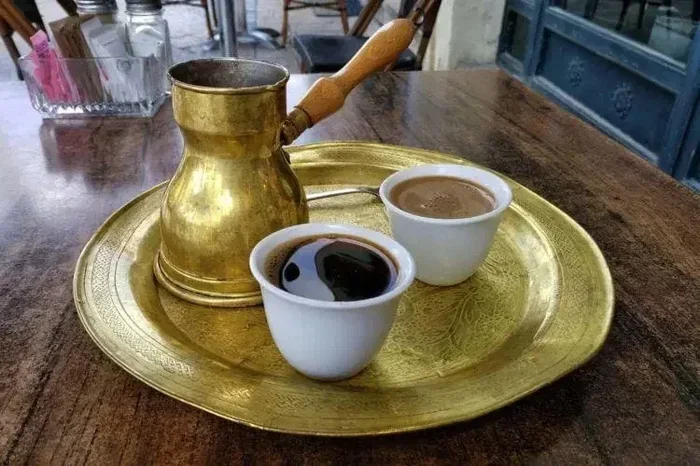
The most important tool for making Israeli coffee is a finjan, also called an ibrik. This is a small, long-handled pot designed specifically for this type of brewing. You can find them in Middle Eastern grocery stores or online. They come in copper, brass, or stainless steel.
Before you start, make sure your finjan is clean. If you use a coffee maker regularly, you know how important maintenance is. Just like you would decalcify a Keurig coffee maker to keep it running well, you should rinse your finjan after every use. This prevents old coffee oils from building up and affecting the taste of your next cup.
For a single cup, you will need:
- One finjan or ibrik (small size, about 3-4 ounces)
- Two teaspoons of finely ground coffee beans
- One cup of cold or room-temperature hot water
- Sugar to taste (optional)
- Cardamom or spices (optional)
The Brewing Process
Now comes the fun part. Making Israeli coffee is simple, but it requires patience. Follow these steps carefully:
- Add water to the finjan. Pour one cup of cold water into the pot. Do not use hot water to start. Cold water allows the coffee grounds to extract slowly and evenly.
- Add the coffee grounds. Stir in two teaspoons of finely ground coffee. If you like sugar, add it now. Stir gently to combine.
- Place on low heat. Set the finjan on a small burner over low heat. Do not rush this step. High heat will burn the coffee and create a bitter taste.
- Watch for the foam. As the mixture heats up, you will see foam forming on the surface. This is the sign that your coffee is ready to be removed from heat.
- Remove just before boiling. The moment the foam rises and starts to bubble, take the finjan off the heat. Never let it boil vigorously. Boiling ruins the flavor.
- Pour into the cup. Slowly pour the coffee into a small serving cup. Make sure each cup gets a fair share of the foam on top.
The key to great Israeli coffee is patience. If you rush the heating process, the coffee grounds will not extract properly. Give it time. Let the heat do the work.
Getting the Perfect Foam
The foam on top of Israeli coffee is everything. It is called “kaimaki” and it is the sign of a well-made cup. Getting a good foam takes a little practice, but it is worth it.
Here are some tips to achieve the best foam on coffee:
- Use very finely ground coffee grounds. Coarse grounds will not create foam.
- Heat slowly and evenly. Sudden temperature changes prevent foam formation.
- Do not stir once the foam starts to rise. Let it build naturally.
- Pour gently so the foam flows into the cup first.
If you want even more foam, you can repeat the heating process two or three times. Just bring the finjan to near-boiling, remove it, and let the foam settle. Then pour a little into the cup, return the rest to the finjan, and repeat. This technique creates a thick, creamy layer of foam that is the hallmark of great Middle Eastern coffee.
Serving Israeli Coffee the Right Way
Traditional Serving Customs
In Israel, serving Israeli coffee is a social act. It is not just about the drink. It is about connection. When you serve Israeli coffee to guests, you are saying “welcome” and “I care about you.” The small cups are meant to be sipped slowly. The conversation is just as important as the drink itself.
Traditionally, Israeli coffee is served in small porcelain or ceramic cups. The cups are usually decorated and hold about 2-3 ounces. You serve the coffee with the foam on top. The coffee grounds settle at the bottom of the cup, and you leave them there. Never drink the last sip if it contains thick sediment.
It is also common to serve a small glass of water alongside the coffee. The water cleanses the palate and prepares your taste buds for the rich flavor. This is an important part of the coffee serving ritual that adds to the overall experience.
What to Pair with Israeli Coffee
Israeli coffee pairs beautifully with sweet treats. The bitterness of the strong coffee balances perfectly with sugary desserts. Here are some traditional pairings:
- Baklava: The honey and nuts complement the bold coffee flavor.
- Dates: A natural sweetness that is very traditional in Middle Eastern coffee culture.
- Shortbread cookies: Simple and buttery, they go well with any traditional coffee.
- Chocolate: A small piece of dark chocolate alongside your cup of Israeli coffee is a delightful combination.
If you are serving food alongside your coffee, think about the flavors. You want balance. The coffee should enhance the food, not overpower it. That is the beauty of Israeli coffee as part of a meal or gathering.
Common Mistakes When Making Israeli Coffee
Using the Wrong Grind Size
The number one mistake people make is using the wrong grind. If your coffee grounds are too coarse, you will get weak, watery coffee with no foam. If they are too fine, the coffee will be gritty and unpleasant to drink.
The ideal grind for Israeli coffee is finer than table salt but not quite powder. Think of it as the texture of flour. If you are using a burr grinder, set it to the finest setting. If you are buying pre-ground, look for Turkish grind. This is the closest match to what you need for authentic Israeli coffee.
Boiling the Coffee Too Long
Another common mistake is letting the coffee boil. Boiling Israeli coffee causes the coffee grounds to release bitter compounds that ruin the flavor. The goal is to heat the mixture gently and remove it from the heat just as the foam begins to rise.
If you are using a stovetop, pay close attention. The difference between perfect foam and a boiled pot of bitter coffee is just a few seconds. Set a timer if you need to. And never walk away from the stove while your coffee is heating.
Skipping the Resting Time
After pouring the Israeli coffee into the cup, do not drink it right away. Let it sit for 30 to 60 seconds. This allows the coffee grounds to settle to the bottom. The result is a cleaner, more enjoyable cup with a smooth top layer and rich flavor throughout.
Expert Tips for Mastering Israeli Coffee at Home
Making great Israeli coffee takes practice, but these expert tips will help you improve faster:
- Always use fresh, cold water. The quality of the water affects the taste. Filtered water works best for pure coffee flavor.
- Preheat your finjan. A warm pot helps the coffee grounds extract more evenly and produces better foam.
- Experiment with spice levels. Start with a small pinch of cardamom and adjust to your preference. Each person in Israel has their own favorite blend.
- Clean your equipment after every use. Just as you would clean a Cosori Air Fryer Toaster Oven after cooking, rinse your finjan thoroughly to remove coffee residue. This keeps your coffee pot in top shape.
- Serve immediately. Israeli coffee is best enjoyed fresh. The foam dissipates quickly, and the grounds settle fast. Pour and serve right away for the best experience.
- Adjust heat carefully. Low and slow is the golden rule. Patience is the secret ingredient in every cup of Israeli coffee.
Remember, the goal of Israeli coffee is not just caffeine. It is about the experience. The aroma, the warmth, the ritual of preparation, and the joy of sharing it with others. Every cup tells a story. And once you master the technique, you will look forward to making it every single day.
Key Takeaways
- Use finely ground coffee: The grind size is the most important factor in achieving the authentic texture and flavor of Israeli coffee.
- Do not stir after pouring: Let the grounds settle naturally to create the signature layers of traditional coffee that define this brew.
- Choose your sugar level carefully: Israeli coffee offers multiple sweetness levels, from unsweetened to very sweet, matching Middle Eastern coffee culture.
- Serve immediately with foam: The foam on top is a sign of a well-made cup and is central to the coffee serving ritual.
- Clean your equipment properly: Regular maintenance of your finjan or coffee pot ensures the best flavor every time you brew.
- Never boil the coffee: Removing the finjan from heat just before boiling preserves the smooth, rich flavor that defines great Israeli coffee.
- Practice makes perfect: Your first few cups may not be flawless. Keep trying. The reward is a deeply satisfying cup of authentic Middle Eastern coffee that you made with your own hands.
Conclusion
Israeli coffee is more than a beverage. It is a tradition, a ritual, and a celebration of coffee culture that has survived for centuries. Making it at home is simpler than you think. With the right coffee beans, a finjan or ibrik, and a little patience, you can brew a cup that rivals what you would find in a cafe in Tel Aviv or Jerusalem.
The beauty of Israeli coffee lies in its simplicity. There are no fancy machines required. No complicated techniques. Just good coffee grounds, hot water, and time. The process itself is meditative. It invites you to slow down and appreciate the small things in life.
So go ahead. Gather your ingredients. Heat your water. Watch the foam rise. Pour your first cup of authentic Israeli coffee and savor every moment. Once you start making it at home, you will never go back to your old routine. This is coffee the way it was meant to be enjoyed.
Share it with someone you love. That is what Israeli coffee is all about.
Frequently Asked Questions
What is the difference between Israeli coffee and Turkish coffee?
Israeli coffee and Turkish coffee are very similar because they share the same brewing method and use fine coffee grounds. The main difference is in the spices and regional preferences. Israeli coffee often includes cardamom, while Turkish coffee may use different spices or none at all. Both are part of the rich Middle Eastern coffee culture and are brewed in similar pots called finjan or ibrik.
Can I use an espresso machine to make Israeli coffee?
While you can try, an espresso machine does not produce the same result. Israeli coffee relies on slow heat extraction and no pressure. The texture and foam are different from espresso. For the most authentic experience, use a finjan or ibrik on the stovetop. This is the traditional way to make true Israeli coffee at home.
How fine should the coffee grind be for Israeli coffee?
The grind should be extra fine, similar to flour or powdered sugar. It is finer than espresso grind. If you are using a burr grinder, set it to the finest setting. If buying pre-ground, look for Turkish grind. The right coffee grounds are essential for achieving the proper foam and rich flavor that define Israeli coffee.
Is Israeli coffee stronger than regular coffee?
Yes, Israeli coffee is generally stronger than regular drip coffee. Because the coffee grounds stay in the water during the entire brewing process, the extraction is more complete. The result is a thicker, more concentrated cup with intense flavor. However, the strength also depends on how much coffee grounds you use and how long you brew.
Can I make Israeli coffee without a finjan?
Yes, you can use a small saucepan or any small, heavy-bottomed pot as a substitute for a finjan. However, a traditional finjan or ibrik is designed specifically for Israeli coffee brewing. It has a narrow neck that helps control the foam and pouring. If you want the most authentic experience, investing in a proper finjan is worth it.
How do I know when my Israeli coffee is ready?
Your Israeli coffee is ready when you see foam forming on the surface and small bubbles rising around the edges of the pot. This happens just before the coffee reaches a full boil. Remove the finjan from the heat at this point. Pour immediately into small cups, making sure each serving gets a portion of the foam on top.